Adapting Classic Games for Toddlers and Preschoolers
18 May 2026
Ah, the classics — games we all grew up loving. From Hide and Seek to Simon Says, these timeless forms of play have bridged generations. But what happens when you want to introduce these fun-filled gems to a new crowd — say, a group of curious toddlers or energetic preschoolers? The matching pieces are all there, but they might need a bit of reshaping.
Good news — classic games are surprisingly easy to modify for little learners. With a few tweaks, you can turn these nostalgic treasures into age-appropriate, screen-free fun that teaches your child important developmental skills. Let’s dive into how we can breathe new (and safe!) life into your favorite childhood games for those tiny hands and eager minds.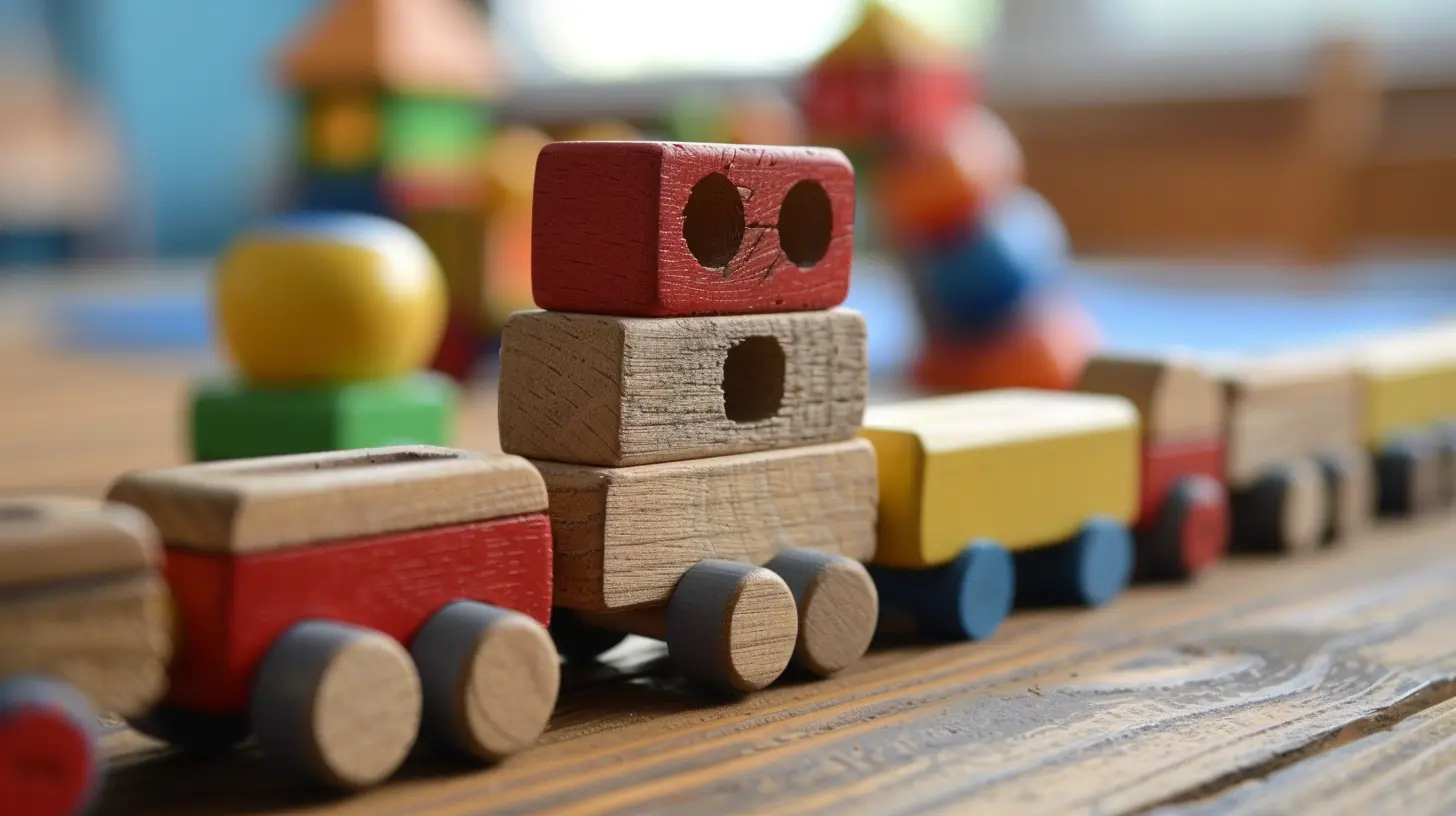
Why Classic Games Still Matter Today
You might be wondering, with so many educational apps, toys, and YouTube videos available today, do classic games still hold value?Absolutely. In fact, they might be more important than ever.
Classic games offer something no screen can — real-world social interaction, physical movement, and creative thinking. They also promote:
- Cognitive skills like memory and problem-solving
- Fine and gross motor development
- Emotional intelligence through sharing and turn-taking
- Language development through communication and storytelling
And let’s be real: there's something magical about hearing your toddler giggle during a simple game of "Duck Duck Goose" or watching your preschooler proudly follow Simon's silly instructions.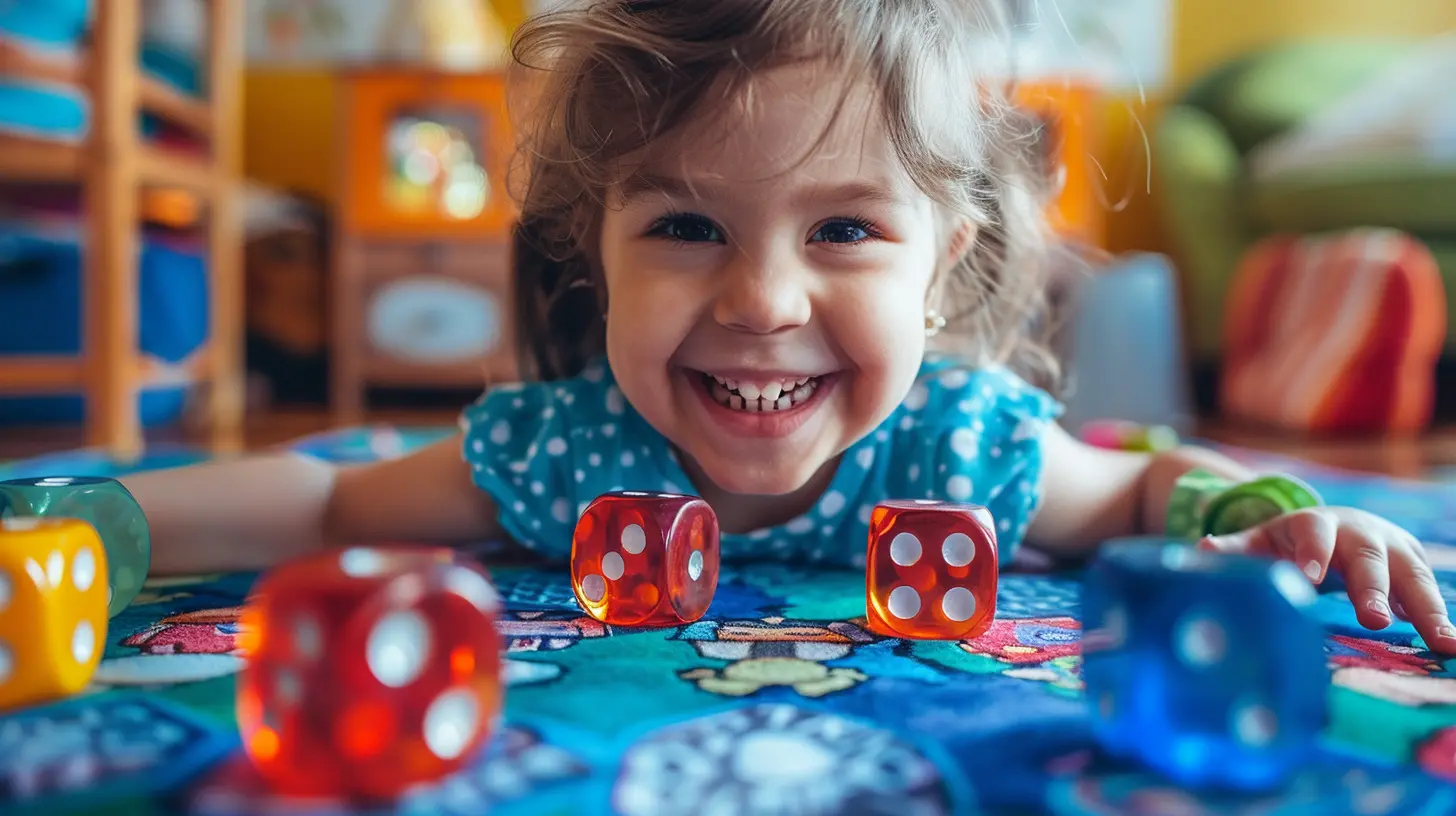
Keep It Simple, Silly: Adapting Rules for Little Brains
Let’s be honest — toddlers don’t follow complex rules very well (or at all). So, the number one rule of adapting classic games? Simplify, simplify, simplify.Tips for Simplifying:
✅ Reduce the number of players✅ Eliminate tricky rules or points systems
✅ Add lots of positive reinforcement
✅ Focus on participation, not competition
✅ Keep sessions short and energetic
Remember, it’s not about “winning” — especially when the kids don’t even know what game they’re playing half the time. It's about play, movement, and connection.
Classic Games with a Toddler-Friendly Twist
Alright, time to get creative. Here are some of our favorite classic games, reimagined for toddlers and preschoolers.1. Simon Says → “Animal Says”
Let’s face it: “Simon Says” can be confusing for little ones who barely understand the concept of listening, let alone following conditional commands.➡️ Try this instead: change “Simon” to “Animal” — like “Monkey Says” or “Dino Says.” Keep it physical and silly. Instead of saying “Simon says touch your toes,” say “Monkey says hop like a frog!”
Toddlers LOVE animals, and they’ll have a blast copying sounds and movements.
2. Hide and Seek → Peekaboo Hide
Hide and Seek can be overwhelming for kids under 4. They might get scared if they can’t find someone (or if they’re the one hiding too well).➡️ Adapt it by staying within one room and using easy-to-see hiding spots. A blanket over the head or peeking behind the couch works wonders. Add in playful sound cues like, “Where is Teddy? Peek-a-BOO!”
The goal? Let them feel like they’re discovering something without the panic of getting lost.
3. Duck Duck Goose → Tap and Giggle
Running around in big circles might be too much for most toddlers (hello, chaos!). But the essence of “Duck Duck Goose” — anticipation and movement — can still be captured.➡️ Instead of running, turn it into “Pat Pat Hug.” Sit everyone in a circle. Walk around and gently pat heads saying “pat...pat...HUG!” Then give a big giggly hug when it’s their turn.
It keeps the play focused and safe while still building social excitement.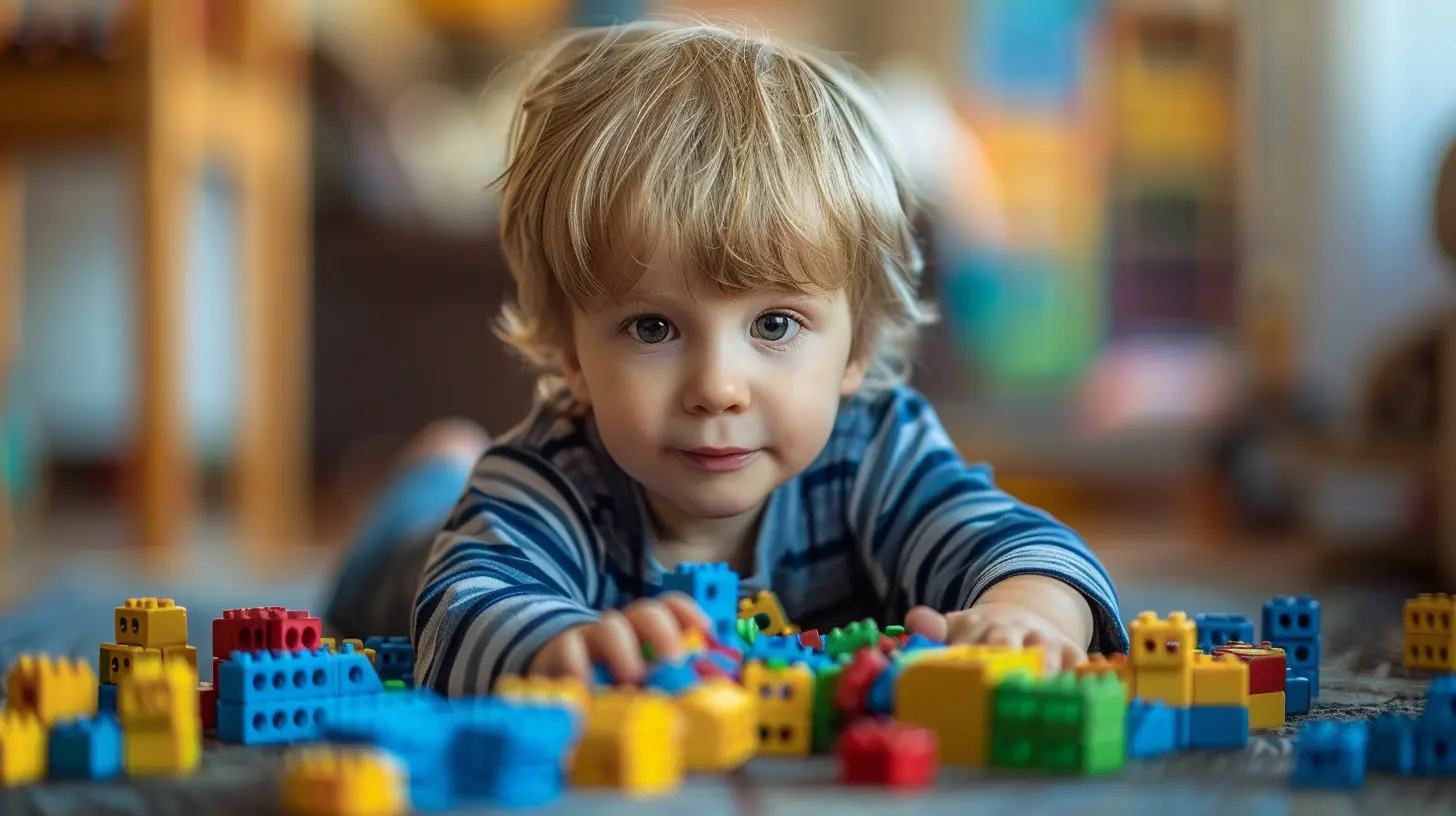
Educational Boost: Sneaky Learning Through Play
Guess what? These games aren’t just fun — they’re actually little learning machines in disguise.Every time your child follows instructions, waits their turn, or names a color or animal during play, they’re soaking up knowledge like a sponge.
What Skills are Being Developed?
| Game | Skill Areas ||------------------|-------------|
| Animal Says | Listening, Gross Motor, Language |
| Peekaboo Hide | Object Permanence, Memory |
| Tap and Giggle | Turn-Taking, Empathy |
| Musical Chairs (with cushions!) | Auditory Processing, Coordination |
| Freeze Dance | Self-Regulation, Physical Fitness |
Safety First: Adapting with Toddlers in Mind
Of course, the younger the child, the more important safety becomes. Before starting any activity, ask yourself a few questions:- Are there choking hazards nearby?
- Are they likely to trip or fall?
- Is there enough space to play without bumping into furniture?
- Will they understand what they should NOT do?
Here’s a quick guide:
? Use soft toys or plushies as game props
? Choose low-impact physical activities
? Keep play areas clutter-free
? Always supervise closely, even in simple games
Let safety be the invisible superhero in every play session.
Group vs. Solo Play: Adjusting for Social Readiness
Some toddlers are social butterflies. Others? Not so much. That’s totally normal.For Solo Play:
If your toddler prefers solo activities, adapt games for one-on-one bonding. Think of matching games with cards, rolling a soft ball back and forth, or dancing together to silly songs.For Group Play:
Group games can teach cooperation and empathy. Start with just 2 or 3 players. Reinforce sharing and cheering each other on. Avoid games with winners/losers if tempers tend to flare — you’re building emotional intelligence, not a competitive spirit (yet!).Bringing a Modern Twist to Classics
Who says you can’t add a little 21st-century spark to these traditional games?? Add music: Turn musical chairs into a game of dancing on paper shapes when the beat stops.
? Use pictures: Play memory or matching games using flashcards with colors, animals, or family members.
? Keep tech minimal: Use tech only to play background music or sounds — avoid turning games into screen-time sessions.
Modern tools can enhance playtime, but they should never replace the joy of face-to-face giggling and movement.
Adaptable Games On the Go
Rainy day? Waiting at the doctor’s office? No problem. Many adapted classic games work anywhere.Here are a few portable life-savers:
- “I Spy” with colors or animals (“I spy with my little eye...something red!”)
- “Follow the Leader” with clapping or facial expressions
- Finger puppets for mini puppet shows
- Soft dice games where kids roll and do a silly action
Having a “game toolbox” in your bag can turn any fussy moment into playtime.
Encouraging Your Toddler To Get Involved
Kids are more likely to engage when they feel like they’re part of the decision-making. Even something as simple as letting them choose the game name (“Let’s play Monkey Dance!”) can get them excited.Use enthusiastic prompts like:
- “Want to play a game with me?”
- “Let’s pretend we’re animals!”
- “How fast can you hop? Let’s find out!”
Give them little “jobs” during games — like being the leader, picking the music, or choosing the next player. Ownership = investment.
It’s Okay if They Don’t “Get It” Right Away
Look, playtime with toddlers isn’t always smooth sailing. They might lose interest halfway through. They might cry because someone else got picked first. They might interpret the rules in ways that would make no sense to adults.But that’s normal. Actually, that’s perfect.
The goal isn’t perfect gameplay — it’s joyful interaction. Keep your expectations loose and your sense of humor high.
Adjust. Laugh. Try again tomorrow.
Don’t Forget: Classic Games Are a Bonding Gold Mine
Adapting classic games isn’t just about keeping your toddler entertained. It’s a way to connect.When you crouch down and start roaring like a lion during “Animal Says,” you become your child’s favorite playmate. When you fake surprise at finding them behind the curtain during a game of Hide and Seek, you’re building trust, affection, and lifelong memories.
These games give you a doorway into their world — a world where imagination rules and love is spelled L-A-U-G-H.
So dig up those nostalgic favorites, throw on your silly hat, and get playing. Your tiny teammate is ready.
Final Thoughts
Classic games are classics for a reason — they’re easy, engaging, and full of learning opportunities. By tweaking them for toddlers and preschoolers, you’re tapping into that same timeless fun while ensuring age-appropriate experiences.So the next time you hear, “I’m bored!” or see your little one bouncing off the walls, reach into your childhood memory bank. The perfect game might already be in there — it just needs a toddler-friendly twist.
all images in this post were generated using AI tools
Category:
Games For KidsAuthor:

Emery Larsen
Discussion
rate this article
2 comments
Luna Rocha
This article offers great insights into adapting classic games for young children. It's inspiring to see how timeless concepts can be made accessible and enjoyable for toddlers and preschoolers. Engaging kids in play fosters creativity and social skills early on, setting a foundation for lifelong learning.
June 19, 2026 at 4:46 PM
Emery Larsen
Thank you for your kind words! I'm glad you found the insights helpful. Engaging young children through play truly sets them up for success.
Luella Thomas
This is a great idea; introducing classic games early fosters creativity and social skills.
May 20, 2026 at 4:26 AM
Emery Larsen
Thank you! I believe classic games can really spark imagination and help little ones learn to play together.