Behind the Scenes of Creating a Game Demo
27 May 2026
Ever played a game demo and thought, “Hey, this is just a small slice of the game… but it’s so GOOD!”? Well, buckle in, because we’re about to pull back the curtain and take a wild ride into what really goes down behind the scenes of creating a game demo. Spoiler alert: it’s not all pixel-perfect graphics and epic boss fights right off the bat.
Creating a game demo is kind of like cooking up the ultimate appetizer. You want it to be tasty enough to hook someone in, but not so filling that they don’t come back for the main course (aka the full game). Let’s deep-dive into the joyful chaos that is demo development!
? What Exactly Is a Game Demo?
Let’s keep it real—if you’ve been gaming for more than five minutes, you’ve probably played a demo at some point. But what IS a demo, really?In the simplest terms, a game demo is a mini-version of a game meant to showcase its core features. It’s the teaser trailer of the gaming world—but interactive. You get a sneak peek into gameplay, mechanics, graphics, and sometimes a bit of the story.
Think of it like a movie trailer that lets you press buttons and punch bad guys.
? Step One: Deciding What to Include (Or Not)
Imagine trying to pick just one bite from a giant buffet to convince someone how good the entire feast is. That’s exactly what demo devs are doing.Most game devs start by asking themselves:
- What parts of the game best represent the full experience?
- What can we finish and polish in a limited timeframe?
- What will make people say, "I NEED more of this"?
They want to wow players without giving away the whole cake. It’s like showing off the frosting and one candle but keeping the rest under wraps.
Sometimes, it’s a snippet from the main game. Other times, it’s a completely standalone level, custom-made just for the demo.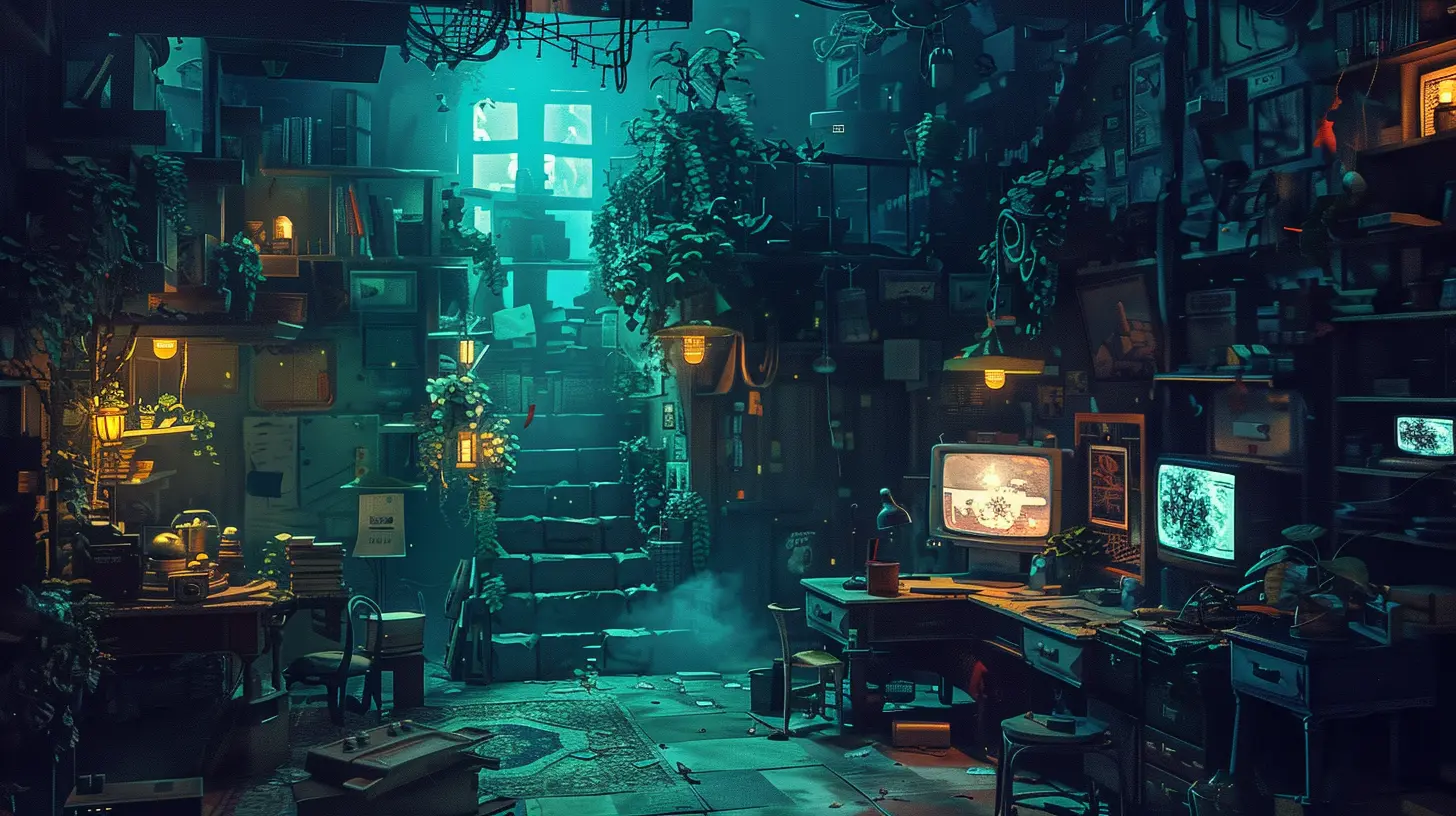
?️ Step Two: The Building Begins
Once the team decides what goes in the demo, it’s time to put those digital hammers to work.Now, you might think it’s just copy-pasting chunks of the full game. But nope. Creating a game demo often involves building things from scratch—assets, levels, menus, and even custom code.
It’s like baking cookies for a bake sale. You don’t bring half-done batter. You whip up a fresh batch just for this occasion.
Developers have to make the demo feel complete, polished, and fun... often months (or even years) before the full game is ready.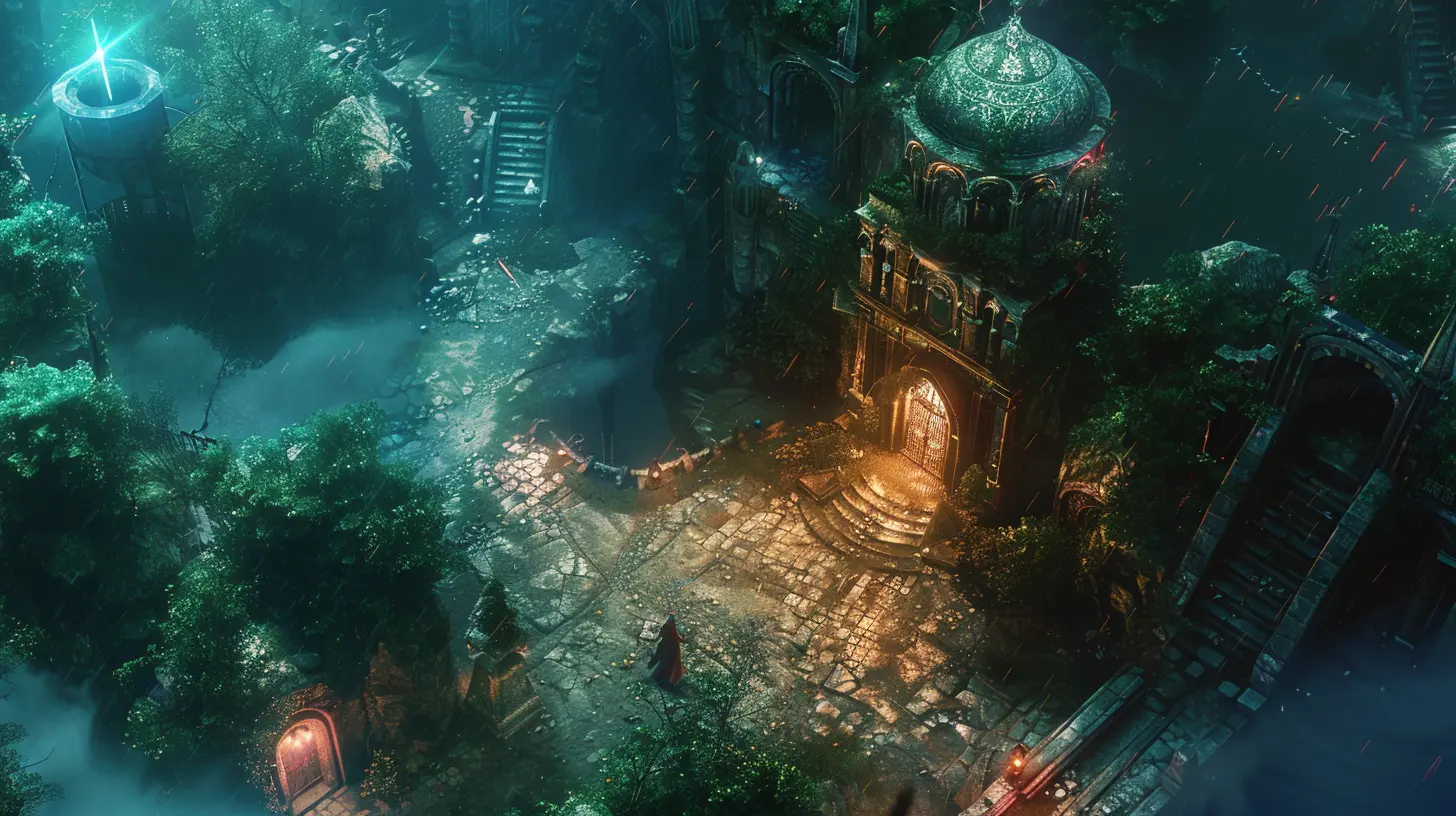
? The Pressure Is Real
Here’s something most gamers don’t see: the demo can make or break a game’s future.For indie devs pitching to publishers or trying to build hype on platforms like Steam, a killer demo can lead to funding, wishlists, and loyal fans. A clunky one? Well, that’s a harder sell.
This means teams pour heart, soul, and lots of coffee into getting everything just right. Even minor bugs get priority. After all, first impressions are everything, right?
And remember, the rest of the game is still in development… so you’re building the demo while the rest of the house is still under construction.
? Polishing and Playtesting
A great game demo isn’t just pretty on the outside—it has to feel good too.So devs go into hardcore polish mode. They tweak animations, fine-tune controls, and adjust camera angles. Then comes playtesting—lots of it.
They bring in people who’ve never touched the game and watch them play. What do they stumble on? What do they love? What confuses them?
It’s like watching someone test drive your car while you nervously chew your nails. Based on feedback, devs make changes—sometimes small ones, sometimes rewrites.
? Bug Squashing Time!
No matter how experienced the team is, bugs always sneak in. From game-breaking crashes to hilarious character glitches (floating NPCs anyone?), they all need to go.This final stretch is intense. Teams crunch through days and nights to squash as many bugs as possible, all while making sure updates don’t break something else.
It’s a game of digital Whac-A-Mole. Fix one issue, and two more pop up. But hey, that’s part of the fun (sort of).
? Marketing the Demo—Let the Hype Begin!
Once the demo is ready, it’s time to release it into the wild—and shout about it from every digital rooftop.Marketing teams jump in, creating trailers, press kits, and social media buzz. Streamers are contacted, press releases go out, and forums start buzzing.
Sometimes, devs even take the demo on the road—well, virtually speaking—to game expos or digital showcases.
Remember, the demo’s job isn’t just to impress players. It’s to turn curious folks into obsessed fans-in-the-making.
?️ Feedback, Feedback, Feedback
So the demo is out. Time to kick back? Not quite.This is when the real feedback flood begins. Players post thoughts on Discord, Steam forums, Reddit, and Twitter. Some love it. Others have—let’s say—constructive feedback.
Dev teams read it all. Every bug report, every compliment, every rant (yes, even those ALL CAPS ones). Why? Because this feedback is pure gold.
It informs future updates, helps guide the main game, and ensures the players’ voices are heard.
? Indie vs AAA: Differences in Demo Development
Here’s a fun fact: the process of creating a demo looks a little different depending on the size of the team.Indie Devs often have smaller teams and tighter budgets. They wear many hats—coding by day, animating by night, and tweeting in between. Their demos tend to be more experimental or heartfelt, often tapping into player communities for support and visibility.
AAA Studios, on the other hand, have entire departments for each task. Their demos are usually more polished and sometimes paired with huge marketing campaigns. But the pressure? Still sky-high.
Either way, the love and labor behind a demo is the same. It’s just produced at different scales.
? The Payoff: When Demos Go Right
A great demo can be the spark that sets the gaming world on fire.Remember games like Hades, Cuphead, or Untitled Goose Game? Their early demos got people talking and built a fanbase long before launch.
Sometimes that little 10-minute experience is all it takes to win over players, critics, and even investors.
So when a demo gets released and everyone’s tweeting, streaming, and meme-ing about it—yeah, that’s the dream.
? The Hidden Art of Cutting Content
Want to know a secret? Not everything makes the cut into a demo.Sometimes, developers build entire sections and then... throw them out.
Why? Maybe it’s too complex. Maybe it spoils too much of the story. Or maybe it’s just not fun yet.
Knowing when to cut is an art. It’s like editing a movie—you need to trim the fat to let the good stuff shine.
✨ The Final Stretch: Demo Launch Week
Ah, launch week. The moment of truth.The team is hyped, exhausted, nervous, and buzzing like they drank six cups of coffee (spoiler: they probably did).
They triple-check build stability. They update social media with links. They schedule streams. And then, they hit “publish.”
From there, it’s a flurry of YouTube videos, Twitch streams, feedback posts, and maybe even a few happy tears if the response is good.
? Final Thoughts: More Than Just a "Small Game"
So next time you boot up a demo, take a moment to appreciate all the late nights, debates, line of code, and passionate coffee-fueled moments that brought it to life.Creating a game demo isn’t just a step on the path to a finished product. It’s an entire adventure of its own—one filled with creativity, pressure, excitement, and joy.
And who knows? That tiny slice of digital magic might just turn into your next favorite game.
all images in this post were generated using AI tools
Category:
Game DemosAuthor:

Emery Larsen
Discussion
rate this article
2 comments
Zayla McGill
This article offers valuable insights into the game demo process. Great job on highlighting the creative challenges!
June 29, 2026 at 5:14 AM
Brooke Kim
Crafting a game demo is like weaving dreams into code. Behind the scenes, passion ignites, ideas clash and gel, and every pixel breathes life. A glimpse of a vast world unfolds, teasing players with promises of adventure, where every choice echoes through the digital realms.
June 1, 2026 at 3:16 PM
Emery Larsen
I love that imagery. It really captures the essence of game development and the magic that comes with bringing a world to life. Excited to share more about this process!