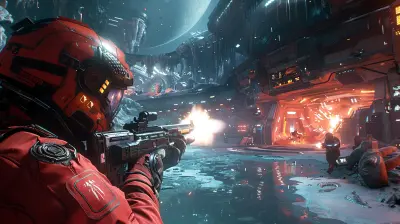
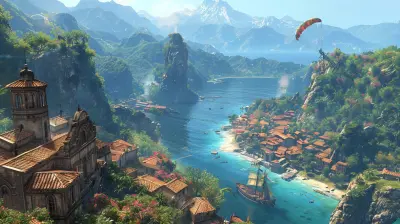
Building Alien Ecosystems in Sci-Fi Simulation Games
4 May 2026
Have you ever played a sci-fi simulation game and found yourself completely absorbed in the intricate details of an alien planet? You know, not just the lasers and space battles—but the strange plants, bizarre wildlife, and ecosystems that feel alive? If so, you’ve felt the magic of building alien ecosystems. And if you haven’t tried it yet... you're in for a treat.
Building alien ecosystems in sci-fi simulation games isn't just about making things look cool. It’s about creating lifelike worlds that behave like real environments—with their own food chains, survival challenges, and unpredictable surprises. Let’s dive in and explore how these fascinating sandboxes allow players to become creators of life—alien life.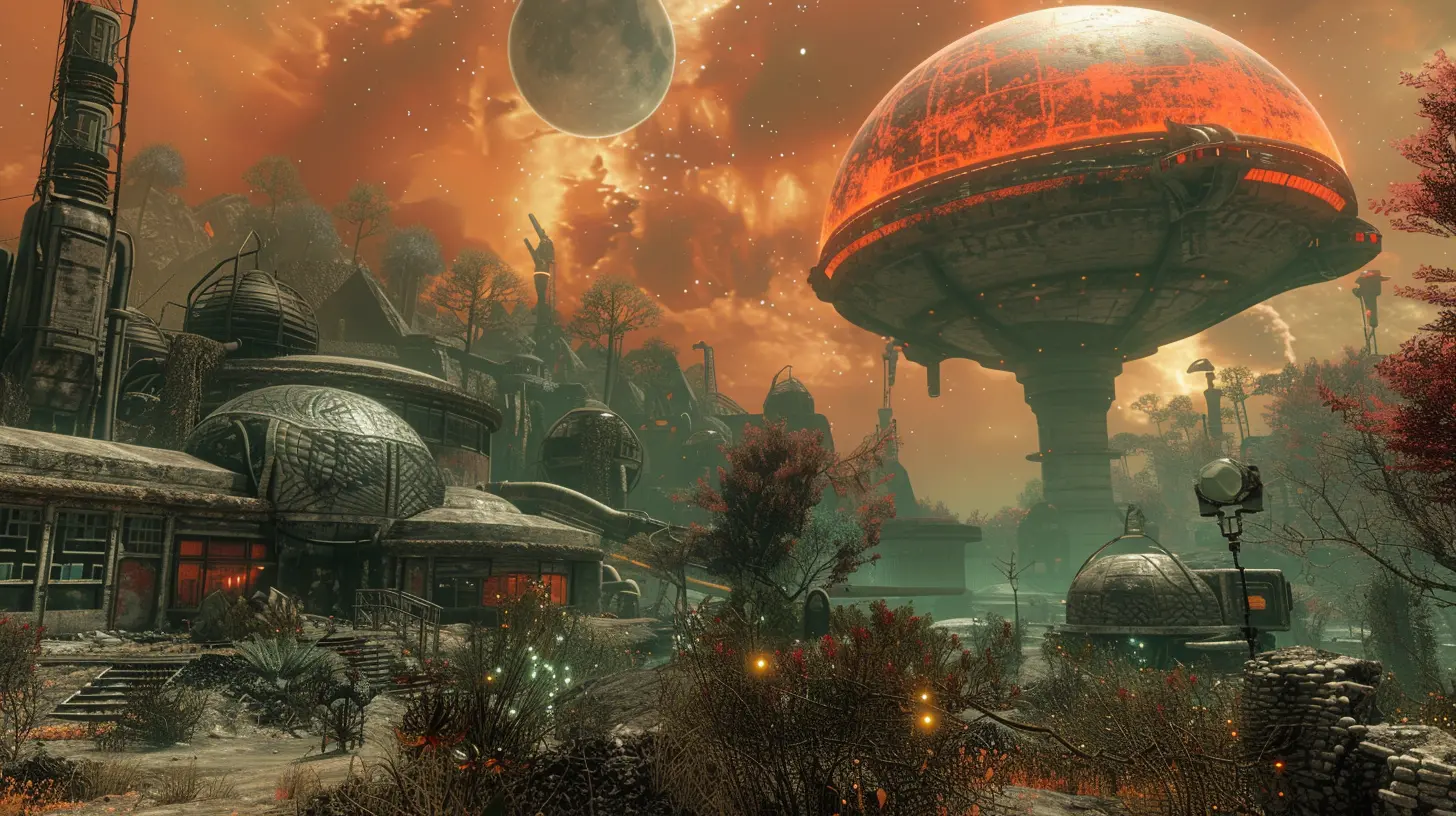
Why Alien Ecosystems Matter in Sci-Fi Games
Let’s be real—science fiction is only as captivating as the world it’s set in. You could have the most intense plot with high-tech gadgets and galaxy-spanning empires, but if the planet feels empty or generic, it just falls flat.Alien ecosystems breathe life into these digital worlds. They give players a reason to care, explore, and engage. It’s more than eye candy. It's about immersion. A living, breathing (or oozing?) ecosystem makes a game feel like you’re not just visiting a world—you’re part of it.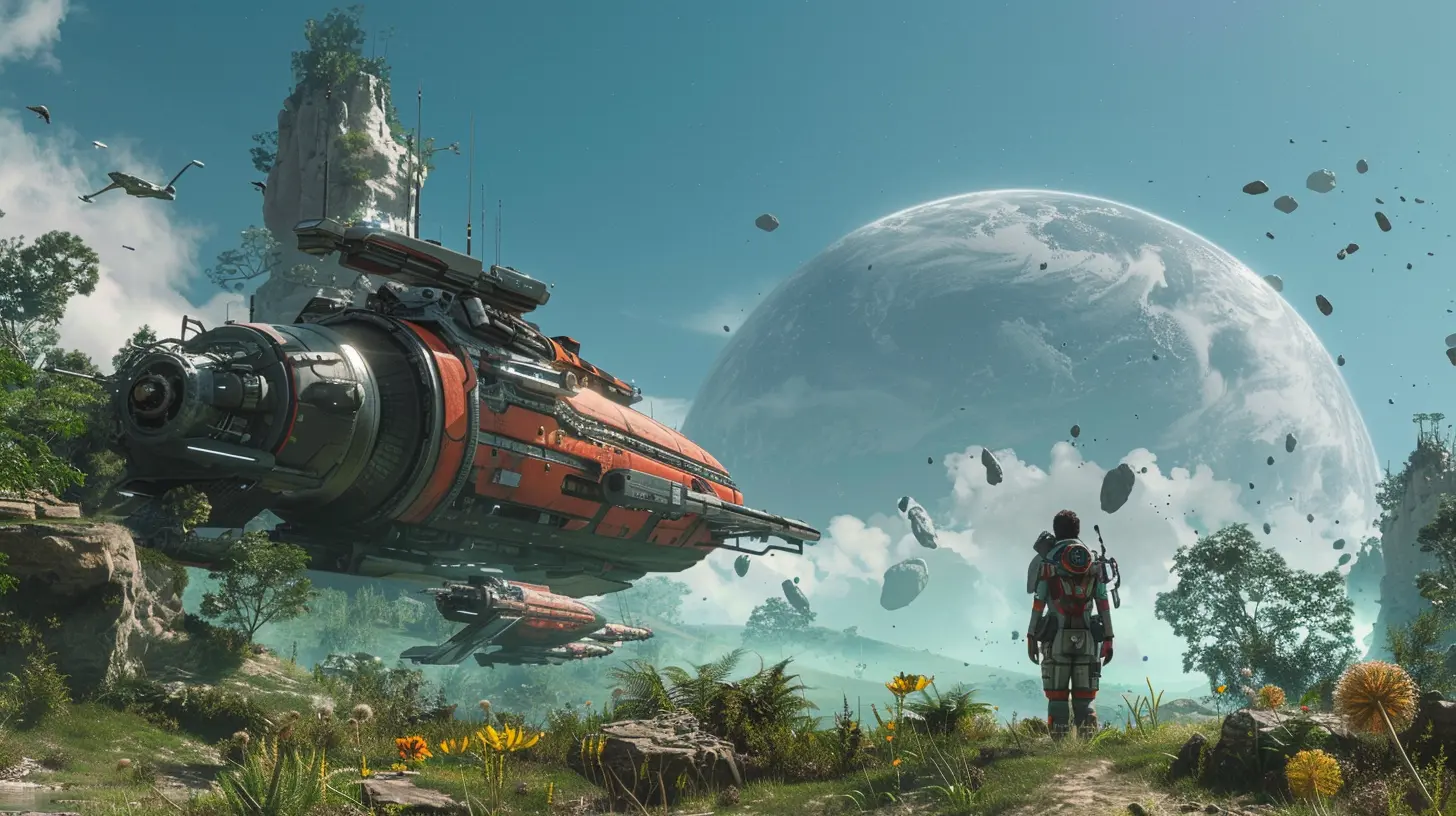
The Building Blocks of an Alien Ecosystem
So, what does it take to build an alien ecosystem in a game? It's not just throwing together a bunch of funky plants and neon animals. There’s a bit of science, a chunk of imagination, and a whole lot of trial and error.1. Climate and Terrain: The Foundation
Before anything crawls, slithers, or blooms, the environment has to exist. Think of this like setting the stage for a play. Is the world a frozen wasteland? A volcanic deathtrap? Or maybe a lush jungle with glowing rivers?The climate and terrain dictate what kind of life can exist. Desert planets might favor hardy creatures with thick shells, while a gas giant’s moon might breed floating jelly-like creatures in its clouds. When you're designing or tweaking an ecosystem, always start with the world’s "rules of nature".
2. Flora: The Primary Producers
You can’t have critters without something for them to munch on, right?Alien plants are often the first layer of life. They're your ecosystem's workhorses—absorbing alien sunlight, feeding herbivores, and even shaping the environment. These aren't just Earth plants with a purple filter slapped on. No, good sci-fi games go deep—adding bioluminescence, reactive pollen, acid sap, or symbiotic behavior.
Games like Subnautica or No Man’s Sky really shine here, with flora that feels both alien and plausible. The way the plants behave—growing, spreading, even defending themselves—adds depth to the gameplay and lore.
3. Fauna: The Game-Changers
Now comes the fun part—creatures. From harmless grazers to territorial apex predators, alien animals bring the drama.The challenge? Making them feel not human, yet understandable. Players need to read their behavior, adapt, and survive. Intelligent pathing, unique feeding habits, mating calls, and even social structures can turn basic NPCs into unforgettable encounters.
Ever got chased by a 12-legged spider-bear hybrid? Terrifying. But what if that creature only hunts when the two moons are aligned? Now you’ve got a dynamic world that doesn’t revolve around the player—it exists with its own rhythm.
4. Symbiosis and Survival: The Web
Here’s where things get juicy. A truly living ecosystem isn’t just a bunch of individual species. They’re interlinked. It’s a web of life.Predators reduce herbivores. Herbivores graze flora. Flora blooms in uninhabited areas. Remove one part, and the whole thing shifts. Players might wipe out a predator, only to see the prey overrun the planet. Or harvest too many plants and crash the food chain.
This kind of system adds layers of unintended consequences. You're not just playing the game—you’re participating in it.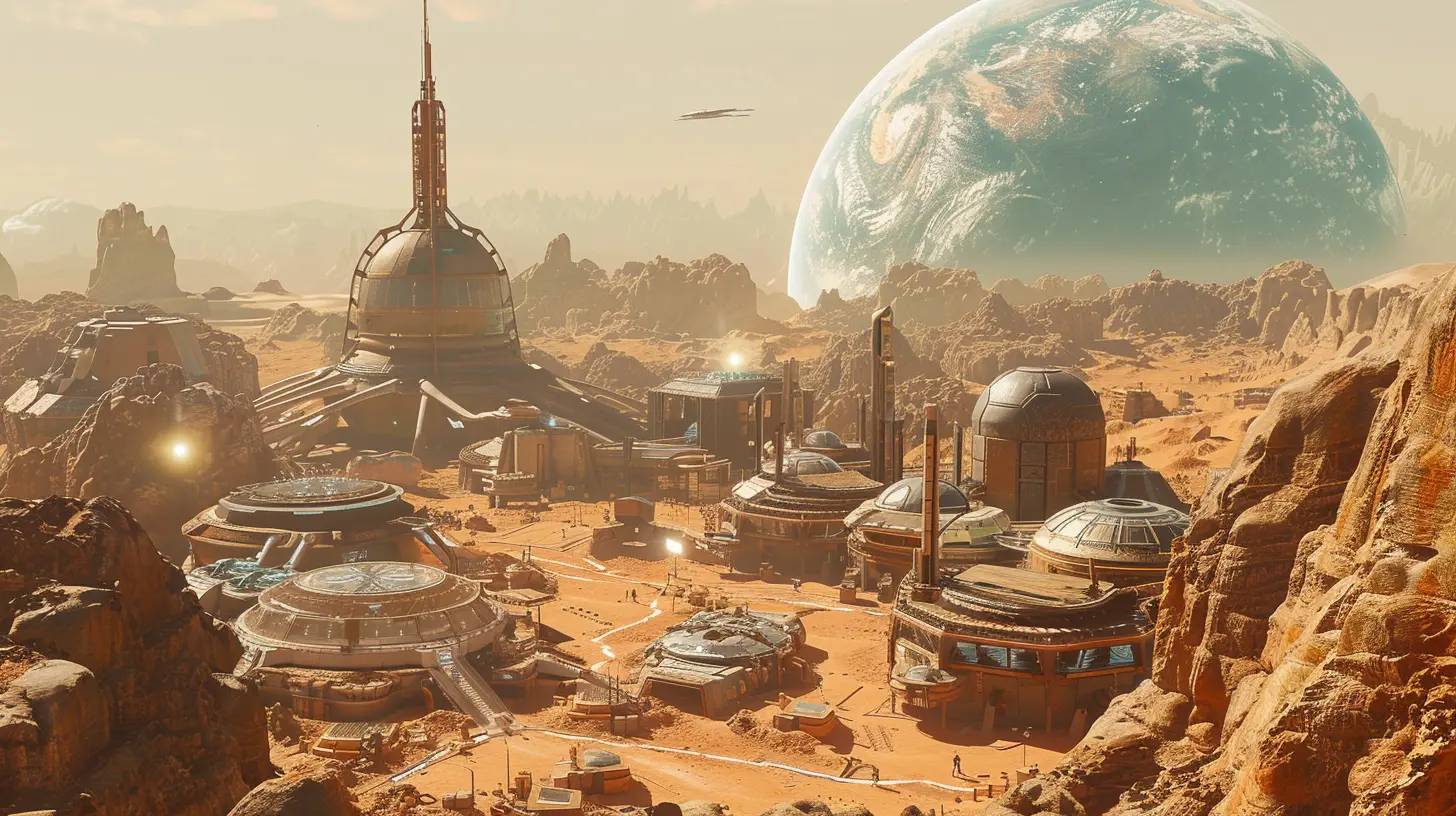
Top Sci-Fi Games That Nail Alien Ecosystem Design
Let’s shine a spotlight on some games that’ve done it really well. If you’re looking for inspiration or just want to experience this firsthand, give these a try.1. Subnautica
Holy oceans, Batman. Subnautica nails the feeling of diving into an alien sea teeming with strange life. Every biome has its own flora and fauna, and the balance between beauty and danger is pitch-perfect.From phosphorescent kelp forests to predator-filled trenches, you’re constantly reminded that you're a visitor in someone else’s world. And when you mess with the ecosystem? Oh, you feel it.
2. No Man’s Sky
What started as an infamous indie launch turned into one of the most ambitious sandbox games ever. With procedurally generated planets, No Man’s Sky creates countless alien worlds—each with unique terrain, climates, plants, and animals.Not every planet feels deep, of course, but the sheer variety gives players the chance to discover some truly weird (and beautiful) ecosystems.
3. Thrive
Not as mainstream, but Thrive is a passion project aimed at simulating the evolution of alien life from a microbes-to-space-faring-civilization perspective. You play as life itself—evolving to adapt to your environment.It’s a slower burn, but for anyone who loves the science side of sci-fi, it’s a gem.
4. The Universim
Think SimCity meets Spore. The Universim lets you manage a civilization from its primitive beginnings to galactic dominance. Along the way, you'll witness how different environments give rise to unique lifeforms—and influence how they grow.The game encourages players to think about cause and effect. What happens when you abuse the planet’s resources? Will life adapt—or collapse?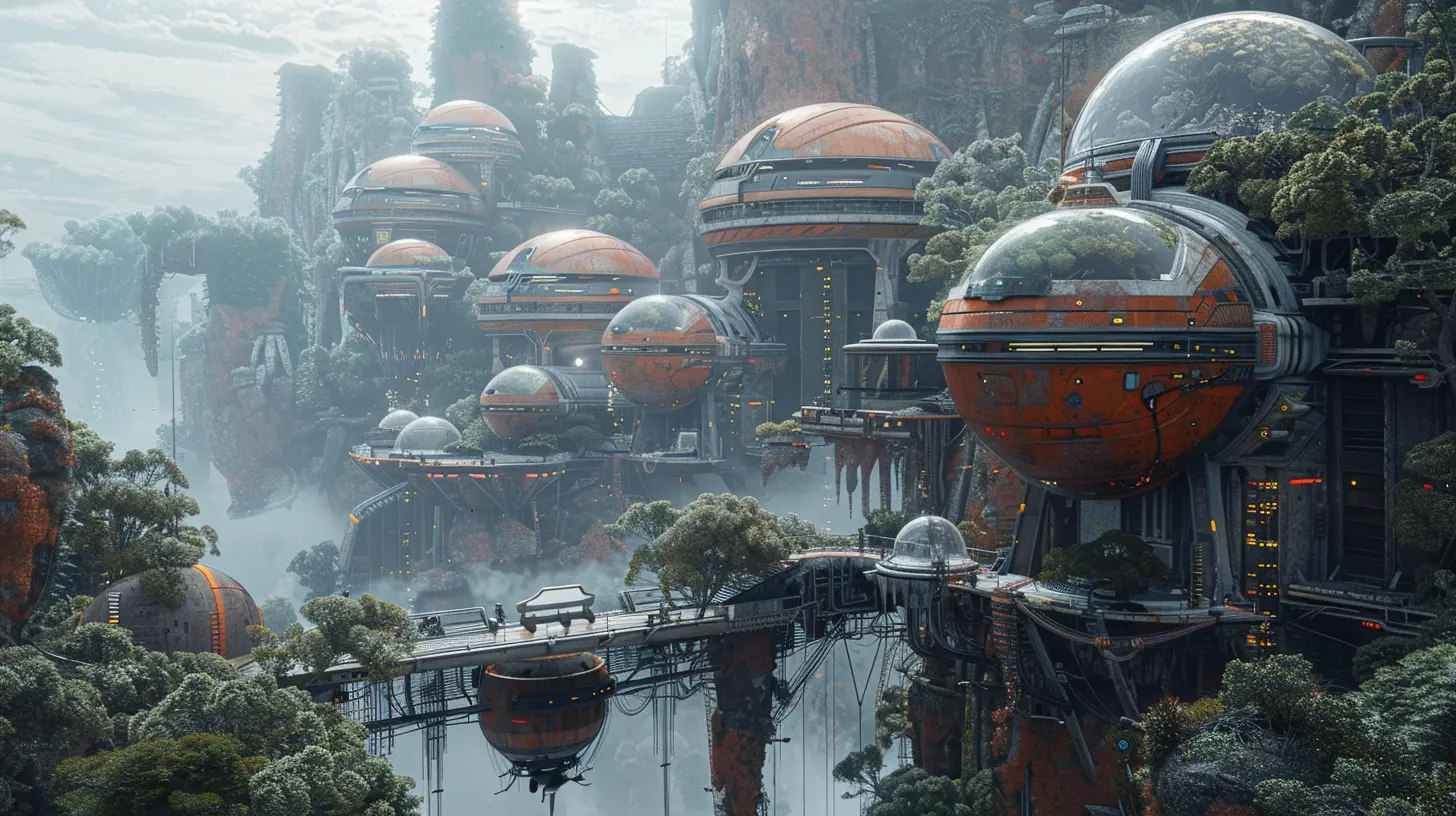
The Player’s Role: God, Gardener, or Guardian?
Now here’s where it gets real interesting. Simulation games usually give you some kind of power—whether it's godlike control or a limited, boots-on-the-ground perspective.Depending on the game, your role might be:
- ? Engineer: Designing terraforming machines and tweaking atmosphere levels.
- ? Gardener: Carefully planting and spreading species based on their survival needs.
- ?️ Guardian: Protecting endangered species or rebalancing a broken food chain.
- ? Observer: Letting nature run its course and studying the results.
The best games give you the freedom to choose—to become a benevolent caretaker or a reckless experimenter. And trust me, both can be incredibly fun (and a bit humbling).
Challenges in Creating Alien Ecosystems
It’s not all sunshine and moonflowers. Building believable alien ecosystems in games is tough—both for developers and players.1. Balancing Realism and Fun
Too realistic, and things get boring or confusing. Too gamey, and it loses that “this could really exist!” feeling. Striking that perfect balance is an art.That’s why many games take cues from Earth biology but add a twist. Think of it as nature reimagined.
2. Performance and AI Limitations
Simulating dozens—or hundreds—of species with behaviors, reactions, and lifecycles? That’s heavy. Developers often have to cut corners or simplify systems to keep the game running smooth.It’s why not every critter has a full digestive cycle (thank goodness), and why some animals might be more decorative than functional.
3. Player Impact and Ethics
Let’s be honest—giving players control over an ecosystem can lead to chaos. Some will nurture it. Others will… well… nuke it for laughs.Games have started to address this by adding consequences. Overharvesting might lead to extinction. Destroying the environment might make the planet uninhabitable. It makes players think, and maybe even care a little more.
Bringing Alien Ecosystems to Life - Tips for Players
Wanna get the most out of these games? Whether you're building from scratch or shaping what already exists, here are a few tips:- ? Observe first. Don’t rush in. Watch how species interact naturally.
- ? Think in cycles. If you introduce a species, ask where it gets food and whether it becomes food.
- ⚖️ Balance is key. More isn’t always better. Sometimes fewer species make for a richer world.
- ? Embrace unpredictability. Alien ecosystems should surprise you. That’s the fun part.
What the Future Holds
With AI, procedural generation, and more powerful hardware becoming mainstream, the future of alien ecosystem simulation is looking bright—and weird. We’re getting closer to games where ecosystems evolve on their own, where weather changes species' behaviors, and where no two worlds are alike.Imagine landing on a planet no one’s visited before, scanning lifeforms that didn’t exist an hour ago, and watching an ecosystem unfold in real-time. Sounds wild? It’s coming.
Final Thoughts
Building alien ecosystems in sci-fi simulation games isn’t just a gameplay feature—it’s a window into creativity, science, and storytelling. There’s something deeply satisfying about watching a world grow under your influence (or in spite of it). Whether you’re a hardcore science nerd, a casual builder, or someone who just loves weird alien bugs, there’s room for you in this genre.So next time you boot up your favorite game, look a little closer at that glowing fungus or the skittering creature in the shadows. There's a whole ecosystem out there—waiting for you to shape it.
all images in this post were generated using AI tools
Category:
Sci Fi GamesAuthor:

Emery Larsen
Discussion
rate this article
2 comments
Isla Bryant
Alien ecosystems bring unique gameplay experiences.
May 20, 2026 at 4:26 AM
Emery Larsen
Absolutely! Alien ecosystems can create unexpected challenges and opportunities, making gameplay truly immersive and dynamic.
Samantha Adams
This topic ignites my imagination... truly fascinating!
May 6, 2026 at 3:30 PM
Emery Larsen
I'm glad to hear that! Imagining alien ecosystems opens up so many creative possibilities. What ideas do you have in mind?