Exploring the Evolution of Sci-Fi Games Through the Decades
28 March 2026
Let’s face it – we’ve all dreamed of blasting aliens, time-traveling with cool gadgets, or piloting a sleek starship through distant galaxies. And thanks to sci-fi games, we kinda can! But have you ever stopped mid-laser battle and thought, “How did we get here?” Not like, emotionally. I mean, video games!
Strap in, grab your digital jetpack, and buckle up for a blast through time as we travel across the decades to see how sci-fi games have leveled up (pun totally intended). From pixelated space odysseys to galaxy-sized open-world epics, sci-fi gaming has come a loooong way.
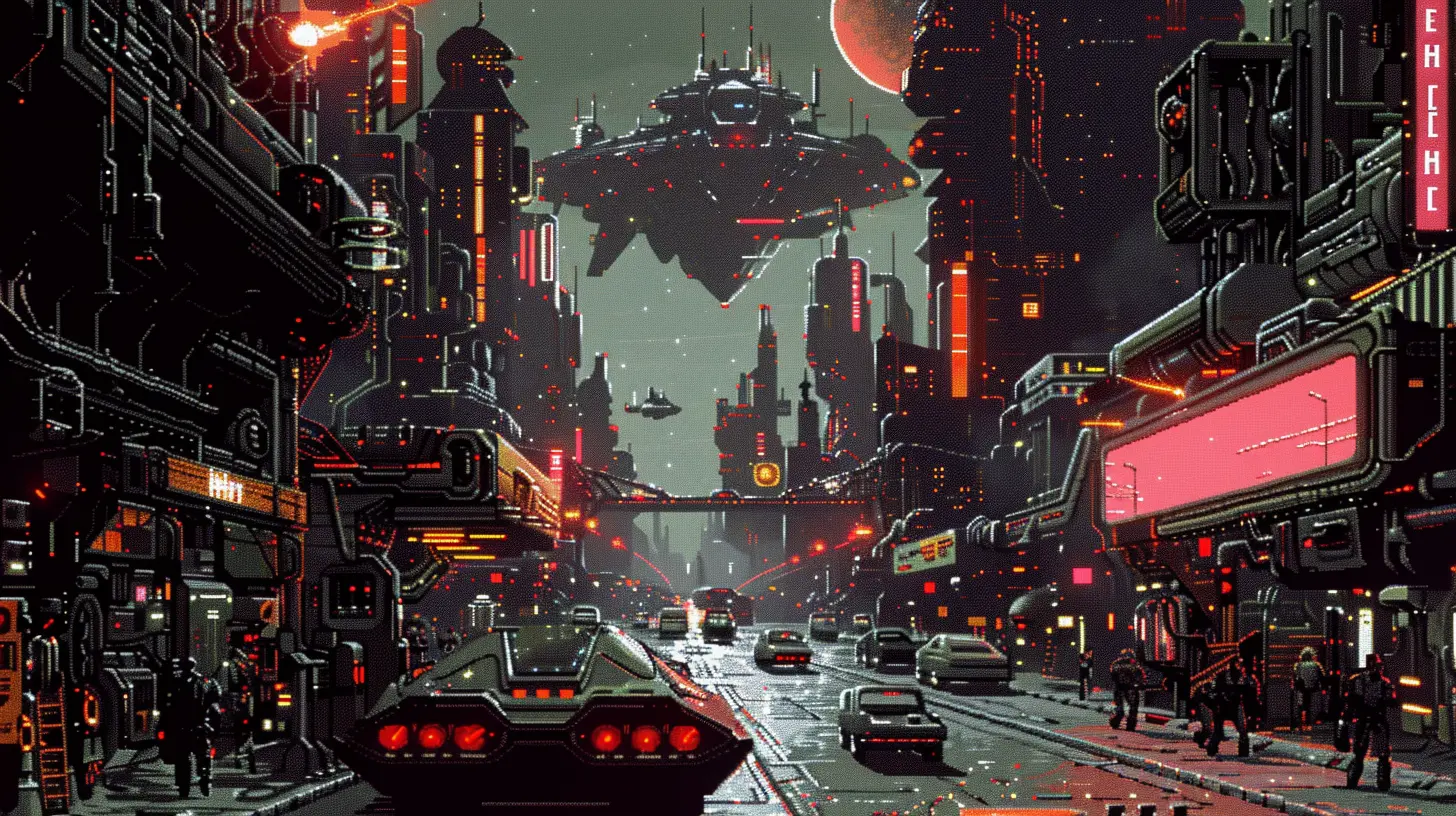
The 1970s: The Dawn of Coding Cowboys and Space Invaders
Back when bell-bottoms were in and disco ruled the airwaves, our version of science fiction in gaming was simple – but revolutionary.👾 Enter the Alien: Space Invaders (1978)
This legendary cabinet arcade game basically started it all. “Space Invaders” was the OG space battle. It didn’t have much in terms of story, but man, it was addictive! The creepy descending aliens, the pew-pew sound effects, and that ever-increasing speed? It had an entire generation hooked (and probably a bunch of sore wrists from button mashing).🌌 The Galactic Blueprint Begins
Sci-fi back then was more about imagination than high-fidelity graphics. Think blinking pixels over deep character arcs. But you gotta respect the ambition – these games set the tone for decades of space-themed storytelling to come.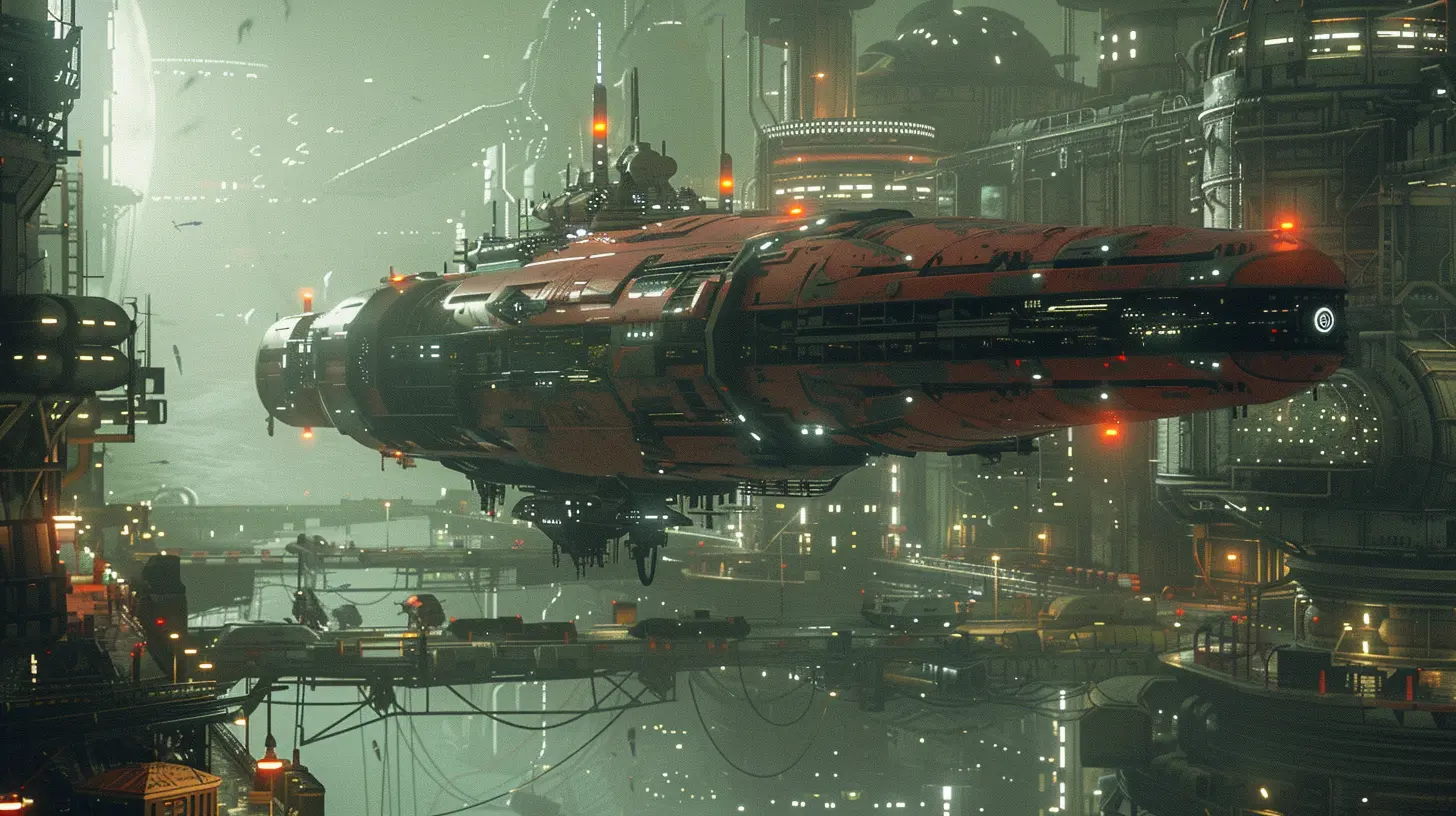
The 1980s: Beam Me Up, Gameplay!
Welcome to the neon decade. Mullets, synth music, and yes – the explosion of home consoles. Sci-fi started getting bolder, weirder, and a whole lot more colorful.🛸 Enter the Atari Age
Games like "Asteroids" (1979) and "Defender" (1981) became interstellar staples. You were no longer just shooting aliens – now you were navigating asteroid fields and rescuing humans from alien abductors. Very heroic stuff!🔍 The Rise of Text-Based Adventures
Can’t forget the early PC days. Titles like Zork and Planetfall let your imagination run wild. No graphics, just walls of text. Reading was your weapon. These games were like “Choose Your Own Adventure” meets Star Trek. And hey, imagination is the best CGI, right?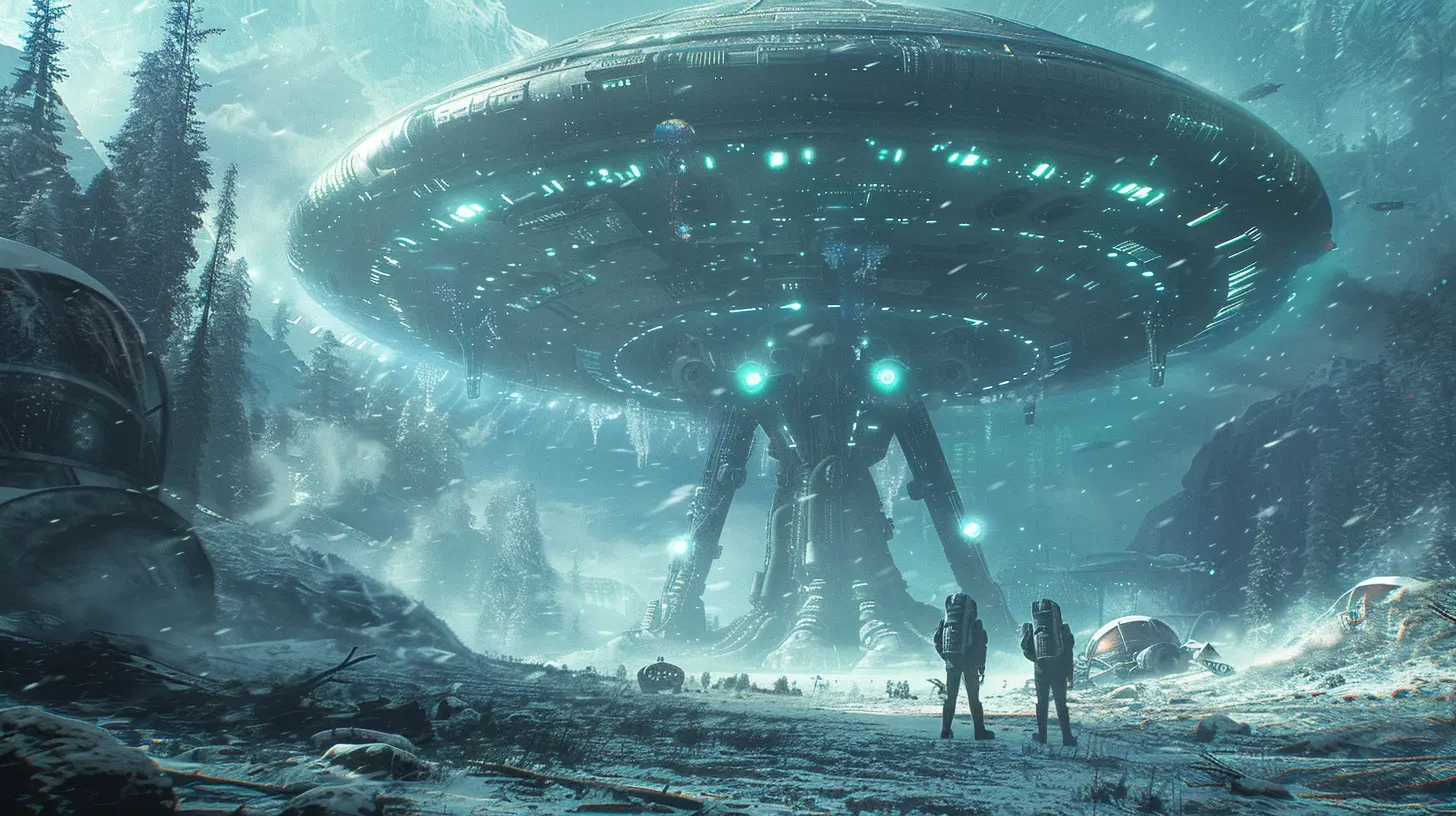
The 1990s: The Golden Age of Sci-Fi Storytelling
Now we’re talking! The 90s brought real narratives, deeper worlds, and the rise of 3D graphics. Sci-fi games began telling actual stories with characters, conflicts, and plot twists that would make Asimov proud.💾 The CD-ROM Revolution
Game devs suddenly had access to more space (and no, not just the interstellar kind). This meant full-motion video, voice acting, and actual cutscenes. Cue dramatic music!🧠 System Shock (1994)
This sci-fi horror thriller gave us one of the first truly immersive cyberpunk experiences. AI gone rogue? Check. Creepy abandoned space station? Check. Existential dread? Oh, definitely.🤖 StarCraft (1998)
Blizzard’s RTS masterpiece brought space politics and epic alien warfare into our living rooms. If you weren’t obsessively choosing between Zerg, Terran, or Protoss, were you even gaming?🎮 Console Coolness
The PlayStation and Nintendo 64 gave us gems like Perfect Dark and Metroid Prime. Suddenly, sci-fi was sleek, cinematic, and packed with attitude.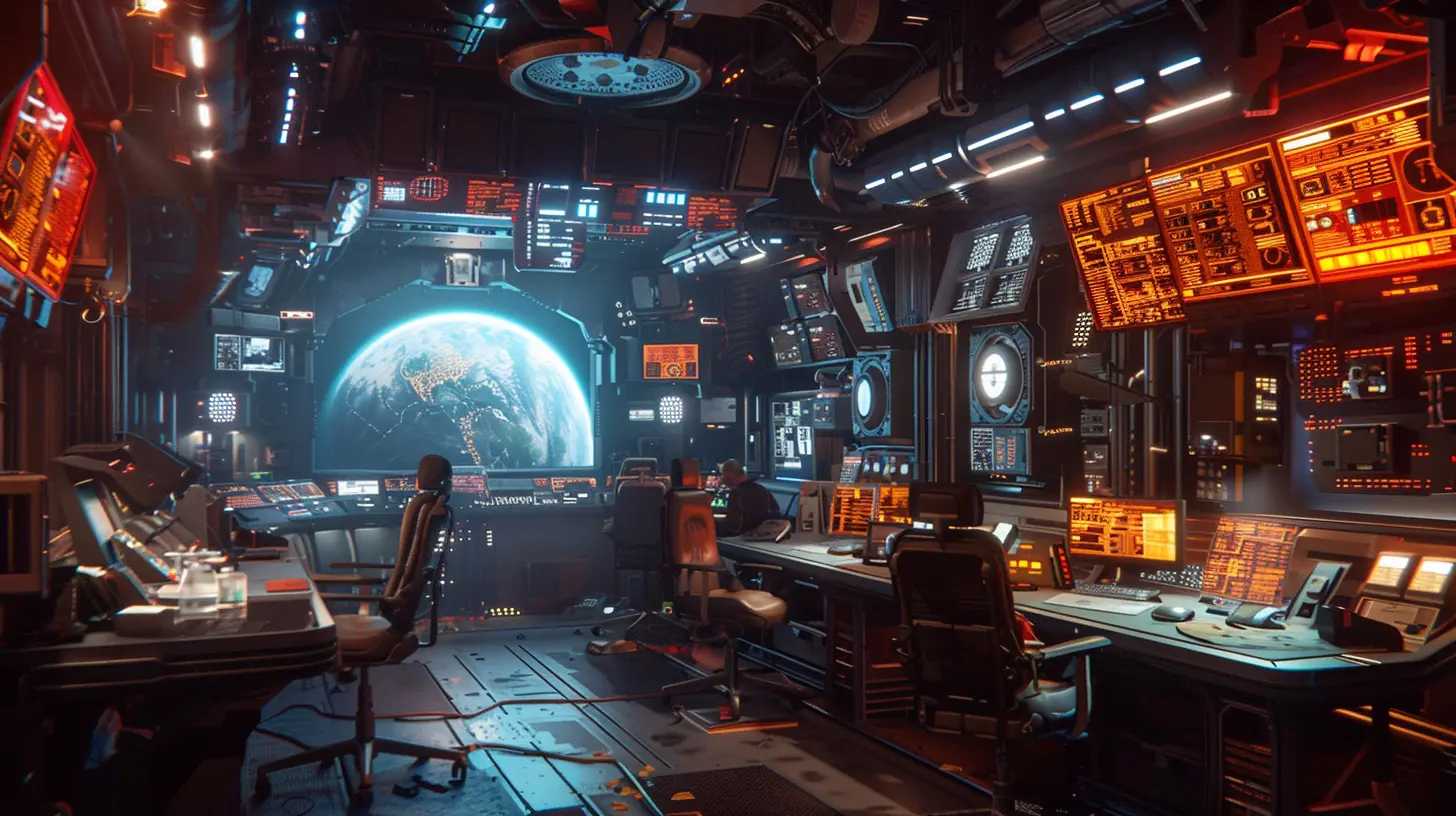
The 2000s: Enter the Space Operas
Now things start getting turbocharged.🌌 Mass Effect Changes the Game (Literally)
In 2007, Mass Effect dropped and left our nerdy jaws on the floor. This wasn’t just another space shooter. It was a customizable, story-driven, space opera where your choices actually mattered. Plus, it had one of the smoothest-talking protagonists to ever pilot a starship – Commander Shepard, we salute you.BioWare’s magnum opus turned sci-fi gaming into an emotional rollercoaster. Friendships, betrayals, moral dilemmas, and alien romances (don’t act like you didn’t try).
🛠️ Halo Says "Hold My Plasma Rifle"
If you were an Xbox kid in the 2000s, Halo was your religion. Master Chief became something of a pop-culture superhero. Beyond the awesome gameplay, it built a rich lore that rivaled hardcore sci-fi novels.🧪 Deus Ex: The Cyberpunk Dream
Deus Ex (2000) was a gritty, dystopian vision of the future with hacking, cybernetics, and conspiracy theories that felt way too real. It wasn’t just cool sci-fi – it made you think... and question literally everything.The 2010s: The Open World Explosion
As tech improved, sci-fi games got bigger, bolder, and more beautiful. We said goodbye to corridors and hello to vast, open galaxies.🌍 No Man’s Sky (2016): Infinite (Almost) Possibilities
After a rocky launch, No Man’s Sky pulled a 180 and became a sci-fi sandbox dream. Procedurally generated planets, alien creatures, base-building... this was the kind of game you could lose hundreds of hours in and still not see it all.🔫 Destiny: MMO Meets Sci-Fi
Bungie gave us a crossover between sci-fi and MMO-lite mechanics. With its rich lore, world events, space magic, and killer raids (thanks RNG gods!), Destiny became its own phenomenon.🧬 Sci-Fi Gets Human
Games like Detroit: Become Human tackled sci-fi with a more personal focus. AI ethics, emotional storytelling, and beautifully rendered future cities made us think – what does it really mean to be human?
The 2020s and Beyond: The Future is Now
We're barely into the decade, and wow, sci-fi games are already leveling up like crazy.🤖 Cyberpunk 2077 (with a few patches... okay, a lot)
It may have launched messier than a space station airlock during a hull breach, but Cyberpunk 2077 shows what the genre is all about. Neon-soaked cities, cybernetic implants, branching narratives, and Keanu Reeves. (Seriously. Keanu!).🌠 Starfield: Bethesda’s Space-Filled Sandbox
After years of waiting, Starfield aims to take the Skyrim formula to the stars. Imagine jaw-dropping firefights, shipbuilding, and exploring 1,000 planets. If it lives up to even half the hype, this could be the sci-fi game of the decade.🧪 Indie Innovation
Let’s not forget the little guys. Indie titles like Outer Wilds and Return of the Obra Dinn bring fresh, thought-provoking spins on sci-fi that major studios often miss. Sometimes, a small ship and a big idea are all you need.What's Next in Sci-Fi Gaming?
We’ve gone from 8-bit blinking blips to fully rendered star empires. So what’s next?- Virtual reality will probably go mainstream. VR lightsaber battles? Sign me up.
- AI-driven narratives might adapt to how you play. Imagine a game that writes itself around your choices.
- Cloud gaming could make high-end sci-fi worlds accessible to anyone with a screen and Wi-Fi connection.
Basically, we’re living in the future we used to play about. Cool, right?
Final Thoughts: From Pixels to Planets
Sci-fi games aren’t just about robots and warp speeds. They’re about asking the big questions: What if? What’s out there? Who are we? And sometimes, they’re just about blowing up space zombies with a laser shotgun – which is also valid.The evolution of sci-fi games is a reminder that imagination has no limits. Decade by decade, developers have dared to dream bigger, push boundaries, and transport us all to strange new worlds. And guess what? We're just getting started.
So next time you boot up a sci-fi game, take a moment to appreciate how far we’ve come—from clunky pixels to cinematic masterpieces.
Now if you’ll excuse me, I’ve got a galaxy to save.
all images in this post were generated using AI tools
Category:
Sci Fi GamesAuthor:

Emery Larsen
Discussion
rate this article
2 comments
Mallory McMurtry
This article beautifully captures the journey of sci-fi games, showcasing how they’ve evolved. It’s a nostalgic reminder of the imaginative worlds that shaped our gaming experiences. Thank you!
April 7, 2026 at 2:30 AM
Emery Larsen
Thank you for your kind words! I'm glad the article resonated with you and brought back those nostalgic memories.
Callie Abbott
This article brilliantly illuminates the trajectory of sci-fi games, highlighting how technological advancements and cultural shifts have shaped storytelling and mechanics. However, it could benefit from a deeper analysis of how indie developers have revolutionized the genre in recent years.
March 31, 2026 at 2:50 PM
Emery Larsen
Thank you for your feedback! I appreciate your insight and will definitely consider expanding on the impact of indie developers in future discussions.