First Impressions That Matter in Game Demos
26 July 2026
Let’s be real for a second—first impressions aren't just a big deal in real life, they’re just as crucial in video games. Especially when it comes to game demos, those bite-sized previews that either hook you instantly or make you hit uninstall faster than a rage-quit. Whether you’re a developer hoping to show off your hard work or a gamer curious about what’s worth your time, game demos can set the tone for everything that follows.
Let’s dive into why first impressions in game demos matter so much, how they influence player expectations, and what separates a "meh" test run from a "shut up and take my money" experience.
Why Game Demos Make or Break Player Interest
Think about the last game demo you played. What grabbed you? Was it the visual style? The tight controls? That thrilling soundtrack that hit just right?A demo isn't just a sneak peek—it's the elevator pitch of the gaming world. It’s like a movie trailer, but interactive. Developers have precious few minutes to wow players, and in a sea of gaming options, one bland moment can send someone packing.
In today’s gaming landscape, attention spans are short, and competition is brutal. With thousands of games releasing every year, your demo doesn’t just need to be good—it needs to burn itself into a player’s memory.
The Psychology Behind First Impressions in Gaming
Humans are naturally wired to form opinions quickly. Within seconds of starting a demo, players start building an internal checklist:- Do the controls feel responsive?
- Is the environment interesting?
- Does the game respect my time?
- Am I smiling right now?
When a game demo nails even a few of these, it triggers that “one more go” feeling. But if it stumbles right out of the gate—awkward menus, laggy performance, clunky dialogue—you’ve lost them. It’s harsh but true: players judge hard and early.
What Makes a Stellar Game Demo?
Let’s talk ingredients. A great game demo doesn’t try to be everything; it knows exactly what it wants to showcase. Here’s what separates the legends from the letdowns.1. A Strong Opening Hook
If your demo takes five minutes to get interesting, it’s already too late. You need to kick things off with something that immediately grabs attention—be it a jaw-dropping cutscene, an epic boss fight, or a wild mechanic that screams this is different.The first few minutes should give players a taste they can’t forget. Think of it like a rollercoaster: no one wants a boring, slow climb—they want the drop.
2. Instant Gameplay Feedback
Good demos make you feel powerful or clever quickly. Whether it’s a double-jump that just feels right or a puzzle that makes you feel like a genius, players need that dopamine burst.If your controls feel sluggish or unclear, that sense of satisfaction vanishes. Players want to experiment, fail a little, succeed a lot, and keep moving.
3. A Clear Preview of Core Mechanics
Don’t hold back. Your demo should show off exactly what makes your game tick.- If it’s a fast-paced shooter, let them shoot things right away.
- If it’s a narrative adventure, drop them in the middle of an emotional moment.
- If it’s a survival crafting game, let them build something awesome in ten minutes.
You’re not spoiling the game—you’re selling it.
4. No Overwhelming Tutorials
Nothing kills immersion like a wall of tutorials. Demos should teach through play, not through pop-up boxes or instruction manuals.Let players figure things out organically. If they’re stuck, guide them subtly. Don’t treat them like they’ve never picked up a controller before (even if they haven’t).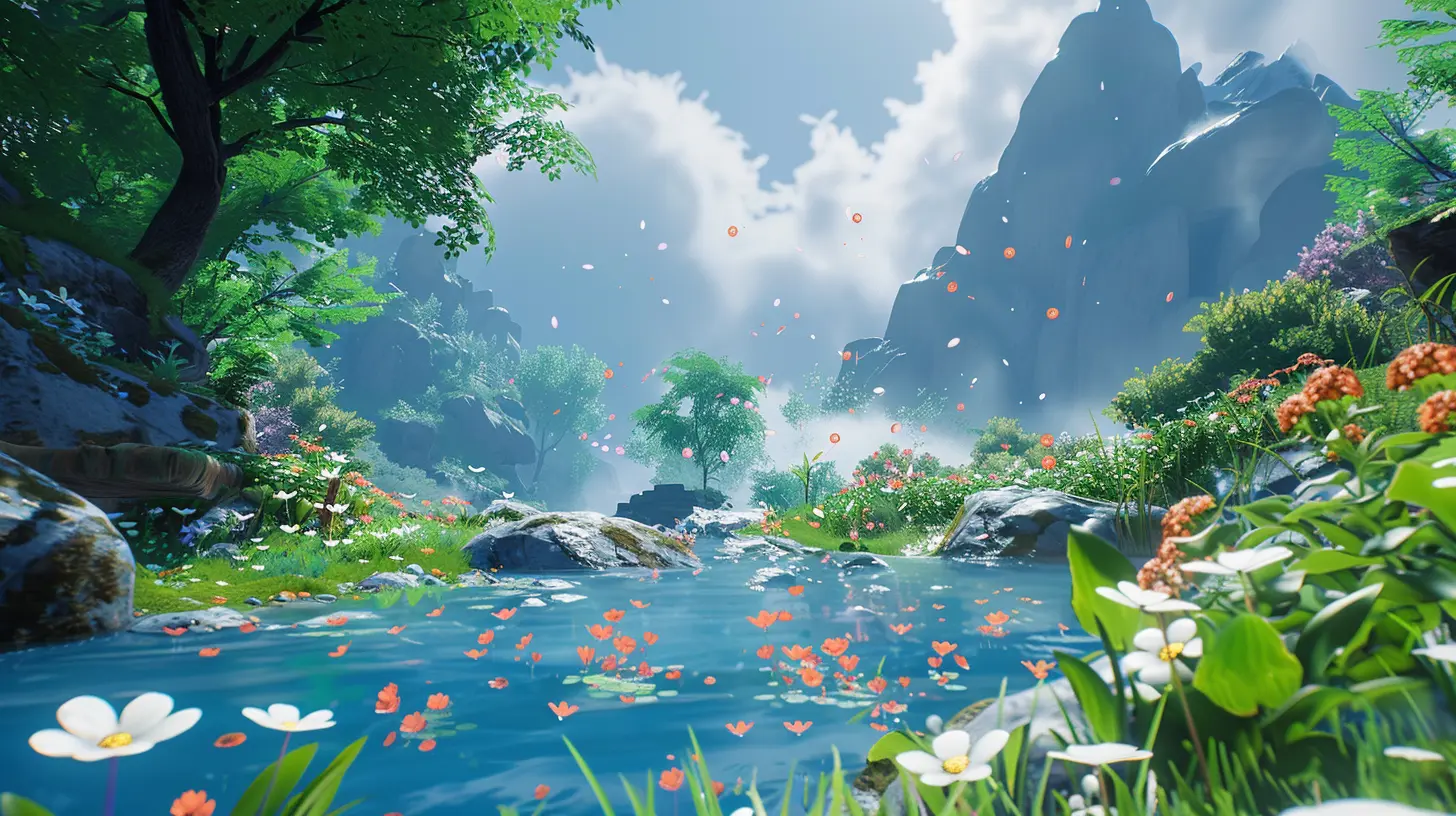
Common Game Demo Mistakes (And How to Avoid Them)
Even good games can falter in demo form. Here are some demo sins that developers should steer far, far away from.1. Too Much, Too Soon
A demo isn’t a full game. Overloading players with features or mechanics can make the experience feel bloated and confusing. Focus on the essentials. Leave them wanting more, not asking, “Wait, what just happened?”2. Poor Optimization
If your demo lags or crashes, it doesn’t matter how brilliant your game is. Performance issues during a demo = instant uninstall. Make sure it runs smooth, even on mid-range systems.3. Lack of Polish
Yes, we know demos are early builds, but players don’t care. They still expect something that looks and feels finished. Untextured assets, placeholder audio, or broken UI? That’s a dealbreaker.4. Vague Endings
Too many demos just... end. No message, no tease, no thank you. Give players a reason to look forward to what’s next. Drop a hint, offer a preorder bonus, or just say thanks for playing. Leave on a high note.Emotional Connection Is Everything
You know what really lingers after a demo? Feelings.- The sense of discovery you got from that eerie forest level.
- The adrenaline rush when a boss showed up out of nowhere.
- That little smirk when a side character cracked a clever joke.
These moments matter more than raw stats or features. Games are emotional experiences, and a great demo creates a memory. It doesn’t just show—it makes players feel something.
Examples of Demos That Nailed It
Let’s look at a few game demos that absolutely crushed their first impressions.1. Resident Evil 2 Remake – “1-Shot” Demo
Capcom’s limited-time demo dropped players into a scary, tension-filled situation and gave them 30 minutes to survive. Every second was packed with suspense, showing off the game’s mechanics and atmosphere perfectly. Players begged for more—and sales went through the roof.2. Hades – Early Access Demo
Before it became an indie darling, Supergiant Games put out an early gameplay demo for Hades. What stood out? Clean art direction, buttery-smooth combat, and a loop that practically whispered, “just one more run.” It turned heads, won hearts, and created die-hard fans.3. Final Fantasy VII Remake Demo
This one was pure nostalgia meets next-gen flair. From cloud’s iconic intro to the reactive combat system, Square Enix made sure the demo wasn’t just good—it was unforgettable.All these demos had something in common: they put their best foot forward, respected the player’s time, and told a powerful mini-story in a short span.
The Player’s Perspective: What We Crave in a Demo
Let’s flip the script for a sec. From a gamer’s point of view, what really makes a demo stand out?- Time well spent: Nobody wants to waste 20 minutes before the game gets good.
- A sense of direction: We want to know what the game’s about, fast.
- A slice of the real deal: Don’t bait and switch—give us a taste of the actual gameplay experience.
- Respect our curiosity: Let us explore. Try things. Break stuff. Don’t hold our hand too tightly.
We’re not just looking for a demo; we’re looking for a connection. Show us why your game deserves a spot on our wishlist.
Developers, Listen Up: Crafting That Perfect First Impression
If you're making a game demo, here’s some advice from one gamer to another:- Cut the fluff.
- Make the first five minutes count.
- Polish what you have, even if it’s small.
- Give players a moment to feel awesome.
- Always end with an invitation or tease.
Remember, a demo is a promise. You’re saying, “This is what our game can be.” And if that promise hits home? Well, you won’t just earn downloads—you’ll earn fans.
Wrapping It Up: Demos Are More Than Just a Preview
Game demos used to be a nice extra. Today, they’re essential. They’re the handshake, the pitch, the audition tape, and the love letter all rolled into one. When done right, they attract hype, word of mouth, and loyal players.But when done wrong? It’s like a band flubbing their first live show—no encore, no second chance.
So whether you’re playing or creating, pay attention to first impressions. Because in games, just like in life, they matter more than we often realize.
all images in this post were generated using AI tools
Category:
Game DemosAuthor:

Emery Larsen
Discussion
rate this article
1 comments
Lys Cruz
First impressions are crucial in game demos. A captivating start can draw players in and set the tone for the experience.
July 26, 2026 at 5:16 AM