Game Demos That Completely Changed Player Expectations
5 August 2026
Let’s take a moment to talk about something most gamers don’t give enough credit to — game demos. You know, those little slices of gameplay that let us peek inside the world of a game before the full release. For many of us, game demos were our first taste of gaming magic, sometimes even better than the final product (sadly). But once in a while, a demo doesn’t just tease — it revolutionizes what we expect from games altogether.
Some demos are more than just glorified trailers. They flip the script, turn heads, and leave us counting down the days until launch — sometimes even years later. Today, we’re diving into the most iconic, genre-busting, expectation-redefining game demos ever dropped — the kind that made players go, “Wait, what did I just play?!”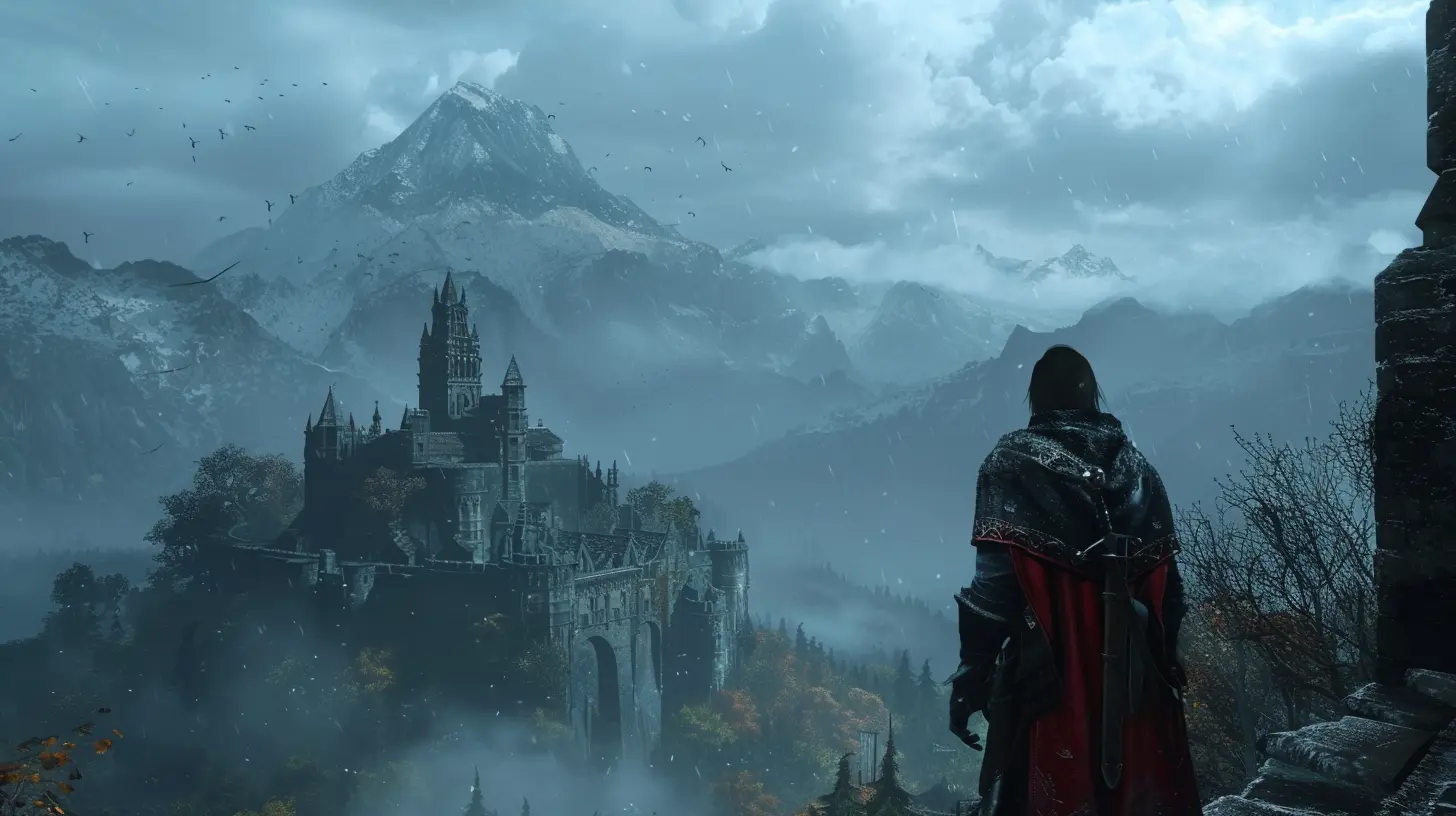
What is a Game Demo, Really?
Before we jump into the juicy stuff, let’s clear up what a game demo actually is. It’s more than just a shortened version of a full game. It’s a statement. A promise. A challenge.Think of a demo like a trailer for a movie, but interactive. A few minutes of hands-on time that sets the tone, shows off the mechanics, and teases the narrative. But when done right, it can also act like a crystal ball, giving players a glimpse into how gaming will evolve. And oh boy, some developers have used that power to wild effect.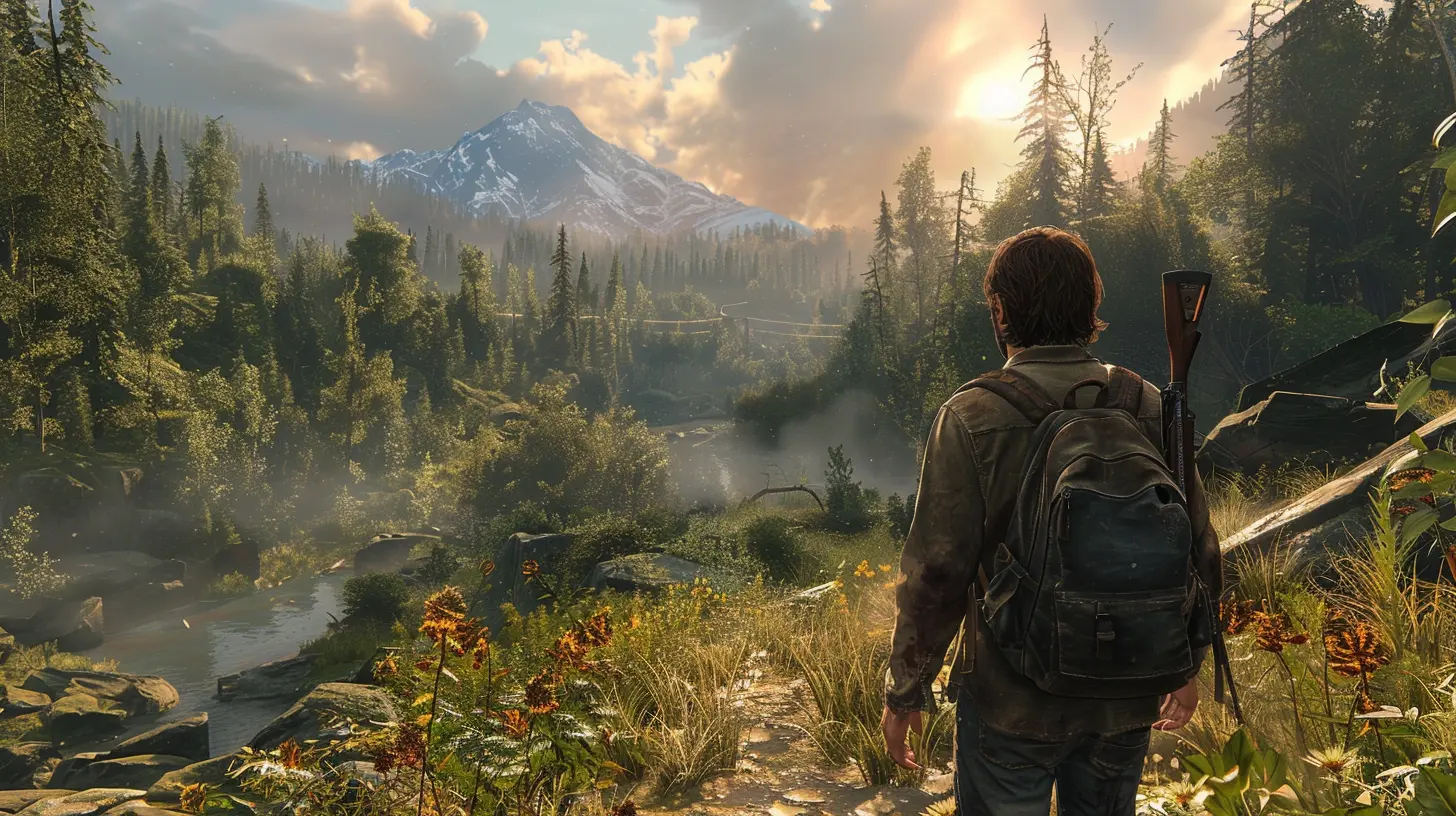
1. P.T. (Playable Teaser) – Silent Hills That Never Was
We can’t talk about game demos without paying homage to the twisted masterpiece that is P.T. When this enigmatic demo hit the PlayStation Store in 2014, no one had a clue what it was. Just a mysterious downloadable title by a made-up studio called 7780s Studio. Sounds sketchy, right? But what followed was one of the most terrifying, mind-bending experiences ever to land on a console.Why it Blew Our Minds
P.T. wasn’t traditional horror. It was psychological. You explore a single looping hallway over and over, and every time, something changes — subtly at first, then dramatically. Its photorealistic visuals, immersive sound design, and heart-palpitating jumpscares left players on the edge. And the twist? It was actually a secret demo for a rebooted Silent Hills game led by Hideo Kojima and Guillermo del Toro.P.T. raised the bar not just for horror, but for what demos could do. It showed players that a few minutes of gameplay could be more powerful and emotionally jarring than some full-length triple-A titles.
Lasting Impact:
- Set a new standard for horror games.- Influenced dozens of indie and AAA horror titles.
- Created a cult following despite being just a “demo”.

2. Final Fantasy VII Remake Demo – Nostalgia Meets Modern Mastery
When Square Enix dropped the demo for Final Fantasy VII Remake in early 2020, fans were skeptical. How do you modernize a game that’s etched into the DNA of gaming itself? Well, they answered that with bombast.Expectations vs. Reality
The demo featured the iconic bombing mission from the original — a brilliant choice for longtime fans. But instead of just upscaling the graphics, they rebuilt everything. Real-time combat, deeper character interactions, stunning cinematics — it was like seeing an old friend, but cooler, sharper, and more charismatic than ever.This demo shifted expectations not just for remakes, but for how deeply a game could respect its roots while fearlessly reinventing itself.
Players Took Away:
- Classic doesn’t mean outdated.- Remakes can be more than visual upgrades.
- Emotional nostalgia hits harder with modern tech.
3. Metal Gear Solid 2: Sons of Liberty – The Ultimate Bait-and-Switch
Ah, the early 2000s. We were all hyped beyond belief thanks to the Metal Gear Solid 2 demo that came bundled with Zone of the Enders. That tanker mission? Absolute gold. Stealth mechanics, dynamic environments, enemy AI that actually reacted. For its time, it was Wizard-of-Oz-level stuff.Kojima’s Masterstroke
But here’s where it gets controversial. The demo let us play as Solid Snake. But when the full game launched? Surprise! We spent most of it playing as Raiden, a new character no one saw coming. Fans were shocked, even outraged. But looking back? Genius.It completely changed expectations of narrative in games — that developers could play with perspective, subvert assumptions, and tell deeper, more layered stories.
Long-Term Effects:
- Narrative subversion became more accepted.- Cutscene quality and cinematic storytelling took a leap.
- Proved that demos can be part of the story puzzle.
4. Resident Evil 7: Beginning Hour – Horror Redefined Again
Capcom went back to the drawing board with Resident Evil 7. Gone were the over-the-top action set pieces of RE5 and RE6. Instead, “Beginning Hour” dropped players into a first-person nightmare that felt like something out of Texas Chainsaw Massacre.Intimate Horror, Big Impact
The demo didn’t even feature the main character. But that didn’t matter. It was a bold new direction: atmospheric, disturbing, and incredibly immersive. No combat, just raw tension and terrifying clues. It was horror in its purest form.Gamers took one look at this and knew Resident Evil was back — just not in the way anyone expected.
Why It Mattered:
- Marked the franchise’s gritty reboot.- Set the stage for first-person horror.
- Created hype through mystery and hidden clues.
5. Braid – The Indie Demo That Changed Everything
Not every game-changer is a AAA blockbuster. Enter Braid — an unassuming indie puzzler that first appeared as a demo on Xbox Live Arcade in 2008. With its oil-paint visuals and soothing music, it looked like just another platformer. Then you reversed time… and everything changed.A New Way to Think
Braid asked players to think — not just about puzzles, but about cause and effect, control, and consequence. It was smart, deep, and emotionally resonant. It showed that indie games could push boundaries in ways the big studios weren’t even considering.And it all started with a demo that felt more like a short film than a video game.
The Ripple Effect:
- Boosted the indie game revolution.- Proved that less could be more.
- Personalized, emotional storytelling became a thing.
6. DOOM (2016) – The Shotgun Heard Round the World
When DOOM’s demo dropped during E3 2016, nobody expected it to be that good. After all, the original series was ancient, and DOOM 3 had veered too far into survival horror. But this demo? It was like someone handed you a chainsaw and dared you to smile.Pure, Unfiltered Chaos
Fast, brutal, fluid — the DOOM demo brought back the speed and ridiculous violence that made the original games famous. But it added modern polish and rhythm. It was a masterclass in combat design, and players gobbled it up.This demo reminded devs and fans alike: fun matters. And sometimes, all you need is a double-barreled shotgun and a heavy metal soundtrack.
Raised the Bar On:
- Gamefeel and player feedback.- Combat pacing.
- Nostalgia-fueled modern reboots.
7. The Matrix Awakens – Unreal Engine 5’s Mic-Drop Moment
Okay, this one’s a little different — more tech demo than traditional game — but it deserves a spot on this list. When Epic Games and partners released The Matrix Awakens for PS5 and Xbox Series X/S, it wasn’t just a visual showcase. It was a crystal-clear glimpse at gaming’s jaw-dropping future.Too Real to Be Real
Hyper-detailed environments, lifelike faces, physics-based movement — it felt like stepping into a movie. But it wasn’t pre-rendered. It was real-time. People were stunned. Cities looked alive, lighting was dynamic, and it felt next-gen in every sense.Suddenly, gamers expected more — not just better graphics but smarter worlds, immersive environments, and realism that didn’t come at the cost of gameplay.
The Takeaways:
- Graphics expectations hit a new ceiling.- Raised awareness of Unreal Engine 5’s massive potential.
- Gamers started demanding next-gen games to feel next-gen too.
8. Titanfall 2 Tech Test – The Underdog That Overperformed
Titanfall 2 forever lives in the shadow of its poor release window (sandwiched between Battlefield and Call of Duty), but its multiplayer tech test? Pure gold. Unlike most beta-style demos, this one felt like the final product.Fast. Fluid. Addictive.
Wall-running, grappling hooks, giant mechs — it was kinetic chaos in the best way. And it felt polished. The controls were buttery smooth, the gunplay was tight, and the parkour mechanics? Chef’s kiss.Even though the final game came and went too quickly, this demo proved FPS games could still innovate, and that Respawn was a studio to watch.
Why It Changed Things:
- Showed that movement mechanics could redefine shooters.- Gave players a taste of complex-yet-accessible gameplay.
- Raised expectations for multiplayer betas to be full-featured.
Wrapping It Up: Demos Are More Than Just Previews
Let’s be real — demos don’t get nearly the love they deserve. They’re the unsung heroes of game development. At their best, they’re not just sneak peeks; they’re bold statements, genre evolutions, and in some cases, emotional rollercoasters.The demos we’ve talked about didn’t just showcase gameplay. They changed expectations. They challenged norms. They made us want more — not just of the games, but of the future of gaming itself.
Whether it was terror looping through a hallway in P.T., slicing demons in DOOM, or feeling emotional while jumping through time with Braid, these demos gave us moments we didn’t expect — and never forgot.
So next time a demo drops, maybe don’t skip it. Who knows? It might just change the game.
all images in this post were generated using AI tools
Category:
Game DemosAuthor:

Emery Larsen