How Bad Voice Acting Sinks Good Games
29 January 2026
The gaming world has come a long way—from 8-bit bleeps and bloops to cinematic masterpieces filled with lifelike characters and emotionally charged storylines. But nothing, and I mean nothing, can yank you out of an immersive game faster than a voice actor who flat-out whiffs their lines. You know the type. Robotic delivery. Weird cadences. Zero emotion. It's like watching a blockbuster movie where the lead actor reads off cue cards—painful, right?
Here’s the thing: even the best-written, graphically stunning, and perfectly designed game can flop in a big way if its voice acting doesn't measure up. So, let’s talk about why bad voice acting is such a dealbreaker, and how it can absolutely ruin otherwise great games.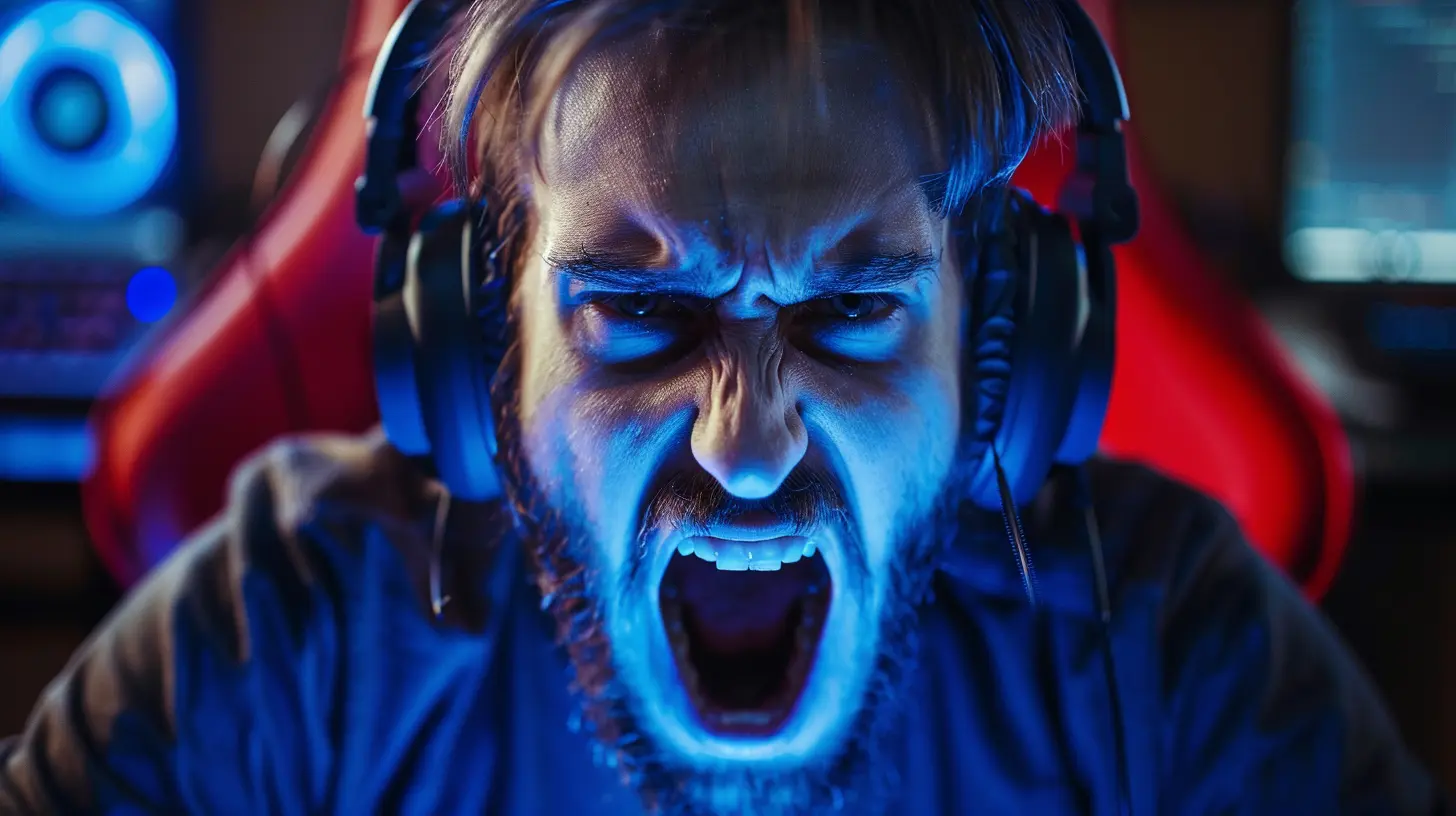
Why Voice Acting Matters So Dang Much
Voice acting isn't just a cherry on top—it's the emotional engine that drives narrative-driven games. This isn't the '90s anymore. Players expect storytelling on par with Hollywood, and bad voice acting sticks out like a sore thumb.Think about it: you're stepping into a digital world, ready to embody a war hero, a space explorer, or a morally conflicted anti-hero. And then... your character opens their mouth, and it sounds like a high school kid reading Shakespeare for the first time. Cue the collective eye-roll.
Voice Sets the Tone
One powerhouse line delivered right can give you goosebumps. One poorly delivered one can make you laugh out loud for all the wrong reasons. In narrative-heavy games like The Last of Us, Red Dead Redemption 2, or God of War, voice acting is crucial to bringing characters to life. You feel every regret, every burst of rage, every tender moment—all through the performance.Now flip that: what happens if Joel sounded like he was reading a grocery list? Or if Kratos mumbled his way through his intense monologues? That's an entire experience down the drain.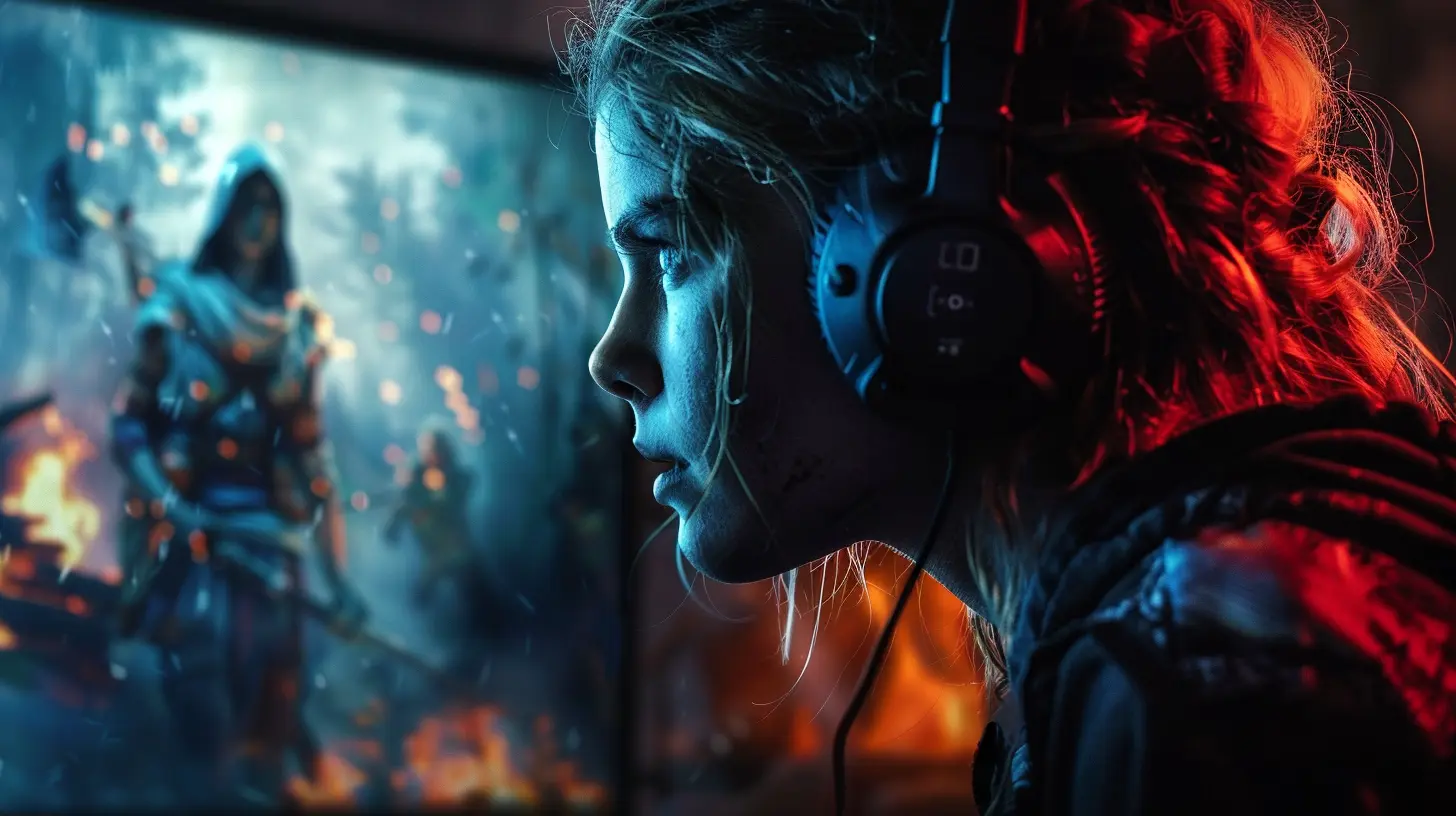
The High Stakes of Voice Acting in Games
Games aren't just products—they're experiences. Players invest hours, sometimes hundreds, into these worlds. Bad voice acting doesn't just break immersion; it breaks trust.Emotional Investment Crumbles
Players bond with characters. When that bond is shallow or forced because a line feels fake or awkward, the emotional core of the game withers. Want players to cry over a character death or root for a protagonist’s redemption arc? You need voice actors who can actually bring that to life.Bad Voice Acting Is Distracting
It’s hard to focus on the gravity of a life-or-death decision when the voice behind the dialogue sounds like it belongs in a cheesy soap opera. Instead of staying hooked on the narrative, players start mocking it—or worse, skipping dialogue entirely.That kills replay value, kills positive reviews, and honestly, kills the vibe.
Real-World Examples Where Voice Acting Fell Flat
Let’s get a little more specific. Which games had all the ingredients for greatness but were dragged down by bad voice work? Buckle up.Resident Evil (1996)
We gotta talk about the OG. The original Resident Evil is a classic, no doubt about it. But man, the voice acting? It’s legendary for all the wrong reasons. “You were almost a Jill sandwich!” became a meme before memes were even a thing.Sure, some of the awkwardness can be chalked up to translation issues and early gaming constraints. Still, that wooden delivery made it hard to take the horror seriously. It reduced tension and turned serious scenes into accidental comedy.
Two Worlds (2007)
This open-world RPG was ambitious and had solid mechanics—and then the protagonist opened his mouth. The voice acting was so bad it became infamous. Overacted lines, stiff pacing, and outright bizarre inflections turned what could’ve been a decent fantasy experience into an unintentional parody.Fallout 4 (Controversial Take)
This one might ruffle feathers. While Fallout 4 isn’t a bad game—far from it—the decision to give the main character a fully-voiced role was divisive. Why? Because the delivery often felt flat compared to previous entries where players could imagine emotion through text.The male protagonist, in particular, had this weird inconsistency—sometimes overly intense, sometimes oddly monotone. It dulled impact during major story beats. It’s not that the actors were bad, necessarily—it’s that the direction and emotional tone didn't always land.
Why Some Games Get It So Right
Let’s take a moment to appreciate the games that nailed voice acting. These are the gold standard—proof that the right voice makes all the difference.The Last of Us Series
Troy Baker and Ashley Johnson didn’t just voice Joel and Ellie, they became them. Their performances turned a zombie apocalypse survival story into a deeply personal, gripping journey. Every grunt, every sigh, every whispered word—it all felt real.The result? Immersion so deep, players forgot they were playing a game.
Mass Effect Trilogy
Commander Shepard wasn’t defined just by your choices, but also how they were delivered—thanks to Jennifer Hale and Mark Meer. They injected personality into every Paragon speech or Renegade threat. That’s why fans still debate which voice Shepard is canon.God of War (2018)
Christopher Judge’s deep, powerful voice brought a whole new dimension to Kratos. You could hear the weight of every decision, the pain behind the stoic exterior. It elevated the entire experience from action-packed to Shakespearean.Why Developers Sometimes Miss the Mark
So, if voice acting is that important, why do studios still screw it up?Budget Cuts
Voice talent isn’t cheap—and studios under tight budgets sometimes cut corners. They might go with unknown or untrained actors, or not devote enough resources to voice direction. The result? Performances that feel rushed or unnatural.Poor Localization
Many games get translated and voice-acted for international audiences. When localization teams aren’t given proper context or freedom to adapt the script, you end up with awkward phrasing and stilted delivery.Weak Direction
Actors are only as good as the direction they get. Without a strong voice director guiding tone, pacing, and emotion, even great actors can deliver dud performances. Imagine an actor being told to read lines without knowing the narrative stakes—how are they supposed to hit the right emotional notes?The Ripple Effect on the Overall Game
Bad voice acting doesn’t just affect characters—it can drag down the whole experience.Reviews Take a Hit
Gamers are vocal, especially when it comes to immersion-breaking flaws. Bad voice acting often shows up in reviews and Metacritic scores, even when other parts of the game excel.Replay Value Drops
Great performances make you want to relive the story. Weak ones? Not so much. Bad voice acting strips away the emotional layers that make stories worth revisiting.Fan Communities Fade
Well-voiced characters become icons. Think Geralt of Rivia. Arthur Morgan. Commander Shepard. Poorly voiced characters? They’re forgotten fast—because players never connected with them to begin with.Can Bad Voice Acting Be Fixed?
Thankfully, yes—but it depends on timing and budget.Re-recording (Rare But Possible)
Some devs, acknowledging the backlash, actually redo voice work with new actors. Destiny famously replaced Peter Dinklage’s widely criticized performance with Nolan North. It was expensive, but it paid off.Better Casting and Direction from the Start
More studios are now treating voice acting like film production—auditioning properly, hiring veteran talent, and putting actors in mocap suits to match facial expressions with dialogue. That kind of attention to detail? Game-changing.Final Thoughts: Why It All Comes Down to Respecting the Craft
Voice acting is an art. Treat it like an afterthought, and your game will sound like one. Treat it as essential, and it can elevate your project into something truly unforgettable.Great voice acting isn’t just about sounding cool or dramatic—it’s about authenticity. When players hear raw emotion coming through their speakers, they lean in. They care. They remember.
So, if you’re a game dev, here’s a hint: don’t wait until the last minute to hire voice talent. And please, please don’t settle for “good enough.” Because bad voice acting doesn’t just sound bad—it feels bad. And when a player walks away from your game for that reason, trust me, they’re not coming back.
all images in this post were generated using AI tools
Category:
Game FailsAuthor:

Emery Larsen
Discussion
rate this article
2 comments
Macey Young
Great gameplay can’t drown out bad voice acting; it’s like a symphony played by tone-deaf musicians—jarring and unforgettable.
February 4, 2026 at 4:56 AM
Emery Larsen
I completely agree! High-quality voice acting is essential; poor performances can overshadow even the best gameplay, disrupting immersion and enjoyment.
Bellamy McKee
Great points! Great gameplay can really falter with poor voice acting—so frustrating!
February 3, 2026 at 4:39 AM
Emery Larsen
Thank you! I completely agree—immersive gameplay can be easily undermined by subpar voice acting. It’s crucial for creating a truly engaging experience!