How Demos Shape the Success of Upcoming Games
31 July 2026
Picture this: You've been hearing the buzz about a new game for weeks. The trailers are jaw-dropping, the devs are hyping it up, and your excitement is through the roof. But you're still holding back from smashing that pre-order button. Why? Because words and visuals can only go so far. You want to feel the game, taste the mechanics, and decide for yourself if it's worth your time and wallet.
That's where demos come in. They’ve become a serious game-changer (pun intended) in shaping the fate of upcoming titles. Whether we’re talking indie gems or AAA blockbusters, playable demos can either skyrocket a game to cult status or spotlight flaws that crash its hype train.
In this deep dive, we’ll unpack how game demos influence player perception, drive pre-release marketing, build community trust, and ultimately impact the commercial success of a game. Let’s press start.
Why Demos Matter More Than Ever
Back in the day, demos were tossed into gaming magazines on CDs (we're talking OG PS1 era). Fast forward to today, and demos are digital, instantly accessible, and can go viral in hours. With the oversaturation of the gaming market and more choices than ever before, players are hungry for a way to test the waters.Essentially, demos act as a handshake between developers and players. It's like dating before marriage – who wants to commit to a long-term game if the first five minutes are a snoozefest?
A Test Drive for Gamers
Think of a demo as a "test drive" for your upcoming favorite game. When you test-drive a car, you're not just admiring how it looks. You’re feeling the turn radius, checking the brakes, seeing how it handles under pressure. Same goes for games. A demo gives players a bite-sized slice of gameplay that often makes or breaks their decision to commit.Even a 30-minute demo can reveal a lot:
- Is the gameplay loop satisfying?
- Are the controls intuitive?
- Does the story hook you?
- How polished is the experience?
If a demo nails these points, it can turn passive interest into red-hot anticipation. And let’s face it, a game trailer with cinematic flair just can’t replicate that.
Building Trust in a Skeptical Market
Gamers today are more skeptical than ever. With buggy launches, misleading trailers, and high-profile flops (you know the ones), trust is hard-earned.Demos cut through the hype machine. They say, “Don’t just believe us, try it yourself.” That level of transparency builds credibility. When devs are willing to put their unfinished product into players’ hands, it sends a powerful message: "We believe in our game."
And that trust? It generates loyalty. Even if a demo isn’t perfect, if the core is solid, players are more likely to forgive minor flaws and support the devs.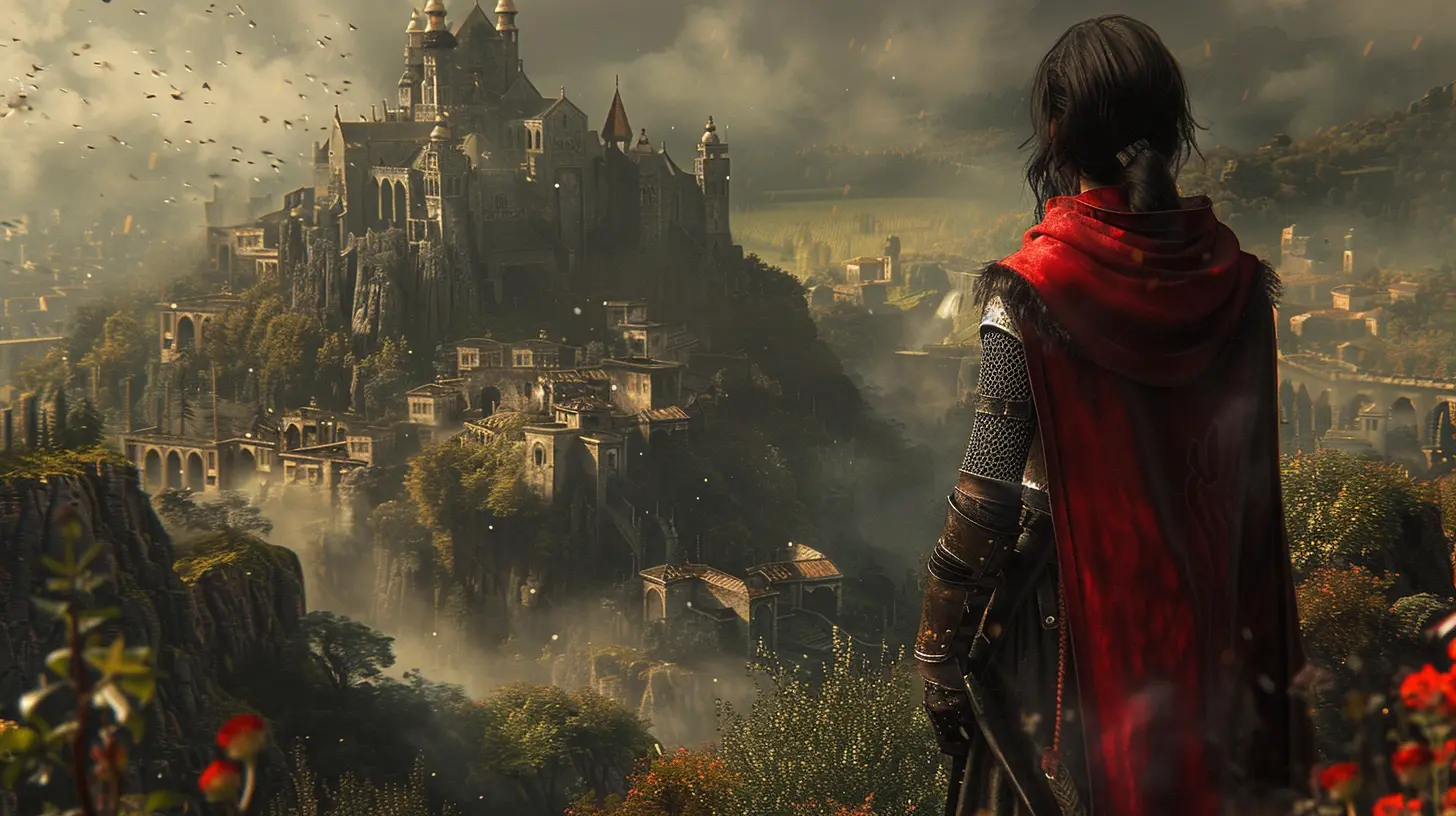
The Hype Engine: Marketing That Writes Itself
A well-received demo doesn’t just build trust — it becomes a full-blown marketing weapon. If gamers love what they play, they talk. Social media lights up with reactions, streamers go live with gameplay breakdowns, and YouTube fills up with first-impression videos.Translation? Free, organic publicity.
Let’s not ignore the psychological aspect too. When everyone’s talking about a killer demo, it triggers FOMO (fear of missing out). Before you know it, downloads skyrocket, wishlists fill up, and forums buzz with speculation and theories. That’s how hype sustains itself without a dime spent on extra ads.
Demos as Feedback Tools: Early Access Without the Price Tag
Here’s a secret sauce many devs use: demos double as feedback generators.When a demo goes live, players flood Discord servers, Reddit threads, and feedback forms with notes—good, bad, and brutally honest. Smart developers listen. They tweak mechanics, balance enemies, fix crashes, and sometimes even add new features based on demo feedback.
In this way, demos act like a form of free QA testing at scale. And when players see their voices shaping the final product, it strengthens the bond between devs and community. It’s collaborative development in action.
The Indie Dev Lifeline
Let’s zoom in on indie studios for a second. These teams don’t have the marketing megabucks of big publishers. But what they can do is drop a killer demo that grabs attention.Platforms like Steam Next Fest have turned demos into a major promotional tool for indie games. A standout demo can land a game on the radar of influencers, press, and publishers alike.
One small studio releasing a tight, engaging demo can result in:
- Massive wishlist bumps
- Press coverage they couldn’t afford otherwise
- Valuable feedback before final launch
In essence, a strong demo can turn an unknown title into the next Cult of the Lamb or Hollow Knight.
When Demos Backfire: A Double-Edged Sword
Now, let’s keep it real — not every demo helps a game.A buggy, unpolished, or confusing demo can tank pre-launch interest. If players walk away frustrated or unimpressed, they might not return. Even worse, negative public reactions can snowball across forums and social media.
It’s a risk, no doubt.
That’s why timing is everything. Release a demo too early, and it's a rough mess. Too late, and the window for buzz might close. The best demos strike that golden middle ground — polished enough to impress but early enough to adjust based on feedback.
Iconic Games That Owe Demonic Thanks to Their Demos
Let’s talk real-world examples. Several massive hits owe a huge chunk of their success to their demos:1. Resident Evil 7: Beginning Hour
Capcom dropped a mysterious, atmospheric demo with zero explanation. It wasn’t even in the main game — just a taste of the tone and style. Fans ate it up. Intrigue levels shot through the roof, and it rebranded the entire series direction.2. Octopath Traveler
Square Enix released the demo almost a year before launch. Players gave tons of feedback, especially on movement speed and UI. Devs tweaked the game, and when it hit shelves, it felt polished and personal. Win-win.3. Undertale
Yup, even this cult classic had a demo. It built early fan interest and allowed word-of-mouth to spread before Kickstarter campaigns and full game release.These examples prove that demos aren’t just fluff — they’re critical stepping stones in a game’s journey.
The Psychological Hook: Demos Create Investment
There’s also a deeper psychological game at work. When a player spends time in a demo, explores mechanics, maybe even finishes a sample quest—there’s a subtle mental investment that forms.Kind of like getting a free sample at the supermarket. You just tried the cheese sticks and they’re delicious. Now, you have to buy the full box, right?
When well-designed, a demo feels like the opening act of a story the player wants to finish. That mental "buy-in" makes players more likely to purchase the full game. You're not just selling a game; you're letting them own part of the experience early.
Future of Demos: What’s Next?
As cloud gaming and instant access continue to evolve, expect demos to become even more prominent. We might see bite-sized vertical slices that download in seconds and stream instantly (no more waiting on giant installs!).More games could adopt episodic demos—gradually releasing more content leading up to launch. Imagine playing chapter one this month, chapter two next month, and the full game drops right after. It keeps the momentum going and players engaged over a longer pre-launch window.
And with AI-driven analytics, devs could tweak future demo experiences dynamically based on how players interact with them.
The future? Totally demo-nated.
Final Thoughts
Demos are more than just sneak peeks — they’re powerful tools that give players a voice, build trust, and generate buzz. In today’s gaming ecosystem, where players are more selective and skeptical than ever, a demo isn’t just nice to have. It’s a necessity.They level the playing field for indies, let players try before they buy, and offer devs a chance to refine their vision. Sure, there’s risk involved. But when done right? A demo can be the launchpad that catapults a game from obscurity straight into the hearts (and libraries) of gamers.
So next time you see that “Download Demo” button — click it. You might just be experiencing the next big thing.
all images in this post were generated using AI tools
Category:
Game DemosAuthor:

Emery Larsen