How Different MMOs Handle Seasonal Storytelling
24 June 2026
If you're a fan of MMOs (Massively Multiplayer Online games), there's a good chance you've been sucked into at least one epic seasonal story arc. You know the kind—those storylines that roll out with a shiny new patch, time-limited events, or festive in-game celebrations. Sometimes, they feel like mini holidays in your favorite gaming universe. Other times, they hit so hard emotionally that you're still thinking about the finale weeks later.
But have you ever stopped to wonder how different MMOs actually go about telling these seasonal stories? Some games treat them like grand cinematic sagas, while others weave them into playful events or quick, punchy quests. So, let’s dig into how different MMOs handle seasonal storytelling, what makes each approach unique, and what keeps us coming back for more.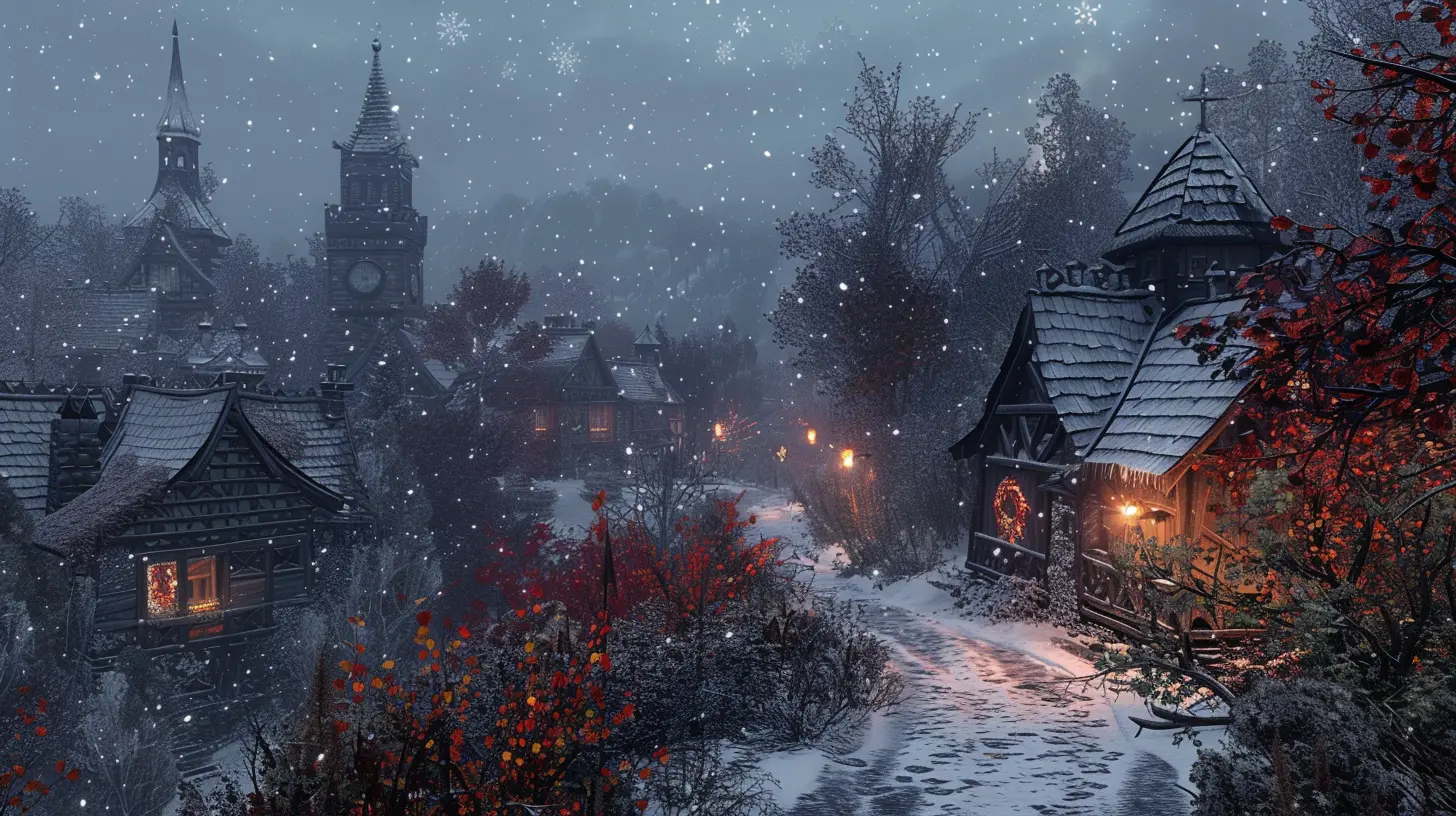
What Is Seasonal Storytelling in MMOs, Anyway?
Let’s not overcomplicate it—seasonal storytelling refers to limited-time narratives that are tied to real-world seasons, in-game festivals, or content cycles like expansions and updates. These stories often feature special characters, exclusive rewards, and specific timelines that players have to stick to.Think of it like your favorite TV show dropping a holiday special. It’s out of the usual schedule, it’s got some festive flavor, and it often brings beloved characters together for an emotional (or hilarious) ride. MMOs have embraced this format, but every game does it a little differently. That’s where things get interesting.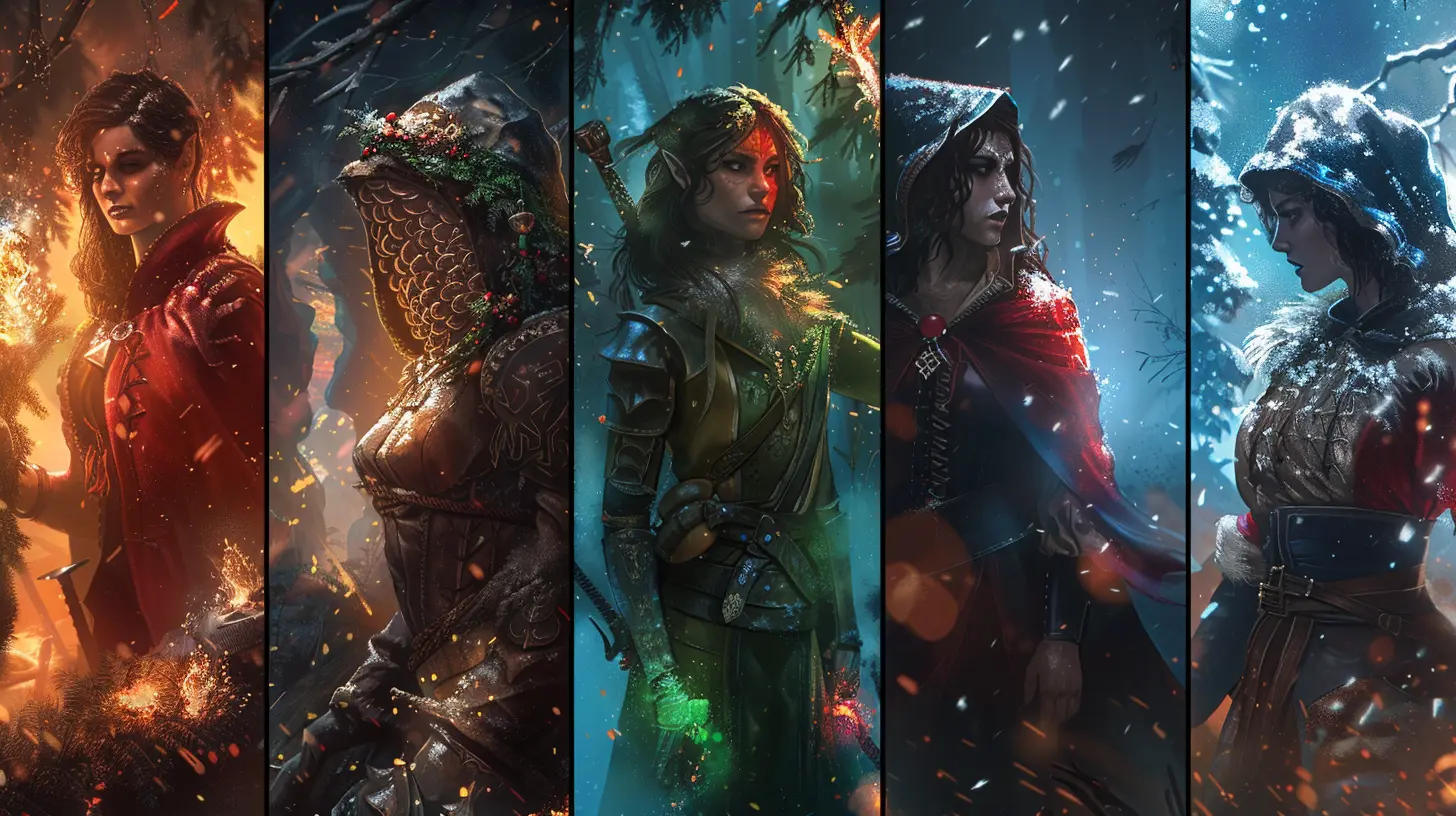
Why Do Players Love Seasonal Stories?
Before we dive into how different games handle things, let’s pause for a sec. Why do we even care about these seasonal arcs?- Emotional hooks: They often tug at the heartstrings.
- Community moments: Everyone’s online at the same time, experiencing the same stuff.
- Limited-time rewards: Let’s be honest, FOMO plays a role.
- Change of pace: They break up the grind and bring fresh air to the game loop.
Alright, now that we’ve got the “why,” let’s take a tour of some popular MMOs and see how they each handle seasonal storytelling in their own quirky ways.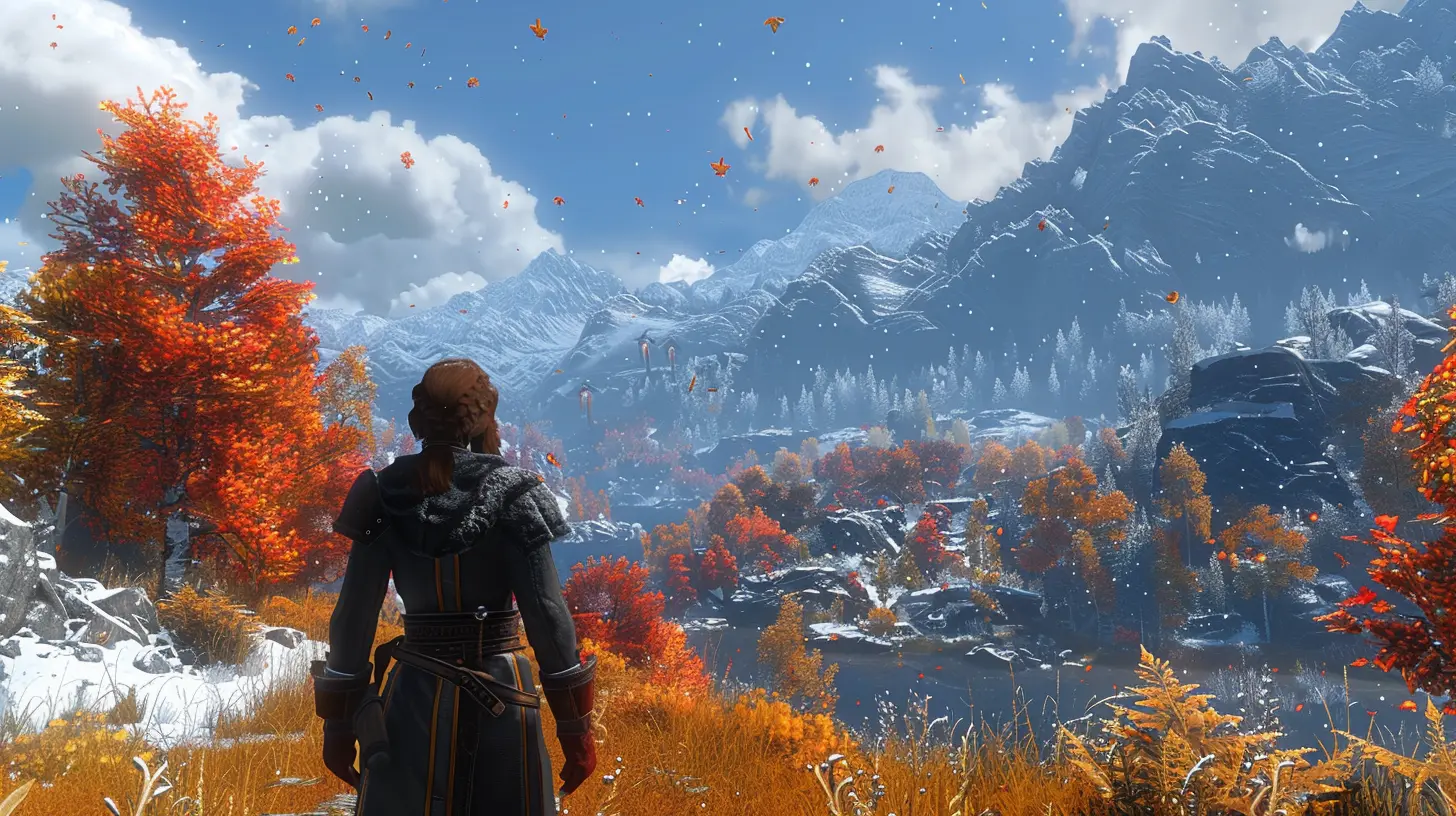
Final Fantasy XIV – The Masterclass of Emotionally Driven Events
Final Fantasy XIV knows how to pack a narrative punch, and when it comes to seasonal storytelling, it’s practically a gold standard.How They Do It
Events like “Starlight Celebration” (their version of a Christmas event) and “Hatching-tide” (Easter-themed) bring delightfully cozy stories that shift focus from saving the world to helping children or putting on a cheerful festival. No heavy world-ending stakes—just a feel-good tale, complete with gorgeous music and heartfelt cutscenes.The writing is top-tier. It’s short and sweet, often wrapping up in 20 minutes, but it somehow makes you feel. The characters are often unique to that event and show up every year, evolving slightly each time. That subtle continuity? Chef’s kiss.
Why It Works
- Emotional depth in a short timeframe- Adorable rewards (yes, I’m talking about those bunny costumes)
- High production value even for short events
You walk away from these stories with a warm heart and a new mount. What’s not to love?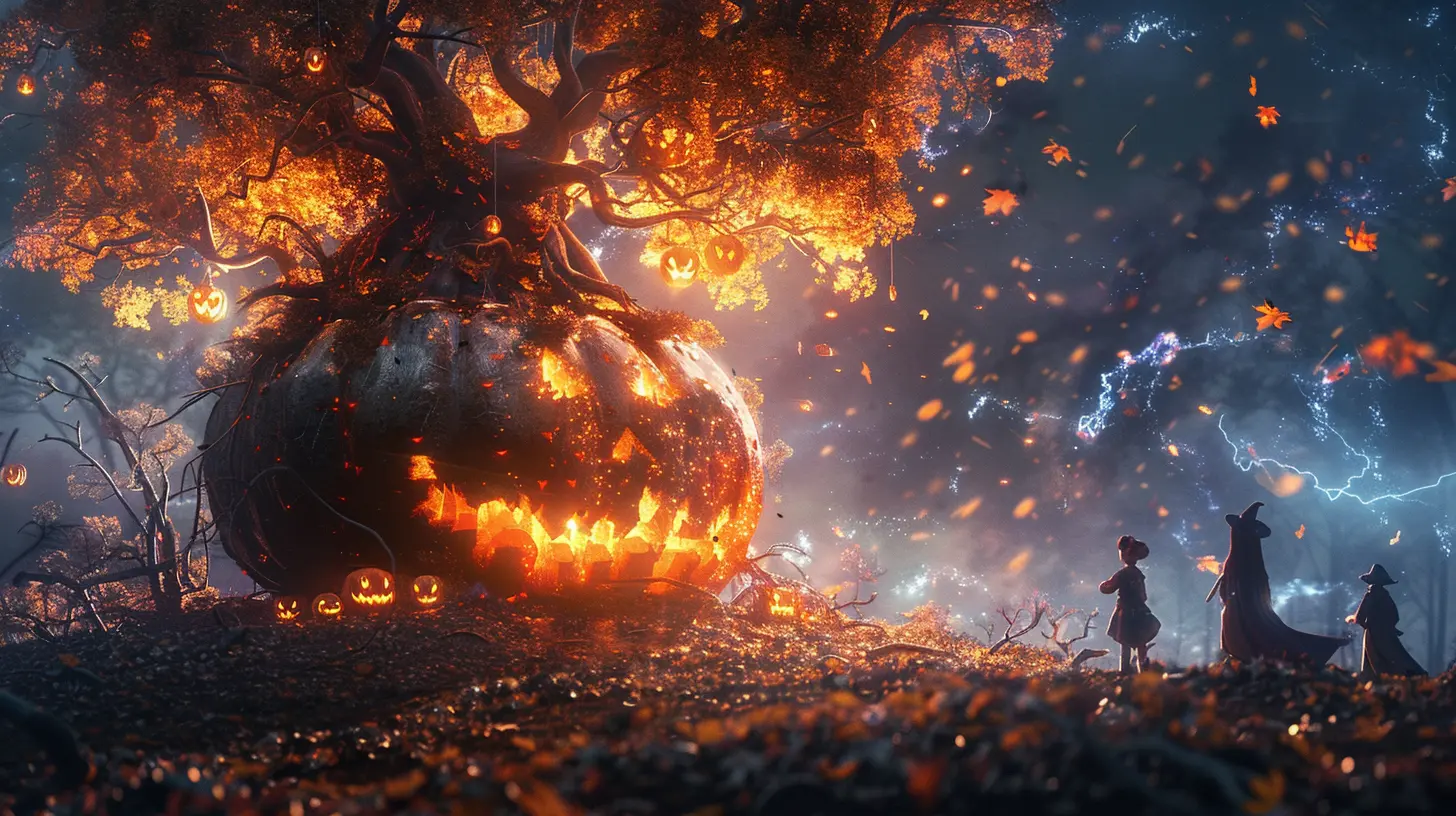
World of Warcraft – Nostalgia Meets Annual Festivities
World of Warcraft (WoW) has been around since 2004, and its seasonal events are as iconic as the game itself.How They Do It
WoW leans heavily into real-world analogs—Hallow’s End (Halloween), Brewfest (Oktoberfest), Love is in the Air (Valentine’s Day), and so on. These aren’t just reskinned quests; they come with mini-stories, daily activities, and themed dungeons.For example, during Hallow’s End, players can battle the Headless Horseman in a spooky-themed fight that includes custom voice lines and a bit of lore. Each year, Blizzard might tweak the rewards or expand the storyline a tad, but the core nostalgia remains.
Why It Works
- Predictability mixed with slight updates- Strong sense of tradition for old-time players
- Consistent roleplay value
World of Warcraft’s seasonal storytelling isn’t the most intricate, but it offers comfort food vibes. You know what you're getting, and sometimes that's exactly what we need.
Guild Wars 2 – Fresh Twists and Living World Evolution
Guild Wars 2 is that MMO that always likes to keep players on their toes. And when it comes to seasonal storytelling, it's all about creativity and evolution.How They Do It
ArenaNet, the devs behind GW2, roll out dynamic, time-limited content through their "Living World" seasons. These aren’t just small festivals—they often progress the main story or explore unresolved threads. Seasonal events like "Wintersday" or "Shadow of the Mad King" bring in a mix of light-hearted fun and a tweaking of existing lore.Their Halloween event is particularly iconic: Mad King Thorn shows up and turns Lion’s Arch into a haunted house full of puzzles and weird dad-jokes. But the real flex? These events often expand the world, open up limited-time zones, and change based on player actions.
Why It Works
- Blends silliness with world-building- Reactive world content
- Rich voice acting and original music
Guild Wars 2 makes each season feel like it matters in the grand narrative—no filler, just fresh chapters and memorable mayhem.
Destiny 2 – Themes, Darkness, and a Dash of Holiday Cheer
Alright, Destiny 2 might not be your traditional fantasy MMO, but it handles seasonal storytelling in a pretty compelling way that deserves a shoutout.How They Do It
Bungie structures Destiny 2‘s years into “Seasons,” each with thematic arcs that connect to the overarching lore. These seasons last a few months and introduce new characters, quests, and sometimes even radically change the game world.At the same time, they host actual seasonal events like “Festival of the Lost” (Halloween) and “The Dawning” (winter/Christmas), which lean into the lighter side of storytelling. These events usually have charming subplots that give Guardians something to smile about in between intergalactic warfare.
Why It Works
- A clear narrative pace across the year- High stakes mixed with low-stakes fun
- Builds emotional lore for a shooter game
Even a FPS can get you misty-eyed during a holiday event with the right music and an old friend baking cookies in your ship’s galley.
Elder Scrolls Online – Lore-Driven Festivities With a Personal Touch
ESO straddles the line between tradition and storytelling innovation. It expands on the Elder Scrolls universe while offering events that feel handcrafted.How They Do It
Zenimax Online Studios doesn’t just slap a new coat of paint on existing quests. Instead, ESO’s events like “New Life Festival” or “Witches Festival” pull from the game’s deep lore to offer cultural insights into Tamriel’s different races.It’s a great way to learn more about the world while earning XP and cool gear. Many of these seasonal narratives involve characters that feel grounded in the universe—not shoehorned in for the event.
Why It Works
- Integrates lore authentically- Diverse regional events based on in-world cultures
- Encourages exploration and roleplay
When you’re celebrating the Witches Festival in Glenumbra, it doesn’t just feel like Halloween—it feels like Tamriel’s version of Halloween, and that makes all the difference.
Runescape – Old-School Charm Meets Modern Storytelling
Runescape has been around for decades, and it still manages to surprise players with seasonal content that’s quirky, heartfelt, and sometimes downright weird—in the best way.How They Do It
Jagex brings out holiday events that often lean into comedy and community. Whether you're saving Christmas from goblins or helping a ghost find peace on Halloween, the stories are short, sweet, and usually pretty funny.Interestingly, Runescape also has ongoing seasonal story arcs that tie into bigger narrative developments, especially in Runescape 3. These use seasonal quests to tease future expansions or resolve side plots.
Why It Works
- Accessible and quick storytelling- Cross-generational appeal
- Rewards that mix nostalgia with utility
It’s like getting a greeting card from an old friend—sure, it might be goofy, but it warms your heart all the same.
What Makes Seasonal Storytelling Work?
After looking at all these different MMOs, a few things become clear:1. Emotional Connection
Whether it’s helping orphans in Eorzea or baking space cookies in Destiny 2, the stories hit harder when there’s genuine heart behind them.2. Continuity and Tradition
Players love looking forward to the same event every year. But games that manage to slowly evolve these stories score bonus points. It’s like watching your favorite sitcom characters grow older, year after year.3. Unique World-building
Good seasonal storytelling doesn’t just change the look of the main hub—it builds on the world’s culture and lore. It feels like the event belongs in that universe.4. Player Involvement
Many MMOs let players influence how the story unfolds, whether through choices, puzzles, or community participation. That added interactivity makes the story personal.Final Thoughts: Why These Moments Matter
In a genre that often focuses on grinding, raiding, and PvP, seasonal storytelling is like a soft, warm blanket. It's a break from the usual chaos and a moment to connect with the game—and the community—on a more emotional level.It’s not just about the flashy rewards or the silly costumes (although let’s be real, we still want those). It’s about the memories, the tradition, and the chance to see your favorite game from a different angle, even just for a week or two.
So next time you're logging into your favorite MMO and you see a seasonal event has started, don’t skip it. Dive into the story, enjoy the ride, and maybe even make a few new friends along the way.
all images in this post were generated using AI tools
Category:
Seasonal EventsAuthor:

Emery Larsen
Discussion
rate this article
2 comments
Reina Porter
Seasonal storytelling in MMOs can significantly enhance player engagement. Each game approaches it uniquely, using festive events and character arcs to create immersive experiences that resonate with their communities.
August 4, 2026 at 3:48 PM
Clementine Cruz
This article really highlights how unique each MMO can be when it comes to seasonal storytelling. It's fascinating to see the creativity behind these events. Can't wait to dive into the comments and hear everyone's thoughts!
July 8, 2026 at 4:42 PM