How Game Demos Are Bridging the Gap Between Developers and Players
16 June 2026
Gaming is no longer just about pressing buttons and watching pixels dance on a screen. It's an experience, a story, a community, and most of all — a conversation. But how do developers start that conversation with players before a game even hits the market? The answer is surprisingly classic yet increasingly powerful: game demos.
In an age where hype trains derail more often than not, game demos are quietly making a comeback. They’re not only offering sneak peeks into gameplay — they’re becoming game changers (pun intended) in how devs connect and communicate with their fan base.
Let’s crack open this fascinating industry shift and see how game demos are becoming the secret sauce that’s rebuilding trust, gathering feedback, and creating genuine buzz.
The Silent Comeback of the Game Demo
Remember the golden age of demo discs? If you’re a millennial gamer, you probably do. Those shiny CDs jammed into gaming magazines were pure magic. But somewhere along the line, demos vanished — replaced by cinematic trailers and pre-order bonuses.Now, they’re sneaking their way back into the spotlight.
Why the comeback? Simple: gamers are tired of being sold dreams that crash and burn at launch. A demo, on the other hand, tells you everything you need to know — no filters, no fluff, just raw gameplay.
And for developers? Demos are like dipping a toe in the pool before diving in. It's low-stakes validation wrapped in community interaction.
Real-Time Feedback, Real-Time Fixes
Imagine this — you build a game you've poured your soul into. Everything looks perfect on your screen. But when players get their hands on it... things feel off. Maybe the controls are clunky or the pacing is all wrong.Enter the power of the demo.
Developers can now release a vertical slice of their game months before launch, observe player behavior, read reviews, even watch Let’s Plays — and then tweak their game accordingly. It’s like having a focus group of thousands without ever leaving your office.
Think of It Like Beta-Testing — But Friendlier
It’s true, open betas serve a similar purpose, but demos are often more polished and curated. It’s not just "Does the game work?" — it’s "Do you like what you're playing?" That subtle difference changes the entire dynamic between a player and a developer.
Building Trust in a Jaded Gaming World
Let’s be honest for a second: gamers are skeptical. And can you blame them? We’ve seen too many “photo-realistic” trailers that turned out to be smoke and mirrors. Pre-orders based on promises. Launch-day disasters. Refunds. Broken multiplayer.Game demos, on the other hand, are hard to fake. They show you what the game is — not what it hopes to be.
By releasing a demo, a developer is basically saying, "Here, take it for a spin. We’re proud of what we made." That kind of transparency? It’s rare. And it builds trust — the kind that earns loyal fans and enthusiastic word-of-mouth.
A Win-Win for Indies and AAAs Alike
You might think this only works for small indie devs trying to grab attention. Not true. Even AAA titles have started dabbling in the demo arena again because it’s one of the few marketing tools that feels organic.Case in point? Games like Resident Evil Village and Final Fantasy VII Remake included limited-time demos that drove massive engagement — and got players hyped based on actual gameplay, not scripted trailers.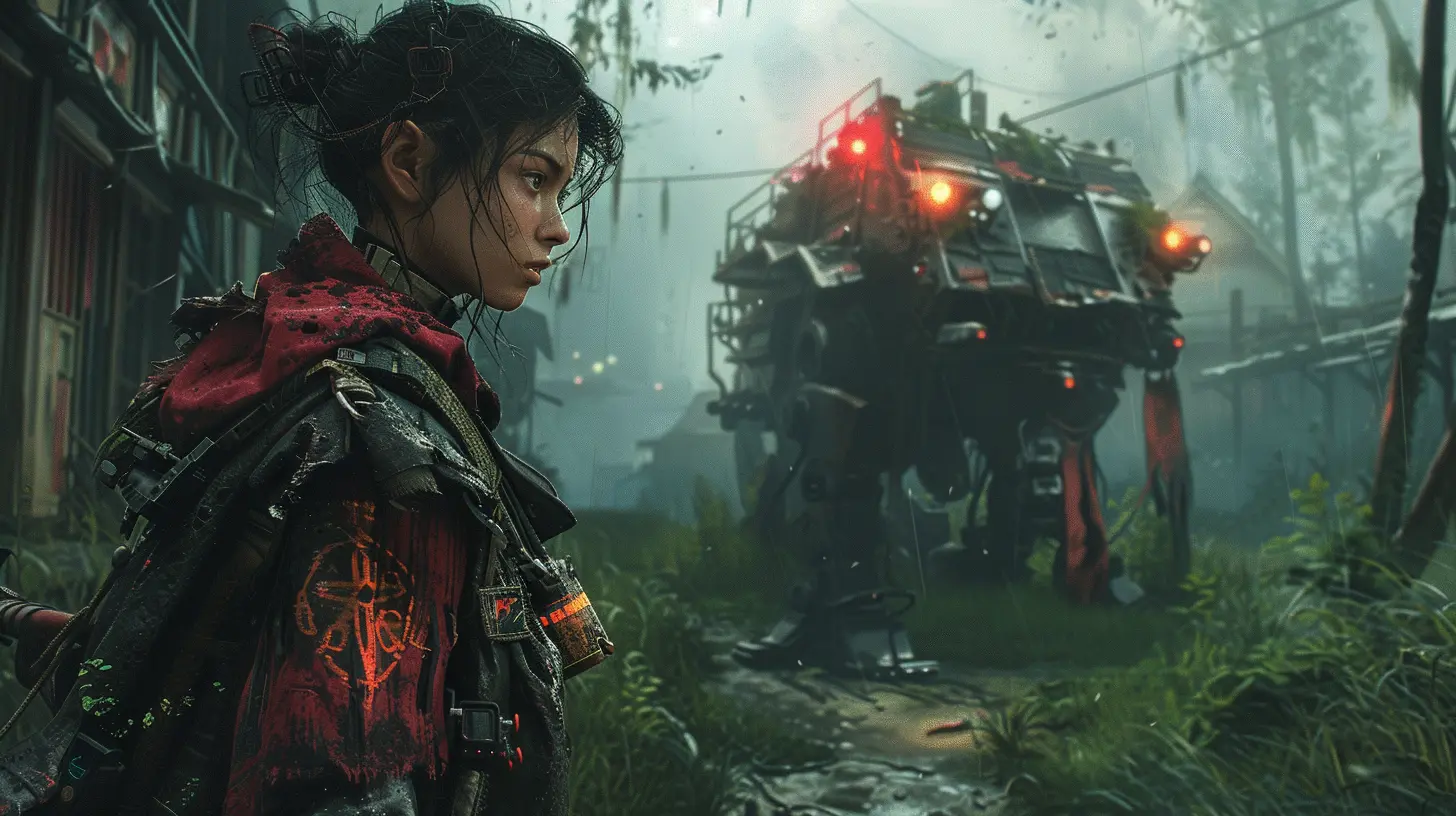
Creating Community Before a Single Sale
There’s something magical that happens when a demo drops. Twitch lights up. Reddit threads explode. Twitter fills with first impressions. It's like a mini-launch party — but free.Demos spark dialogue.
Players start discussing strategies, favorite moments, what worked, what didn't. Devs tune in, sometimes even join the conversation directly. That back-and-forth? That’s community in action — before the game even launches.
Feedback Turns Into Features
Sometimes, this real-time chatter leads to actual changes in the game. Mechanics get refined. Difficulty gets balanced. Bugs get squashed. And when players see their feedback being acknowledged? That’s loyalty fuel.It makes the player feel like part of the dev team — even if they're just sitting at home in their pajamas.
Standing Out in a Saturated Storefront
Let’s do a quick experiment. Right now, go open up Steam or the PlayStation Store and take a look. Overwhelming, right?Hundreds of new games drop every week. The average indie title risks being buried six feet deep under a pile of bigger names.
A demo can act like a neon sign in a dark alley. It says, "Hey, try me! I might just surprise you."
And when players give it a shot and enjoy what they see? Boom — instant wishlist, maybe even a day-one purchase.
Showcasing Innovation That Trailers Just Can’t Capture
Let’s face it: some games are just hard to explain. Maybe it’s the mechanics, the atmosphere, or just a vibe that doesn’t translate well into a 60-second sizzle reel.A demo lets the gameplay do the talking.
Games like Tunic or Death’s Door didn’t rely on massive marketing budgets. They relied on great gameplay and word of mouth — both fueled by early demos that hooked players on something fresh and different.
The Risk Factor (And Why It’s Worth It)
So, why don’t more developers release demos?Well, there’s a risk. A bad demo can tank momentum. It may reveal unfinished visuals or expose bugs. Worse, it might show players that the game just doesn’t have that "it" factor.
But here’s the flip side: a brilliant demo can make a game go viral overnight.
You’re betting on your best foot forward. And let’s be real — if the demo isn’t strong, maybe the full game isn’t ready yet anyway.
Sometimes, fear keeps devs from putting their work out there too soon. But those who dare? They often find the payoff is worth the gamble.
Popular Demos That Made an Impact
Let’s take a quick stroll down memory lane and look at some game demos that truly made a splash:- Undertale — The demo alone built a cult following. By the time the full game launched, it already had a fanbase.
- Resident Evil 2 Remake — The "1-Shot Demo" was a stroke of marketing genius, generating massive buzz before launch.
- Octopath Traveler — Square Enix released a lengthy demo that allowed save progression to the full game, giving players a real taste of the experience.
- Hades — Its demo on Steam helped Supergiant Games collect meaningful feedback which honed the balance and gameplay loop.
It's proof that a well-timed, well-made demo can be the difference between obscurity and overnight sensation.
The Future of Demos: Not Just a Gimmick
The gaming industry is in flux — subscriptions, early access, cloud gaming — everything is evolving at warp speed. And in all this noise, the demo is quietly becoming a trusted tool again.We're entering an era where players want trust signals. They want to know their $60 (or $70!) is going toward something worthwhile. And for developers who believe in their vision, releasing a demo is the ultimate mic drop.
What’s next? We might see demos becoming more integrated into development cycles — maybe even as episodic chunks of evolving builds that players can follow like a TV series.
Some might even blur the lines between demo and full release, offering scaled-down experiences that grow over time. Think of it like trying the first dish in a full-course meal — get a taste before you commit.
Final Thoughts: The New Language of Gaming
So, are game demos just nostalgic relics from the past? Not even close.They’re rapidly turning into a new way for developers and players to talk. Not with words, but with buttons, reactions, and honest-to-goodness playtime. It’s communication in its purest form — no fluff, no filters.
If you’re a player, the next time you see a demo, treat it like a handshake. An invitation. A chance to peek behind the curtain and be part of something in progress.
And if you’re a developer, don’t underestimate its power. A single demo can build a community, course-correct a game, and set you up for success.
After all, in this ever-changing digital world, the best way to bridge the gap... is to let people play.
all images in this post were generated using AI tools
Category:
Game DemosAuthor:

Emery Larsen
Discussion
rate this article
2 comments
Benjamin Hubbard
Game demos offer a great opportunity for developers to showcase their work while allowing players to engage and provide valuable feedback before launch.
July 17, 2026 at 5:00 PM
Thor McGinn
This article highlights a crucial aspect of gaming. Demos allow players to engage directly with developers, fostering understanding and community. It's exciting to see the growing connection between creators and their audience.
June 17, 2026 at 4:43 AM
Emery Larsen
Thank you for your thoughts! I completely agree-demos truly create a unique space for interaction and strengthen that vital connection between developers and gamers.