How Games Can Help Kids Build Confidence
7 April 2026
Let’s face it—raising confident kids in today’s world is no easy feat. Between school pressures, social media bubbles, and the constant comparison trap, our little ones need every tool in the toolbox to feel capable and self-assured. Surprisingly, one of those tools might just be... games.
Yep, you read that right. We’re talking about video games, board games, strategy games—you name it. While they sometimes get a bad rap, games can actually play a big role in building confidence in kids. And no, we're not just talking about winning or beating high scores. We're diving deeper into the real, meaningful ways games help kids grow.
So grab a controller (or a cup of coffee), and let’s break down how games can become a secret sidekick in your child’s confidence journey.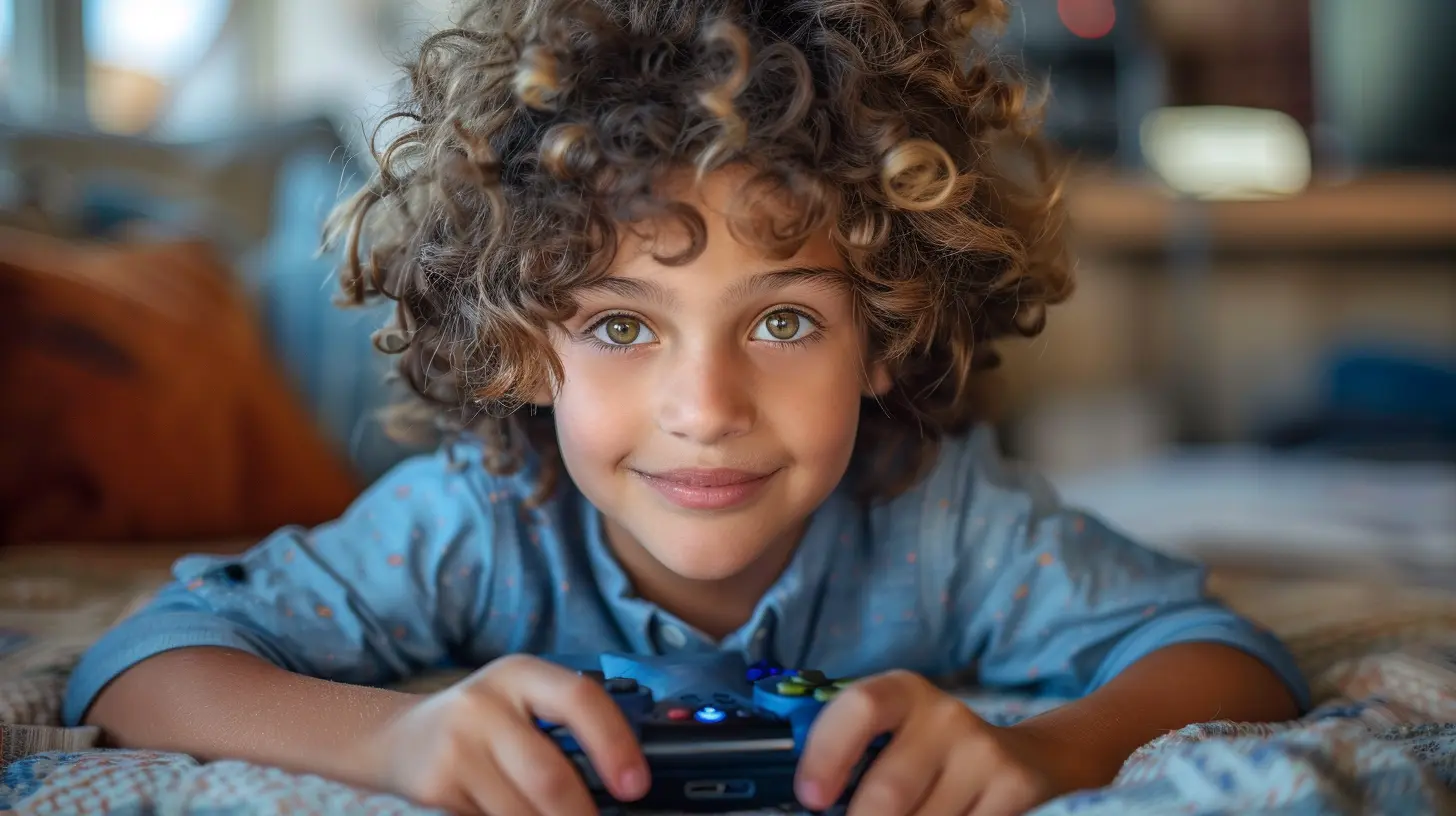
Why Confidence Matters for Kids
Before we jump into how games help, it’s worth pausing to ask: why is confidence such a big deal for kids?Confidence isn’t just about being loud or outgoing. It’s about knowing your worth, believing in your abilities, and having the courage to try—even when failure is possible. When kids feel confident, they’re more likely to take on challenges, speak up, make friends, and bounce back from setbacks. In short, confidence is kind of like a superhero cape—it doesn't make them invincible, but it sure gives them the courage to try.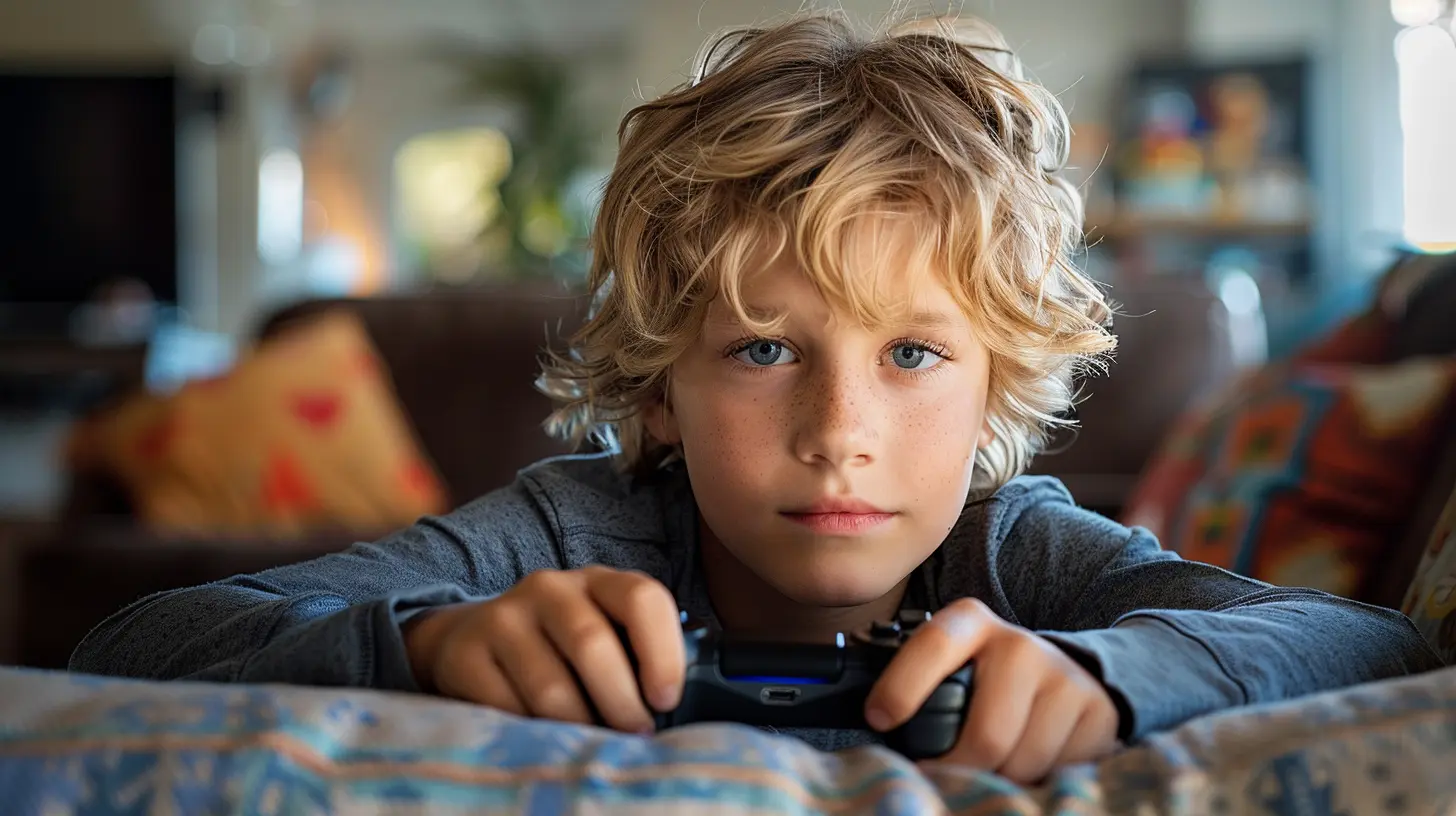
Games: More Than Just Fun and Games
Let’s clear the air for a second. Games are fun—that’s their whole thing. But under that surface-level entertainment lies something much more powerful: a training ground for real-life skills. And confidence? It’s one of the biggest wins.Curious how that works? Let’s break it down.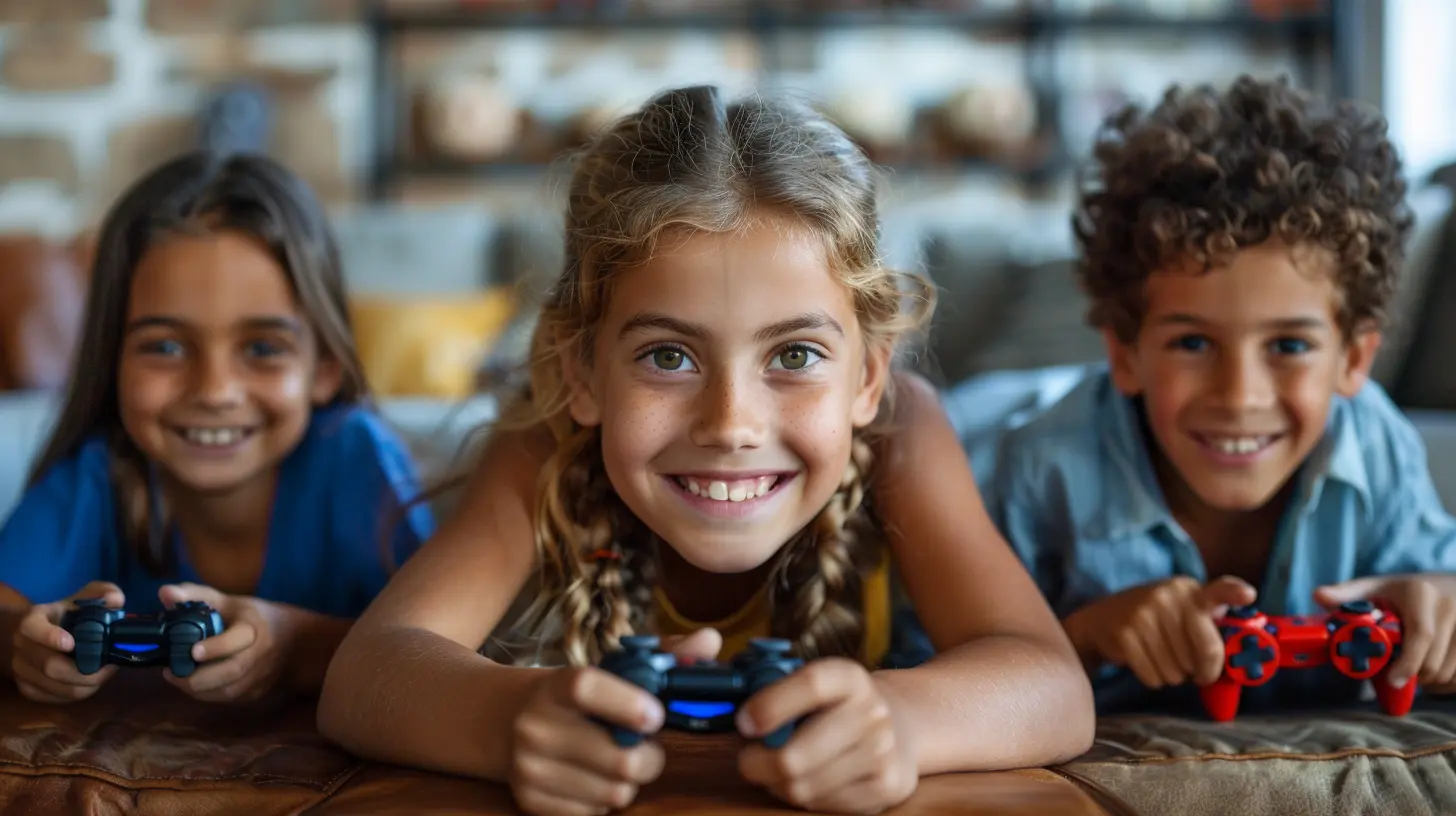
1. They Encourage Risk-Taking in a Safe Space
Imagine trying something new—say, riding a bike or speaking in front of the class. It’s scary, right? Especially if there’s a chance of messing up in front of others.Games, on the other hand, offer a low-risk environment to take chances and learn from mistakes. Missed a jump in Super Mario? No biggie. Got outmaneuvered in a game of chess? Try again. Games make failure part of the process, not something to fear. That’s a huge shift in mindset for kids.
And when kids start seeing mistakes as stepping stones rather than roadblocks? Confidence begins to bloom.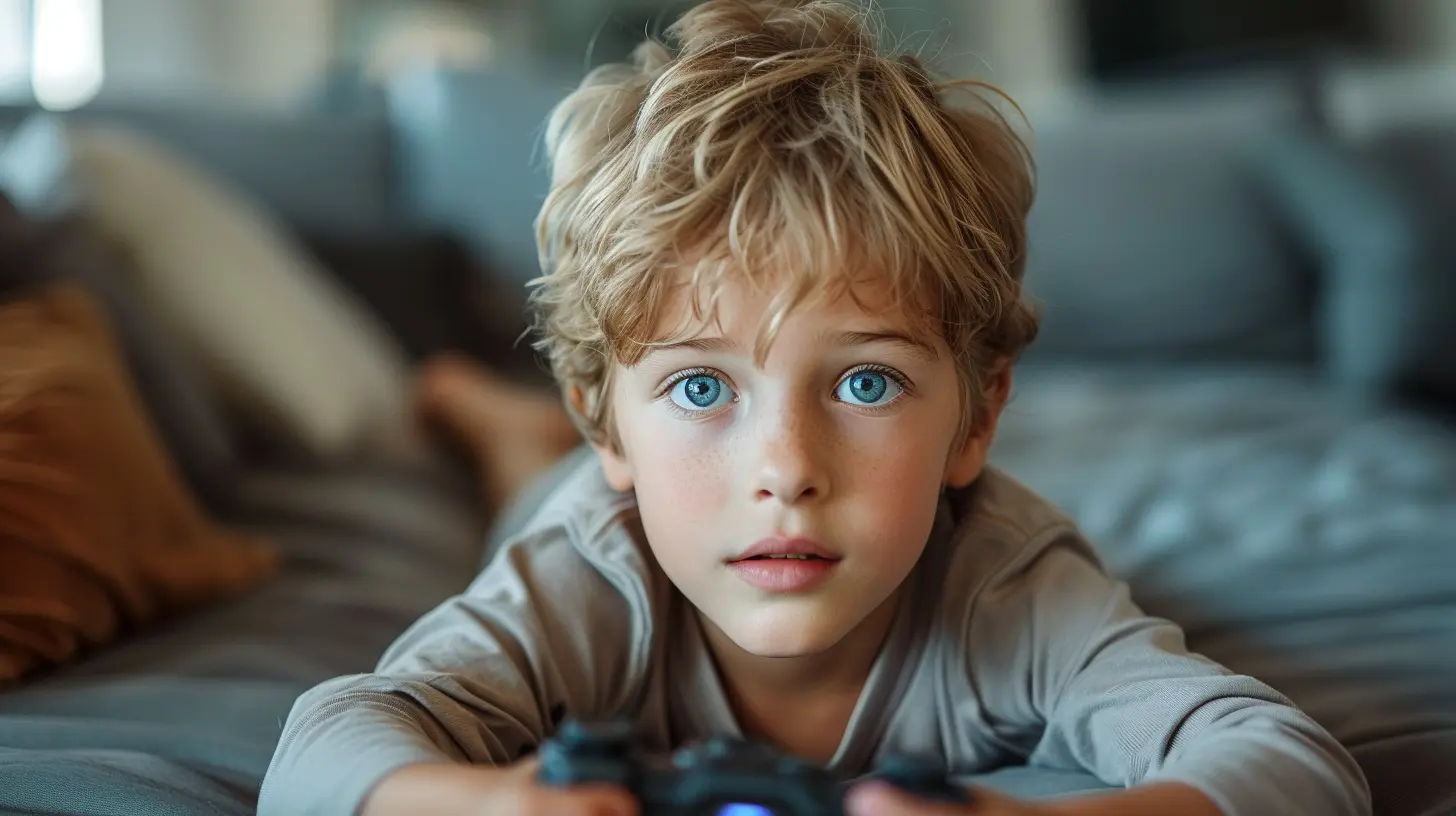
2. They Provide Opportunities for Mastery
Confidence isn't built in a day—it grows with every small win, every 'aha!' moment. Games are full of these tiny victories.From solving puzzles to leveling up in role-playing games, kids constantly face challenges that stretch their abilities. And every time they crack a tough level or unlock a new achievement, it’s like a little voice inside them says, “I did it!”
Over time, these wins stack up and fuel a sense of mastery. That’s the kind of deep, internal confidence that sticks.
3. They Help Kids Discover Their Strengths
Not every kid shines in the same way. Some are creative powerhouses, others are analytical thinkers, and some are born storytellers. Games come in all shapes and sizes—strategy games, creative world-building games, competitive games—and they let kids find their groove.A child who struggles in a traditional classroom might light up playing Minecraft or figure out complex puzzles in The Legend of Zelda. That realization—"Hey, I'm really good at this!"—can be a game-changer for their self-esteem.
4. They Foster Social Connections
Let’s talk about multiplayer games for a second. Whether it’s a family board game night, a Minecraft server with friends, or a cooperative video game like Overcooked, playing with others teaches teamwork, communication, and empathy.More importantly, it helps shy or anxious kids connect with peers in ways that feel natural and fun. And when kids feel a sense of camaraderie and acceptance—it boosts their social confidence in a big way.
5. They Teach Problem-Solving and Resilience
Games are basically a series of problems waiting to be solved. And here's the cool part: kids LOVE solving them. Whether they're figuring out how to escape a dungeon, build the perfect base, or outthink an opponent, games train kids to think critically and creatively.Better yet, when things don’t go as planned (and trust me, that happens a lot), games teach kids to keep going, tweak their strategy, and try again. That resilience? It’s gold when it comes to confidence.
6. They Give Kids Control
In a world where so many things are out of kids’ control (school rules, bedtime, vegetables on their plate...), games offer them a space where they call the shots. They decide the strategy, make the moves, design their characters—even shape the world itself in sandbox games.That sense of autonomy is huge. When kids realize they have the power to make decisions and influence outcomes, it builds a strong foundation of self-belief.
Which Types of Games Are Best for Building Confidence?
Not all games are built the same, and that’s a good thing! Different games offer different kinds of benefits for confidence-building. Let’s check out a few standout categories:🎮 Video Games That Focus on Creativity
Games like Minecraft, Roblox, and Animal Crossing allow kids to design, build, and express themselves. These games are fantastic for kids who love creating and want to see their ideas come to life.🧩 Puzzle and Strategy Games
Think of games like Portal, Monument Valley, or even chess. These test logic and problem-solving—and give kids that satisfying “Aha!” moment when they figure things out.🤝 Cooperative Games
Games that require teamwork, like Overcooked or It Takes Two, are great for learning communication and building trust with others.🎲 Board Games
Classics like Settlers of Catan, Ticket to Ride, and even Monopoly teach patience, turn-taking, and strategic thinking—all in a social setting.The key? Choosing age-appropriate games that challenge without overwhelming and that promote positive interactions over toxic competitiveness.
Real-Life Examples: Stories from Parents and Kids
Sometimes, the best proof is found in real stories. Here's what a few parents had to say:> “My 8-year-old was always shy around his classmates. But when he started playing Minecraft and invited some friends to his server, he came out of his shell. Now he’s organizing game nights!” — Sarah D., mom of two
> “My daughter struggled with self-esteem after switching schools. She got into a storytelling game and started writing her own characters and quests. It gave her a sense of purpose and ownership that spilled over into school projects.” — Jeremy L., dad of a 10-year-old
Games aren’t a magical fix, but in the right environment, with a little balance, they can be a powerful part of a bigger picture.
A Word on Screen Time and Balance
Now, you might be thinking: “Wait, aren’t games supposed to be addictive? What about screen time?”Totally fair question.
Like anything, moderation is key. The goal isn't to turn kids into screen zombies but to use games intentionally—as tools for development. Here are a few tips:
- Set healthy time limits.
- Balance screen time with outdoor or creative play.
- Play with your kid when possible—it strengthens your relationship and gives you insight into what they love.
- Choose games with positive messages and avoid toxic or aggressive online communities.
When used mindfully, games can be part of a well-rounded lifestyle that supports both fun and growth.
How Parents and Educators Can Support Confidence Through Games
You don’t need to be a gamer yourself to be part of the journey. Here’s how parents, teachers, and mentors can encourage confidence-building through games:- Celebrate effort over results. Whether they win or lose, praise their decisions, strategies, and persistence.
- Be curious. Ask them what they like about the game. Let them explain their strategies. This gives them a chance to show what they know.
- Encourage collaborative play. Whether that’s with family or friends, shared play builds bonds and soft skills.
- Use games as conversation starters. Many games explore themes like morality, problem-solving, and teamwork—perfect for deeper chats.
- Model good sportsmanship. If you're playing together, show them how to win (and lose!) gracefully.
Final Thoughts: It’s About the Journey, Not Just the Game
At the heart of it all, games are about discovery. Discovering new worlds. New skills. And, sometimes, new parts of ourselves.For kids, that journey can be nothing short of transformative. Games give them space to fail safely, to lead, to laugh, to connect, and ultimately—to believe in themselves a little more.
So the next time your child asks for one more round or wants to show you their latest creation in a game, take a moment. Behind that screen might just be a kid who's learning what they're truly capable of.
all images in this post were generated using AI tools
Category:
Games For KidsAuthor:

Emery Larsen
Discussion
rate this article
2 comments
Axel Kearns
Unlocking hidden potentials, games weave confidence through challenges; a digital journey that shapes young minds.
April 14, 2026 at 4:25 AM
Emery Larsen
Thanks for your thoughts! Games really do offer unique ways for kids to grow and build confidence through play.
Selena Gilbert
Sure, because nothing says 'self-esteem boost' like hitting reset after a game over! Next, let’s see if they can level up in real-life conversation skills!
April 8, 2026 at 2:59 AM
Emery Larsen
Games can be a fun way for kids to practice resilience and social skills. It's all about learning from setbacks, both in-game and in life.