How Games Can Support Early Childhood Education
13 May 2026
Let’s be honest—kids love playing games. Whether it's a digital app on a tablet or a good old-fashioned board game, their excitement is contagious, and their attention spans magically expand when play’s involved. But what if I told you that all this fun isn’t just mindless entertainment? In fact, games can be powerful tools for supporting early childhood education. Sounds like a win-win, right?
In this article, we’re going deep into how games—both digital and traditional—can shape early learning in meaningful ways. You’ll see how they contribute to cognitive development, emotional intelligence, social skills, and even physical coordination. Trust me, it’s more than play; it’s purposeful learning in disguise.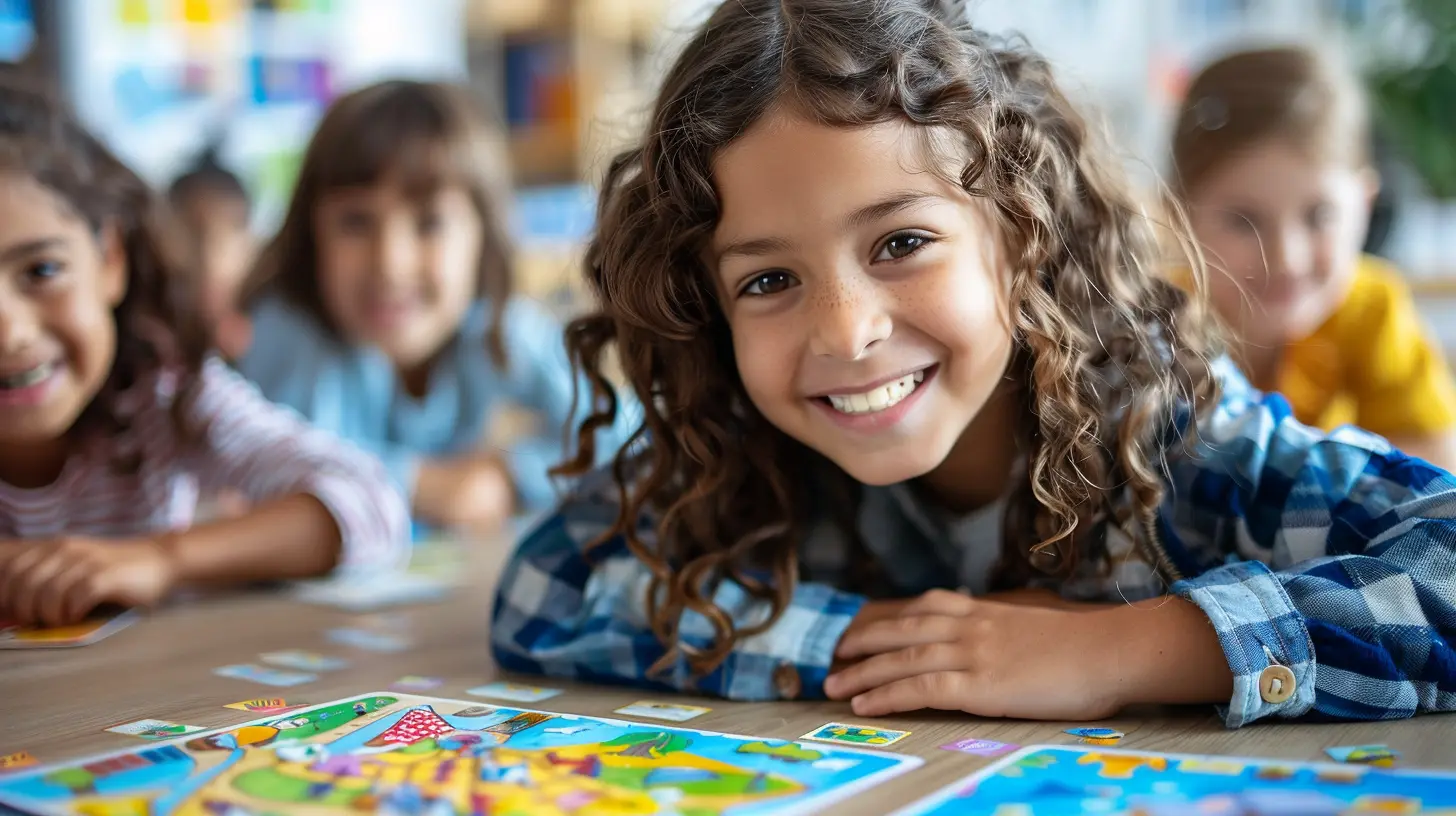
Why Games Matter in Early Childhood Education
Before we start talking about the “how,” let’s clarify the “why.” Why should parents and educators consider games as valuable educational tools for young children?Well, think about how kids learn best. They aren’t drawn to rote memorization or rigid classroom lectures. They learn when they're engaged, curious, and free to explore. Games do just that—they turn learning into an adventure. Every challenge is a puzzle, every level is a lesson, and every reward sparks motivation. It's like turning broccoli into cake—learning becomes irresistible.
The Brain Loves Play: Cognitive Benefits of Games
Let’s kick things off with cognitive development. At the core of every educational game is a skill waiting to be exercised.1. Problem-Solving and Critical Thinking
Games often present problems that need solving. Whether it's figuring out a maze, sorting shapes, or building something virtual, kids are using logic and making decisions. These aren’t just game mechanics—they're brain workouts.Imagine a child playing a game where they need to help a character cross a river using limited tools. That’s more than just fun; it’s a lesson in problem-solving, sequencing, and resource management. And you know what's cool? They don’t even realize they’re learning—they just think they’re saving the day.
2. Memory and Attention
Ever played a matching card game with a toddler? It’s adorable—and surprisingly educational. Matching games, sequencing activities, and pattern recognition games help build working memory and attention span. It's like giving their brain a set of dumbbells and saying, "Time to lift!"Digital platforms have taken this further by using adaptive technologies that adjust the difficulty based on the child’s progress. It keeps them engaged without overwhelming them, striking that sweet spot where learning thrives.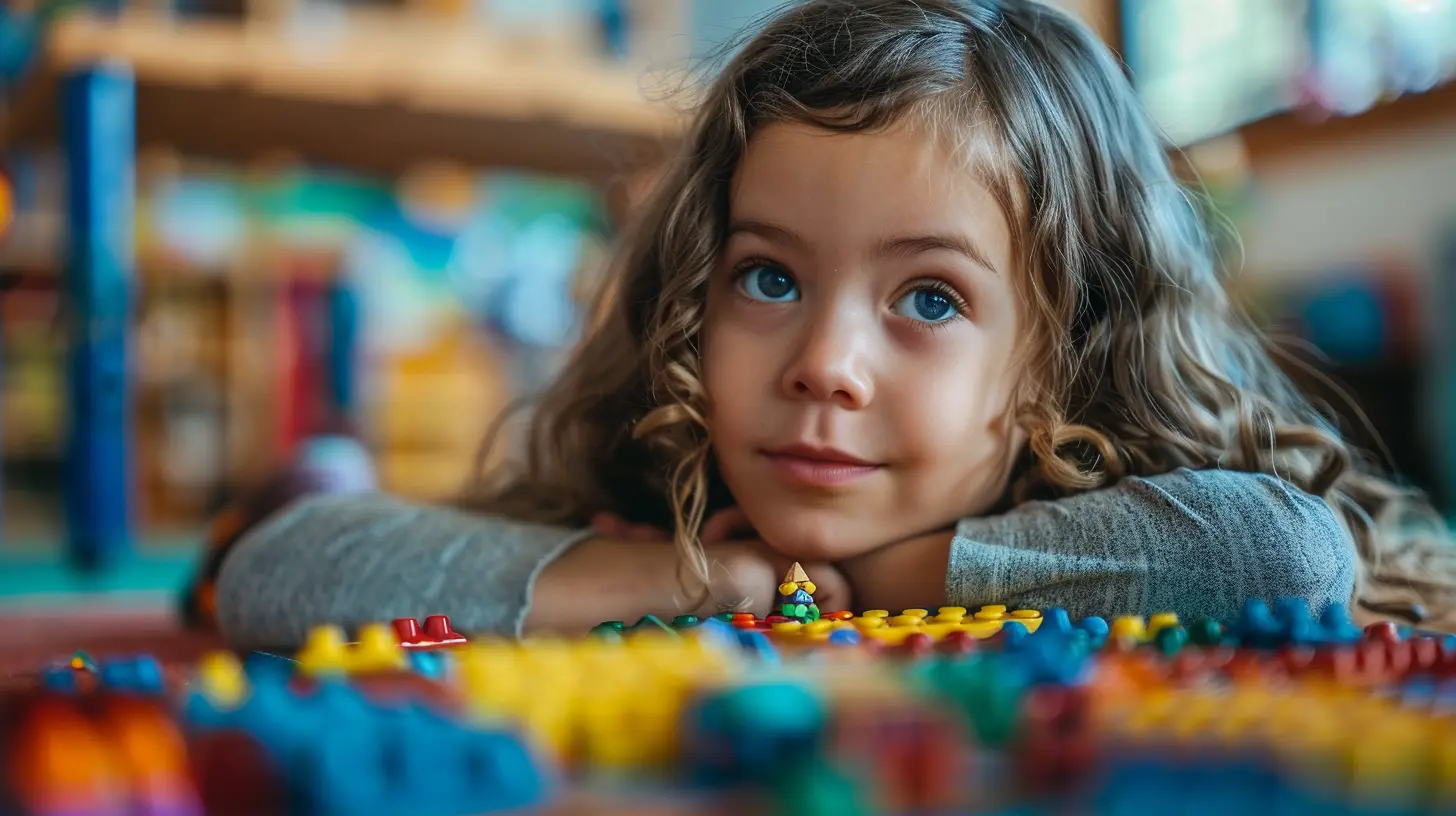
Social Skills: More Than Just Taking Turns
Games aren’t just about solo play. In fact, one of the most profound benefits of early childhood games is how they teach social interaction.3. Communication and Cooperation
Picture a group of kids playing a simple board game. They have to take turns, follow rules, and maybe even negotiate or collaborate. These aren't just game mechanics; they're life skills in the making.Through multiplayer games—whether in person or online—children learn to express ideas, listen to others, and work as a team. These experiences lay the groundwork for handling social situations later in life, from group projects to workplace dynamics.
4. Empathy and Emotional Regulation
Many story-based games put kids in the shoes of characters facing challenges or emotions. Maybe it’s helping a sad panda find their lost toy or choosing what a character should do when someone is mean to them. These scenarios might seem simple, but they help kids understand emotions and develop empathy.And let’s not forget—games often deal with loss (you didn’t beat the level) or frustration (it's super hard). Learning how to manage disappointment in a safe game environment helps kids develop emotional resilience. They learn to try again, to keep going. That’s a life lesson right there.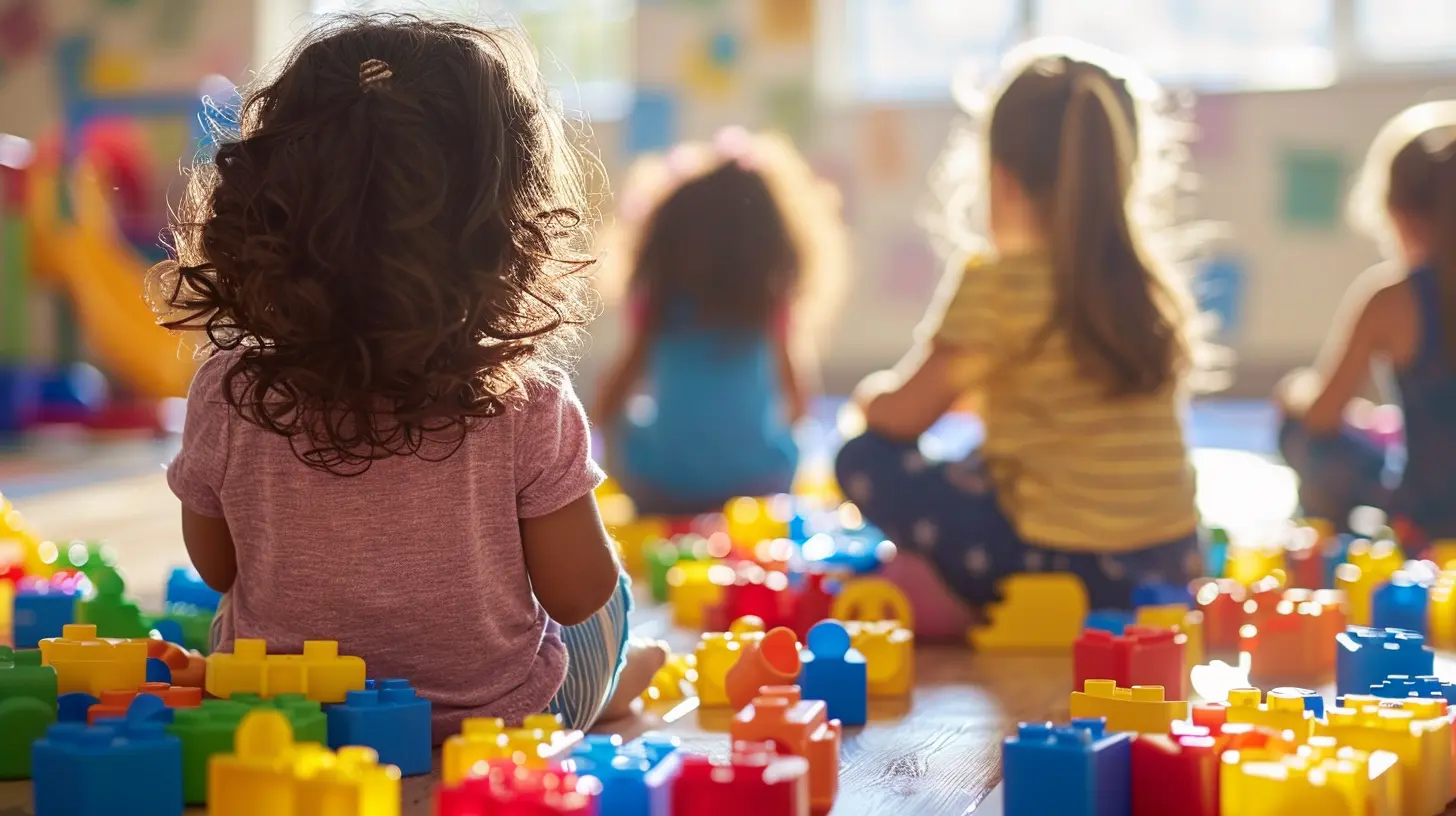
Language and Literacy Through Play
You might not think of games as vocabulary boost tools, but oh boy, they totally are.5. Language Development
Many educational games center around learning letters, sounds, and words. Interactive story games, vocabulary puzzles, and phonics apps all introduce language in ways that stick. Songs, rhymes, and storytelling elements tap into how young children naturally acquire language.And because children are actively engaging with the content—clicking, speaking, choosing—they’re more likely to retain what they learn. Interactive storytelling games, for example, can spark a passion for reading and even creative writing.
6. Foundational Literacy Skills
Games also help children recognize letters, understand how sentences are formed, and develop pre-reading skills. Think of alphabet recognition games, rhyming activities, or puzzles where kids put together words. These aren’t just prep for school—they’re early steps toward becoming confident readers.Math Made Fun: Numeracy Development with Games
Math can be intimidating—even for adults. But bring it into a game, and suddenly it’s exciting.7. Counting and Number Recognition
Simple math games with counting apples, adding up coins, or identifying shapes and numbers make math feel less like a chore and more like a game of discovery. For young kids just grasping the basics, this kind of visual and tactile learning is priceless.8. Patterns and Logical Thinking
Many games involve recognizing patterns or sequences. Whether it’s lining up shapes in a sort-and-match game or predicting the next step in a logic puzzle, these skills are essential building blocks for later math success.Let’s face it—math doesn’t have to be dull. With the right games, it becomes an exciting challenge rather than a dreaded subject.
Physical Benefits: Yes, Games Can Get Kids Moving
Not all games are screen-based. There’s a whole world of physical play that supports development too.9. Fine and Gross Motor Skills
Board games where kids roll dice or move small pieces improve fine motor skills. Outdoor games like hopscotch, tag, or anything involving a ball help with gross motor skills and coordination. Even video games that use motion sensors get kids moving and grooving.And let’s not underestimate the value of movement in learning. Studies show that physical activity enhances memory and focus. When kids move, they’re not just burning energy—they're building brainpower.
Digital vs. Traditional Games: What’s Better?
Honestly? Both have their place. Traditional games often involve more face-to-face interaction and can build physical and social skills. Digital games offer adaptability, instant feedback, and access to a wider range of learning experiences.The trick is balance. Use screen time wisely and complement it with traditional play. Encourage games that require creativity, problem-solving, or physical movement. Avoid ones that only offer instant gratification without real learning value.
Choosing the Right Games for Educational Growth
Not all games are created equal. Want to choose games that truly support a child’s education? Here’s what to look for:- Age-Appropriate Content: Make sure the game matches the child’s developmental stage.
- Clear Learning Objectives: Does the game teach a specific skill? (e.g., counting, reading, problem-solving)
- Engaging But Not Overstimulating: Flashy visuals are okay, but too much can distract from the learning.
- Encourages Creativity: Look for games that let kids explore, create, or imagine rather than just follow instructions.
- Positive Reinforcement: Good educational games encourage persistence and reward effort—not just getting the “right” answer.
Remember, the best games don’t just entertain—they spark curiosity and build confidence.
The Parent and Educator’s Role
While games are awesome educational tools, they're not a hands-off solution. Kids need guidance to get the most out of their playtime. That might mean sitting down and playing with them, asking open-ended questions during gameplay, or setting healthy limits on screen time.Parents and educators can also help children make connections between what they do in the game and real-life experiences. For example, if a game teaches counting, ask your child to count snacks or toys during daily activities. If it involves helping others, talk about kindness in real life.
Games open the door—but it’s up to us to walk through it with them.
When Learning Feels Like Play, Everybody Wins
At the end of the day, kids are natural learners. They’re little sponges, soaking up the world around them. Games just tap into that instinct, making the process joyful and exciting.Early childhood education isn’t about drilling facts—it’s about building foundational skills, nurturing curiosity, and encouraging exploration. Games bring all that to the table, wrapped in laughter and delight.
So next time your child begs to play a game—say yes. Join in. Ask questions. Encourage creativity. Because behind that giggle or victory dance, important brain connections are forming.
And honestly? That’s the kind of magic we should celebrate.
all images in this post were generated using AI tools
Category:
Games For KidsAuthor:

Emery Larsen
Discussion
rate this article
2 comments
Theo Henson
Games can enhance learning in early childhood, making education engaging and interactive.
June 2, 2026 at 4:52 AM
Emery Larsen
I completely agree. Games not only make learning fun but also help children develop essential skills in an interactive way.
Xena Bowman
Games enhance learning engagement.
May 18, 2026 at 2:45 AM
Emery Larsen
I completely agree. Games make learning interactive and fun, keeping young kids motivated and eager to explore.