How Sci-Fi Games Approach Genetic Modification
19 May 2026
Ever dreamed of upgrading your DNA to run faster, jump higher, or maybe even become invisible? Well, in the world of sci-fi games, that’s not just a fantasy—it’s game mechanics! Genetic modification in sci-fi games has exploded into a thrilling playground of imagination, science, and moral ambiguity. Some games go full mad-scientist mode, while others tiptoe delicately around the implications of rewriting human biology.
In this post, we're diving deep into how sci-fi games tackle genetic modification. From upgrading your hero to crafting entire species, get ready for an exciting ride through the digital DNA lab!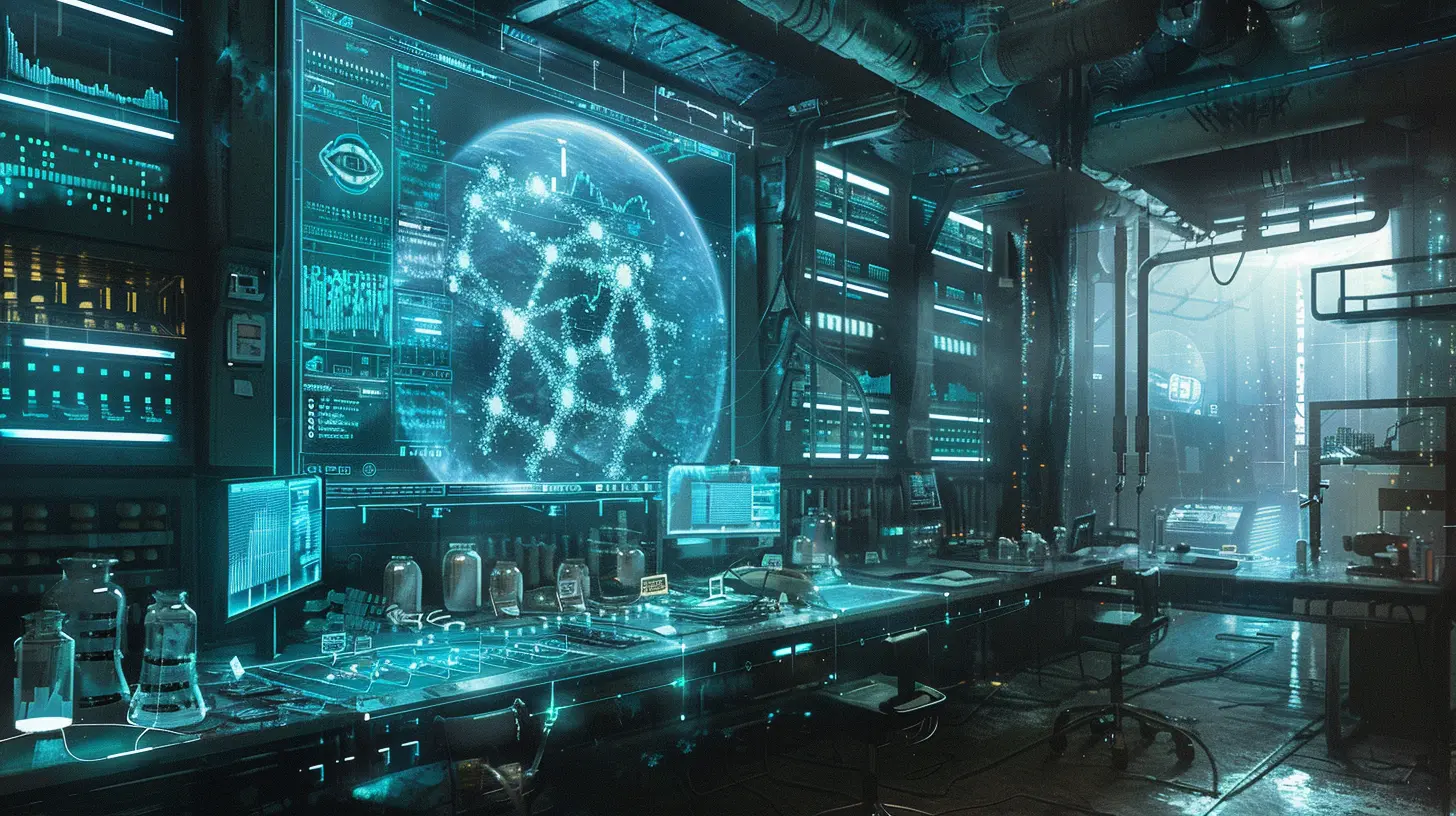
What Exactly Is Genetic Modification in Games?
Okay, before we blast off, let’s ground ourselves: what does "genetic modification" even mean in the context of sci-fi games? Simply put, it's the ability to alter a character’s genetic makeup—boosting traits, fixing flaws, or introducing superhuman abilities. It’s like editing your character’s source code!In most games, this can show up as:
- Traits or ability boosters
- Cosmetic changes (hello glowing eyes!)
- Narrative choices
- Systemic world-building elements
And depending on the tone of the game, it can be portrayed as a miracle of science or a complete ethical minefield.
Why Is Genetic Modification So Popular in Sci-Fi Games?
Let’s face it—science fiction is all about bending the rules of reality. Genetic modification lets game devs go wild with creativity. Better yet, it gives players agency to shape their characters in deeply personal (and sometimes bizarre) ways.Think about it—who wouldn’t want to craft the perfect stealth assassin with night vision eyes and silent footsteps? Or design a telepathic diplomat who can manipulate conversations with a tilt of the head?
Sci-fi games love genetic modification because:
- It feeds player fantasies of control and customization
- It opens doors for innovative gameplay mechanics
- It makes narrative themes richer and edgier
- It taps into our real-life curiosity (or fear) about biotech
The result? A genre that feels fresh, futuristic, and full of “what if” moments!
The Most Iconic Sci-Fi Games That Use Genetic Modification
Let’s highlight some heavy-hitters in the sci-fi genre and how they tackled genetic tweaking.1. BioShock: Plasmids and Adam, Baby!
You knew this was coming! In the legendary BioShock series, genetic modification isn’t just a feature—it’s a core mechanic. The underwater world of Rapture is built on the idea that humans can (and should!) rewrite their biology with a substance called ADAM.Want to shoot fireballs? There’s a plasmid for that.
Electrocute enemies? Yep, easy.
Become an invisible ninja? You got it!
But here's the twist—BioShock doesn’t just hand over powers. It wrestles with the morality of tampering with human nature and explores the societal collapse that follows. It’s a beautiful mess of power and consequence.
2. Mass Effect: Biotics and Genetic Design
Okay, Mass Effect fans, gather 'round! While the game focuses more on space politics and intergalactic shooting, it definitely dips its toes in the gene pool. Biotics (telekinetic powers) are often the result of exposure to element zero during gestation—which is basically a sci-fi way of saying, “Congratulations, your baby has superpowers.”Also, let’s not forget the genophage—a forced sterilization of an entire alien race to control their population. That’s heavy stuff, and it shows how gene modification isn’t always about cool powers—it can be real, political, and deeply tragic.
3. Deus Ex: Mechanical and Genetic Augmentation
In the Deus Ex series, you don’t just modify genes—you rebuild yourself entirely. While the spotlight is often on mechanical augmentations, the gene side still plays an essential role. The game asks tough questions: What does it mean to be human when your DNA isn’t entirely yours? Who gets to control these upgrades?You're not just a player in Deus Ex—you're walking, talking bioengineering!
4. Spore: Build-a-Species!
Now, for something a little more playful: Spore. This quirky gem lets you evolve a species from a single-cell organism into a space-faring civilization. Genetic modification in Spore is less about ethics and more about creativity. Customize limbs, color patterns, eyes, mouths—it’s like evolutionary LEGO.Sure, it’s light-hearted. But it’s still a brilliant take on how genes can shape not just individuals, but entire ecosystems.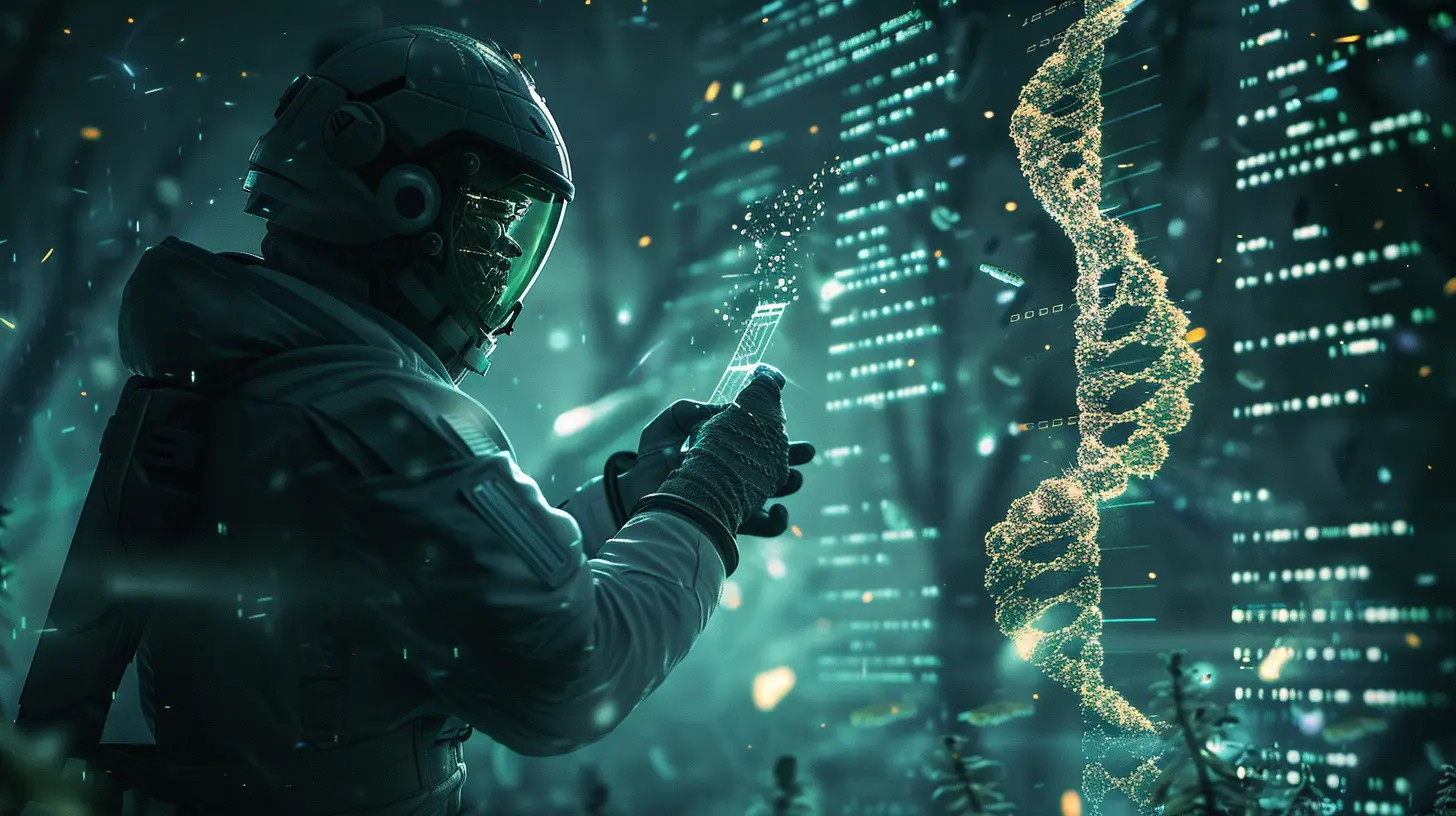
Gameplay Mechanics: How Do Games Treat Genetic Modification?
Now let’s get nerdy for a sec (but in a fun way). How do games actually implement genetic modding mechanics?✔️ Character Customization
This is the most common and accessible form—especially in RPGs. You tweak your genetic code to enhance specific abilities. Want to be super strong or ultra sneaky? Snip that DNA!Examples: Cyberpunk 2077, Starfield
✔️ Skill Trees & Ability Unlocks
Sometimes gene mods are hidden behind skill trees. This gamifies the advancement of your own synthetic evolution.Examples: XCOM 2 (with genetic labs), Warframe
✔️ Resource Management
Ah yes, the mad science approach. You're collecting samples, experimenting, and risking side effects. Think of it like playing god… but with a crafting table.Examples: The Surge 2, Fallout 4 (Institute faction)
✔️ Narrative Branches
Some games use genetic choices as plot devices. How you’ve modified your body may impact who trusts you or how factions react. It's storytelling on a molecular level!Examples: The Outer Worlds, Alpha Protocol
Ethics and Storytelling: The Morality of Gene Tweaking
Here's where things get spicy. Sci-fi doesn’t just show you burning hands or laser eyes—it digs into the "should we" of it all.Genetic modification in games often comes with deep ethical layers:
- Is it right to engineer the “perfect” human?
- Should we alter soldiers to be better at killing?
- Can we sidestep disease or aging without losing our humanity?
Games like BioShock and Deus Ex raise these questions boldly. Others, like Mass Effect, wrap them in diplomacy and tragedy. Even lighter games like Spore imply that every tweak has a ripple effect on evolution.
That’s the magic of sci-fi gaming—it makes you think while you’re busy zapping aliens with DNA-powered eye beams.
How These Games Reflect Real-World Science
Alright, let’s talk real life for a sec. With tech like CRISPR becoming a household name, genetic modification is no longer pure fiction. Games are increasingly reflecting current public debates and scientific advances.Ever noticed how game discussions include:
- Genetically modified soldiers
- Designer babies
- Cure-all DNA therapies
- Evolving pathogens
That’s not just fiction—it’s echoing actual research articles and TED Talks!
Games become a safe sandbox where we can explore these topics without real-world consequences. It's like a trial run for ethical decision-making in the age of gene editing.
Future Trends: What’s Next for Gene Mods in Gaming?
We’re just scratching the petri dish here! As graphics improve and stories get deeper, expect even more complex takes on gene editing.Here's what we might see:
- Fully dynamic DNA systems that let you truly customize your evolution
- Multiplayer gene labs where you trade genetic recipes
- Mods that adapt to your playstyle (literally mutating your genome!)
- Ethical AI that judges your genetic choices
Imagine a game where your decisions about your DNA impact generations after your character. A game that tracks not just what you did, but who you became. The future? It's gonna be wild—and possibly glowing in the dark.
Final Thoughts: DNA Meets Dreams
So, there you have it—sci-fi games and genetic modification are a match made in a hyper-evolved heaven. Whether it’s for gameplay variety, storytelling depth, or sheer creative fun, gene tweaking adds a delicious layer of complexity to modern games.And let’s be real—it’s hecka fun to inject a few DNA strands and become a fire-tossing, mind-reading, time-slowing mutant hero.
So next time you're in a sci-fi world and someone offers you a genetic upgrade, just ask yourself: "Would a superlung make me cooler... or just ethically complicated?"
Maybe both. And that’s the fun of it!
all images in this post were generated using AI tools
Category:
Sci Fi GamesAuthor:

Emery Larsen
Discussion
rate this article
2 comments
Jax Wheeler
Sci-fi games often explore the ethics and consequences of genetic modification, blending advanced technology with human experience. This approach raises questions about identity and morality, making players reflect on the potential futures we might face.
June 27, 2026 at 4:05 PM
Emery Larsen
You make a great point. The intersection of technology and humanity in sci-fi games truly challenges players to consider the deeper implications of genetic modification on identity and ethics. It's fascinating how these narratives can spark such profound reflections.
Alexander Ellison
Sci-fi games often explore genetic modification as a double-edged sword, showcasing both its potential for enhancement and the moral dilemmas it raises. This tension drives narratives, compelling players to confront the implications of altering human nature.
May 23, 2026 at 2:36 PM
Emery Larsen
Absolutely, that tension makes for rich storytelling. The moral complexities of genetic modification push players to think critically about the consequences of their choices in these games.