How Sci-Fi Games Help Us Imagine the Future
18 July 2026
Ever played a sci-fi game and felt like you were peeking into the future? You're not alone. Sci-fi games aren’t just about aliens, space wars, or futuristic tech—they’re about possibilities. They spark curiosity, raise questions, and often give us a taste of what could be. These games stretch the boundaries of imagination, nudging us to think beyond the now. So let's dive in and see how sci-fi games play a major role in helping us picture our future worlds.
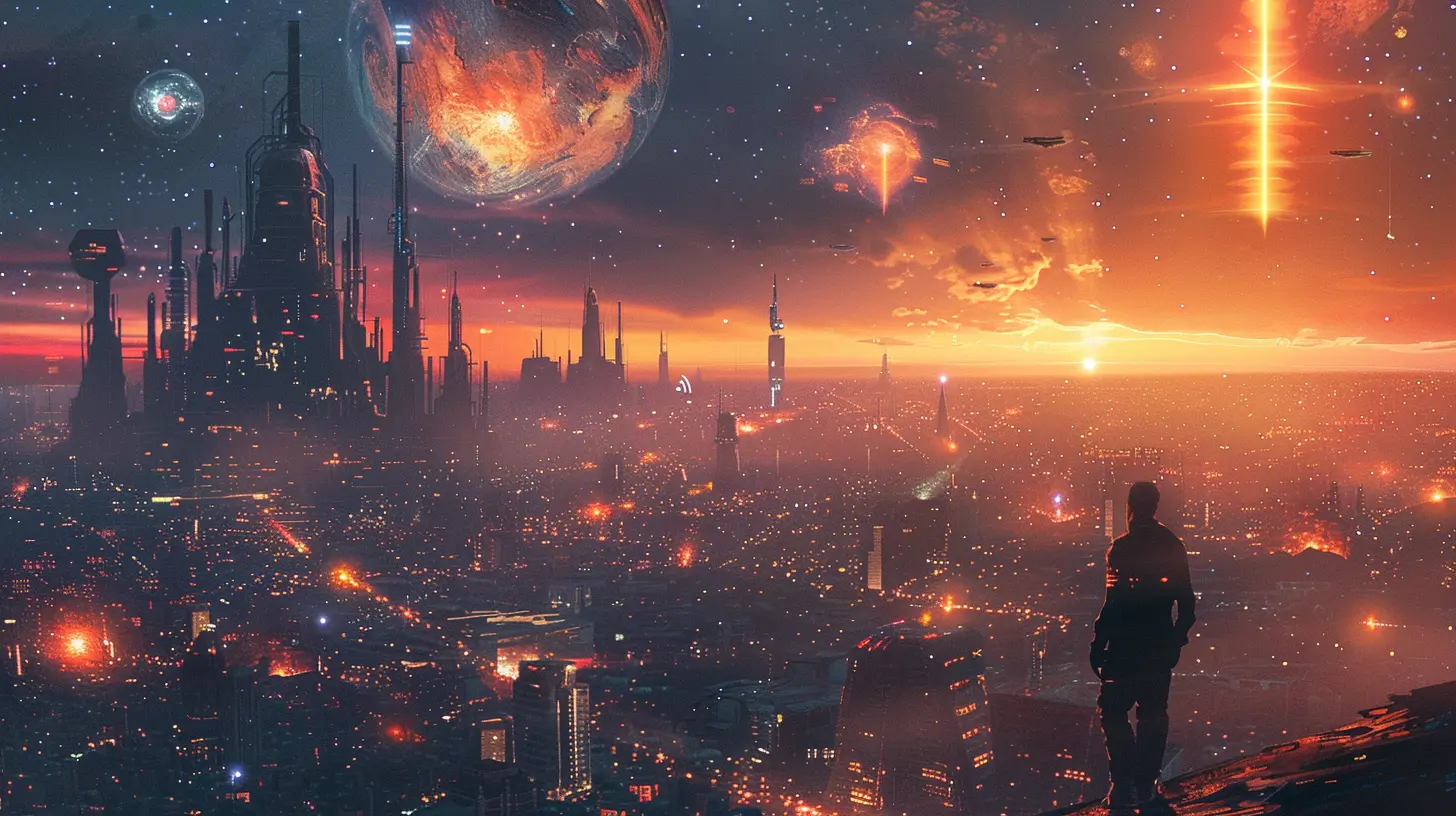
Familiar Worlds, New Rules
One of the coolest things about sci-fi games is how they mash up the familiar with the unfamiliar. You might be standing in a high-tech city with flying cars, AI assistants, and neon-lit skyscrapers, but the emotions—fear, victory, curiosity—are all very human. This blend makes the unimaginable feel relatable. It’s not just “what if,” it’s more like “what when?”Games like Cyberpunk 2077 or Mass Effect drop us into hyper-advanced societies, but the people in them still deal with things like inequality, corruption, love, and fear. That makes the experience hit closer to home. It’s like turning a crystal ball into a console—only way more fun.
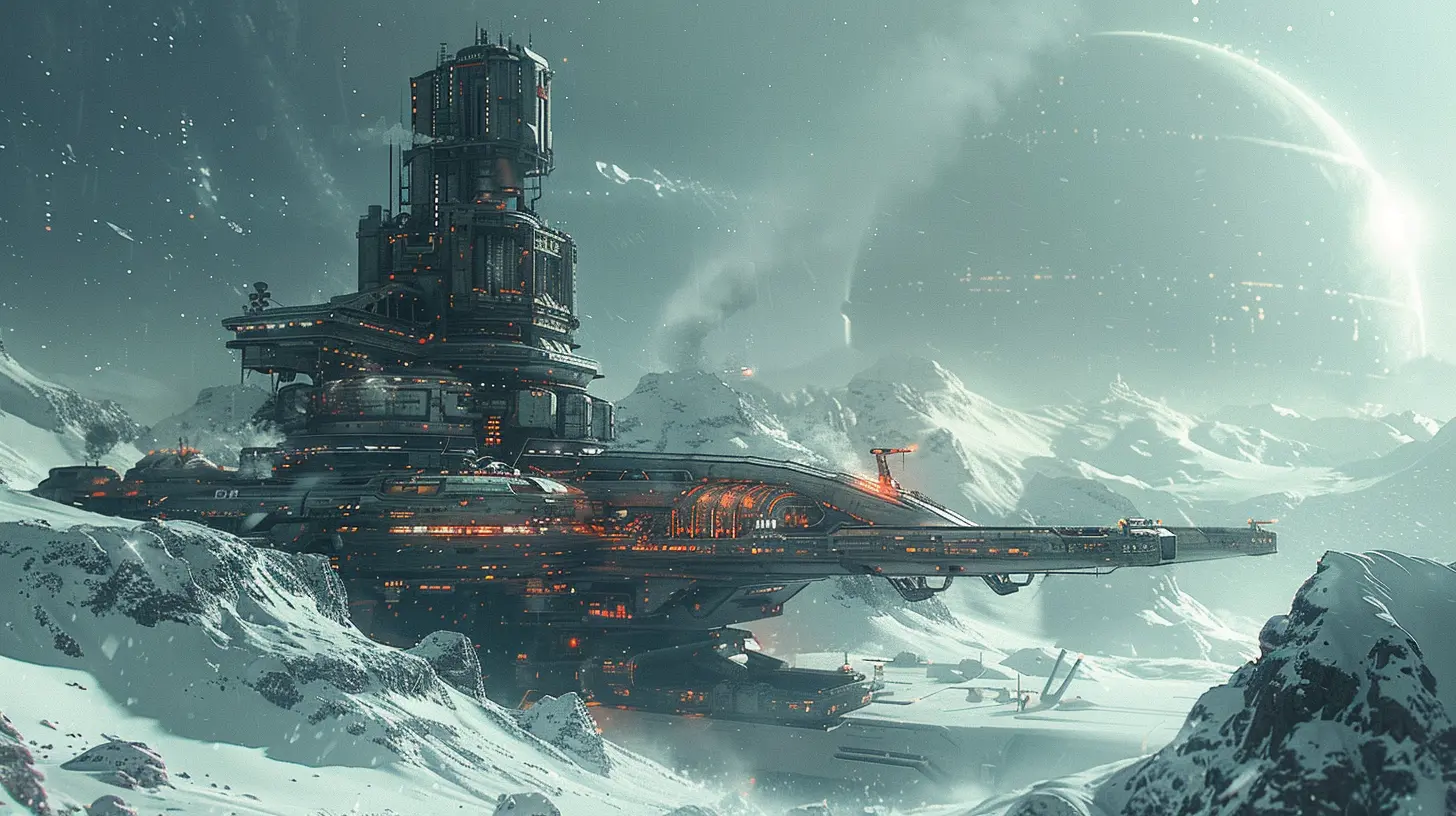
They Show Us the Tech of Tomorrow
Let’s be honest, sci-fi games are basically playgrounds for futuristic tech. You get to mess around with gadgets that haven’t even been invented yet. Think about the Omni-tool in Mass Effect, or the augmented reality interface in Deus Ex—these aren’t just cool in-game mechanics. They're blueprints for future innovations.Gamers have been interacting with virtual assistants, AI decision-makers, and drone tech in games long before they became real. In many ways, developers are like modern-day oracles. They imagine it, we play it, and then—boom—some real-world startup tries to make it happen.
Ever used voice commands for your smart home? That's everyday stuff now, but gamers were already doing that with virtual assistants in futuristic games years ago.
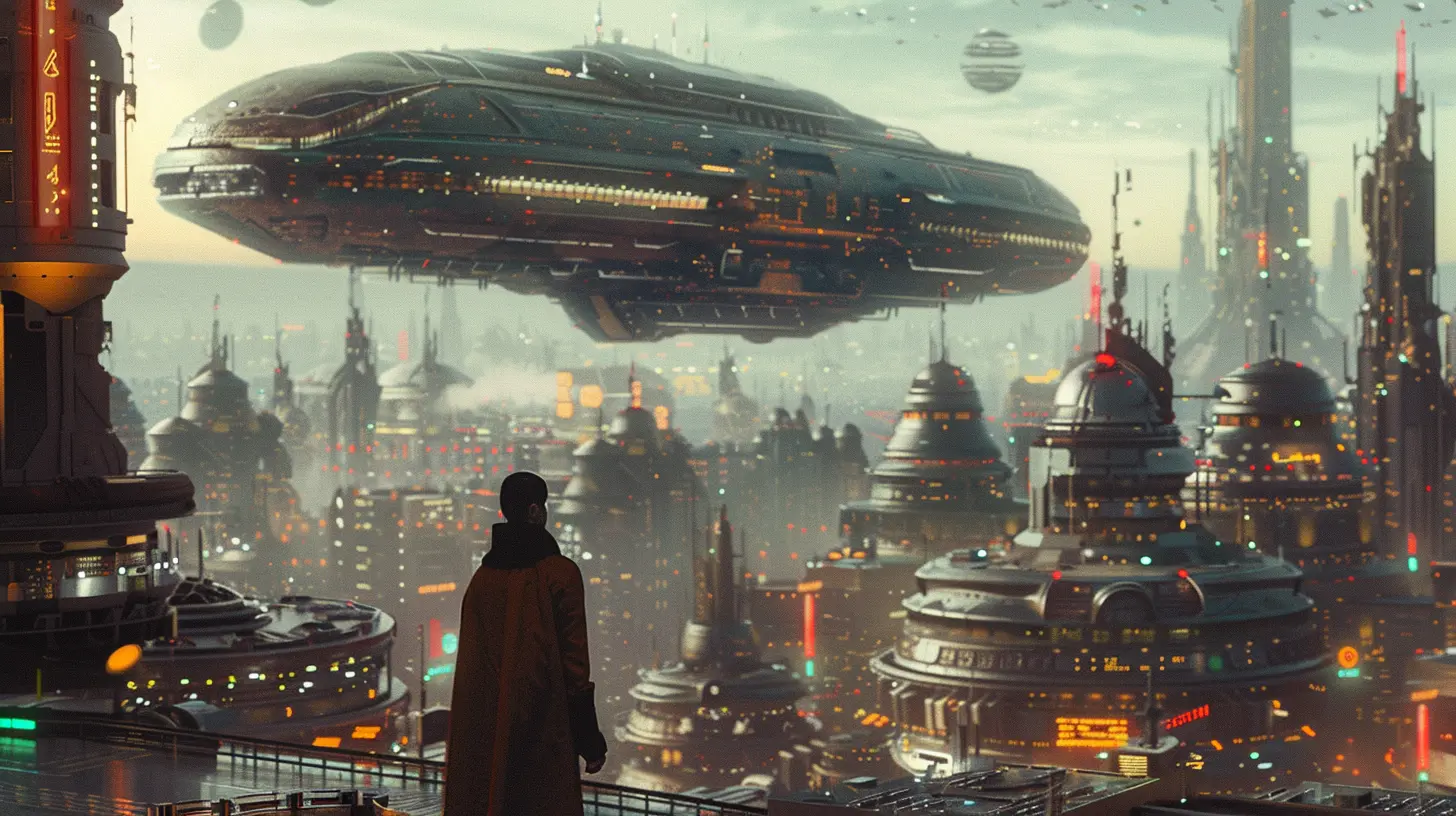
Encouraging Scientific Curiosity
Who says games can't be educational? Sci-fi games often sneak in real science, cool theories, and space facts without making your head spin. Games like Kerbal Space Program actually teach you the physics of rocket science (yes, actual rocket science!) while still being insanely fun.Even more, games like No Man’s Sky and Elite Dangerous give players a universe-sized sandbox. They're not just games—they’re like digital telescopes. You explore planets, mine resources, and chart galaxies. If that doesn’t light a fire under your inner astronaut, what will?
By making science exciting and interactive, sci-fi games are grooming today’s players to be tomorrow’s scientists, engineers, and explorers.
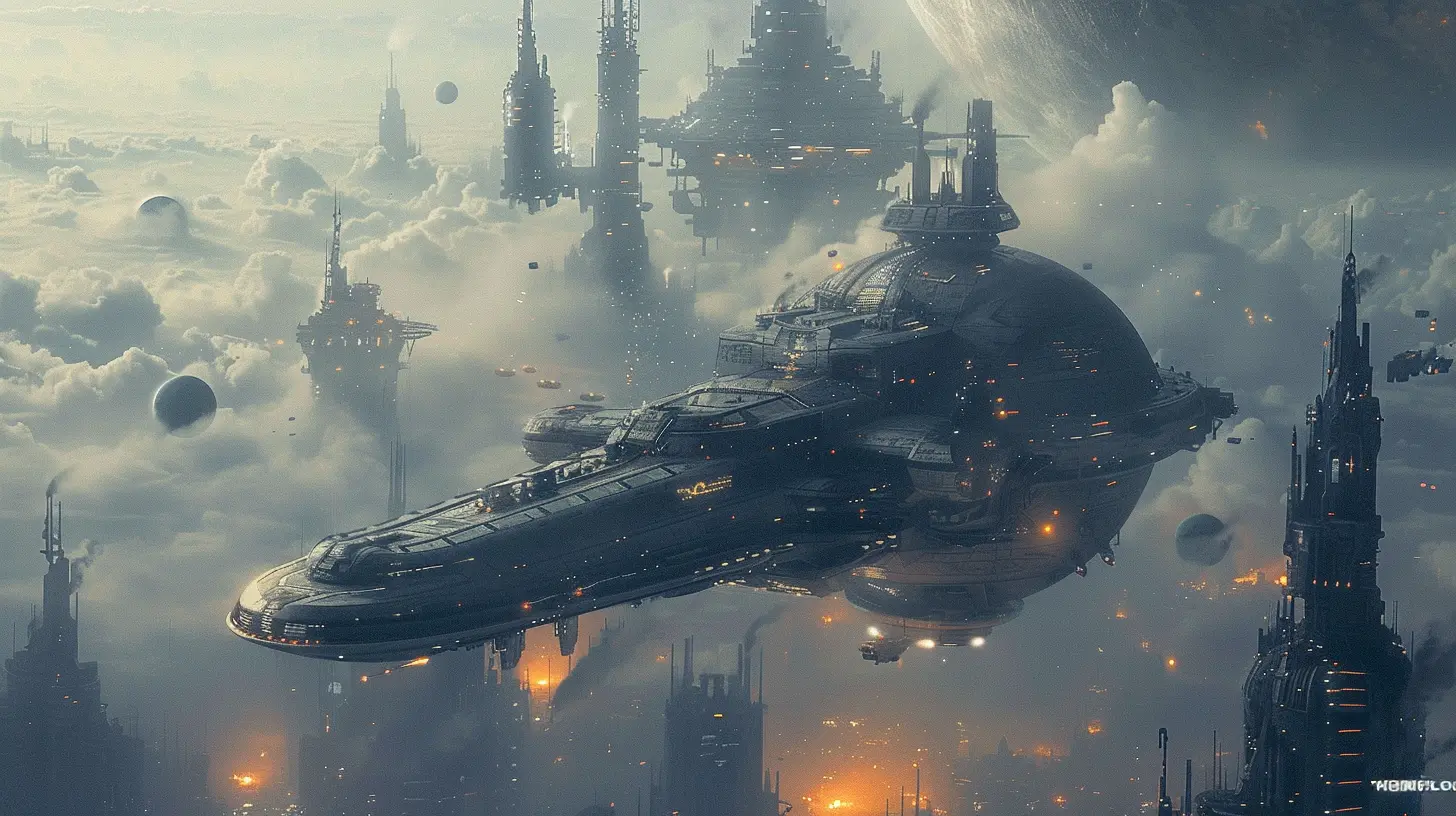
Ethical Dilemmas in a Digital World
Here’s where sci-fi games get deep. They don’t just throw wild tech at you—they force you to think about its impact. Should AI have rights? Would you trust a clone of yourself? Is it okay to sacrifice privacy for safety?Games like Detroit: Become Human and The Outer Worlds toss you headfirst into moral grey areas. You're not just playing—you’re judging, deciding, and often second-guessing.
This is where imagination grows roots in real-world ethics. These games train us to think critically about the tech we’re rapidly creating. It's like running future scenarios without the real-world risk.
Reimagining Society and Culture
Ever wonder what society could look like if we started over? Sci-fi games let us reset the board. Whether it's rebuilding civilization after an apocalypse or creating a new colony on Mars, games put the power of world-building into our hands.Take Surviving Mars or Fallout—they give us the chance to lead, govern, and make tough calls. You're not just along for the ride. You're shaping an entirely new way of life. That’s a hefty bit of social experimentation wrapped in epic gameplay.
Plus, these games often feature diverse characters, cultures, and ideologies. They challenge our views and stretch our definitions of what’s “normal.” It’s empathy training with laser guns.
Fueling the Creative Engine
Let’s not forget the creative crowd. For writers, artists, and inventors, sci-fi games are goldmines of inspiration. The visuals? Stunning. The lore? Deep as the Mariana Trench. The possibilities? Endless.You might play a game today and come up with a story idea tomorrow. Or maybe you design a ship in a game and later sketch it into a real architectural project.
Games like Starfield and Halo have already influenced movies, books, and even tech designs. It’s all interconnected. Sci-fi games don’t just imagine the future—they help build it.
Practicing Problem-Solving With High Stakes
Most sci-fi games throw you into chaos and expect you to figure things out. Whether it's a ship stranded in deep space or a city running out of oxygen, you're constantly solving problems.This isn't just click-and-go gameplay. You're strategizing, adapting, and learning on the fly. These games train your brain to handle situations that don’t even exist yet. It's like a mental gym for the future.
Games like Subnautica and Alien: Isolation take it a step further by adding survival elements. You're not just solving puzzles, you're staying alive. This amps up the stakes and pushes you to think faster and smarter.
Blurring the Line Between Virtual and Real
Let’s talk about immersion. Today's sci-fi games are so detailed, so atmospheric, that it's easy to forget you're staring at a screen. VR headsets? Haptic feedback? Games like Half-Life: Alyx make it feel like you're physically there.These immersive experiences are turning gamers into future-dwellers. You're not just watching a story unfold. You're living it, feeling it, reacting to it. That emotional connection makes the imagined future feel real—and that's powerful stuff.
Community-Fueled Innovation
The sci-fi gaming community is absolutely wild—in a good way. Mods, fan theories, custom stories—you name it, we make it. This constant feedback loop between devs and players creates a space where bold ideas take root.One minute, someone’s creating a fan mod with solar-powered cities; the next, a game dev is coding it into a full release. It’s proof that when imagination meets passion, the future is literally in our hands.
Training for the Real Thing
Believe it or not, some professionals use games as training tools. NASA has explored the idea of recruitment and problem-solving through simulation-style games. Even the military and medical industries use sci-fi game mechanics for practice.Why? Because games offer risk-free environments to test theories, train skills, and simulate extreme scenarios. It’s like having a simulator for the future, accessible to anyone with a console or PC.
Final Thoughts: More Than Just Play
Sci-fi games aren’t just escapism. They're experiences filled with emotion, challenge, curiosity, and yes—potential reality. They’re digital petri dishes where the future is tested, explored, and even questioned.Next time you’re deep in a futuristic battle or navigating a space colony, remember: you’re not just playing. You’re imagining tomorrow.
So fire up your console, plug into your VR headset, or launch that PC game you’ve been meaning to try—because the future might just start with your next playthrough.
all images in this post were generated using AI tools
Category:
Sci Fi GamesAuthor:

Emery Larsen