How Sci-Fi Games Push the Boundaries of Imagination
30 April 2026
Science fiction has always been about the "what ifs"—what if we could travel faster than light, what if robots gained consciousness, or what if entire civilizations lived on other planets? Now, take all that wild speculation, wrap it into an interactive experience, and boom—you’ve got sci-fi games. These aren’t just digital escapes; they’re creativity playgrounds where imagination runs wild and reality takes a backseat.
If you’ve ever piloted a starship through a wormhole or battled aliens with plasma rifles, you already know the deal. But in this article, we’re diving deep—like, quantum-level deep—into how sci-fi games push the imagination to its limits and then some. So, buckle up, space cowboy, because it’s going to get intergalactic.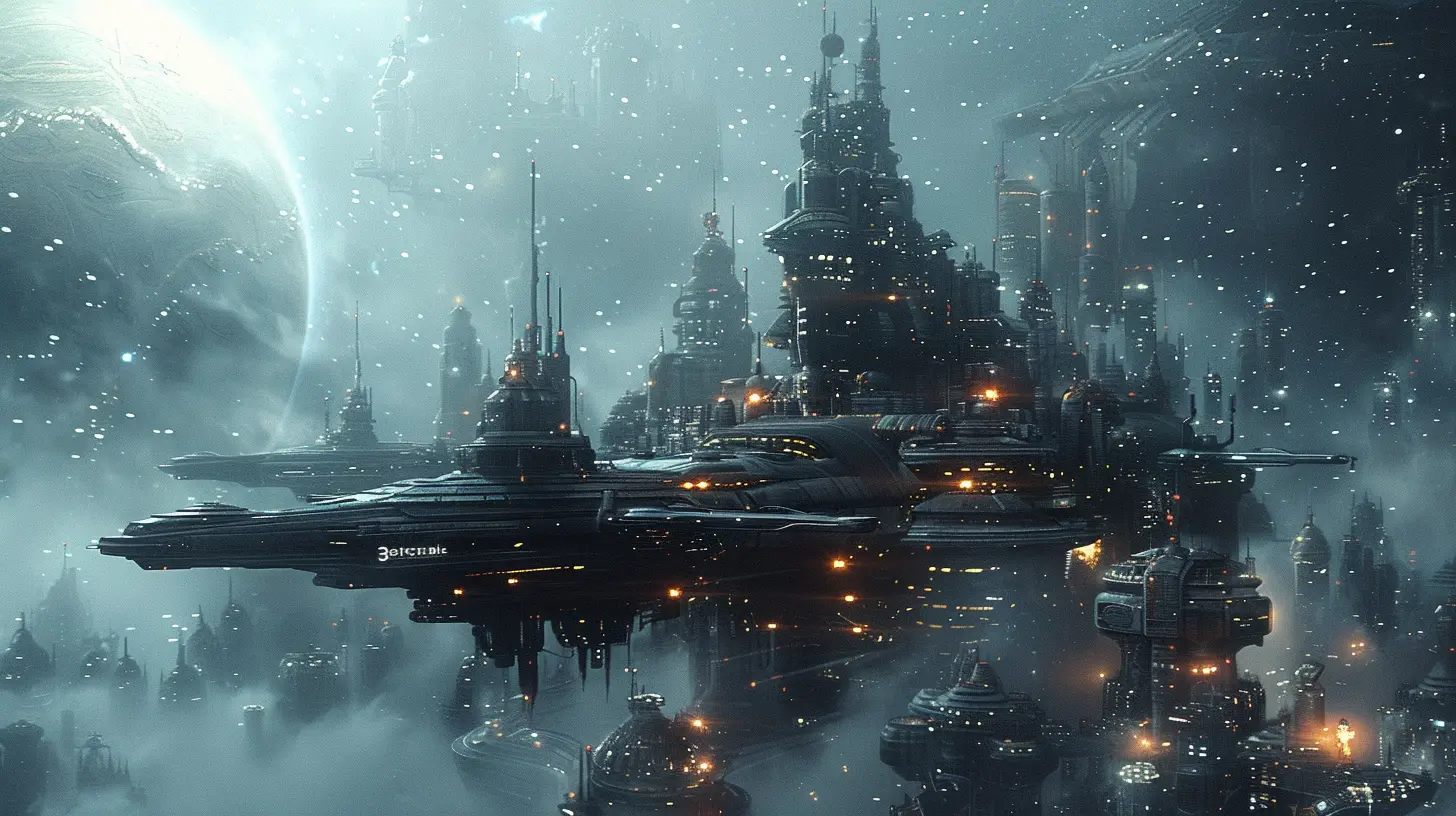
The Core Of Sci-Fi: What Makes A Game "Sci-Fi" Anyway?
Before we jump into the cosmic fireworks, let’s break it down: what actually makes a game "sci-fi"?Sci-fi games usually involve:
- Futuristic tech (hello, jetpacks)
- Aliens or otherworldly creatures
- Space travel and distant galaxies
- Advanced robotics and AI
- Time travel or alternate dimensions
It’s a genre that dances on the edge of science and pure fantasy. But what sets sci-fi apart is its drive to ask big questions—about society, humanity, technology, and the unknown.
And when you throw players into the driver's seat of these mind-bending worlds? That’s where the magic happens.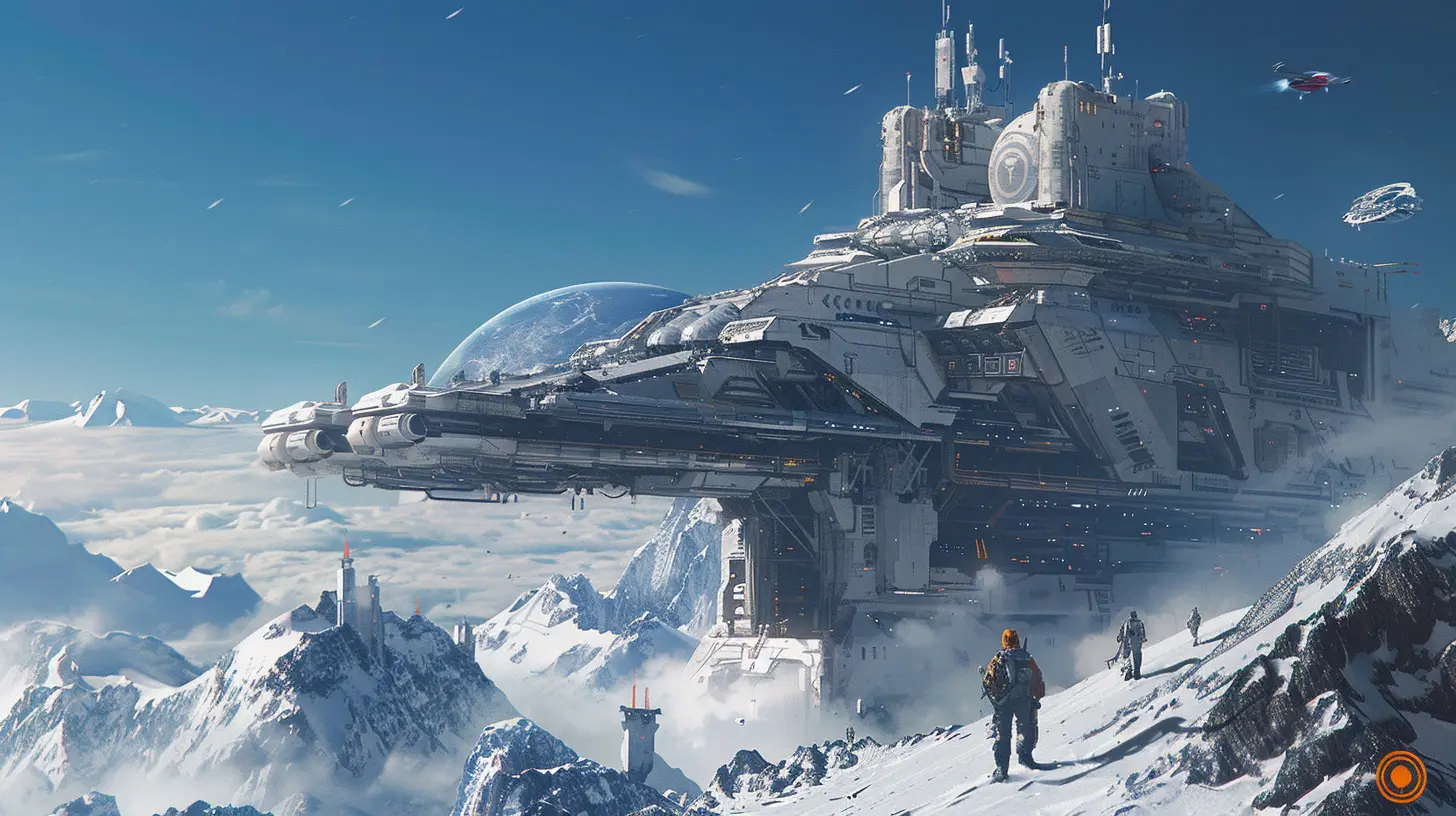
Building New Worlds: The Art of Sci-Fi World-Building
One huge reason sci-fi games fuel imagination is that they’re basically giant “what if” machines. Seriously, ever played Mass Effect or No Man’s Sky? These games don’t just offer new levels—they offer new galaxies.Environment Is Everything
Sci-fi developers are world-builders. They’re not bound by Earth’s boring ol' physics. Floating cities? Done. Lava-covered planets? No problem. Giant sentient mushroom forests? Why not.These environments are designed to humble you, to make you feel like a tiny spec in a massive and mysterious universe. And you know what? That feeling of awe? That’s your imagination being stretched.
Atmosphere Matters
From eerie silence on a derelict spaceship to the thunderous hum of hyperspace, the audio and visual layers in sci-fi games play a huge role in immersion. The more sensory details you absorb, the more your brain fills in the blanks—and suddenly, you're living in a world that never existed before.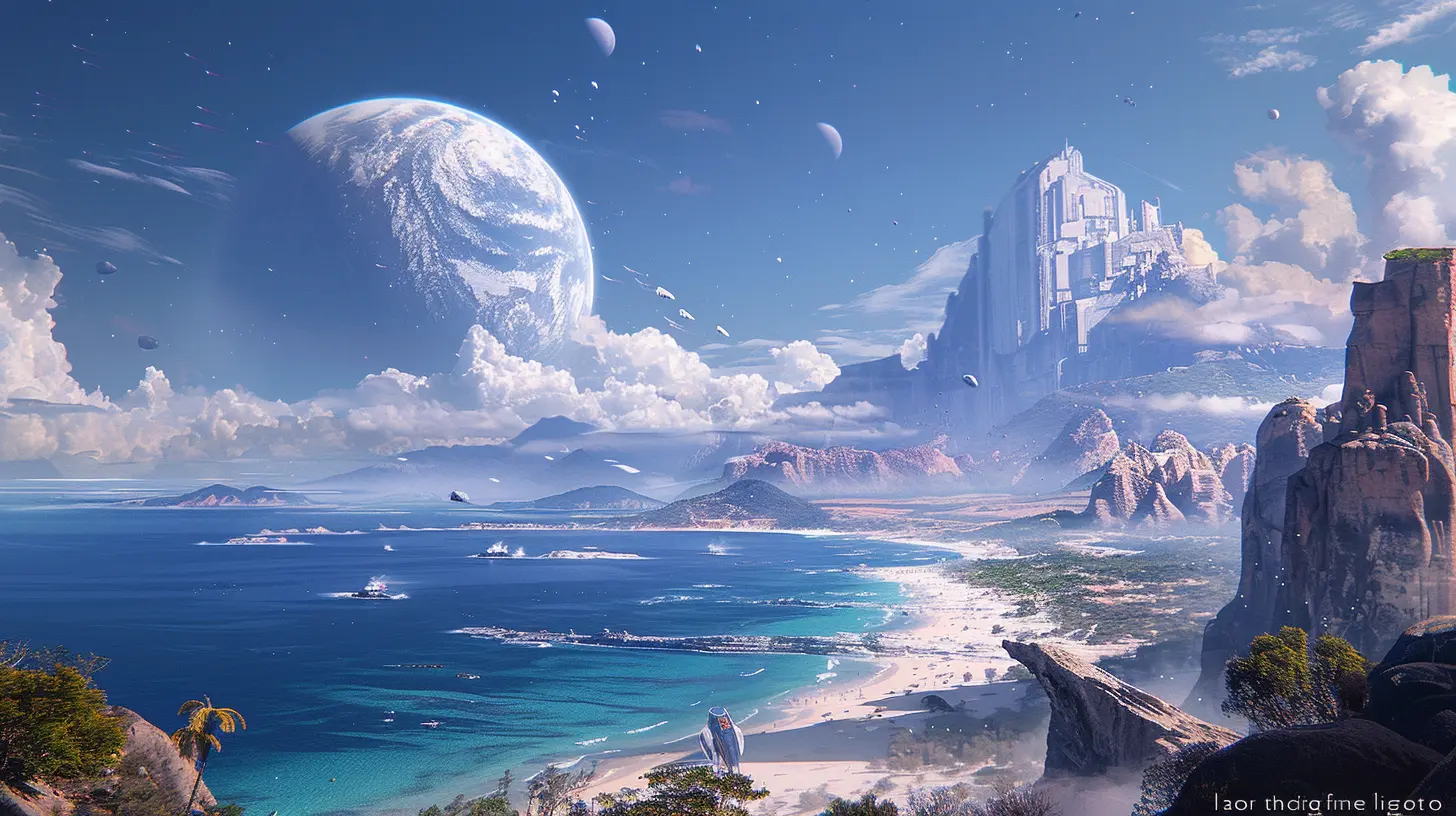
Technology Run Wild: Sci-Fi as a Sandbox for Future Tech
The coolest thing about sci-fi games? They hand you gadgets and gear that don’t exist—yet.Weapons, Gadgets, and Upgrades
Laser swords, teleportation devices, cybernetic implants—sci-fi games offer tech that breaks the boundaries of logic and physics. And while most of it is fiction, some ideas aren't too far off. Who knows, maybe the next big real-world innovation starts with a crazy concept in a game.Vehicles and Travel
Whether it’s jumping into a mech suit or cruising across galaxies in your own star-cruiser, these mechanics unlock new ways to move, explore, and experience. Fast travel takes on a whole new meaning when you're warping across dimensions.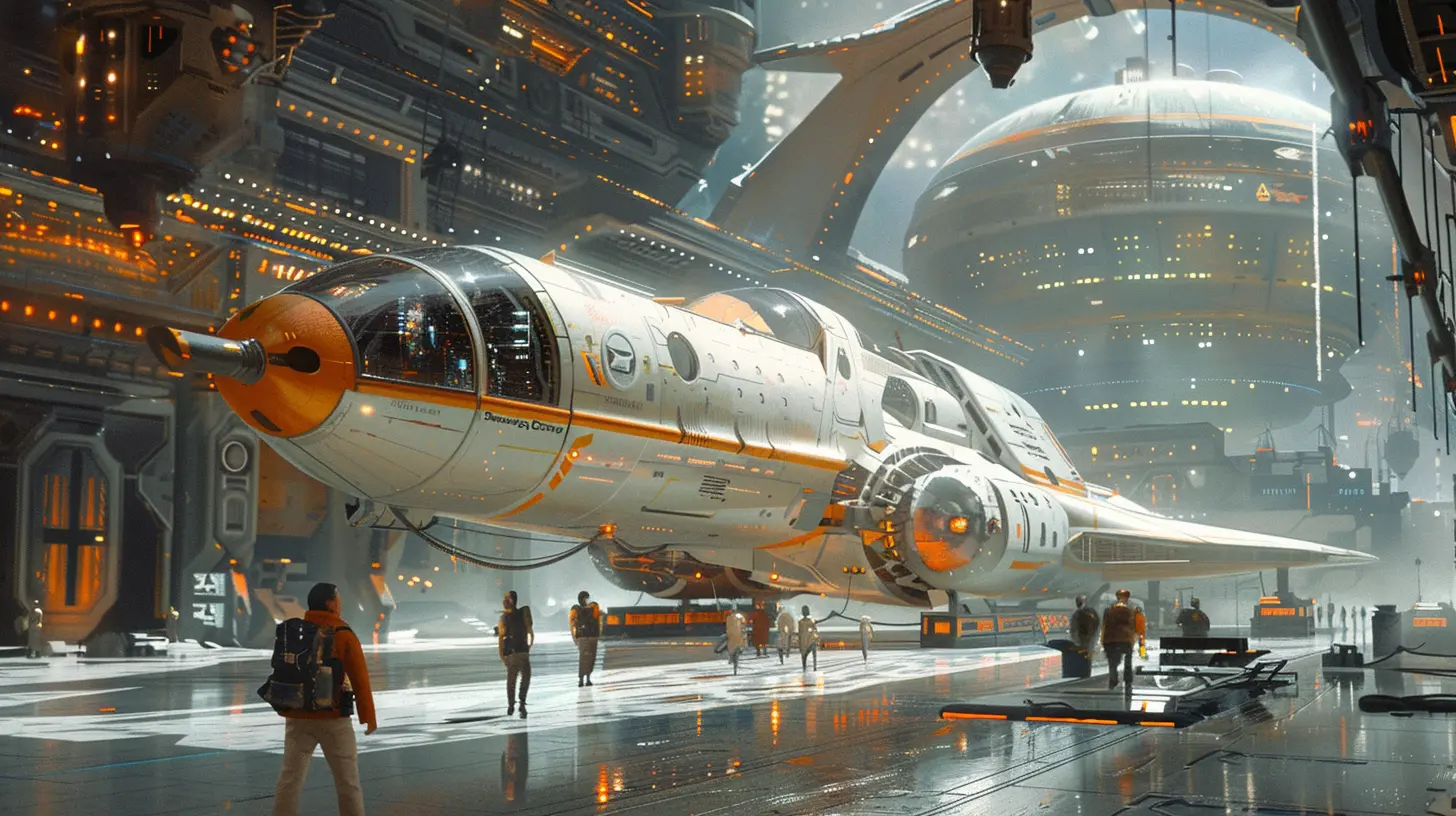
Characters That Defy Reality
Sci-fi doesn’t stop at environments and gadgets—it goes all-in with characters too.Aliens, Androids, and Everything In-Between
Remember the first time you met a morally complex alien species or debated ethics with an AI? Sci-fi games challenge our perceptions about identity, consciousness, and emotion.Characters often reflect big ideas: a robot that wants to be human, an alien species with a hive mind, or a genetically-enhanced soldier who questions free will. These aren’t just characters—they’re philosophical catalysts wrapped in digital skin.
Storytelling Like You’ve Never Seen It
The best sci-fi games dig deeper than explosions and lasers. They tell stories that stick with you.Branching Narratives and Player Choice
Games like Detroit: Become Human or The Outer Worlds let you decide what kind of sci-fi story unfolds. Do you side with the machines? Do you destroy the colony or save it?This interactive storytelling makes you an active part of the narrative. Your decisions don’t just change the game—they make you ponder your own morals and values.
Thought-Provoking Themes
Some of the best sci-fi games ask questions like:- Should humanity play God?
- What does it really mean to be alive?
- Is a simulated life less valuable than a "real" one?
These aren’t just popcorn stories. They’re conversation starters. They get under your skin in the best way possible.
Pushing Real-World Tech and Design Forward
Ironically, while sci-fi games are all about the fantastical, they’ve actually driven real-world innovation in gaming tech.Graphics and AI
Because sci-fi games paint such outlandish canvases, they’ve always been at the forefront of graphics development. Think photorealistic planets, dynamic lighting in black holes, and fluid alien animations.AI is another biggie. Sci-fi games often need enemy behaviors that are... well, weird. And that leads to smarter, more reactive AI systems that later get adopted in other genres.
VR and AR Experiences
Virtual reality is practically sci-fi in itself, but sci-fi games absolutely thrive in this medium. Imagine walking through a space station in full VR, feeling like you’re truly there. Games like Lone Echo or Star Trek: Bridge Crew are redefining immersion.Sci-Fi Games and Their Emotional Punch
Let’s get real—sci-fi isn’t just lasers and time loops. It can hit you right in the feels.Loneliness in Infinite Space
Games like Returnal and Dead Space lean into isolation, making you feel like the last soul in a cold, unfeeling universe. That emotional weight stretches your empathy, your fears, your imagination.Hope and Wonder
On the flip side, sci-fi isn’t all doom and gloom. Many games, like Journey to the Savage Planet or Astroneer, radiate with optimism and curiosity. It’s like gazing up at the stars and wondering what’s out there. Beautiful, right?The Community Imagination Machine
The creativity doesn’t end with the developers. Sci-fi gaming communities take it even further.Mods, Fan Theories, and Roleplay
From building entire Star Wars mods in Minecraft to writing 50-page fan theories about the Halo timeline, fans are constantly expanding the narrative. It’s like a sandbox where everyone gets to add their own building blocks.Cosplay and Fan Art
The visual identity of sci-fi games feeds a whole other creative ecosystem—cosplayers recreate insane-looking armor, artists draw alternate endings, and musicians remix iconic space-themes.It proves one thing: sci-fi games don’t just provide entertainment—they ignite imagination across every medium.
Final Thoughts: Sci-Fi Games Are Dreams You Can Play
At the end of the day, sci-fi games are more than games. They’re dream factories. They invite us to ask impossible questions, step into impossible worlds, and somehow feel completely at home in them.Whether you’re commanding a fleet across a universe, reprogramming a rogue AI, or just chilling in your spaceship with a funky alien crew—sci-fi games stretch the imagination in ways no other genre can. And that’s why we love them.
So go ahead—fire up that warp drive, customize your alien weapon loadout, and let your imagination run wild. The universe is calling.
all images in this post were generated using AI tools
Category:
Sci Fi GamesAuthor:

Emery Larsen
Discussion
rate this article
2 comments
Clementine Moses
Sci-fi games truly expand our imaginations, offering limitless worlds and experiences.
May 18, 2026 at 3:12 PM
Emery Larsen
Absolutely! Sci-fi games unleash creativity, allowing players to explore innovative ideas and worlds like never before.
Tyler Kelly
Sci-fi games truly ignite our creativity, transporting us to worlds beyond our dreams.
May 6, 2026 at 3:30 PM
Emery Larsen
Absolutely! Sci-fi games offer limitless possibilities, allowing players to explore and create in ways we never thought possible.