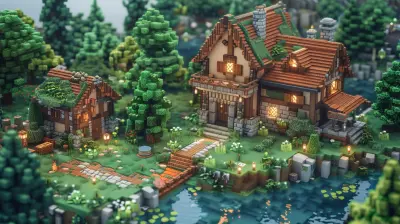
How Smaller Indie Games Handle Seasonal Content
4 June 2026
Alright, let’s talk about the underdogs of the gaming world—indie devs. You know, those passionate creators working out of their bedrooms or tiny studios with a budget that barely covers coffee and pizza. While AAA studios drop millions on seasonal updates with cinematic trailers, collabs, and a new skin for every holiday, indie games take a different route. But don’t be fooled—what they lack in budget, they make up for in creativity, charm, and sometimes downright weirdness (in the best way possible).
In this sassy deep dive, we’re peeking behind the pixel curtain to see how smaller indie games handle seasonal content like champs—without burning themselves out or sacrificing what makes their games so damn lovable.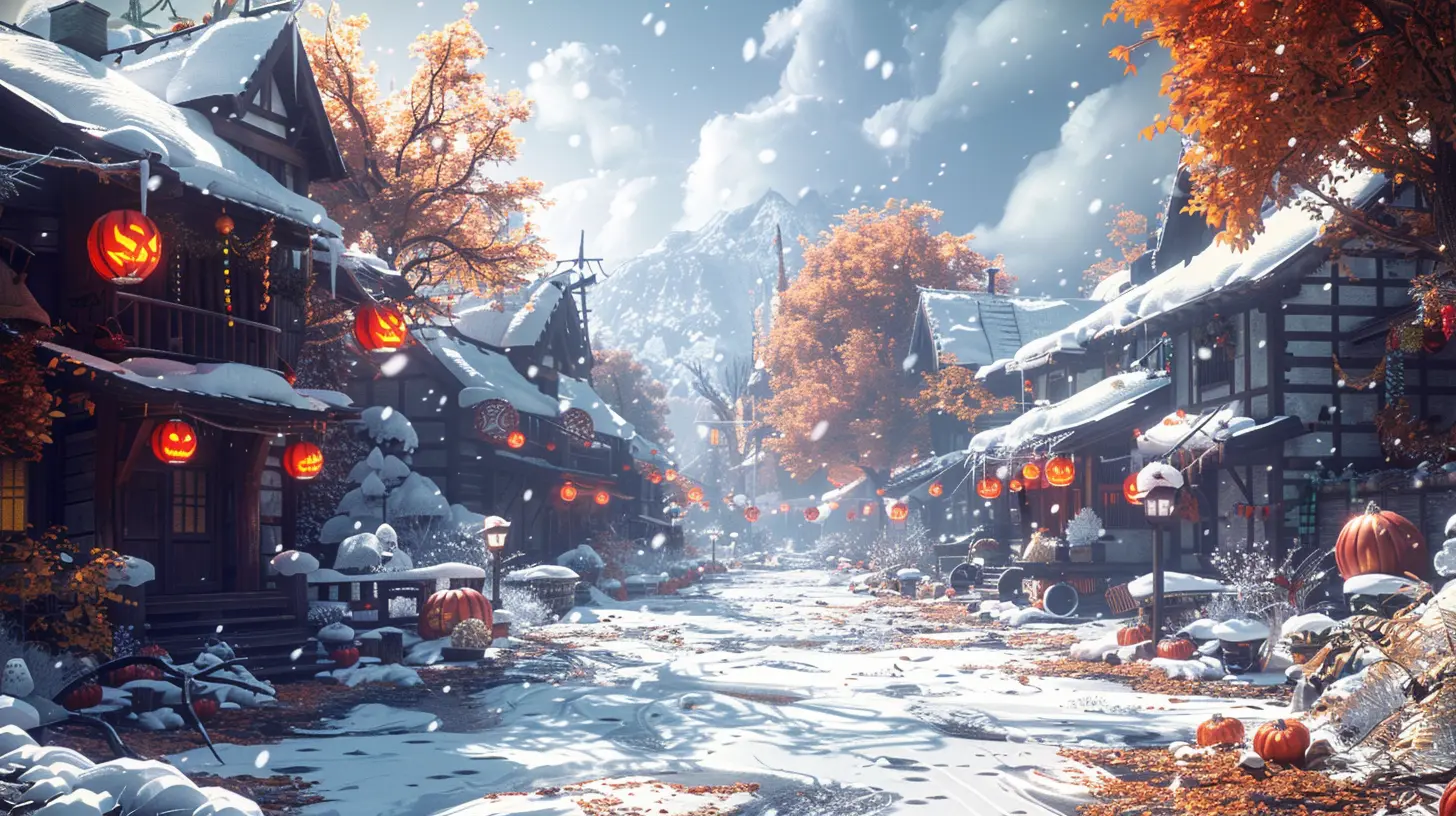
Why Seasonal Content Even Matters (Yes, Even for Indie Games)
So, you might be thinking, “Why should an indie game even bother with seasonal content? They’ve got enough on their plate just, like, functioning.” Fair point.But here’s the deal: Seasonal content is a player magnet. It’s a chance to bring your community back, attract new attention (hello trending hashtags), and keep your game feeling fresh. Think of it like spicing up your favorite dish—you don’t need a whole overhaul, just a dash of something new to keep players coming back for seconds.
For indie games, it's also an opportunity to showcase their personality. While larger studios might go for polished perfection, indies go for quirky, heartfelt, and often handmade events that feel like a love letter to their players.
The Budget Reality Check (AKA The No Money Chronicles)
Let’s be real: your average indie team isn’t sitting on bags of gold like some big-name publishers. They usually don’t have a dedicated “Live Ops” department or someone solely responsible for managing seasonal updates. Most of the time, it’s a few passionate devs wearing twelve hats—coding at 2AM, drawing pixel pumpkins, and answering tweets all at once.So how do they pull it off? Welcome to the land of:
- Small but mighty updates
- Limited-time events built on existing content
- Community-driven features
- Smart reusability
Indies don’t chase perfection. They chase connection. And that’s what players love.
Examples That Absolutely Slay (Yes, We’re Name-Dropping)
? Don’t Starve: Halloween with a Side of Weird
The folks at Klei Entertainment know how to get spooky! Every October, they sneak in eerie changes—reskins, creepy character tweaks, and just enough madness to keep you guessing. It’s not overproduced, but it’s clever and thematic.❄️ Celeste: Snowy Goodness Done Right
While Celeste is no longer getting frequent updates, its seasonal content—when it happens—is usually tied to fan-created mods and community expansions. That’s right, the players themselves help keep the seasonal spirit alive. Talk about a wholesome holiday miracle.? Stardew Valley: Cozy Vibes for Days
Sure, Stardew’s creator ConcernedApe isn’t exactly “tiny tiny” anymore, but let’s not forget he started solo. In-game events like the Festival of Ice and Spirit’s Eve bring seasonal touches without the need for a massive overhaul. Bonus: You get adorable pixel snowmen and haunted mazes. Win-win.? Slay the Spire: Subtle Seasonal Shenanigans
MegaCrit keeps things low-key and clever. Seasonal updates often come in the form of hidden unlocks, quirky card art, or fun surprises. It’s never flashy, but it rewards longtime fans with a wink and a nod.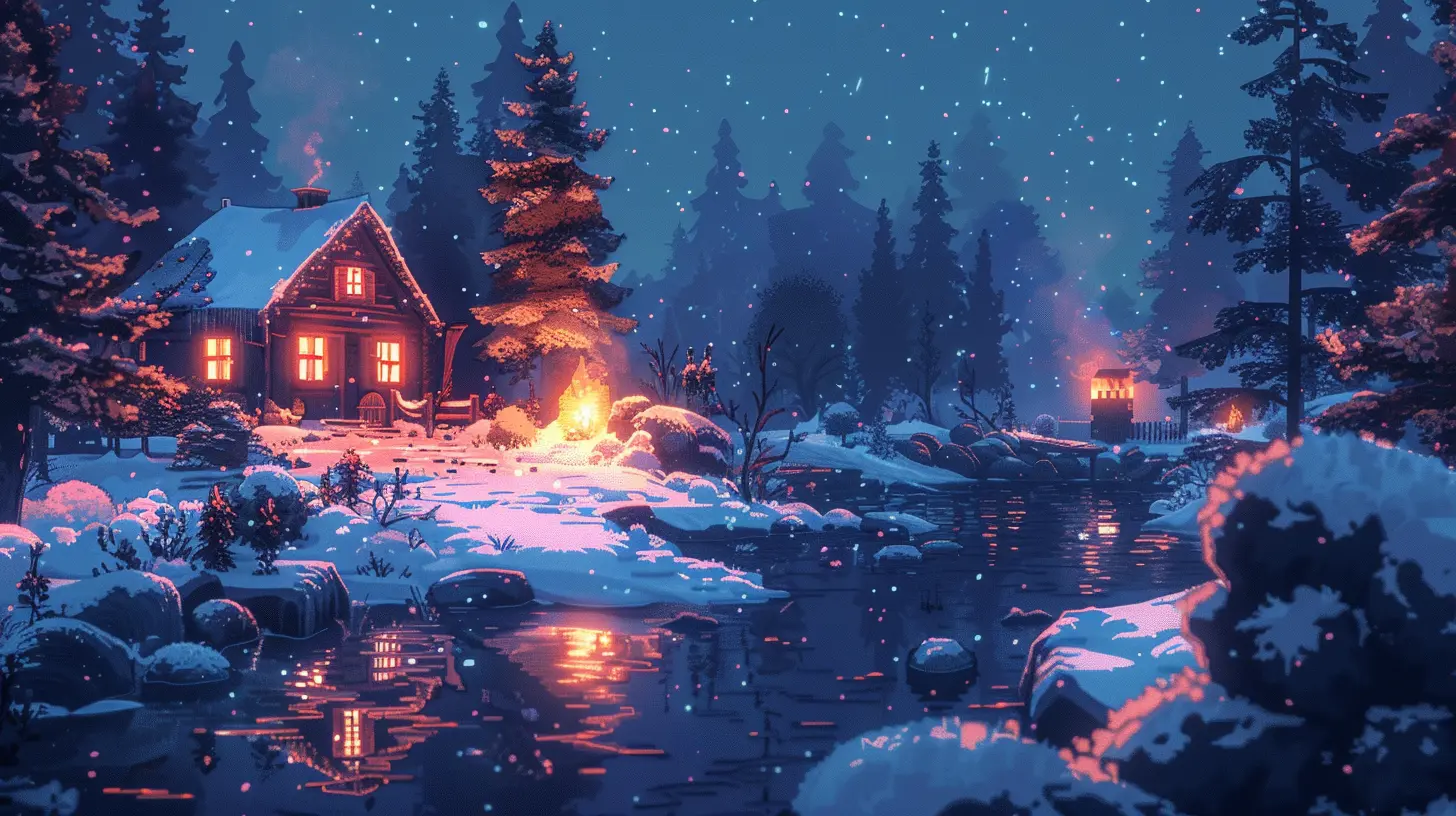
Strategies That Indie Devs Use to Make Magic Happen
Alright, so how exactly do they do it? Let’s break down the tactics that help indie devs punch way above their weight.1. Reuse, Repurpose, Recycle (And Call It Retro Vibes)
Why build an entirely new winter wonderland map when you can just throw some snow on the existing one, add some cozy lighting, and boom—holiday mode activated?Indie devs are masters of the remix. They take what they already have and give it a seasonal twist. Think of it as putting a Santa hat on a dog—it doesn’t change the core, but darn it if it doesn’t give you all the feels.
2. Short and Sweet Events
Most indie games don’t do long-drawn-out seasonal arcs with 10-week content passes—and honestly, thank goodness. They keep it brief, like a weekend event or a two-week special. That way, it feels special but doesn’t overstay its welcome. It’s like a pop-up shop of festive fun.3. Community Involvement is the Secret Sauce
When you don’t have a massive team, your community becomes your best partner. Indie devs often turn to players for seasonal content—think fan art contests, mod showcases, or design contests for in-game items.Heck, some devs even let players vote on what seasonal changes should happen. Talk about democratic development!
4. Lean Into the Game’s Core Style
Instead of trying to copy what AAA games are doing, indie devs double down on what makes their game unique. Got a spooky atmosphere? October’s your time to shine. Running a cozy farming simulator? Whip up some gingerbread crop sprites.The key is authenticity. Seasonal content that feels aligned with the game’s atmosphere resonates way more than some random snowflakes slapped onto a desert map (looking at you, lazy updates).
5. Timing is Everything
Indies don’t always hit the EXACT date of the holiday—and that’s okay. Sometimes, the Halloween event hits mid-November, and guess what? Players still love it. Flexibility is one of indie games’ greatest powers. They’re not tied to corporate calendars; they’re tied to their own creative vibe.The Pros and Cons (Let’s Keep It 100)
✅ Pros of Seasonal Content for Indie Games
- Boosts engagement: A fresh coat of seasonal paint gives players an excuse to jump back in.- Builds hype: Even a small update can generate buzz in Discord servers and social media.
- Deepens loyalty: When devs show effort—even a little—players notice and appreciate it.
- Sparks community creativity: Seasonal themes fuel fan art, mods, and streaming content.
❌ Cons and Challenges
- Time-crunch is real: With small teams, even simple updates can be exhausting.- Not always repeatable: That amazing pumpkin event might not return next year.
- Takes away from dev time: Seasonal updates can slow down work on actual new content.
- Expectations grow: Once you set the bar, players expect something every season.
The Indie Way Is the Best Way (Fight Me)
Let the big studios have their million-dollar Fortnite collabs and 300-item battle passes. There’s something beautifully raw and honest about how indie games handle seasonal content. It’s like getting a handmade holiday card instead of a store-bought one—it hits different.They’re not trying to dazzle with quantity, they’re focused on quality… and heart. And let’s not forget, the community often low-key prefers these kinds of updates. There’s a sense of intimacy and effort that’s hard to fake.
A Quick Word to Indie Devs: Keep Doing You ?
If you're one of the scrappy developers out there hustling to make your seasonal content hit just right—thank you. Whether it’s a snow overlay, a quirky skin, or a limited-time side quest, it matters. Players notice. Players care.Don't stress about keeping up with the giant studios. Your charm is in your creativity and heart—seasonal content is just another way you show players they're part of your world.
Final Thoughts: A Little Goes a Long Way
In the world of indie games, seasonal content isn’t about going big. It’s about going meaningful. A subtle change, a quirky event, or even a seasonal soundtrack can be enough to bring players back and get them talking.So the next time you load up your favorite indie title and find a surprise pumpkin patch or snowy menu screen—give that dev team some love. They’re doing the most with the least, and they’re doing it for us.
all images in this post were generated using AI tools
Category:
Seasonal EventsAuthor:

Emery Larsen
Discussion
rate this article
2 comments
Runevale Carr
Indie games often offer fresh perspectives on seasonal content, enhancing engagement.
July 14, 2026 at 4:35 AM
Talis McKenzie
What a fantastic read! It's inspiring to see how indie games find unique ways to embrace seasonal content. Their creativity brings something fresh to the gaming world, reminding us why we love these gems... Keep it up!
June 10, 2026 at 3:00 AM
Emery Larsen
Thanks for the kind words! I'm glad you enjoyed the article and appreciate indie games' creativity. They truly bring something special to the table.