How to Balance Luck and Strategy in Board Games
10 December 2025
Ever flipped a board in frustration because your well-thought-out plan was crushed by a single unlucky dice roll? Or maybe you've coasted to victory on pure chance, leaving your strategic opponent fuming. We’ve all been there. Balancing luck and strategy in board games is like walking a tightrope—one wrong step and the game swings from nail-biting fun to hair-pulling chaos.
This is where the magic of game design (and smart gameplay) comes in. Whether you're playing with friends for fun or fine-tuning your skills for a competition, understanding how to manage luck versus strategy can seriously level up your game nights.
Let's dive into how to strike that golden balance between randomness and skill in board games—so you can play smarter, not just luckier.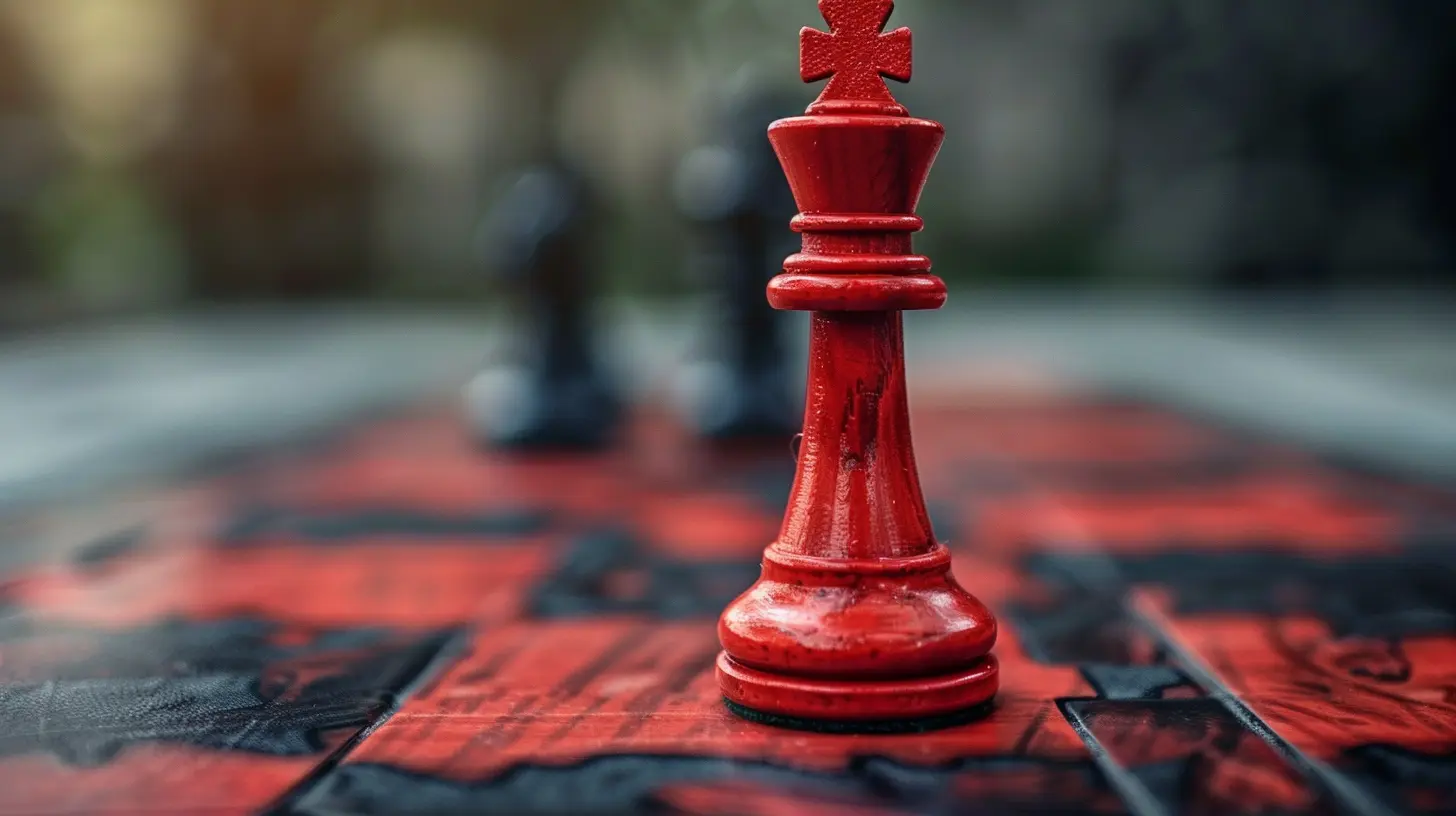
🎲 What Exactly Is Luck in Board Games?
When we talk about "luck" in games, we're usually referring to elements that introduce randomness—things like a dice roll, a shuffled deck of cards, or a random event card. These are the wild cards of game mechanics, and they often mean:- You don’t have full control over the outcome.
- A newbie can sometimes win purely by happenstance.
- Your epic strategy can be blindsided by a stroke of bad luck.
Think of games like Monopoly (dice rolls and Chance cards) or Risk (combat dice battles). You can build a plan, but at some point, you're leaving your success in Lady Luck's hands.
But here's the thing—luck isn’t necessarily a bad guy.
Why Luck Isn’t the Enemy
Luck adds surprise, suspense, and accessibility. It keeps games from being dominated by math wizards or veteran players every single time. That way, even beginners have a shot at winning, and no game feels exactly the same twice.Imagine poker without the shuffle—it'd be chess with cards. Now that's just... weird.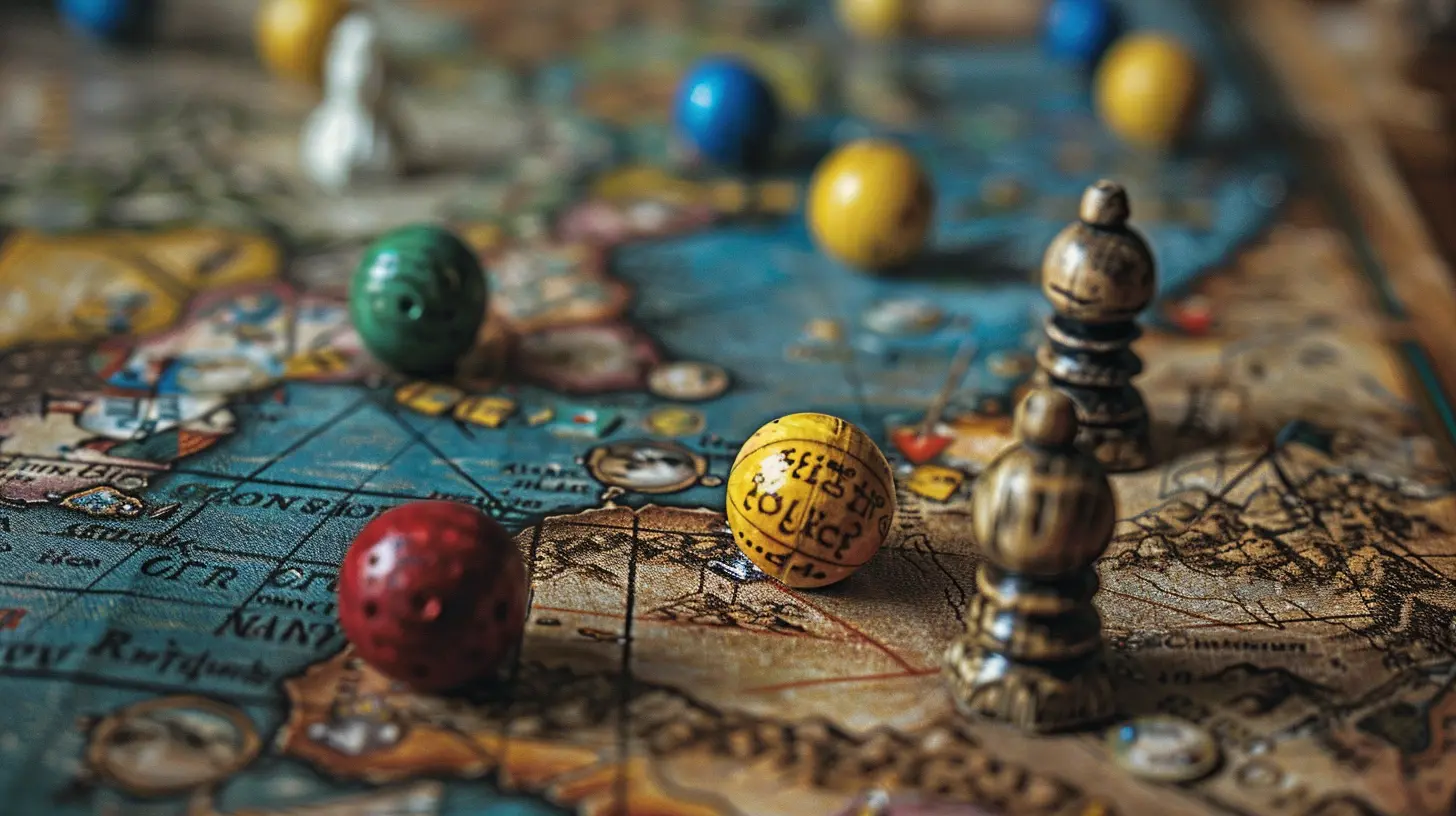
🧠 What Is Strategy in Board Games?
On the flip side, strategy is all about decisions. This is your chance to shine, flex some brainpower, and outthink your opponents.Strategy usually means:
- Planning ahead
- Thinking multiple moves in advance
- Adapting based on the game's evolving state
- Predicting or bluffing your opponents' actions
Games like Chess, Terraforming Mars, or Agricola are heavily strategic. They're decided more by mental muscle than random chance. If you lose, it's usually because you made poor decisions—not because the dice betrayed you.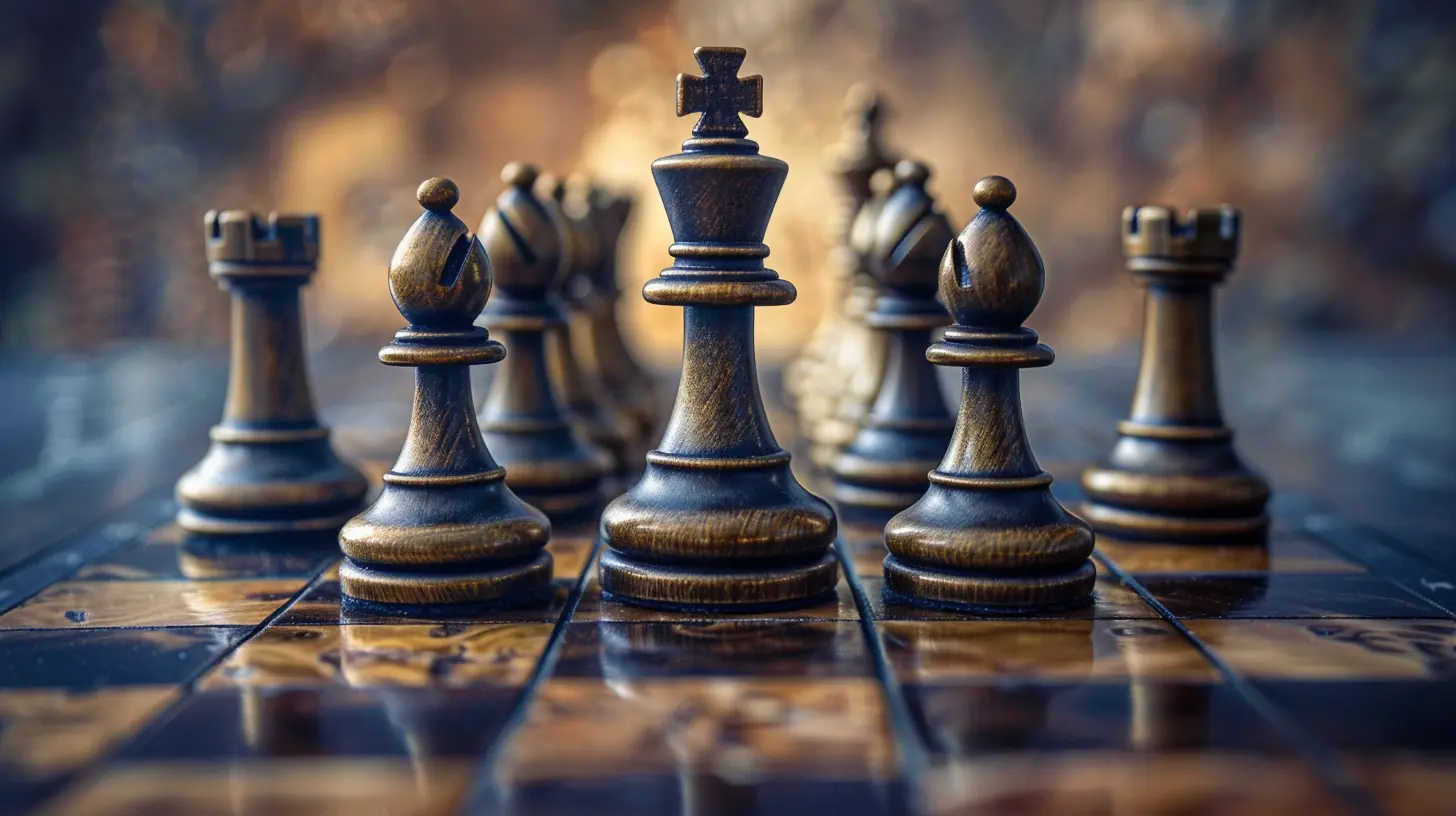
🕹 Why Does Striking the Right Balance Matter?
Too much luck? Players feel powerless. Winning starts to feel hollow because you didn’t earn it—it just happened.Too much strategy? It becomes a mental marathon. Sometimes it even pushes casual players away because they feel like they can't compete.
The sweet spot is what makes a game replayable and fun. A perfect balance lets everyone stay engaged—rookies and veterans alike. It rewards good decision-making but still throws in enough surprises to keep everyone on their toes.
⚖️ Game Design: How Designers Balance Luck and Strategy
Game designers are the tightrope walkers here. They design mechanics that weave in both luck and skill to craft engaging experiences. Here’s how they do it:1. Controlled Randomness
Controlled randomness allows for luck, but within boundaries. Take Settlers of Catan, for example. The dice determine which resources are produced, yes—but your choice of settlement placement can mitigate bad rolls.Smart players know how to reduce exposure to bad luck by diversifying their options. That’s strategy interacting with chance.
2. Information Management
Some games hide information (like in Clue or Battlestar Galactica). The unknown adds suspense, but it’s your deduction skills that ultimately matter. In these cases, you’re navigating a sea of partial info—some of it luck-based, some of it logic-based.3. Push-Your-Luck Mechanics
Ever played Can’t Stop or Incan Gold? These games dare you to risk it all for potential gain. You’re the one choosing how much randomness to embrace. It’s luck wrapped in a layer of strategic choice.Push-your-luck games give power to the players without removing the thrill of chance.
4. Catch-Up Mechanics
Games with built-in "catch-up" mechanics ensure no one snowballs to victory too fast. These can include:- Random events targeting leading players
- Bonus perks for trailing players
- Scoring systems that accelerate late-game points
This balances power gaps and gives everyone a fighting chance—keeping the game exciting till the end.
🎯 Player Strategies: How to Navigate Luck and Strategy Like a Pro
Whether you're playing a luck-heavy game or a brain-burning strategy fest, here are a few tricks to help you stay ahead:1. Know the Game’s Core Mechanic
Before you even roll a die or pick a card, understand the game’s DNA. Is it 80% strategy and 20% luck? Or vice versa?If it leans heavily on luck like Uno or Zombie Dice, focus on playing statistically smart and maximizing your odds. In strategy monsters like Scythe, you’ll want thorough planning and adaptability.
2. Mitigate Risk Where You Can
Don’t rely on that one-in-a-million dice roll. Position yourself so even a bad roll doesn’t wreck you. In resource management games, diversification is your best friend.3. Take Calculated Risks
Gambling isn’t always bad. Sometimes, taking a bold leap can catapult you to the top. But make sure it’s based on reasonable odds—not just a gut feeling because “it’s your turn to get lucky.”4. Adapt, Adapt, Adapt
Things won’t go your way 100% of the time. The best board gamers know how to pivot. That plan you spent 5 turns building? Scrap it if the situation demands it. Roll with the punches (literally, if dice are involved).5. Don’t Overthink Every Move
In games that include randomness, overplanning can lead to analysis paralysis. If the outcome can shift with one bad card, don’t pour all your mental energy into planning 10 turns ahead. Stay flexible.🔄 Examples of Games That Nail the Balance
Want to see balanced design in action? Check out these board games that skillfully blend luck and strategy:1. Ticket to Ride
You’re collecting train cards (some luck) to complete routes (strategy). Smart players block opponents, diversify goals, and keep track of remaining cards. But even beginners can win with good card draws and map awareness.2. 7 Wonders
Drafting introduces an element of random card availability, but building a civilization involves careful planning and adaptation. The balance is clean and tight—plus, it plays quickly.3. Carcassonne
Tile draws determine your placement options (luck), but where and how you use them, and how you place your meeples? That’s pure strategy. It’s all about making the most of what you’re given.4. Dominion
Your deck is partially in the hands of the shuffle gods. But what you buy and how you build that deck? That’s all you. Dominion’s depth lies in mastering the balance between luck of the draw and intentional construction.🛠 Tips for Game Designers: Creating Balanced Games
If you're a budding game designer, here are tips for building games that straddle the luck-strategy line beautifully.- Test obsessively: Playtest with different skill levels and group sizes.
- Add decision points: Give players chances to mitigate or embrace randomness.
- Design variability: Include random elements that change gameplay without disrupting balance.
- Reward skill subtly: Ensure that skilled play consistently has a slightly higher success rate over time.
- Prevent runaway leads: Create systems that prevent landslide victories too early in the game.
In the end, it’s about creating a game where every play feels fresh, fair, and fun.
👥 The Social Side: Group Dynamics and Perceived Fairness
Let’s not forget that board games are social experiences. Even if the mechanics are balanced mathematically, perception matters.A game where one player feels like they had no control or got "screwed by luck" too often can sour the experience. That’s why balance isn't just about numbers—it’s about making everyone feel empowered and involved.
Games with visible decision points and meaningful choices tend to be better received. So, as a player or designer, always keep the player’s emotional journey in your scope.
🎉 Final Thoughts
So, how do you balance luck and strategy in board games?The key lies in awareness—understanding the ratios in the game you’re playing, making smart plays to mitigate random elements, and knowing when to take a leap of faith. For designers, it’s about handing players the reins just enough to feel in control, while still letting fate mess with them in fun ways.
Every game walks this fine line differently. Some lean into chaos. Others reward long-term planning. But the best ones? They dance gracefully along that line—keeping you guessing, thinking, and laughing all the way to game night.
all images in this post were generated using AI tools
Category:
Board GamesAuthor:

Emery Larsen
Discussion
rate this article
2 comments
Jackson McKittrick
Great insights! Balancing luck and strategy is the key to an enjoyable gaming experience. Embrace the unpredictability while honing your skills—every game is an opportunity to learn and grow. Let the dice roll and enjoy the journey!
December 12, 2025 at 3:32 PM
Emery Larsen
Thank you! Absolutely, embracing both elements truly enhances the gaming experience. Happy gaming!
Poppy Turner
Great insights, thanks for sharing!
December 11, 2025 at 3:40 AM
Emery Larsen
Thank you! I'm glad you found it insightful!