How to Host a Game Night Your Kids Will Love
18 February 2026
If you're looking to dial down the screen time and dial up some good old-fashioned face-to-face fun, hosting a game night for your kids might just be the golden ticket. It's not just about passing the time — it's about building memories, laughter, teamwork, and hey, even a bit of healthy competition.
But here’s the kicker: not all game nights are created equal. If you want your kids to actually look forward to them, you’ve got to bring your A-game. So let’s break it down and turn your living room into the ultimate fun zone, without turning your sanity upside down.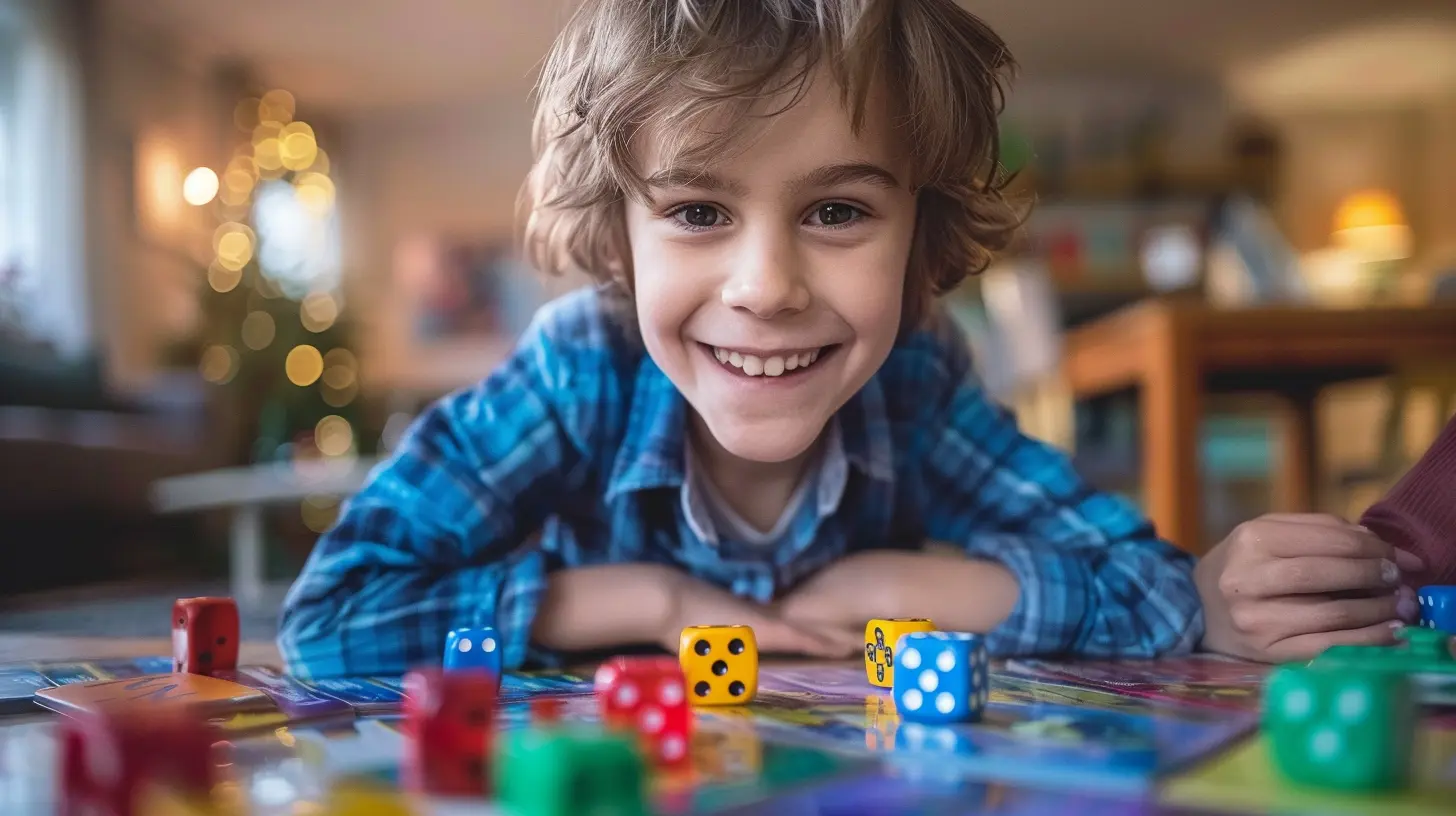
Why Game Nights Are More Than Just Games
Before we dive into tips and how-tos, let’s get one thing straight — game nights are not just about winning or losing. They’re family bonding disguised as fun.Think about it: when was the last time everyone in the house sat down and actually talked without someone scrolling through their phone or flipping through TV channels? Game night gives your family a reason to unplug, laugh together, and create inside jokes that’ll last way longer than the game.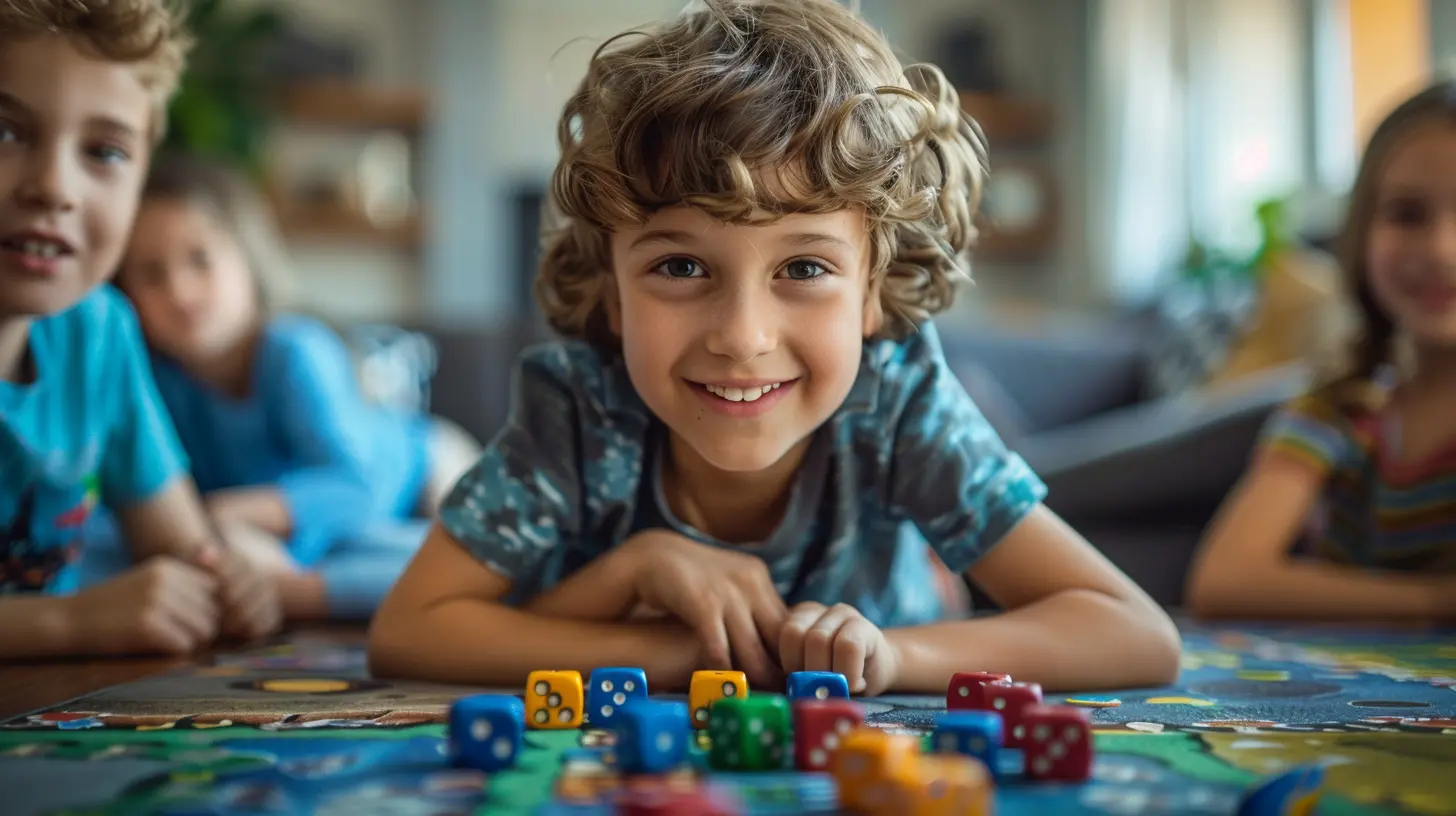
Step 1: Know Your Audience (aka Your Kids)
You wouldn't throw a fancy dinner party for toddlers, right? The same logic applies. Your kids' age, interests, and attention span all matter — a lot.Consider Ages
- Toddlers and preschoolers: Go simple. Think matching card games, color-based games, or games with physical activity like “Duck, Duck, Goose.”- Elementary school kids: These kids crave rules and structure — games like “Uno,” “Guess Who,” and “Connect 4” can hit the sweet spot.
- Pre-teens and teens: They want challenge and style. Strategy games, party games, or even co-op video games can be a huge hit here.
Interests Matter
If your kid loves dinosaurs, why not choose a dino-themed board game? Got a Harry Potter fanatic? There’s a card game for that. Customize your choices and you’re halfway to victory.
Step 2: Pick the Perfect Games
Alright, here’s where the magic actually starts. The trick is to mix it up — a little strategy, a little luck, some active movement, and something goofy.Board Games They’ll Actually Want to Play
- Candy Land & Chutes and Ladders (Ages 3+): Simple, colorful, and fun.- Uno or Skip-Bo (Ages 6+): Easy to learn, hard to stop.
- Connect 4 (Ages 5–10): Fast-paced and competitive.
- Codenames Disney (Ages 8+): Great for teams and Disney fans.
- Pictionary Air (All ages): Drawing + tech twist = hilarious good time.
- Exploding Kittens (Ages 7+): Weird name, incredibly fun.
> Pro Tip: Stick to games that can be played in under 30 minutes to avoid the dreaded attention crash.
Step 3: Set the Scene
Presentation is half the battle. Think of it like setting the stage for a tiny Broadway show — but the actors are your sugar-hyped kids in pajamas.Create a Cozy Game Zone
- Clear out a clutter-free space (living room, playroom, etc.)- Use a low table and soft cushions for cozier vibes.
- Make sure lighting is bright enough — no one wants to squint at their cards.
Snacks Make Everything Better
Let’s be real: snacks are the unsung heroes of game night.- Popcorn in cute cups
- Fruit kabobs (something healthy but fun)
- Mini hot dogs or sliders
- DIY snack mix bar (pretzels, chocolate chips, mini marshmallows)
Just remember — sticky fingers and game cards are NOT best friends. Keep wipes handy!
Step 4: Set the Rules (But Keep It Friendly)
Game night’s supposed to be fun, not a full-blown meltdown over who stole whose turn. Setting ground rules ensures fun doesn’t turn into chaos.Talk About Good Sportsmanship
- “No gloating” and “no sore losers” go a long way.- Remind them: It’s about playing together, not just winning.
- Create a fun “Cheer for Everyone” rule, where everyone cheers at the end of every round—win or lose.
Rotate the Game Master
Pick someone each night to be the "game master" — they choose the game and explain the rules. This gives everyone a sense of importance and keeps things fresh.Step 5: Set a Time Limit
Trust me, dragging game night out too long is a rookie mistake. You want to leave them wanting more, not begging to turn on the TV.Try keeping it to a maximum of 90 minutes, especially for younger kids. If your crew begs for one more round, consider it a win — and save that energy for next time.
Step 6: Incorporate Team Games for Group Fun
Got more than two kids? Or maybe neighbor kids want in? Team games are the golden ticket to keep everyone involved.Great Team Games for Kids
- Charades: Easy, silly, classic.- Pictionary: Drawing + guessing = non-stop laughs.
- Heads Up! Kids Edition: Fast-paced and phone-friendly.
- Balloon Pop Relay: Get ‘em moving and giggling.
Teams break up any sibling rivalry, too. Nothing strengthens bonds like trying to act out “angry crab” without using words.
Step 7: Add a Fun Twist
Want to crank up the excitement? Throw in a few twists to break the routine.Game Night Themes
Go the extra mile with themed nights! It doesn’t have to be Pinterest-perfect — just a few props, music, or themed snacks make a difference.- Superhero Night: Capes, comic book games, themed snacks.
- Pajama Party: Slippers, hot cocoa, bedtime stories after gaming.
- Jungle Safari: Animal games, animal crackers, face paint.
Create a Game Night Trophy
Yes, a tacky little gold trophy (or even a decorated cup) goes a long way. The "Game Night Champ" can parade that thing until the next event. You’ll be amazed how much excitement a $1 plastic trophy can bring.Step 8: Keep a Game Night Journal
This might sound like overkill, but hear me out. A simple scrapbook or digital note keeps track of:- Which games were hits or misses
- Who won each time (bragging rights!)
- Funny quotes or moments
Kids love flipping through this kind of stuff. It turns game nights into a long-term family bonding experience.
Step 9: Get the Kids Involved in the Planning
Here’s a secret sauce tip — let the kids help plan. This instantly boosts their excitement and investment.Let them vote on:
- What games to play
- What snacks to have
- Who gets to be game master
When kids feel like they’re part of the process, they’re more likely to be on board — and on their best behavior.
Step 10: Don’t Force the Fun
Sounds ironic, right? But seriously — if the kids aren’t into it tonight, it’s okay to postpone. You want them to associate game night with joy, not obligation.Be flexible. Maybe tonight turns into a movie night instead. That’s fine!
Game night should feel like a treat, not a chore.
Bonus Tips to Level Up Your Game Night
- Use a timer for turns to keep the game moving.- Create a “chill zone” for kids who get frustrated or need a break.
- Use background music (theme songs or fun upbeat tunes).
- Take silly photos and share them later on a family WhatsApp group or print them for the journal.
Wrapping It Up: It’s All About the Moments
At the end of the day, hosting a game night your kids will love isn’t about having the most expensive games or Pinterest-level decorations. It’s about laughing until your cheeks hurt, teaching your kids to win (and lose) gracefully, and creating little traditions they’ll carry long past childhood.Whether it’s once a week or once a month, it’s a small investment of time that yields big rewards in connection, creativity, and good old-fashioned fun.
So bust out the board games, grab the popcorn, and let the fun begin — because game night just might become your family’s favorite night of the week.
all images in this post were generated using AI tools
Category:
Games For KidsAuthor:

Emery Larsen
Discussion
rate this article
2 comments
Julianne McTigue
What a delightful read! Your tips for hosting a game night are not only practical but also inspire quality family time. Creating those cherished memories with our kids is priceless. Thank you for reminding us how simple fun can bring everyone closer together!
February 19, 2026 at 4:28 PM
Emery Larsen
Thank you so much for your kind words! I'm glad you found the tips helpful and inspiring for creating lasting family memories. Enjoy your game nights!
Bria Turner
Great tips! I appreciate the emphasis on creating a fun and engaging atmosphere for kids during game nights. It’s wonderful to see ideas that promote family bonding and lasting memories. Looking forward to trying some of these suggestions!
February 18, 2026 at 5:58 AM
Emery Larsen
Thank you for your kind words! I'm glad you found the tips helpful—enjoy your game night!