How to Organize and Store Your Board Game Collection
27 December 2025
If you’re a board game enthusiast, chances are your collection has grown beyond just a few classics like Monopoly or Scrabble. Maybe you’ve dabbled in deck-builders, hoarded tile-laying games, or built a mini kingdom of worker placement masterpieces. But before you know it, your game stash is overflowing, buried under the couch or scattered across dusty shelves. Sound familiar?
Organizing and storing your board game collection isn’t just about keeping your space tidy—it’s about preserving your games and making them easier to access and enjoy. In this article, I’ll walk you through a fun, practical, and pain-free approach to whip your collection into shape. Whether you're a casual player or a hardcore gamer with shelves upon shelves, there's something here for you.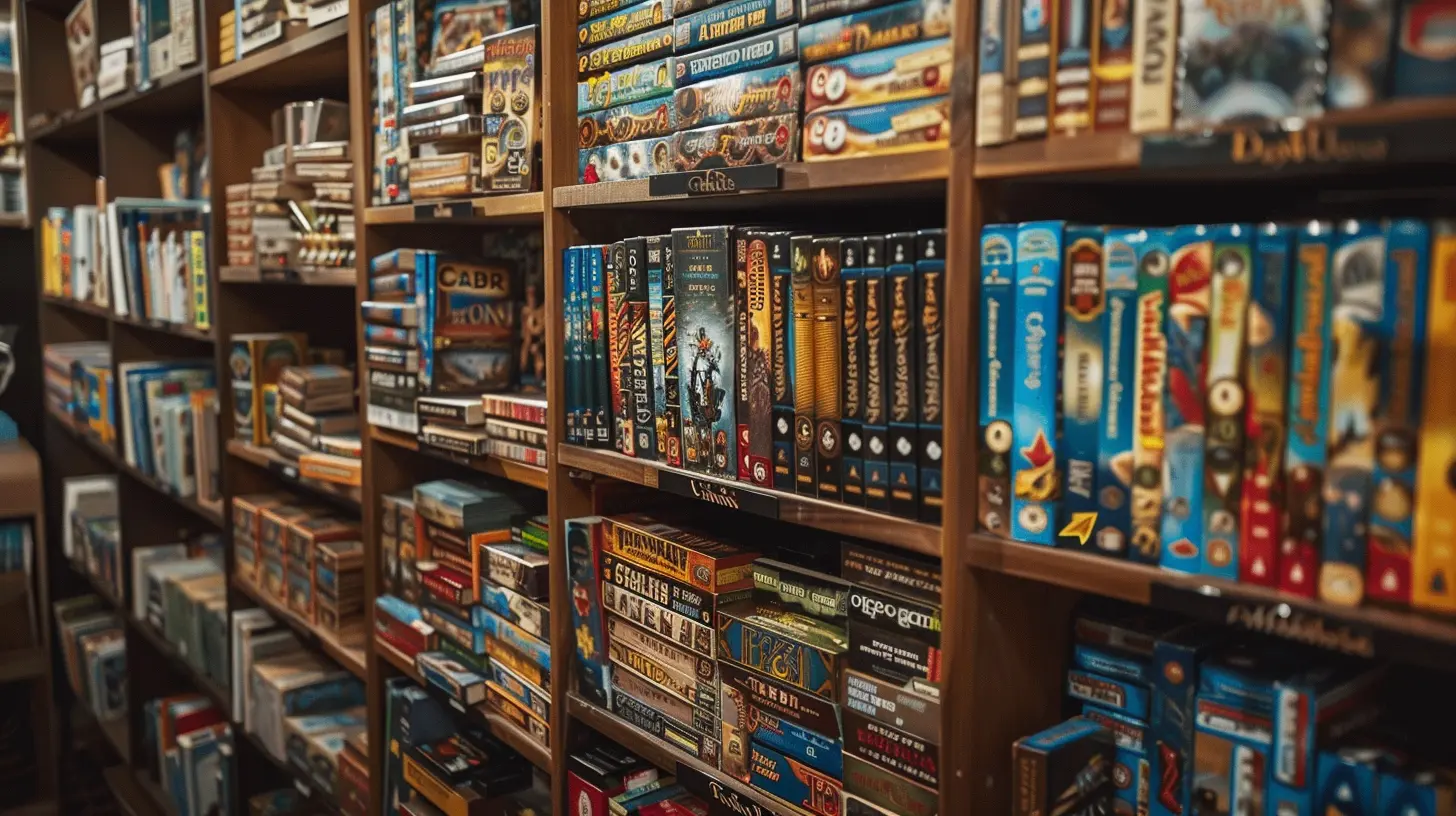
Why Organizing Your Board Games Matters
Let’s be real—board games aren’t cheap. Whether you’re a Kickstarter backer or just a habitual game night host, you’ve probably spent a good chunk of change on your collection. Proper organization:- Protects your investment.
- Saves you time when choosing games.
- Makes your gaming space more inviting.
- Helps you track what you own (and what you don’t play anymore).
Trust me, fumbling through dozens of disorganized boxes to find your favorite game kills the buzz faster than a broken meeple.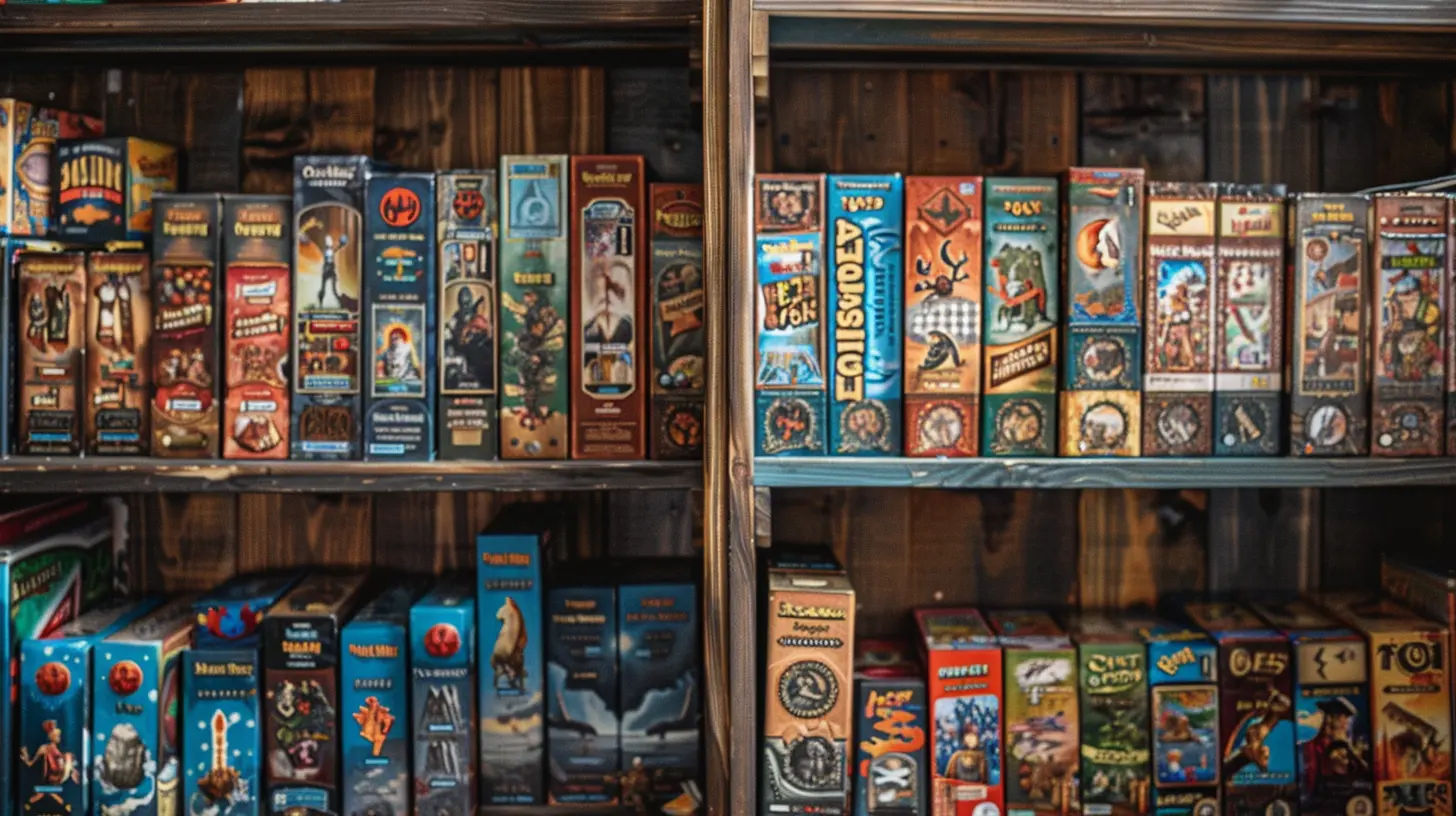
Step 1: Sort Through Your Collection
Before we talk storage solutions, we need to know what we’re working with. Time to roll up your sleeves and declutter.a) Do a Game Inventory
Pull every game off the shelf, out of the closet, or from under the bed. Lay them out and take a quick inventory. You can jot down titles in a notebook or, better yet, use apps like BGG (BoardGameGeek) or GameTrack to keep tabs digitally.Ask yourself:
- Do I still enjoy this game?
- When’s the last time I played it?
- Is it complete? (Missing pieces can be a dealbreaker.)
- Would someone else get more joy from it?
b) Cull the Collection
Yes, I said it. Cull. It’s okay to let go of games that no longer spark joy—or ones that never quite hit the table. Consider donating or selling them online. Facebook Marketplace, local game stores, and board game groups are great for rehoming neglected titles.Think of it as spring-cleaning for your hobby. You’re creating space for games you love (or will love in the future).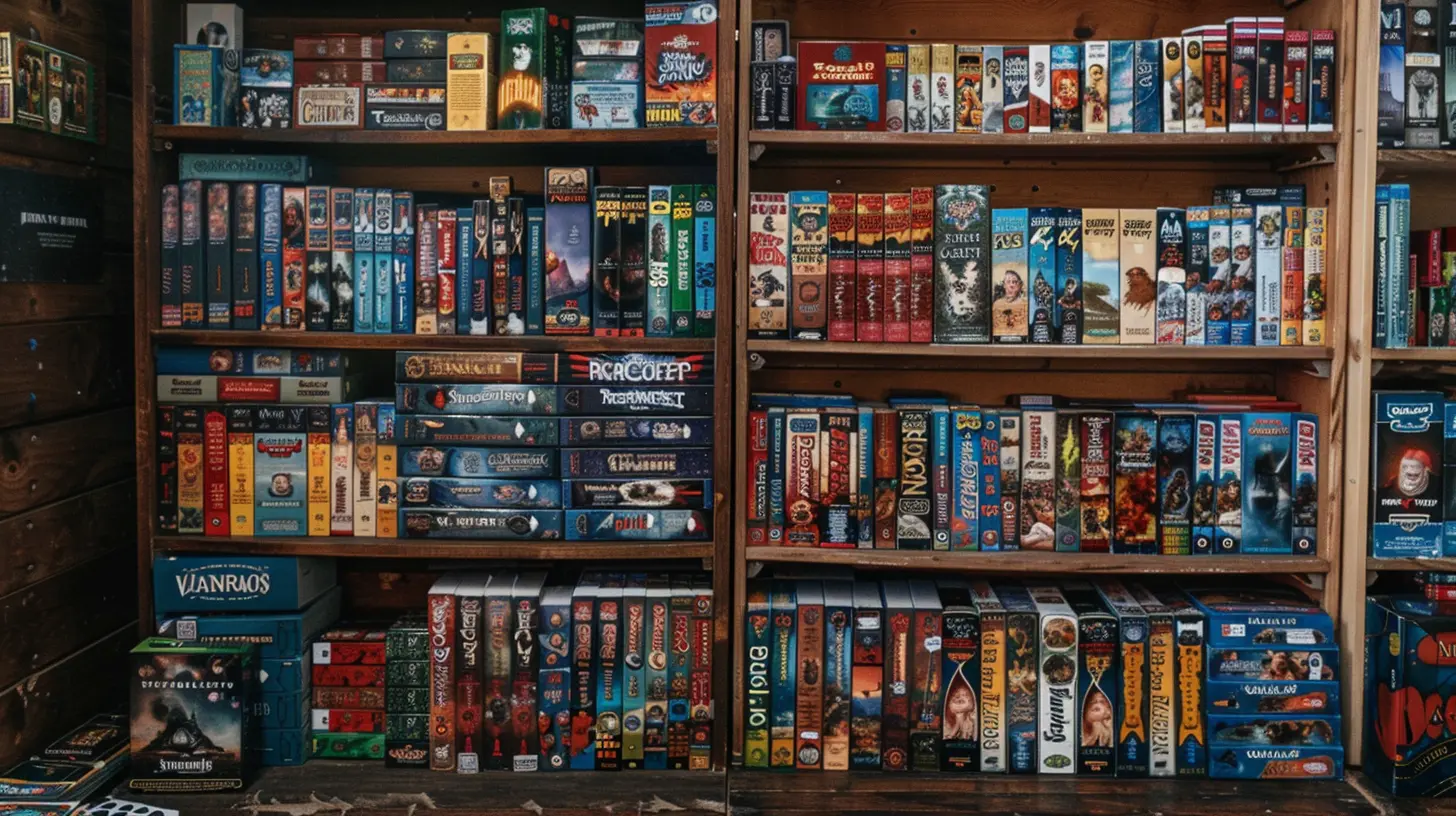
Step 2: Categorize by Game Type or Size
Once you've trimmed the fat, it's time to make sense of your remaining games. Categorizing helps you not only find games quicker but also plan how and where to store them.Some easy ways to sort your games:
- By Size: Small-box games (think Love Letter), medium-box (Codenames), and big-box (Gloomhaven).
- By Genre or Mechanic: Deduction, deck-building, co-op, party, strategy.
- By Player Count or Playtime: Quick 2-player games, heavy 4+ night-long epics, etc.
- By Frequency of Play: Favorites go on eye-level shelves, while niche or seasonal games can be stored higher or lower.
You may not stick to one method forever, but start with something that makes sense to you and your play style.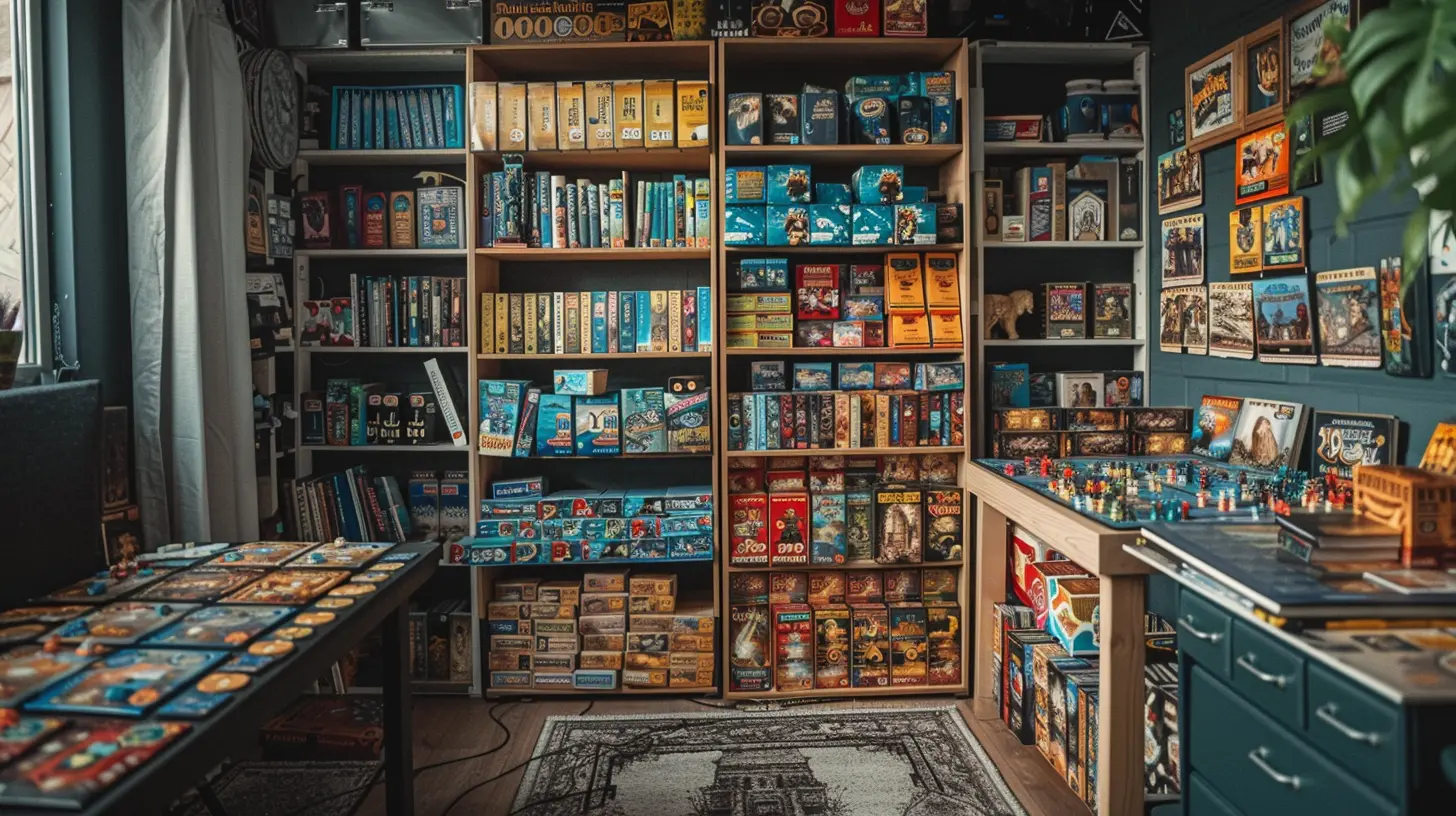
Step 3: Choose the Right Storage Solutions
Now comes the fun part—storage. This is where your inner Marie Kondo meets your inner gamer. There are tons of options out there, from sleek shelving to clever insert systems. Let’s dig into it.a) Shelving Units
If you’re serious about board games, investing in solid shelving is a must. One of the most popular options? The good ol’ IKEA Kallax unit. The cube design fits most game boxes like a glove and looks great in a game room.Other options:
- Bookshelves: Ideal for smaller games.
- Floating Wall Shelves: Great for displaying prized games.
- Rolling Carts: Perfect for mobility, small spaces, or game nights on the go.
Make sure the shelves are deep and sturdy enough to hold those heavyweight boxes.
b) Vertical vs Horizontal Stacking
Here’s something many gamers miss—how you stack your games affects their longevity. That top-down pyramid of stacked boxes may look neat, but it can warp lids and crush components over time. Try storing games vertically, like books. It’s easier to access and better for the boxes.Just make sure the pieces inside are secure—it might be worth investing in baggies or foam inserts (more on that in a bit).
c) Storage Bins and Drawers
For those small-box games or card-based fillers, plastic storage bins or drawers can tidy things up nicely. Labeling helps a ton here. Stackable bins can fit under beds, in closets, or under the shelving unit itself.Pro tip: group these small games by type or theme and store them together in a single bin. You’ll save loads of time when grabbing something quick.
Step 4: Protect Your Components
Organizing isn’t just about boxes—it’s about what’s inside them too. A cluttered game box is a recipe for lost pieces, bent cards, and setup headaches. Here's how to keep everything inside nice and neat:a) Use Inserts and Organizers
Some premium games come with custom inserts (bless those publishers), but for the rest, it's up to us. Third-party companies like Folded Space, The Broken Token, and GameTrayz offer laser-cut wooden or foamcore inserts that fit snugly in popular titles.They:
- Reduce setup and tear-down time.
- Keep components safe and organized.
- Make your game look downright pro.
b) Use Baggies and Containers
Ziplock-style bags are a quick and cheap solution for loose tokens and cards. For a more polished look, consider bead organizers or mini tackle boxes (yep, the kind used for fishing lures!). You’d be surprised how fancy your game can feel with labeled compartments.Also, don’t forget rubber bands or card sleeves to keep decks tight and protected from wear.
Step 5: Label and Log Your Collection
Let’s be honest—we’ve all forgotten we owned a game until we stumbled upon it two years later. Keeping a log helps you stay aware of what you have, what you want, and what you might want to unload.a) Use Inventory Apps
Apps like BoardGameGeek, GameHub, or Shelfie let you scan barcodes, track play sessions, rate games, and even create wishlists.You can:
- Sort your collection alphabetically or by playtime.
- Track how often you play each game.
- Share your collection with fellow gamers.
b) Use Physical Labels
Labeling shelves or bins makes finding games a breeze. Got a party-game section? Label it. Co-ops to the left, strategy monsters to the right. This is next-level stuff that makes your storage feel legit.Bonus Tips for Game Storage Magic
Alright, you’re already on your way to becoming a board game storage wizard. Let’s sprinkle in a few extra tricks.a) Consider Climate Control
Games are sensitive to moisture and temperature. If you’re storing games in a basement or attic, be cautious. Humidity can warp boards, mildew can ruin boxes, and heat can peel stickered components. Keep games in cool, dry places when possible.b) Create a Rotation System
Don’t get stuck playing the same three games. Set up a rotation system where you pull a few “featured games” each month. This keeps things fresh and puts forgotten gems back in play.c) Create a Lending Log
Do you let friends borrow games? Good on you! But it’s easy to forget who has what. A simple notebook or spreadsheet labeled “Game Lending” can save you a lot of awkward follow-ups.When Your Collection Outgrows Your Space...
Let’s be real—there may come a time when even the best system hits its limit. When your shelves are maxed out and your floor space has vanished, it might be time to ask yourself:- Should I start selling more games I rarely play?
- Can I digitize some of my collection (i.e., via Tabletop Simulator)?
- Should I expand my storage (or dare I say, create a dedicated game room)?
There’s no wrong answer. Your collection should bring you joy, not stress.
Final Thoughts
Organizing and storing your board game collection doesn’t need to be expensive or overwhelming. Think of it like leveling up your hobby. A tidy, well-organized game space makes game nights faster, smoother, and way more enjoyable.From shelving to inserts to lending logs, every small step helps. And once everything’s in its place? You’ll feel like the dungeon master of your own Game Tower.
So go ahead—sort it, stack it, label it, love it. Your future gaming self will thank you.
all images in this post were generated using AI tools
Category:
Board GamesAuthor:

Emery Larsen
Discussion
rate this article
2 comments
Blaze Hurst
Great tips! Effective organization enhances the enjoyment of our beloved board game collections.
January 7, 2026 at 4:21 AM
Emery Larsen
Thank you! I'm glad you found the tips helpful for enhancing your gaming experience!
Vanta McLanahan
Great tips! I’m eager to try new storage ideas and maximize my board game space creatively!
December 28, 2025 at 3:35 AM
Emery Larsen
Thanks! I'm glad you found the tips helpful. Enjoy organizing your collection creatively!