How to Spot a Great Game From Its Demo
12 May 2026
Let’s cut to the chase — we’ve all been there.
You download a game demo thinking, “This might be it!” You're filled with excitement, ready to dive into what could potentially be your next gaming addiction. And then…meh. It falls flat. The graphics may be decent, the controls might work fine, but something’s just off. But how do you really know if a game demo is showing you greatness or just sugar-coating a bad cake?
Well, buckle up, gamer fam, because we’re going to break things down and show you exactly how to spot a great game from its demo — before you throw your hard-earned money at a full version that doesn’t deliver.
Why Game Demos Still Matter
Game demos are like those tiny samples at your favorite food court. They're not the full meal, but they give you just enough to know whether you want to go all in.Even in an age of early access, beta tests, and gameplay trailers, game demos continue to be one of the best ways to test-drive a game's soul. They show you more than a trailer ever can. You actually play the thing.
So, how do you tell if that nibble is a taste of greatness or just a polished teaser hiding mediocrity?
1. The First Five Minutes Are Everything
Ever heard the saying “You never get a second chance to make a first impression?” That couldn’t be more true than with game demos.The first five minutes should instantly grab your attention. You don’t need explosions and epic boss battles right away (though it doesn’t hurt), but you do want to feel immersed.
Ask yourself:
- Does the game quickly introduce me to its world?
- Are the controls intuitive, or do I feel lost trying to move?
- Am I curious to keep playing?
A great demo pulls you in like a good Netflix show. If you’re looking at your phone three minutes in or zoning out during a tutorial, that's a red flag.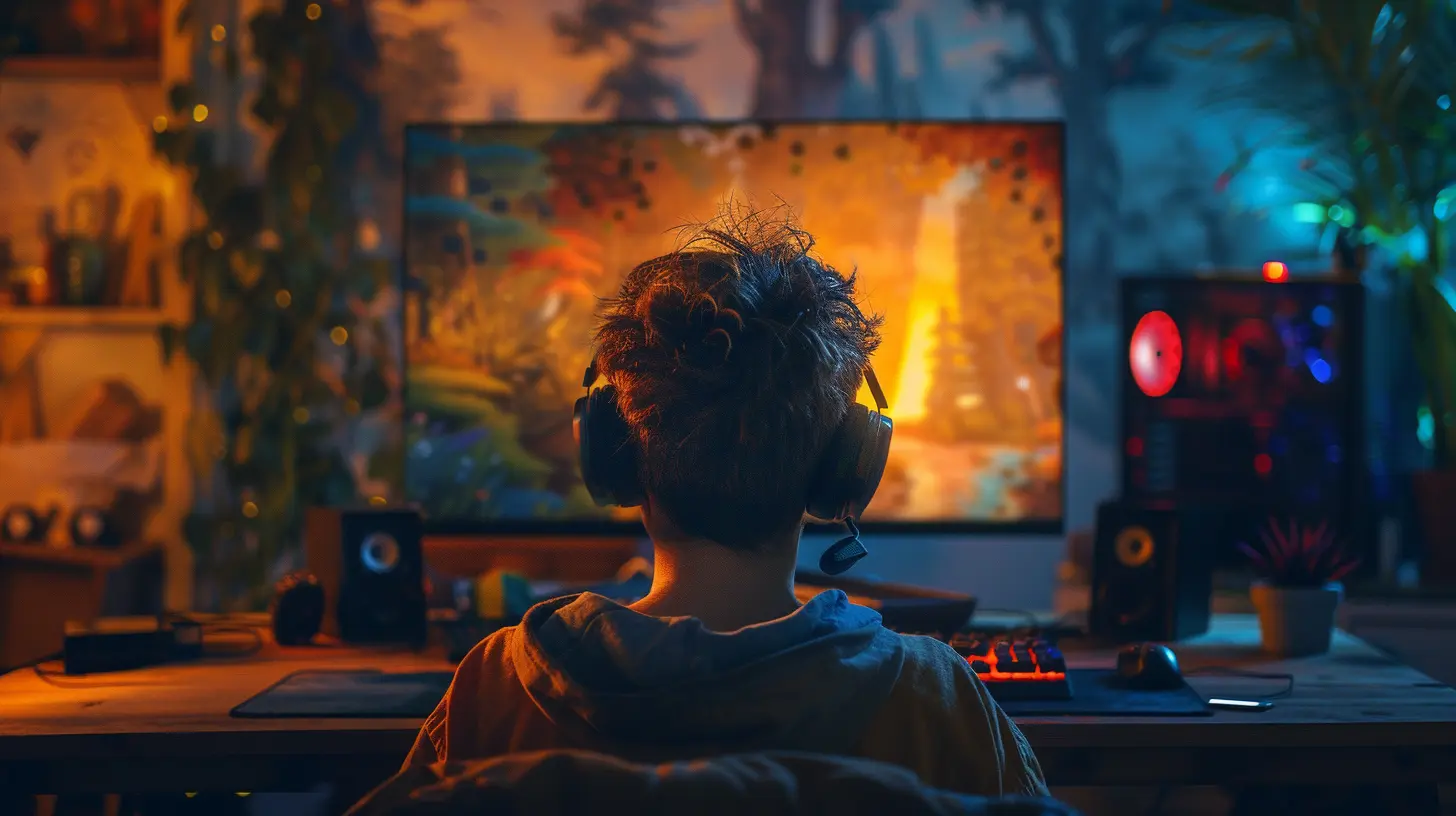
2. Smooth Controls = A Solid Foundation
You ever play a demo and feel like you’re sliding on butter or stuck in molasses? Yeah, not a good sign.Gameplay feel is everything. Even in the short runtime of a demo, the way your character moves, aims, jumps — it all matters. Great games get this right from the start.
Test this:
- Are the mechanics tight and responsive?
- Is combat (if included) satisfying and easy to grasp?
- Does the control scheme make sense, or feel overcomplicated?
If a game can’t deliver smooth and responsive controls in the demo, don’t expect magic in the final version.
3. Game Demos That Offer Genuine Choice? Chef’s Kiss
Some demos are just glorified cutscenes or heavily scripted segments that railroad your experience. That’s not what we want.A great game demo gives you room to explore or experiment, even if it’s within limited bounds.
Look for:
- Branching paths or multiple ways to complete an objective.
- Different weapons, characters, or playstyles to try.
- Environmental interaction.
If a dev trusts you with a slice of gameplay that offers layers? That’s confidence—and it usually indicates depth in the full game.
4. Does It Introduce a Hook?
Every great game has one thing that makes it unforgettable — its hook. It could be a unique mechanic, a narrative twist, an art style, or some kind of gameplay loop that smacks you with a “WOAH.”The best demos tease this in some way.
Think of:
- Time-rewind mechanics (like in Prince of Persia).
- Dual-world exploration (like The Medium).
- Strange but cool physics puzzles (hello, Portal).
If the demo has you going “Okay, that’s new and I’m into it,” then chances are the full game isn’t just a rinse-and-repeat of generic tropes.
5. Strong Visual Identity (Even if It's Not AAA)
Let’s be real — not every demo is going to be dripping in ray tracing and photorealistic models. And that’s okay. You don’t need AAA-quality graphics to have soul.But here’s the catch: a great game knows what it’s aiming for visually and nails it.
In your demo session:
- Does the art style feel intentional?
- Do the visuals and audio work together to set a mood?
- Is the UI readable and clean?
Whether it’s pixelated indie charm or stylized cel-shading, if the world looks and feels consistent, it’s a strong indicator the devs know what they’re doing.
6. Emotion Triggers: Don’t Ignore How You Feel
This one’s less techy and more gut feeling.Think back to demos that stuck with you. It wasn’t always about mechanics or graphics, right? Sometimes a good game demo hits you in the feels — makes you laugh, gasp, or sit there like, “Wait, WHAT just happened?”
That’s emotional design. When you get a taste of that in a demo? It’s gold.
Ask yourself:
- Did the characters leave an impression?
- Was there a story element or moment that made you care?
- Am I thinking about the game even after I'm done playing?
If you walk away emotionally invested — that game's probably going to be worth your time and cash.
7. Teasing Without Withholding
Okay, so demos are meant to tease the full package. But great ones tease just enough.Like a good movie trailer, a game demo should excite you without showing all its cards. It doesn’t need to give you the best boss fight or most epic moment — just a solid taste of what’s to come.
Red flags include:
- Over-long intros with little gameplay.
- Teasing content with “Full Game Only” screens too often.
- Locking out key mechanics that feel essential.
You want a satisfying experience that’s incomplete, not an incomplete experience pretending to be satisfying.
8. Bugs and Polish: Did They Care?
Nobody expects perfection in a demo, especially if it’s early access or a public test. But there’s a difference between minor hiccups and a full-on buggy mess.If the demo crashes several times, has broken mechanics, or feels like it was slapped together over the weekend?
Yikes.
Look for signs of polish:
- Are menus functional and responsive?
- Are animations smooth?
- Does it feel like someone tested this before uploading it?
A little love goes a long way, and it tells you the devs care about player experience.
9. Sound Design That Hits Right
You'd be surprised how many people overlook sound in a demo — but it’s often the secret sauce.Great demos use:
- Music that fits the vibe and escalates at the right moments.
- Sound effects that emphasize actions — like crunchy hits or eerie echoes.
- Voice acting or ambient noise that enhances immersion.
If the demo sounds good, chances are the full game’s atmosphere is going to be dialed up even higher.
10. You Hit "Replay" Without Thinking
This is the big one.If you finish the demo and instantly think, “I should try that again,” that’s almost always a green light. It means the developers have built a loop that’s already satisfying.
When this happens:
- You probably want to try a different approach.
- Maybe you missed a secret or optional area.
- Or maybe… it was just that fun.
Fun is king. If the fun’s in the demo? The game’s likely got it in spades.
Bonus Tip: Peer Opinions Matter, But Yours Matter More
Sure, you can watch streamers play the demo. You can skim Reddit threads and check Twitter reactions. But at the end of the day, you’re the player. What clicks with someone else might not be your jam.So don’t be swayed by hype or hate. Trust your gut.
If the demo makes you smile, surprises you, or keeps you up thinking about it — that’s a great sign.
Final Thoughts: Game Demos Are Sneak Peeks — Not Full Reviews
Let’s not get it twisted — demos aren’t perfect. They’re often early builds, and things can change in the full release. But they are incredibly valuable windows into the minds of developers.When crafted well, they tell you:
- How a game feels to play.
- Whether its world is compelling.
- If the devs know what they’re doing.
So next time you're booting up a new demo, look for these signs. Let yourself feel it out. Gamers have good instincts when they listen to them.
And who knows? That next demo might just be the start of your next favorite game.
all images in this post were generated using AI tools
Category:
Game DemosAuthor:

Emery Larsen
Discussion
rate this article
2 comments
Elizabeth McGill
Great insights here, very helpful!
May 30, 2026 at 2:59 AM
Emery Larsen
Thanks for the feedback! I'm glad you found it helpful.
Runeveil Barrett
Engagement and polish matter.
May 15, 2026 at 3:35 AM
Emery Larsen
Absolutely, a polished demo can really showcase a game's potential and grab players' attention.