Interstellar Politics in Sci-Fi RPGs Explained
3 June 2026
If you’ve ever played a sci-fi RPG and found yourself neck-deep in alien diplomacy, trade embargos, and galaxy-wide civil wars, then you’ve probably had the same thought many of us have: “Wow, interstellar politics is complicated.” And you know what? You’re absolutely right. But it's also one of the most fascinating aspects of the genre. So buckle up, space traveler. We’re about to dive into the pulsating heart of cosmic conspiracy and galactic governance.
Let’s break down what makes interstellar politics in sci-fi RPGs so compelling—and sometimes downright confusing.
What Even Is Interstellar Politics?
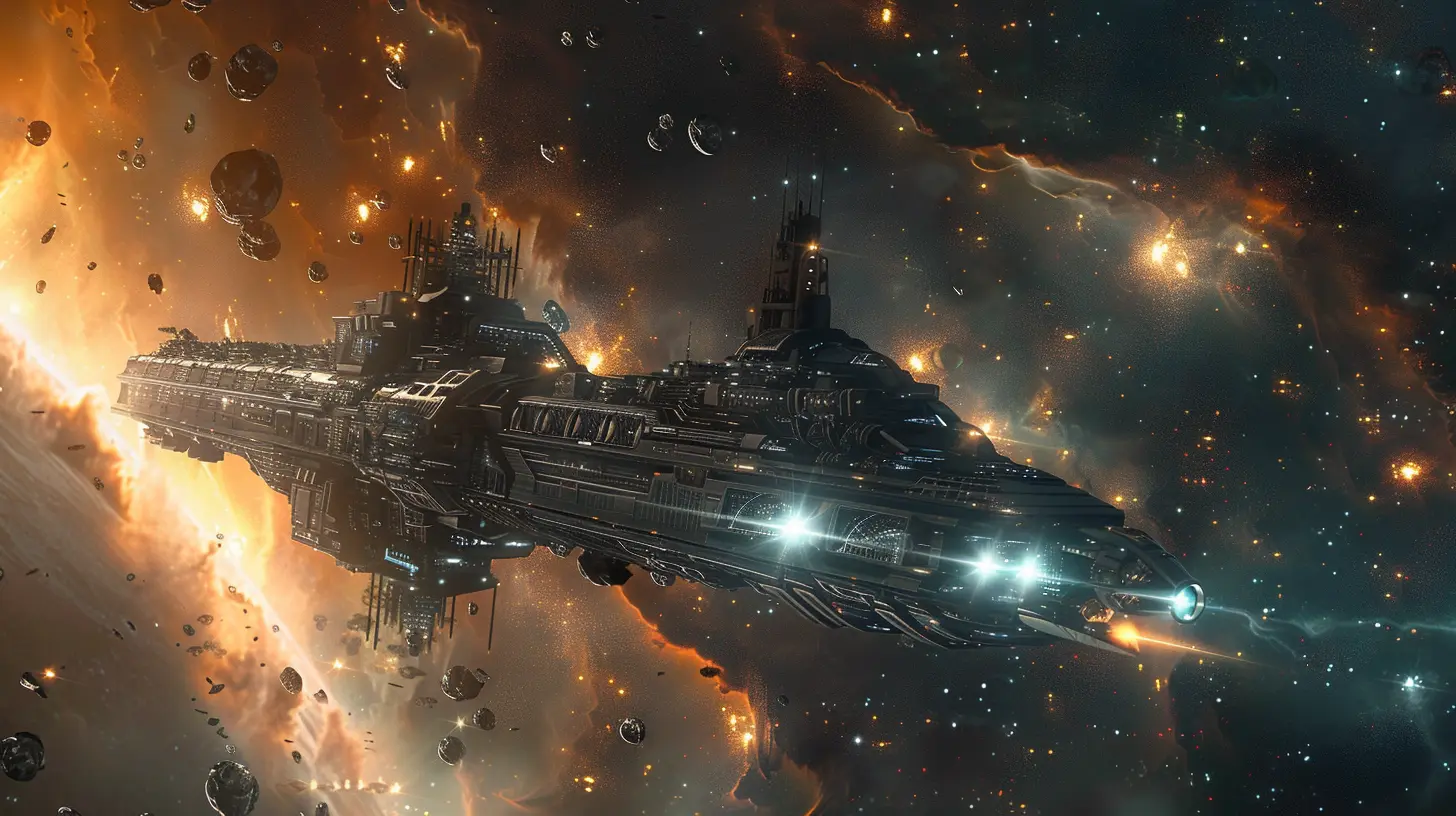
First off, let’s demystify the concept. Interstellar politics deals with the power dynamics, governance systems, and political strategies between different planets, species, or star systems. Think United Nations, but with tentacles, plasma rifles, and ships that can fold space.In RPGs (role-playing games), this comes alive in all sorts of flavors—diplomatic missions, political assassination plots, territorial disputes, and even full-blown space wars. Whether you're negotiating peace between warring alien factions or pulling the strings behind a galactic coup, politics is often at the core of the narrative.
So, why does it matter in a game where you could just shoot your way through everything?
Well, because in most sci-fi RPGs, politics changes everything.
Why Interstellar Politics Makes Sci-Fi RPGs So Juicy
Ever wondered why people keep coming back to games like Mass Effect, Star Wars: Knights of the Old Republic, or Stellaris? Sure, the laser guns and sleek starships are part of it, but the real draw is the worldbuilding—and politics is the glue holding that world together.1. Conflict Drives Story
Where there’s politics, there’s conflict. And conflict? That’s your narrative engine. Interstellar politics gives writers and game designers a perfect excuse to pit empires against each other, test alliances, and toss you into morally gray decision-making. Will you support the rebels fighting for freedom—or the empire that brings order?2. It Shapes the Game World
In most sci-fi RPGs, the political landscape affects what missions are available, which factions you can ally with, and even how NPCs treat you. Save a diplomat from assassination, and you might gain a powerful ally. Blow up a neutral trade station? Congratulations, you just made enemies across three sectors.3. It Mirrors Real-World Issues
Let’s be honest—galactic politics often borrows heavily from Earth’s history. Colonization, resource exploitation, immigration policies…sound familiar? Sci-fi RPGs use these themes to make us think about our own world. That’s what makes these games feel deeper than just space-faring shoot-‘em-ups.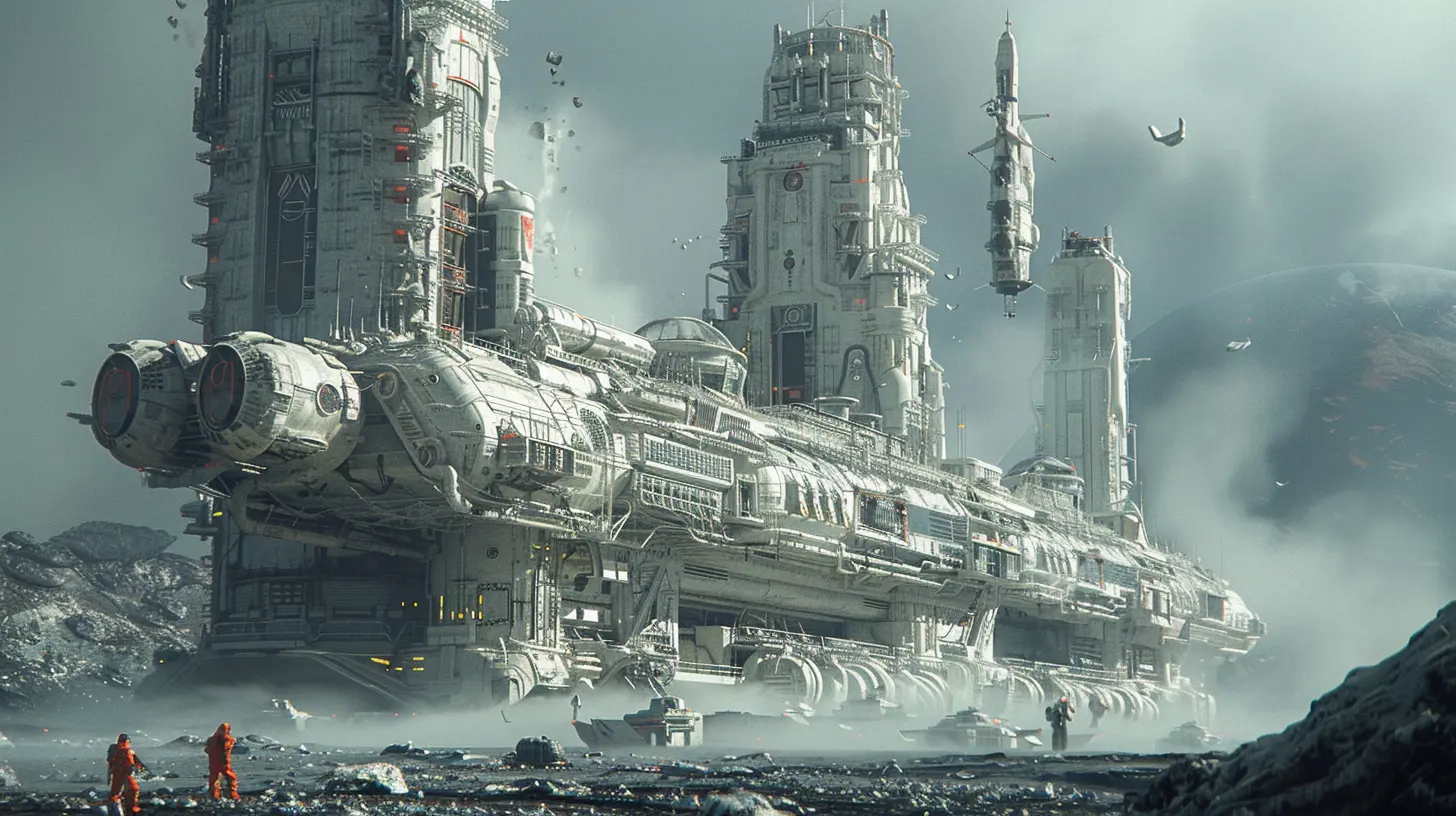
Major Factions & Political Structures in Sci-Fi RPGs
Alright, let’s talk about the usual suspects. Sci-fi RPGs are full of unique political entities, but certain archetypes keep showing up because they just work so well. Here are some of the most common ones.1. Galactic Empires
Ah yes, the big bads. Galactic empires are typically authoritarian, wealthy, and possess massive armies or fleets. Think the Sith Empire in Star Wars or the Reapers’ manipulation of galactic society in Mass Effect. These empires often believe in control over freedom and will usually stop at nothing to expand their rule.2. Federations and Alliances
On the opposite end, you've got federations—coalitions of planets or species that work together under shared laws or values. These tend to be more democratic and are often focused on peace, trade, and diplomacy. The Citadel Council from Mass Effect or the United Federation of Planets from Star Trek would fit this mold.3. Megacorporations
Sometimes it's not governments that call the shots—it’s businesses. In games like Cyberpunk 2077 (not strictly interstellar, but it gets the idea across) and The Outer Worlds, mega corps have so much power that they practically function like nations. They control resources, regulate human life, and serve their own interests above all else.4. Rebel Movements
Every good space opera needs a rebellion. These groups are usually fighting against oppression, corruption, or some form of systemic injustice. While they often begin as the underdogs, they can become major players in interstellar politics if they gain enough momentum.
Diplomacy or Destruction? The Player’s Role in Political DRAMA
One of the coolest things about sci-fi RPGs is how much impact you can have on the game’s political landscape. You’re not just a spectator—you’re a mover and shaker.Choices with Consequences
Take Mass Effect, for example. Your choices influence entire species' fates. Save the Rachni queen? You might be forever altering the balance of power. Siding with one alien race over another can lead to alliances or all-out war.Games like Stellaris go even deeper. You’re not just making one character’s decisions—you’re designing an entire civilization. You get to choose your government type (democracy, oligarchy, etc.), your ethics (xenophile or xenophobe?), and your diplomatic approach (war hawk or peacemaker?).
Espionage, Sabotage, and Other Sneaky Shenanigans
Not all political change happens in the open. Plenty of RPGs let you use stealth, manipulation, or even romance to influence the galaxy. That shady deal you made in a back-alley cantina might just topple a regime.And let’s not forget about propaganda. In some games, controlling the media means controlling public opinion. Sound familiar?
Sci-Fi Tropes That Fuel Political Chaos
Some tropes are so juicy they just keep showing up. Here are a few that fuel political drama in most space-faring RPGs:1. First Contact Conflicts
Meeting a new alien species? Sounds exciting... until culture shock, miscommunication, or plain old prejudice kicks in. These scenarios give rise to diplomatic tension and can quickly escalate into full-scale war—or beautiful alliances.2. Ancient Alien Tech
Stumbling upon some forbidden high-tech relic almost always leads to political upheaval. Whoever controls the tech, controls immense power—and everyone wants a piece.3. Artificial Intelligence
Few topics stir up as much debate as AI. Whether it's rogue sentient robots or debates about AI rights, this theme adds layers to interstellar politics: are AIs tools, citizens, or threats?4. Resource Wars
Space might be infinite, but usable resources? Not so much. Rare minerals, habitable planets, or even time-manipulating crystals can become flashpoints for galactic conflict.
Game Mechanics That Reflect Political Complexity
Good politics isn't just about story—it’s also built into the game mechanics. Let’s look at how some games pull it off.Dialogue Trees
In games like KOTOR or Mass Effect, dialogue choices can make or break alliances. The tone, the information you reveal, and your alignment all matter.Reputation Systems
Your standing with various factions changes based on your actions. Help the mercenaries one too many times, and the peacekeepers might start to hate your guts.Government Simulations
Games like Stellaris or Civilization: Beyond Earth combine RPG elements with deep strategy. You’ll juggle things like public happiness, political factions at home, and interstellar diplomacy.Morality Meters
Paragon or renegade? Lawful or chaotic? Morality systems don’t just affect how characters perceive you—they can reshape the entire political map.Why We Love Getting Caught in Galactic Red Tape
So, what keeps us coming back to these political rabbit holes? It’s not just about winning battles—it’s about influencing the galaxy.Interstellar politics gives you a universe-sized stage to make your mark. You’re not just saving the day; you’re rewriting history. And let’s face it—it’s fun to play puppet master or rebel hero in a world where the stakes are literally lightyears-wide.
Plus, it creates stories that linger. Long after the credits roll, you'll remember the time you brokered a ceasefire between two warring species—or caused a star war because you flirted with the wrong ambassador.
Final Thoughts: Your Vote (and Blaster) Count
Interstellar politics in sci-fi RPGs isn’t just background noise—it’s the heartbeat of the narrative. It gives depth, tension, and meaning to your journey through the stars. Whether you choose diplomacy, warfare, or a bit of both, every decision scrapes at the delicate balance of power in a universe teetering on the edge.So next time you’re deep into a game and faced with a political dilemma, don’t just click the first option. Think about the ripple effect. After all, in the world of sci-fi RPGs, one decision can echo across galaxies.
May your negotiations be slick, your enemies be clueless, and your moral compass... flexible.
all images in this post were generated using AI tools
Category:
Sci Fi GamesAuthor:

Emery Larsen
Discussion
rate this article
2 comments
Brooke Wade
Interstellar politics add depth and intrigue, making sci-fi RPGs truly immersive and engaging.
July 9, 2026 at 3:58 AM
Emery Larsen
I completely agree. Interstellar politics really enrich the storytelling and player experience in sci-fi RPGs. It creates layers of conflict and alliance that draw players in.
Preston McAleer
Interstellar politics in sci-fi RPGs is a complex dance of alliances and betrayals. It's fascinating how players navigate power struggles, balancing diplomacy and warfare. Whether crafting a treaty or launching a surprise attack, every choice alters the galaxy's fate... formidable!
June 7, 2026 at 2:40 AM
Emery Larsen
Thanks for your insights! It truly is a compelling challenge for players, navigating those intricate dynamics. Each decision can really reshape the narrative.