Screen Time Smart: Balancing Play and Learning Through Games
8 December 2025
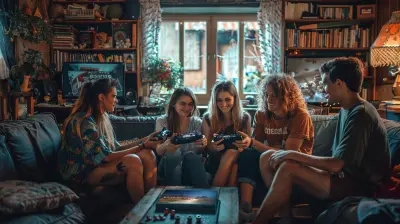
Let’s be real for a second—screens are part of our everyday lives now. Whether it’s gaming on a console, swiping through apps on a tablet, or even watching walkthroughs on YouTube, kids and adults alike are glued to screens. And while many folks panic about screen time turning brains to mush, the truth is a bit more complicated. Not all screen time is created equal. In fact, if you’re screen time smart, you can actually turn gaming into a powerful tool for learning, creativity, and connection.
So how do we strike that sweet balance between play and learning through games?
Let’s break it down.
The New Reality of Screen Time
First things first: we’re not living in the 90s anymore. Today’s screens aren’t just passive TVs — they’re interactive, connected, and smarter than ever. That means screen time can be both fun and productive—if you know how to use it right.Gamers today aren’t just mashing buttons. They’re solving complex puzzles, building massive digital worlds, managing resources, and even learning new languages (hello, “GG” in French!). When approached the right way, gaming becomes so much more than just a pastime—it becomes a digital playground for the mind.
But too much of even a good thing can be a problem, right? That’s why balance is key.
Why Gaming Isn’t the Enemy
Let’s bust a myth: video games aren't the digital equivalent of junk food.Sure, there are apps and games that are basically brain candy—they’re fun, flashy, and have zero educational value. But there are also games that teach critical thinking, problem-solving, creativity, and teamwork.
Some games even help develop real-world skills. Think about it:
- Minecraft teaches architecture and engineering basics.
- Civilization VI drops players into the heart of history and strategy.
- Kerbal Space Program makes rocket science (literally!) a fun challenge.
- Roblox lets kids create their own games with basic programming logic.
These aren’t just fun games—they’re digital classrooms.
Good Screen Time vs. Bad Screen Time
Not all screen time is equal, and treating it like it is just doesn’t make sense. It’s like saying all food is bad because some of it is junk. You wouldn’t ban vegetables just because candy exists, right?So how do we decide what’s good screen time and what’s not?
Here’s a simple way to look at it:
| Type | Description | Examples |
|------|-------------|----------|
| Active Screen Time | Engages the brain, promotes learning or creativity | Educational games, coding apps, building games |
| Passive Screen Time | Consuming content without interaction | Endless YouTube vids, binge-watching |
| Social Screen Time | Builds social connections | Multiplayer games, online co-ops |
| Solo Screen Time | Alone time that may or may not be constructive | Casual single-player games or scrolling social media |
The goal? Maximize the active and social, and minimize the passive and meaningless.
Parenting Pro Tips: Make Screen Time Work for You
If you're a parent, the idea of balancing screen time might feel like refereeing a wrestling match. But don't worry—it’s not about banning screens. It’s about guiding them.Here are a few smart tips:
1. Set Screen Time Schedules
Kids thrive on structure. Create a daily or weekly routine that includes screen time for learning, play, and relaxation. Mix in offline activities like outdoor play, reading, or crafts to keep things balanced.2. Curate, Don’t Just Control
Instead of just setting restrictions, help kids find high-quality games. Go on the hunt together. Read reviews, watch gameplay videos, and try games out yourself. Playing these games with them can also be a bonding activity.3. Talk About It
Ask your kids about their games. What are they building in Minecraft? Which strategy worked best in their last Civ game? This shows them you care and opens up discussions about what they're learning.4. Use Parental Tools Wisely
There are plenty of tools to track and manage screen time—use them. These can help set limits and enforce breaks without you having to be the “bad guy” all the time.5. Lead by Example
Yep, you saw this coming. If your kids see you glued to your phone all day, it sends a mixed signal. Show them how you balance work, relaxation, and play on your devices too.Learning Through Play: The Hidden Power of Games
Games are the ultimate combo of challenge and reward. But here’s where it gets cool: the very things that make games addictive also make them powerful learning tools.Games Teach Problem Solving
Most games are just a series of problems waiting to be solved. Whether it’s leveling up a character, beating a boss, or building the perfect rollercoaster—gamers learn to experiment, fail fast, and adapt quickly.Games Boost Creativity
Sandbox games like Minecraft or Roblox give kids a canvas and a toolbox. What they build is up to them. That’s some next-level creativity right there.Games Encourage Collaboration
Multiplayer games often require players to work together, negotiate roles, and build strategies. That's not just fun—it’s social learning in action.Games Promote Goal-Setting
Every mission, quest, and challenge is basically a goal. And when players succeed, they get instant feedback. That reinforces persistence and motivates progress—skills that matter in the real world.Edutainment: The Rise of Educational Games
Gamification isn’t just a buzzword—it’s a revolution.Educators and developers are making games explicitly designed to teach while entertaining. Here are a few worth checking out:
- Prodigy – A math RPG where spells equal equations.
- Kahoot! – Turn quizzes into game shows.
- Duolingo – Language learning with levels, streaks, and rewards.
- Toca Boca – Apps designed for creative play and exploration.
These games hide learning inside gameplay, like slipping veggies into your kid’s favorite pasta dish. They won’t even notice it’s good for them.
The Importance of Taking Breaks
Yes, gaming is awesome. But too much of anything—even learning—can lead to burnout.Taking breaks is critical. Encourage the 20-20-20 rule: every 20 minutes, look at something 20 feet away for at least 20 seconds. It’s good for the eyes and the brain.
Also, make time for physical play. Whether it’s jumping on a trampoline or going for a bike ride, moving the body helps the mind reset and stay sharp.
Even games themselves are getting smarter about this. Some now include in-game messages encouraging players to take breaks. Smart, right?
Screens and Sleep: A Tricky Relationship
Let’s not ignore the impact screens have on sleep. Blue light can mess with melatonin, the sleep hormone. So it’s a good idea to power down screens at least 30–60 minutes before bed.Instead, try screen-free bedtime activities:
- Reading a book
- Drawing
- Listening to soft music or audiobooks
Sleep is when the brain processes and stores everything it learned during the day. So let your kids (and yes, you too) get that deep, quality sleep.
Making Screen Time a Family Affair
Gaming doesn’t have to be a solo sport. Make it a family event.Pick games the whole family can enjoy—like Mario Kart, Just Dance, or cooperative puzzle games. It’s a great way to bond, laugh, and learn together.
Plus, it helps kids see that technology isn’t something that separates us—it can actually bring us closer when used the right way.
Quick Checklist: Are You Screen Time Smart?
Use this quick list to see if you’re on the right track:✅ Are you mixing gaming with other activities like outdoor play, reading, and chores?
✅ Are you picking games that challenge the mind, spark creativity, or teach real skills?
✅ Do you limit passive screen time (like endless scrolling or watching videos)?
✅ Are you talking with your kids about what they’re playing and learning?
✅ Do you model healthy screen use yourself?
If you ticked most of these, congrats—you’re screen time smart!
Final Thoughts
Let’s stop treating screen time like the enemy. It’s a tool—just like a paintbrush, a soccer ball, or a musical instrument. Used with intention, it can help kids (and grown-ups) learn, create, and thrive.So instead of banning games or fearing screens, let’s teach our kids how to use them wisely. Balance is the name of the game. It’s not about how much time they spend on screens, but what they do with that time that really counts.
So go ahead—play that game, build that world, solve that puzzle.
Just remember to log off for dinner.
all images in this post were generated using AI tools
Category:
Games For KidsAuthor:

Emery Larsen
Discussion
rate this article
3 comments
Rachel McWain
Why choose between fun and learning? With the right games, you can snack on knowledge while leveling up your skills!
April 20, 2026 at 4:27 PM
Emery Larsen
Absolutely! The right games make learning enjoyable, turning screen time into a fun, educational experience. It's all about finding that perfect balance.
Fennec Gutierrez
Finding that balance makes gaming even better!
December 8, 2025 at 6:16 PM
Emery Larsen
Absolutely! Striking that balance enhances the gaming experience and promotes healthy development.
Deborah Lawson
Games can inspire learning—balance is the key!
December 8, 2025 at 4:09 AM
Emery Larsen
Absolutely! Finding the right balance between play and learning is essential for maximizing the benefits of screen time in children's development.