Survival Mechanics in Hostile Alien Environments
9 May 2026
Have you ever been dropped into an alien world in a video game and felt completely, utterly lost? No air, strange creatures eyeing you for their next meal, and weather that would make a volcano look cozy. Yeah, surviving in hostile alien environments isn’t just a feature—it’s the whole reason you’re playing. Games that drop you into the unknown demand more than just good aim. You’ve got to manage resources, stay alive, and keep your sanity. So, let’s dig into how game developers create these brutal, unforgiving survival mechanics—and why we can’t get enough of them.

Why Do We Love Struggling to Survive in Alien Worlds?
Let’s be honest: if you’re sitting comfortably at home with a controller or keyboard, why would you want to simulate freezing to death on a storm-ridden planet or being hunted by acid-spitting aliens?Well, survival mechanics tap into something primal. It’s about challenge. It’s about testing your limits. It’s about that addictive loop of "just one more day."
In alien environments, survival isn’t just hard—it’s unknowingly hard. You don’t even know what’s going to kill you yet, let alone how to stop it. That’s where the real thrill comes in.
The Core Pillars of Alien Survival Mechanics
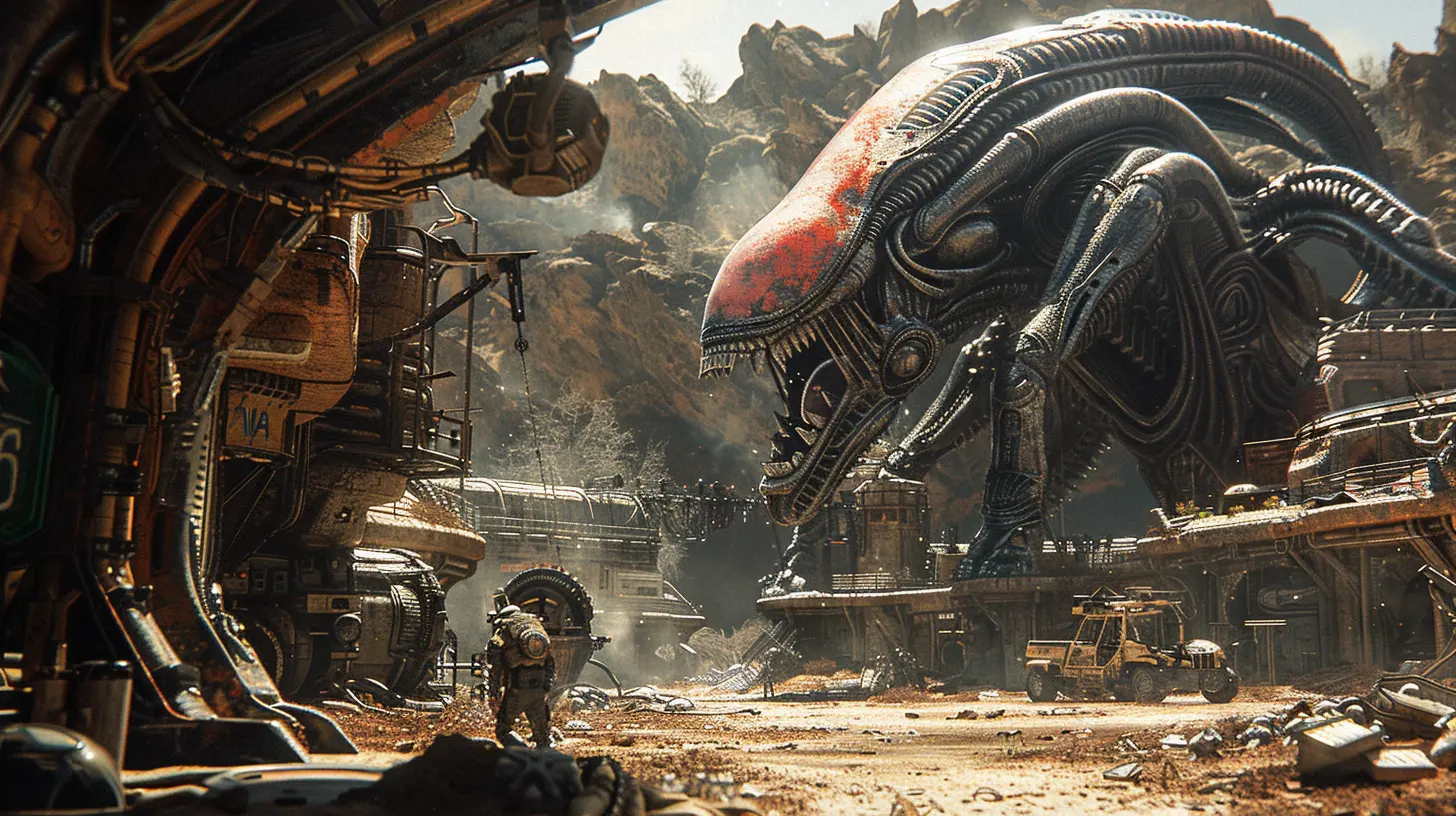
Let’s break it down. What actually makes survival mechanics feel gripping when you're not just on Earth, but light-years away from anything familiar?1. Environmental Hazards
You’re not strolling through a park here. You’re on a planet where even the rain could dissolve your suit in seconds.- Extreme Temperatures: Think freezing winds or suns that fry you in minutes. You’re constantly managing heat levels, wearing the right gear, or building shelters just to avoid becoming alien jerky.
- Toxic Atmospheres: Oxygen is either nonexistent or actively poisonous. Games like No Man’s Sky or The Planet Crafter force you to monitor O2 levels constantly and refill your tanks before they run dry.
- Radiation and Weather Events: Power storms, sand blizzards, radiation pulses—these aren’t just there for drama. They can knock out power, prevent exploration, and make you hide for dear life.
It’s survival redefined—you don't just fight enemies. You fight the world itself.
2. Resource Scarcity
Think about this: You're not likely to find a Walmart on Planet X. That means every bullet, every drop of water, every calorie matters.- Food and Water: You’re either hunting alien critters, farming weird glowing plants, or trying to convert alien sludge into drinkable water.
- Materials for Crafting: Whether you need titanium for a new habitat or silicon for solar panels, you’re constantly scouring the planet and prioritizing what you carry. Inventory management becomes its own mini-game.
- Power Sources: Without electricity, your cozy little base turns into a tomb. Solar panels, thermal generators, or alien tech salvaged from ruins become your lifeline.
It’s not just about surviving the elements—it’s about surviving your own poor decision-making. Use all your fuel flying halfway across the planet? Hope you like camping.
3. Health and Vital Signs
Alien flu? Radioactive poisoning? Space madness? Your health bar isn’t the only thing at risk.Survival games now track vitals like:
- Stamina and Fatigue: Run too far, carry too much, and you’ll collapse at the worst possible moment.
- Mental Stability: Some games dive into the psychological impact. Panic sets in. Vision blurs. Hallucinations mess with your perception. Suddenly, you're not sure if that thing moving is an alien— or just your imagination.
- Injuries and Healing: Fall from a cliff, and you might limp for days unless you find the right supplies. Bandages, alien salves, or even sci-fi med kits all play a role.
These mechanics raise the stakes. You’re not a superhero—you’re just trying not to bleed out in a crater.
Player Progression in Alien Survival Games
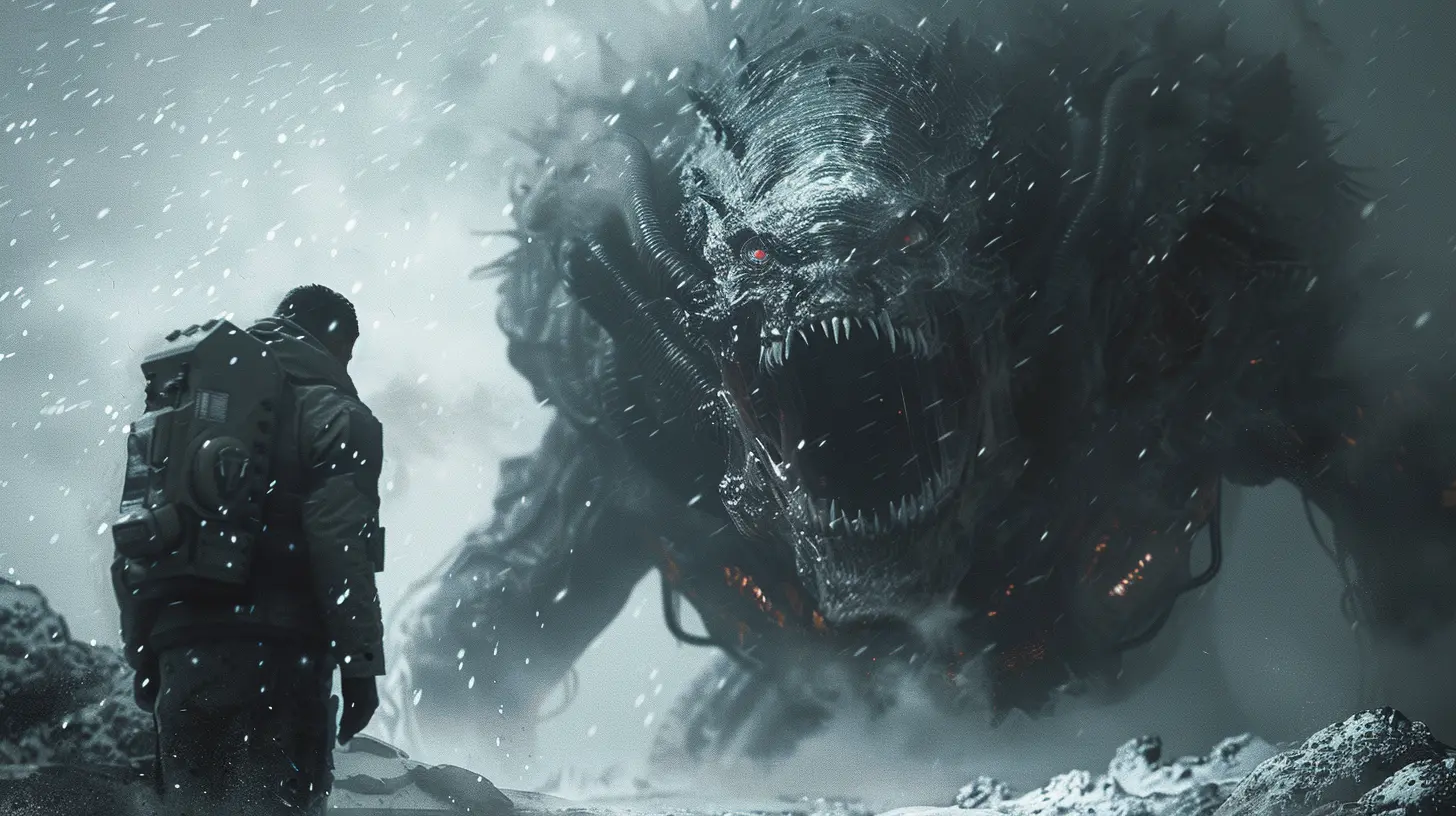
What makes these harsh worlds awesome (and a bit less soul-crushing) is the sense of progress. You start in rags, barely able to breathe, and end up building a futuristic empire.Crafting and Base-Building
Remember the first time you built a basic wall to keep the wind out? Fast-forward twenty hours, and you’ve got an automated base farming rare minerals, defending itself with turrets, and powered by alien fusion cores. Crafting systems encourage creativity—but they also reward survival smarts.- Shelters and Hubs: You have to construct safe zones that protect you from environmental dangers and become staging areas for missions.
- Automation: Once you’ve got your bearings, automation becomes key. Conveyor belts, auto-miners, advanced AI tracking—what starts as simple survival becomes resource management and large-scale production.
- Modular Construction: Build your way. Whether it’s underground bunkers, mountaintop observatories, or floating platforms over acid lakes, it’s your world—if you live long enough to claim it.
Skill Trees and Tech Unlocks
What’s survival without feeling like a badass slowly learning the secrets of a foreign world?- Technology Research: Scan alien artifacts, collect DNA samples, and build into higher tech tiers.
- Personal Upgrades: Exosuits, stronger tools, jetpacks—all help you go farther, dig deeper, and survive longer.
- Perks and Specializations: Some games let you choose a survival style—be it stealth, brute force, or diplomacy. Cut deals with alien factions? Or shoot first and ask questions never?
You’re not just surviving—you’re evolving.
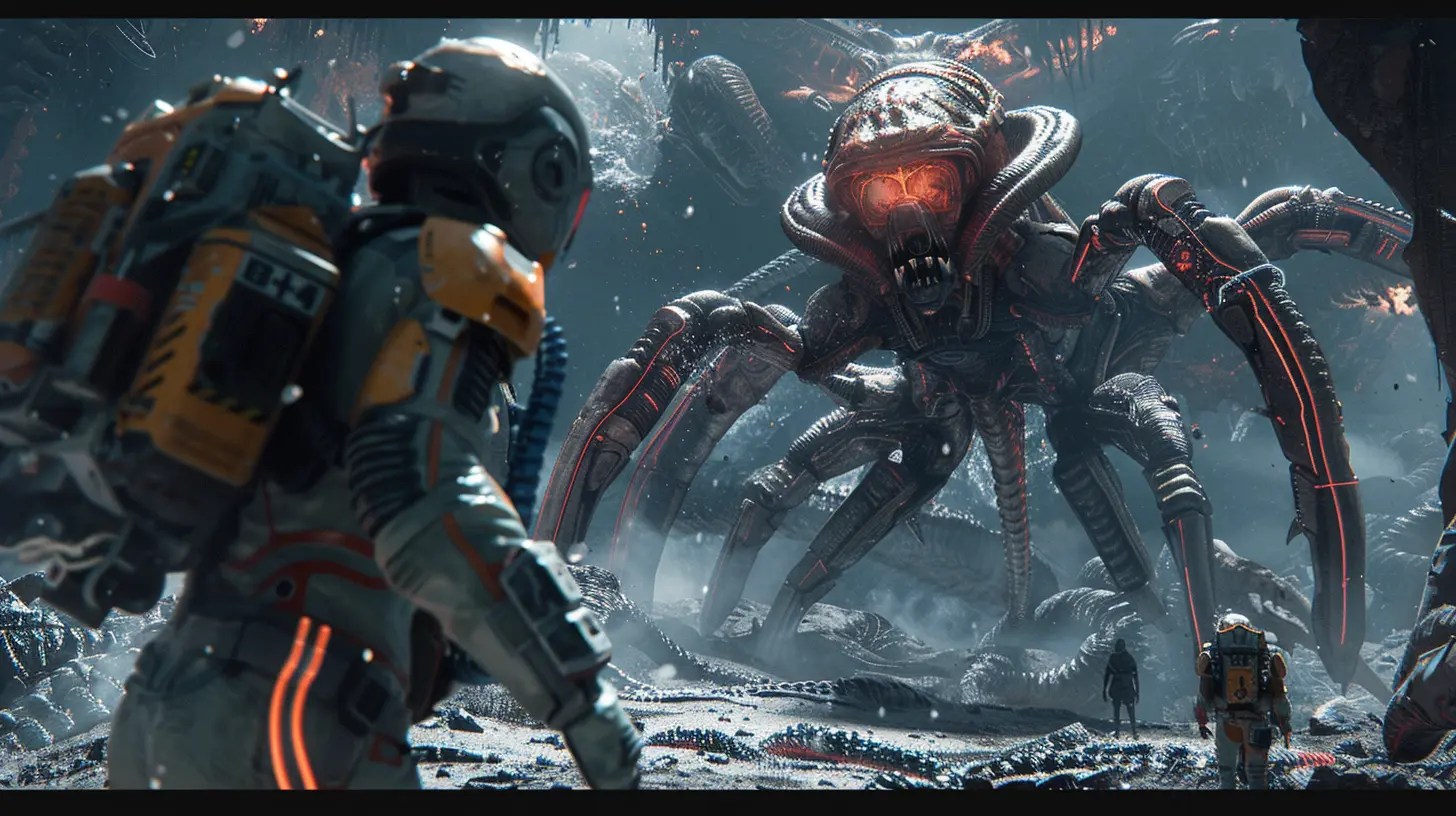
AI and Alien Life Forms: The Wildcard Factor
A huge part of survival comes down to who— or what— is trying to kill you.Alien Wildlife
These aren't your neighborhood squirrels. Some aliens are passive grazers. Others will tear you apart if you get too close.- Behavioral AI: Many games feature creatures with actual routines—hunting, nesting, even avoiding certain areas. Understanding behavior becomes part of the survival game.
- Food Chains and Ecosystems: Some titles like Subnautica showcase full ecosystems. Kill too many of a certain species? Their predators start searching for new food. (Spoiler: you.)
- Taming and Interaction: Not all aliens want to eat you. Some allow taming, symbiotic relationships, or strategic manipulation. Befriend the right creature, and you might get help exploring or defending your base.
Hostile Factions or AI
Beyond wild beasts, you’ve got intelligent threats. Rogue AI guardians, alien tribes, or other stranded survivors might see you as competition.- Territorial Battles: Cross the wrong border, and suddenly you’re being hunted.
- Stealth or Diplomacy Mechanics: Sometimes, survival means learning how to avoid conflict—or negotiate your way out of it.
- Base Sieges: Prepare your defenses. Some games let enemy factions attack your strongholds, forcing real-time reaction and strategic planning.
It’s like living in a neighborhood where everyone constantly wants to rob you—only they have plasma guns.
Multiplayer and Co-Op Survival
Facing all this solo is tough. But add a few friends, and suddenly survival becomes a shared journey.- Team Roles: One person handles farming, another scavenges, another builds. The division of labor brings new levels of strategy and efficiency.
- Dynamic World-Sharing: Multiplayer survival games thrive on emergent gameplay. From base raids to co-op expeditions into unknown areas, it’s always more fun (and chaotic) with others.
- Trust Issues: Is your teammate sticking with the plan—or stockpiling resources for a betrayal? Social survival is just as real as environmental.
Games like Empyrion and Ark thrive on this blend of cooperation and paranoia.
Psychological Pressure: Survival Beyond Numbers
Sometimes, it’s not just hunger or hostile enemies that test you—it’s the creeping dread that you’re really, truly alone.- Sound Design: A good ambient soundtrack, eerie winds, or the distant growl of a creature you haven’t seen yet—it all adds tension.
- Lighting and Atmosphere: Games often use darkness and limited visibility to mess with your head. Are those eyes? Or just reflections?
- Narrative Hooks: Survival stories often come with mysteries. Where are the others? What happened to the crew? Should you even be trying to survive here?
The best survival games let you feel not just hungry or injured—but vulnerable.
Iconic Games with Brutal Alien Survival Mechanics
If you’re wondering where to start (or which games nailed it), here are a few must-plays:- Subnautica – Oceanic alien planet, crafting, and an emotional narrative rollercoaster.
- The Planet Crafter – Terraforming meets survival in a beautifully harsh world.
- No Man’s Sky – Massive universe, base-building, space exploration, and better than ever with continual updates.
- The Forest (and Sons of the Forest) – Mutant horrors, co-op survival, and base defense.
- Empyrion - Galactic Survival – A deep mix of survival, crafting, exploration, and ship-building.
Each one handles alien survival in its own unique way but nails that feeling of isolation, danger, and slow-but-rewarding progress.
Final Thoughts: Why Alien Survival Works So Well
The truth is, hostile alien environments strip everything back. No comfort. No familiarity. Just you, maybe some tools, and a whole lot of danger.It’s the ultimate “what if?” test. What if you were stranded on a toxic planet? What if you had to build your life from scratch with alien tech and no help? Could you survive?
That’s the magic of these games. They put you in impossible situations—and then dare you to find a way out. And when you do? It’s one of the most satisfying feelings you can get from a game.
So whether you're crafting your first O2 generator or taming a three-headed space-beast, one thing's for sure: you're gonna fight, you’re gonna struggle—and you're gonna love every second of it.
all images in this post were generated using AI tools
Category:
Sci Fi GamesAuthor:

Emery Larsen
Discussion
rate this article
2 comments
Paxton McGrath
Survival in hostile alien worlds sounds thrilling! I'm curious about the unique mechanics that players can explore. How do these environments challenge our instincts and creativity in survival gameplay?
May 27, 2026 at 3:23 PM
Emery Larsen
Thanks for your interest! Unique mechanics in these alien worlds often force players to adapt quickly, using limited resources and environmental cues. Each challenge pushes creative problem-solving, making survival an exciting test of instincts.
Astoria Adams
Survival mechanics in alien worlds add layers of challenge and creativity. Players must adapt to unfamiliar ecosystems, manage limited resources, and navigate unpredictable threats. It's a thrilling test of ingenuity and resilience.
May 10, 2026 at 4:29 PM
Emery Larsen
Absolutely, the unpredictability of alien ecosystems truly pushes players to think outside the box. It's all about adapting and overcoming the unique challenges that come with each new world.