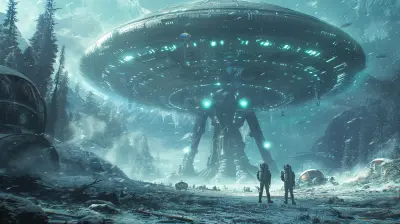
The Allure of the Unknown in Sci-Fi Exploration Games
29 March 2026
Have you ever looked up at the stars and wondered what's out there? Not just in terms of distant planets or swirling galaxies—but the secrets, the stories, the possibilities that the unknown holds. That feeling, that craving for adventure mixed with curiosity, is exactly what makes sci-fi exploration games so magical. These aren't just games you play. They're experiences you live.
In this article, we're diving deep into why the mystery of the cosmos, the thrill of discovery, and the sheer unpredictability of the unknown make sci-fi exploration games so irresistible. Buckle up, stargazer—this is going to be one heck of a journey.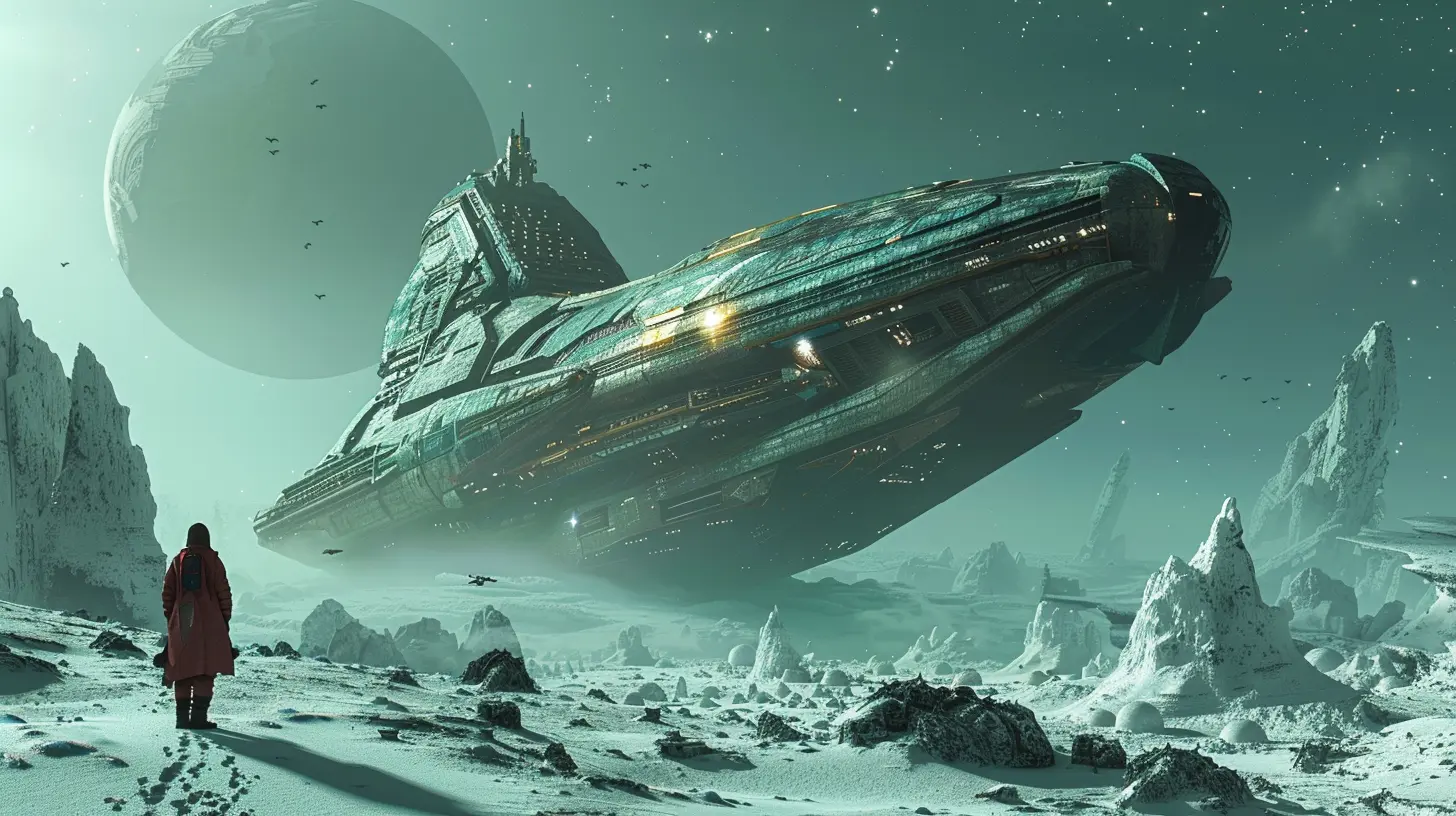
The Human Obsession with the Unknown
Let’s be real: humans are naturally curious creatures. From the moment we could walk upright, we’ve been poking at things, asking “what’s this?”, “why does it work like that?”, and “what’s over that hill?” Fast-forward to modern times, and that hill has become a planet. Or an entire galaxy. Or dimensions we can't even explain.Sci-fi exploration games tap into that psychological itch we all have—to know, to see, to experience something completely different. They aren’t just digital playgrounds. They’re telescopes into the impossible.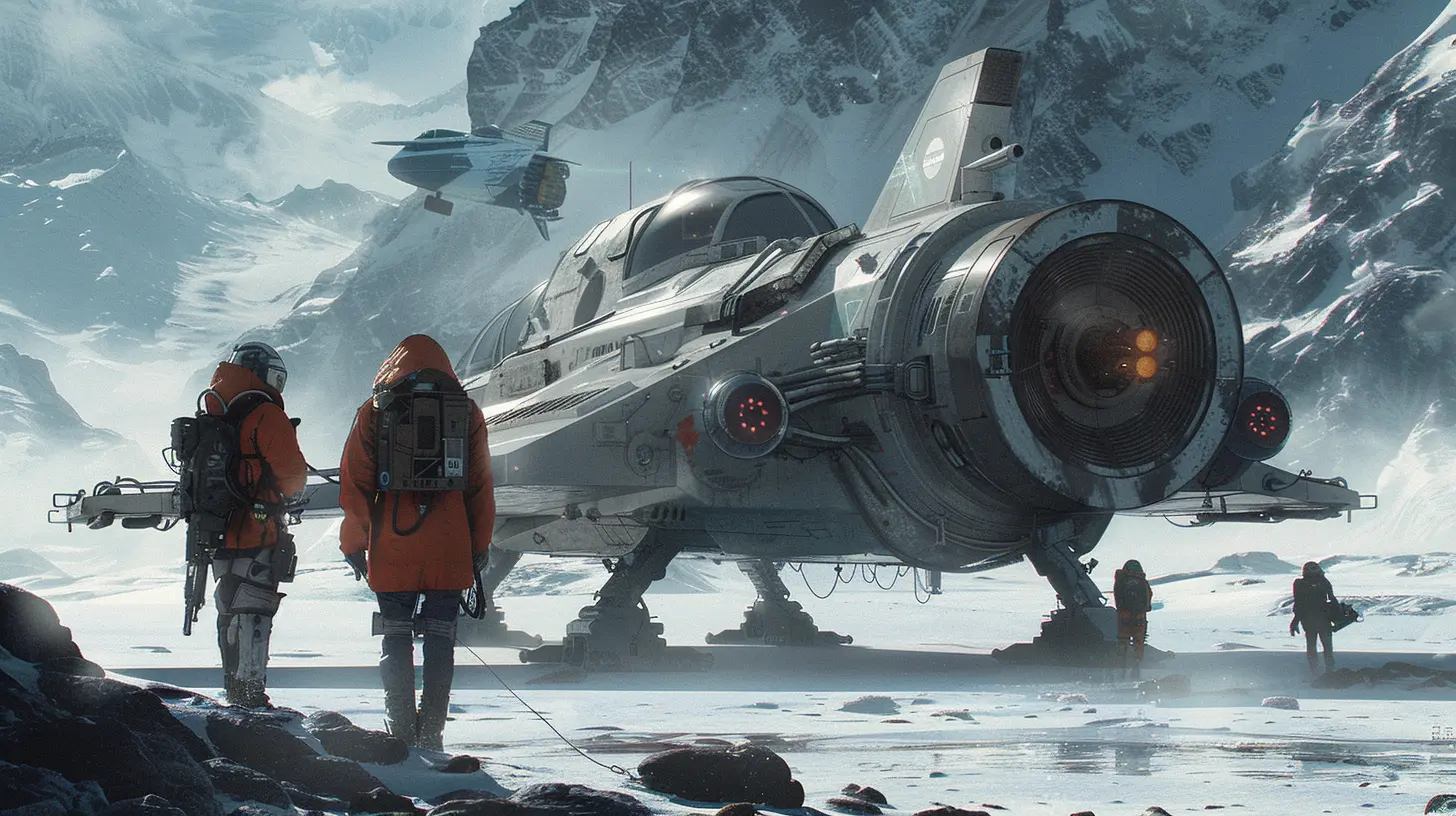
What Exactly Is a Sci-Fi Exploration Game?
If you're just dipping your toes into the genre, let me break it down.A sci-fi exploration game is typically set in space or future-altered realities, where the core gameplay revolves around—you guessed it—exploration. You might be surveying alien worlds, charting unknown star systems, or even unraveling intergalactic mysteries along the way. Think of it as being a cosmic Indiana Jones with a spaceship instead of a whip.
But here's the kicker: these games often don’t give you a roadmap. Nope. You're left to figure it all out. And that's where the magic happens.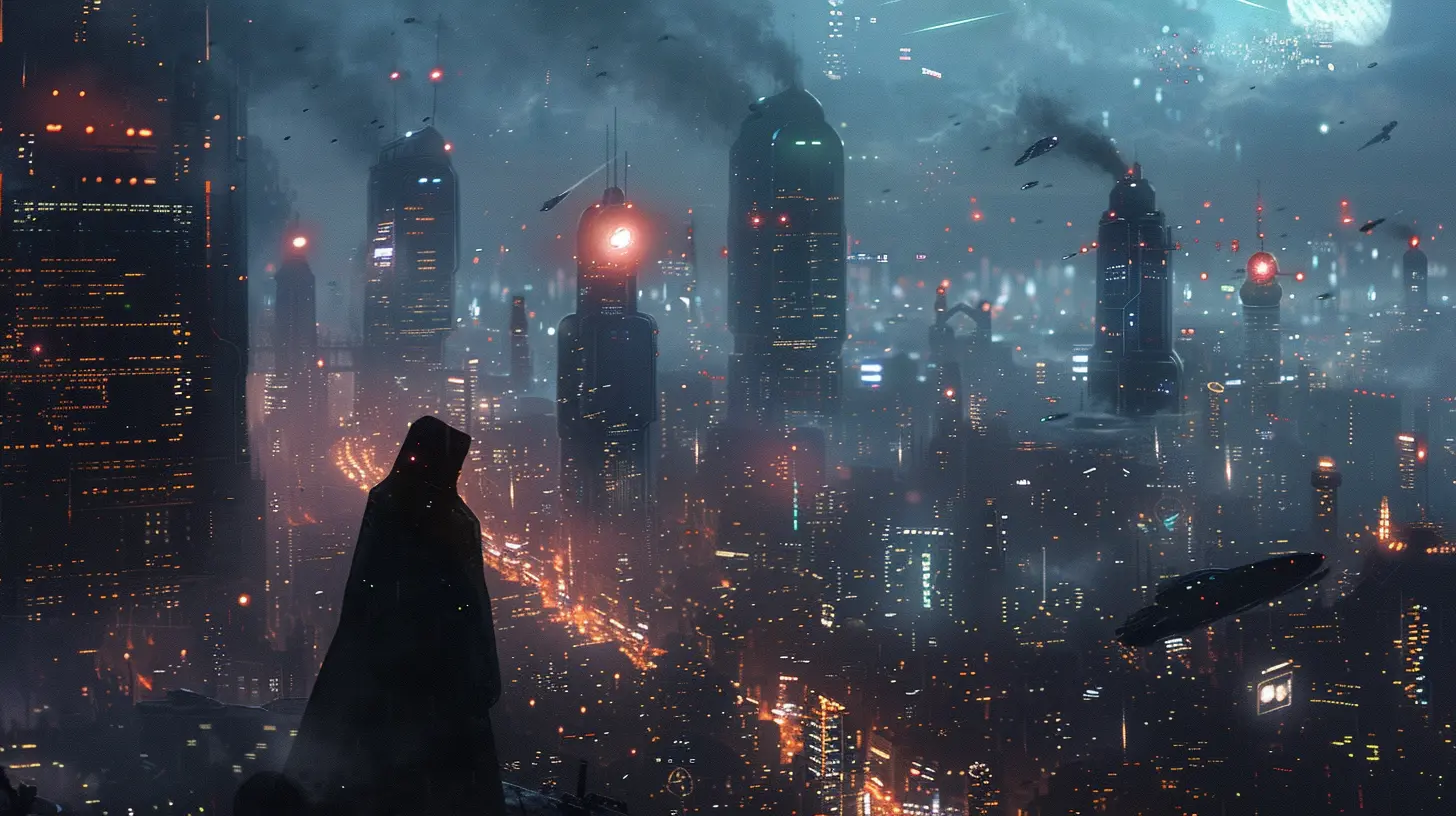
The Power of a Blank Map
One of the most powerful mechanics in sci-fi exploration games? The absence of direction.You boot up the game. There's a planet in front of you. Maybe some weird sounds in the distance. A signal calling out from a moon you’ve never seen before. You feel a mix of nervousness and excitement. And yet—you move forward.
That blank map, that empty galaxy—it’s like a painter’s canvas. You’re free to chart your own journey, your own discoveries. That freedom is incredibly empowering. And it’s something few genres allow in such an immersive way.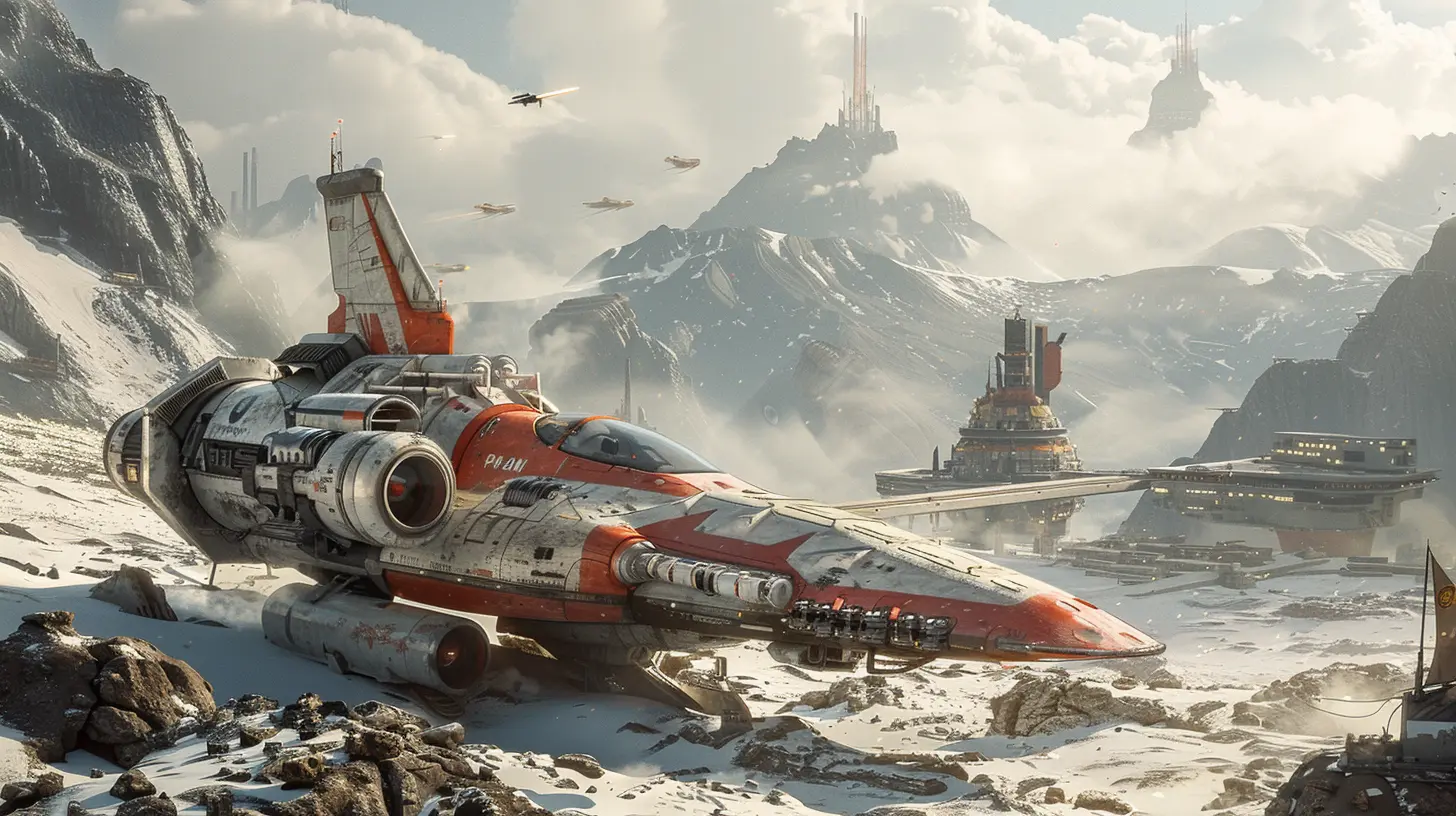
Atmosphere: The Silent Storyteller
Ever played a sci-fi game where you land on a planet, and everything is just…quiet?It’s eerie, right? But also kind of mesmerizing.
Atmosphere plays a HUGE role in drawing players into the unknown. It's not always about flashy graphics or booming music. Sometimes, it’s about the silence. The wind whispering across alien dunes. The subtle hum of your ship. The echo of your footsteps in an abandoned space station.
Games like No Man’s Sky, Outer Wilds, and Returnal nail this. They don’t spoon-feed you lore. Instead, they let the world speak for itself. And as players, we lean in to listen.
It’s Not Just About Space—It’s About Stories
While space exploration sounds like it's all planets and stars, what really hooks us are the stories.Think about it—every strange artifact, every derelict ship, every abandoned outpost tells a tale. Maybe it’s a civilization wiped out by an ancient virus. Or a pilot who got lost charting a new quadrant. Or a message left behind for someone who never arrived.
When you stumble across these pieces of lore organically, it feels rewarding. Like you’ve unearthed something special. Something meant for you. And that personal connection? That’s addicting.
Procedural Generation: Endless Unknowns
One of the coolest tools that sci-fi exploration games use is procedural generation. Sounds fancy, right?Basically, it means the game builds worlds, creatures, and environments on the fly using algorithms. This means no two playthroughs are the same. It’s like opening a brand-new mystery box every time you play.
Games like No Man’s Sky thrive on this. With over 18 quintillion planets (yes, that’s an actual number), you're never running out of new places to find. That unpredictability keeps things fresh and exciting—and ensures that sense of wonder never wears off.
Risk and Reward: Is It Worth the Leap?
You know what really makes the unknown powerful? The risk.Every time you step into a new environment, you have no clue what’s waiting. Could be treasure. Could be death. Could be both.
This tension amps up that feeling of adventure. You weigh your options. Do you head into that cave with weird noises? Do you follow the beacon signal even though your oxygen is low?
That constant push-pull between curiosity and caution creates some of the most memorable moments in gaming.
Player Agency: Your Story, Your Way
What’s better than being told a great story? Creating one yourself.Sci-fi exploration games often put the storytelling reins in your hands. The choices you make—where to go, what to prioritize, who to trust—shape your journey. Maybe you become a peaceful explorer cataloging alien life. Maybe you turn into a battle-hardened survivor.
There’s something incredibly satisfying about looking back at your game journey and knowing you made it yours. That ownership deepens engagement and amps up replayability.
Visuals That Stop You in Your Tracks
Let’s not ignore the eye candy.The unknown wouldn’t be nearly as intoxicating if it wasn’t so dang beautiful. From glowing nebulae to crystalline alien forests, sci-fi games are a feast for the senses.
And it’s not just about realism. It’s about imagination. These games show us worlds we'll never see in real life—but want to believe we could. They craft wonder through artistry, and that makes every screenshot worthy of a wallpaper.
Multiplayer Mystery: Exploring Together
While the solitude of space can be peaceful, exploring with friends takes the experience to another level.Games that allow co-op or online exploration (hello Star Citizen) tap into our need to share discoveries. You and your buddy stumbling upon a hidden moon base is something you’ll talk about for weeks. And racing each other to name a newly found planet? Instant bragging rights.
There’s a certain joy in getting lost together and figuring things out as a team—two space cowboys against the unknown.
Emotional Notes: Wonder, Fear, and Everything In-Between
The best sci-fi exploration games aren’t just about gameplay mechanics. They’re emotional playgrounds.One moment you’re standing on a cliff, marveling at three suns setting in the distance. The next, you’re scared out of your mind because something just moved in the shadows.
That emotional rollercoaster is what keeps you hooked. It’s not just logic pulling you forward—it’s your heart. Your gut. That indescribable feeling that something amazing—or terrifying—might be waiting just around the corner.
The Future of Sci-Fi Exploration Gaming
Here’s the exciting part: we're just getting started.With advances in AI, machine learning, virtual reality, and cloud gaming, future sci-fi exploration games will take us to places our current selves can’t even imagine. Entire galaxies generated in real-time. NPC civilizations with evolving cultures. Fully immersive 3D environments that react to your every move.
The unknown is becoming even more unknown. And as weird as that sounds—it’s thrilling.
Final Thoughts: Why We Keep Going Back
So why do we keep returning to sci-fi exploration games, even after hundreds of hours?Because these games speak to something ancient within us—a need to find, to know, to understand, and sometimes, just to wonder. In a world where so much feels mapped out and explained, sci-fi exploration games give us our mystery back.
They whisper, “There’s more out there.” And we can’t help but answer, “Show me.”
So the next time you fire up your console or PC and stare into the digital cosmos, take a second to appreciate the journey ahead. The unknown is calling. Are you ready to answer?
all images in this post were generated using AI tools
Category:
Sci Fi GamesAuthor:

Emery Larsen
Discussion
rate this article
2 comments
Brianna Taylor
Exploring the unknown in sci-fi games is like unwrapping a present—exciting, unpredictable, and full of surprises!
April 1, 2026 at 3:24 AM
Emery Larsen
Absolutely! The thrill of discovery in sci-fi games keeps players engaged and constantly craving new adventures.
Esme Chapman
Absolutely! Sci-fi exploration games are like a cosmic treasure hunt! Every unknown corner beckons with the promise of adventure and discovery. Dive in, embrace the mysteries, and let your curiosity guide you—who knows what wonders you’ll uncover in the vast universe ahead!
March 31, 2026 at 2:50 PM
Emery Larsen
Thank you! I completely agree—sci-fi exploration games truly transform the universe into an exhilarating journey of discovery.