The Art of Seasonal Level Design in Modern Games
17 April 2026
Let’s talk about something that seems like a small detail in gaming—but when it’s done right, you can feel it in your bones. I’m talking about seasonal level design. You know, that shift in scenery when your favorite map transforms with falling leaves, snowy rooftops, or blooming flowers? It’s more than just a visual treat—it’s a powerful tool that game designers use to play with your emotions, immersion, and even gameplay.
In this article, we’ll break down why seasonal level design isn’t just a pretty skin on your favorite game world. It’s an art form. And today, we're diving deep into how modern games are mastering this art to keep players constantly engaged.
What Is Seasonal Level Design, Anyway?
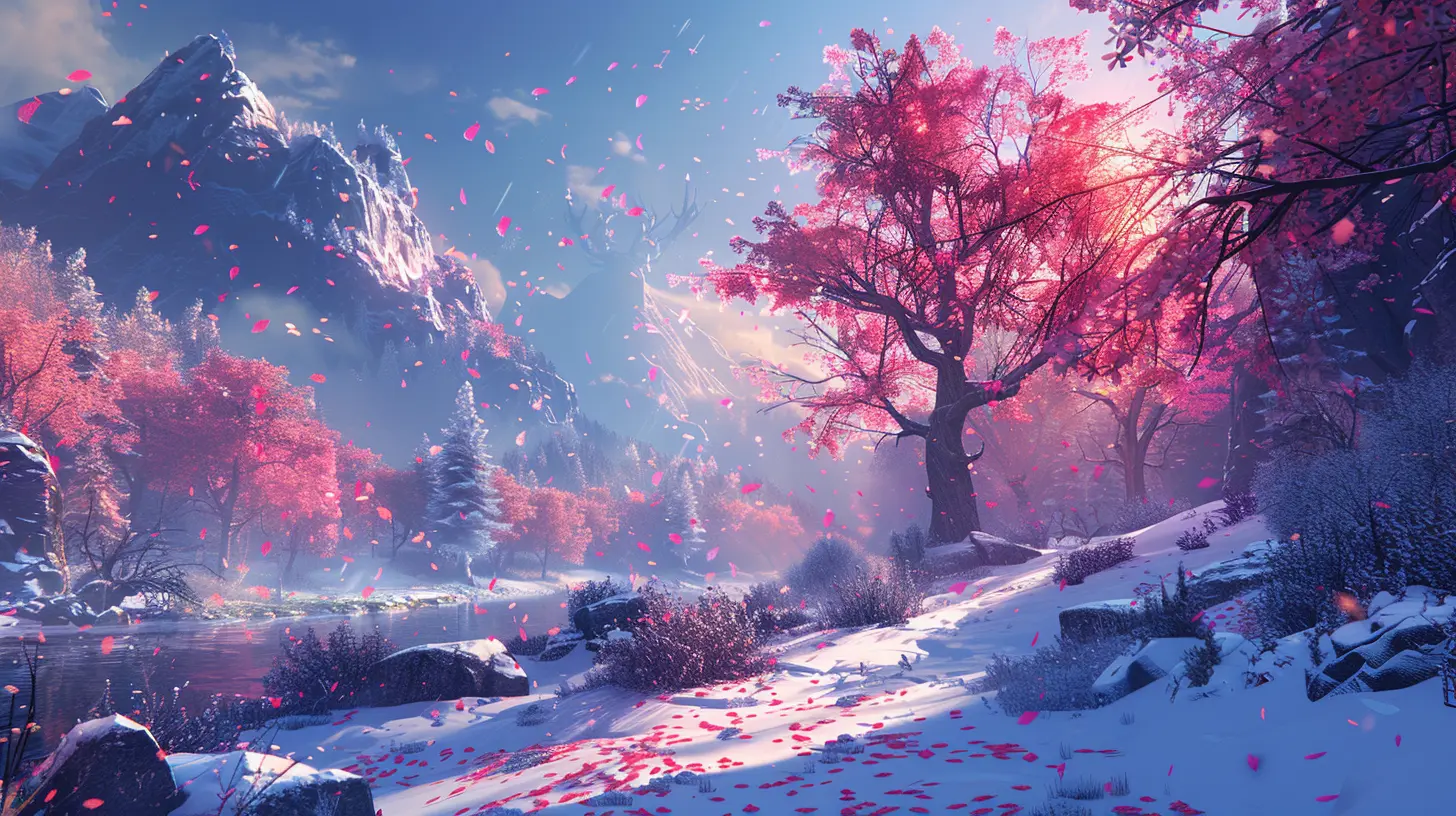
At its core, seasonal level design refers to changes in game environments that reflect real-world seasons or holidays. Think winter wonderlands during December, cherry blossom trees in April, and spooky Halloween twists in October. Some games even align these with real-world calendars, while others use fictional seasons to match their fantasy timelines.But it's not just about slapping a Christmas tree in the middle of a town square and calling it festive. True seasonal design involves tweaking lighting, sound, textures, and even gameplay mechanics to reflect a new vibe entirely.
It's Not Just Eye Candy—It’s Emotional Storytelling
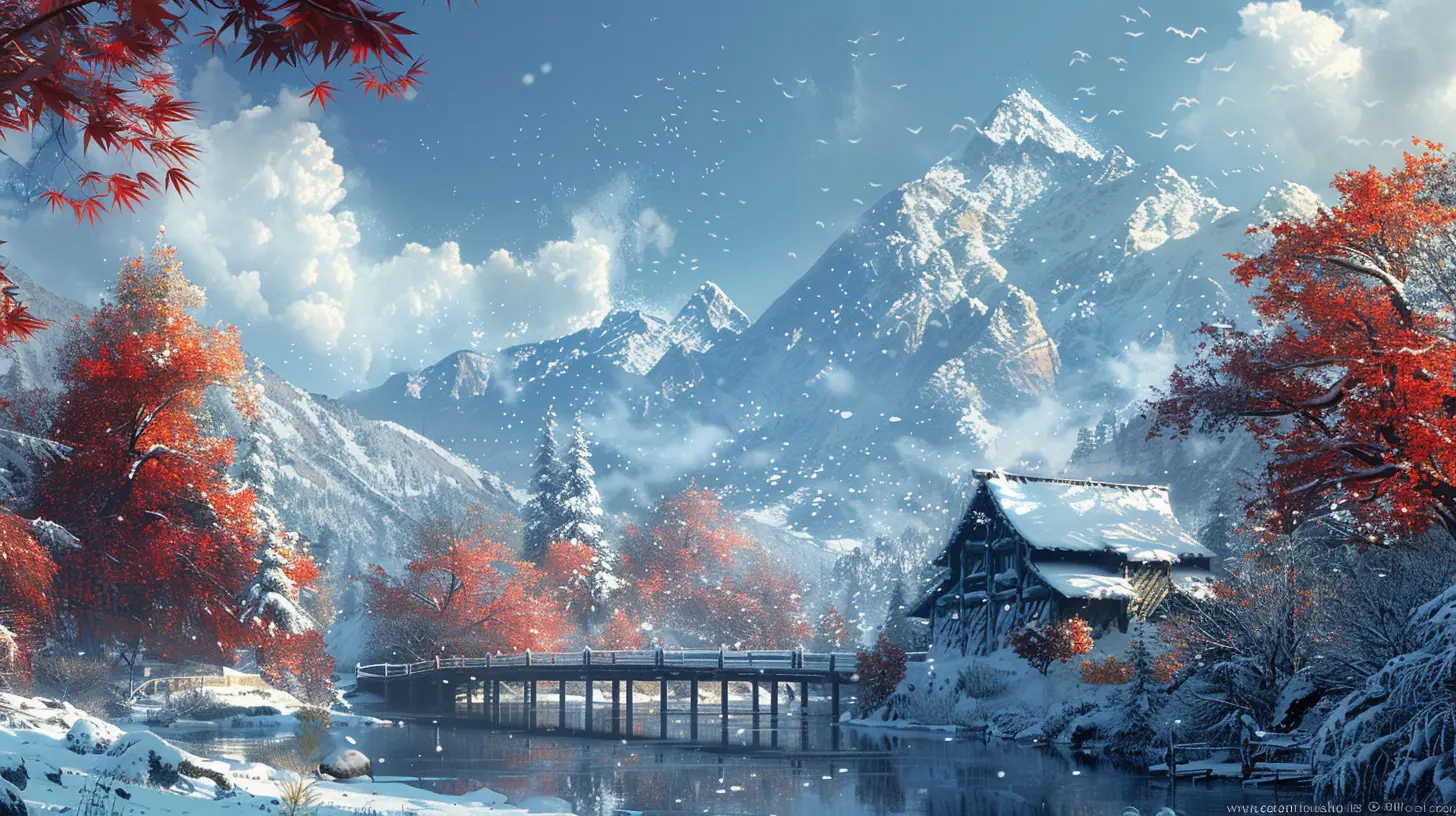
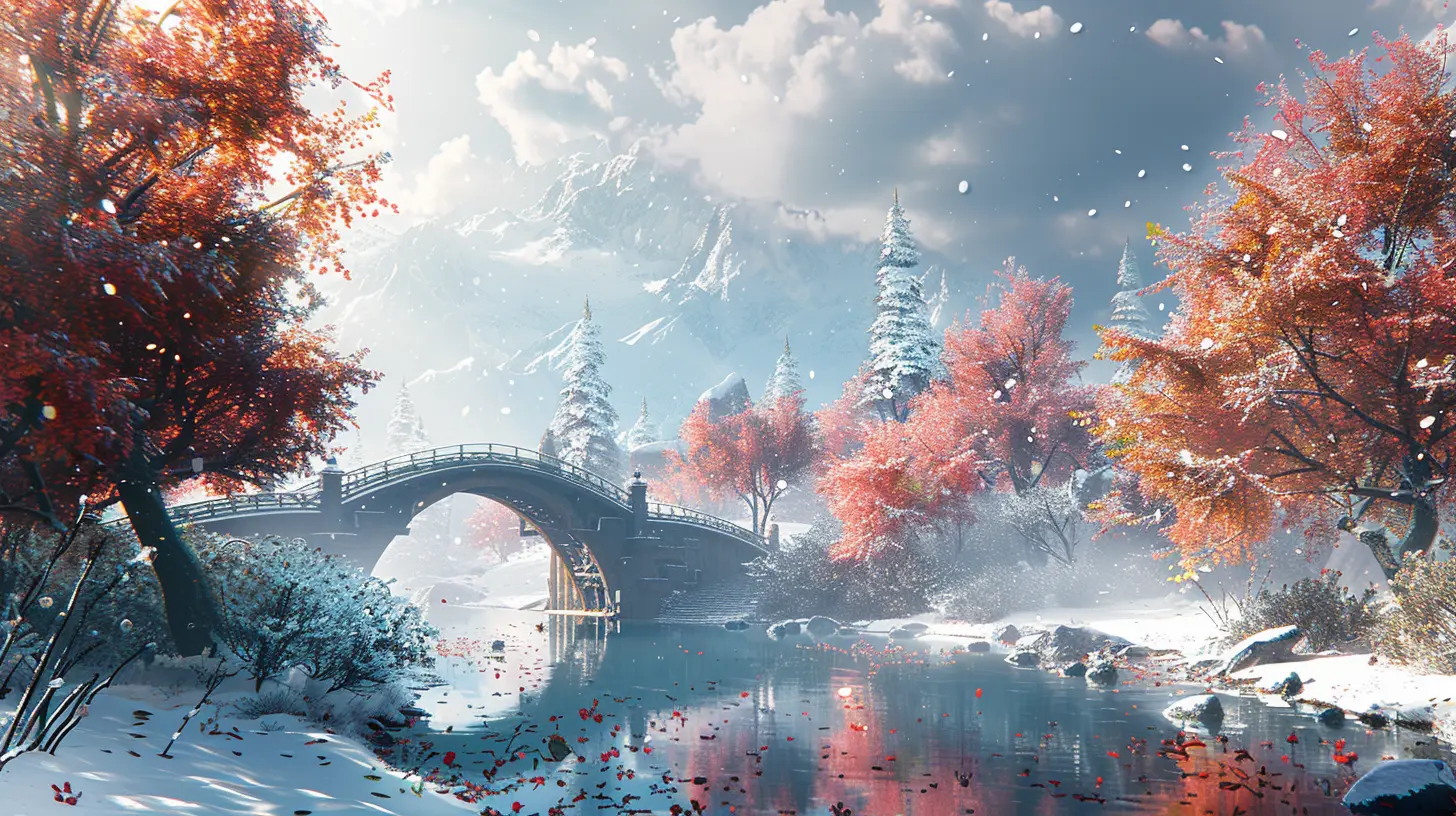
Sure, a layer of snow looks pretty. But seasonal design does a lot more than just change how things look. It changes how you feel.- Winter feels colder, lonelier – Developers might tone down ambient sounds, use muted colors, and even slow character movement to simulate trudging through snow.
- Spring feels hopeful – Bright lighting and color palettes can make a world feel alive again after a harsh winter.
- Fall brings nostalgia – The golden hue, the crunch of leaves, the overcast skies—somehow, it transports you to cozy childhood memories you didn’t even know you had.
These mood shifts aren’t accidental. They’re crafted. Developers use them as narrative tools that pull you deeper into the game's world.
Examples of Seasonal Design Done Right
Let’s look at a few modern games that absolutely nail seasonal level design.1. Animal Crossing: New Horizons
This one’s almost a no-brainer. Animal Crossing changes in real-time with your actual seasons. Your island in summer is not the same as it is in winter.- Bugs and fish change with the seasons.
- Decorations and events mirror real-world holidays.
- The soundtrack subtly shifts to match the month.
It’s a masterclass in immersive world-building. Honestly, it feels like the island is alive.
2. Fortnite
Epic Games has made seasonal design part of its brand. Each new season of Fortnite brings massive environmental changes—volcanoes erupt, floods wash away towns, entire biomes appear. It’s more than cosmetic; it affects gameplay.This evolving map keeps players returning just to see what’s new. It's like walking into a living, breathing theme park that reinvents itself every few months.
3. The Witcher 3: Wild Hunt
While not tied to real-time seasons, The Witcher 3 uses seasonal cues narratively. Blood and Wine’s Toussaint region feels eternal spring, full of color and charm. Contrast that with Skellige, which can feel like the dead of winter—cold, isolated, ruthless.It’s how the world feels that matters, not just how it looks.
How Seasonal Design Impacts Gameplay
Let’s get beyond the aesthetics. Seasonal changes can directly influence how you play a game.1. Changing Terrain
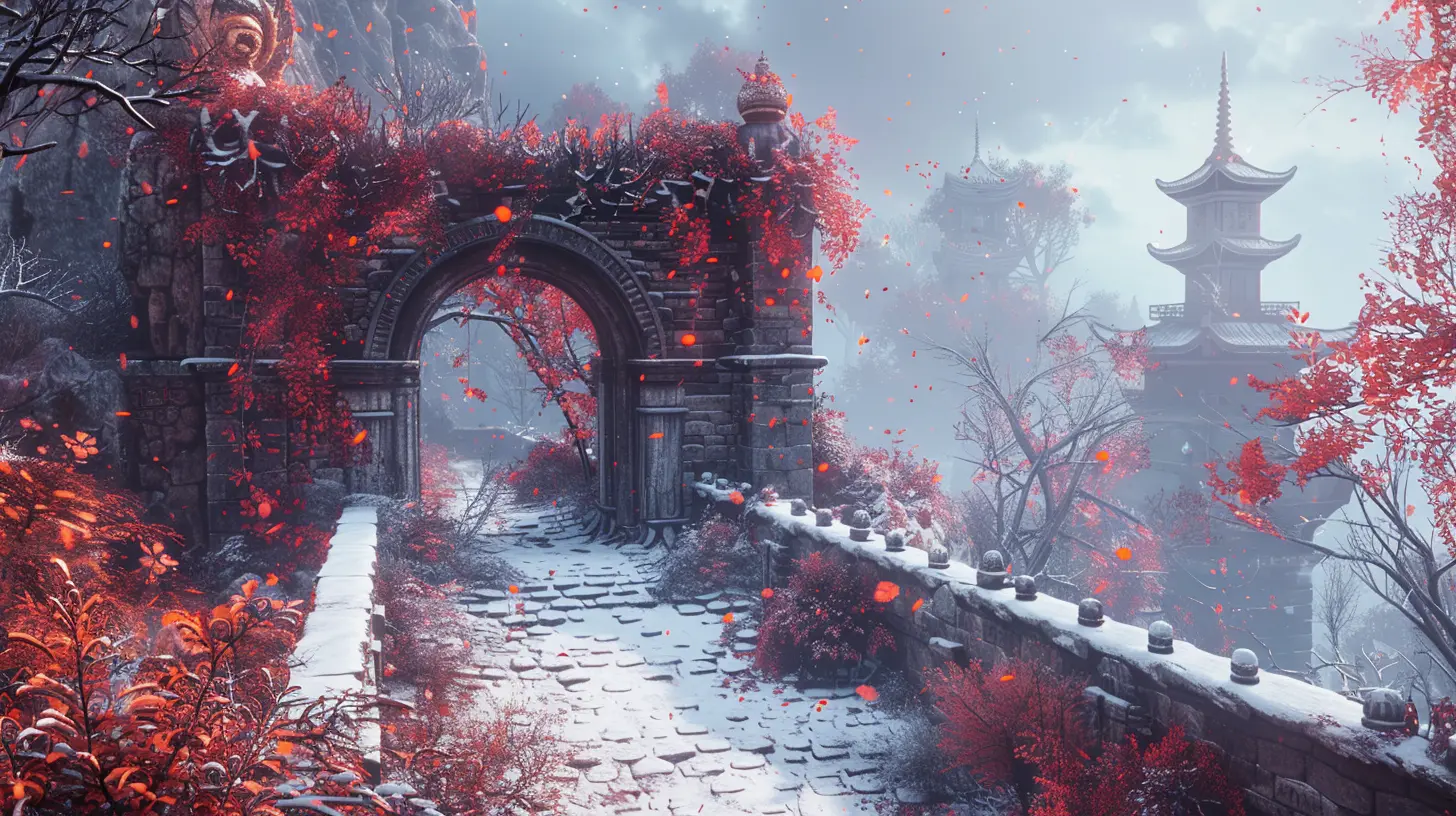
Snowy landscapes? That might mean slower movement, slippery surfaces, or hidden paths. A spring flood could open a river route that wasn’t there before. Autumn leaves may hide traps or clues.This keeps gameplay fresh without changing the core mechanics.
2. New Strategies
Take strategy games like Civilization VI. Some mods or expansions simulate weather and seasonal changes. Planning a war in winter? Think again—harsh weather can slow armies and reduce visibility.Suddenly, you're not just fighting enemies—you’re fighting the seasons themselves.
3. Rewards and Challenges
Many games tie seasonal events with exclusive loot and time-based challenges. Think Overwatch’s Halloween Terror or Destiny 2’s Festival of the Lost. If you miss the window, that loot is gone until next year. That urgency? It keeps players coming back.Why Players Love It (Even If They Don’t Know It)
Here’s the thing—most players don’t consciously say, “Ah, what excellent seasonal level design!” But they feel it. They connect with it.- It brings variety without needing a brand-new game.
- It creates traditions—logging in every Christmas to play a snowy map becomes a nostalgic ritual.
- It forms community bonds—everyone’s sharing screenshots of snowmen and pumpkin heads.
It’s like visiting your hometown during the holidays. Everything’s familiar, yet slightly magical.
The Technical Side: It's More Work Than You Think
Behind the scenes, these changes require a ton of planning, asset creation, and testing.- Textures and shaders need tweaking for each variation.
- Audio cues must match the season.
- Performance balancing is key—snowfall looks cool, but it can tank frame rates if poorly optimized.
Some companies plan seasonal updates a year in advance. It’s not just icing on the cake—it’s whole layers of frosting and flavor.
Dynamic vs. Static Seasonal Design
Let’s break it down a little further:- Static seasonal design: Set changes that only happen once (like a Halloween update).
- Dynamic seasonal design: Real-time or scheduled changes that rotate periodically.
Games like Stardew Valley use static seasons but with rotating in-game calendars—every 28 days is a new season. Others, like The Elder Scrolls Online, use static events but refresh them annually with new twists.
Dynamic systems are more immersive, but they’re also riskier and harder to maintain.
Mistakes to Avoid with Seasonal Design
Of course, not everything that glitters is gold-tinted snow.- Overdoing it: Too much decoration or thematic clutter can feel forced or cheesy.
- Neglecting gameplay: Cosmetic changes without tying into gameplay can feel hollow.
- Buggy deployment: Launching a seasonal event with broken mechanics? That kills the magic.
Balance is key. Subtle, thematic harmony wins over mindless glitter bombs.
The Psychology of Anticipation
One huge reason seasonal designs are so powerful? Anticipation.When players know their favorite game world is about to change—whether with a fall festival or ghost-town transformation—they get hype. It’s the video game equivalent of counting down to the holidays.
That anticipation drives:
- Brand loyalty
- Community engagement
- Increased log-in frequency
Smart devs use this cycle the way marketing teams use sales seasons. It’s part of a rhythm that players can groove to.
Seasonal Design in Multiplayer Games
In multiplayer and live-service games, seasonal design is absolutely crucial.- It provides new goals for clans and squads.
- It re-engages lapsed players with limited-time events.
- It sparks social sharing—you know everyone’s posting those Christmas-themed skins.
Games like Apex Legends, Warzone, and Genshin Impact lean hard into this. And players love it.
Indie Games Can Play Too
You don’t need a triple-A budget to make seasonal design work.Indie games like Don't Starve or Ooblets use seasons cleverly with procedural environments or quirky event calendars. Even pixel-based games can tug at the heartstrings with a well-placed jack-o’-lantern or cherry blossom tree.
It’s not about graphics—it's about intent. Authentic seasonal changes feel meaningful, no matter the budget.
The Future of Seasonal Design
Looking ahead, expect things to get even more dynamic.- AI tools can help procedurally generate seasonal assets.
- Live patches can allow rapid rolling themes.
- AR/VR games may start syncing with real-world weather data to create literal “in-sync” game worlds.
Immersion is the name of the game. And seasonal design? It’s the new front line.
Final Thoughts
The art of seasonal level design in modern games isn’t just a trend—it’s a testament to how games are evolving into emotional, living experiences.These seasonal shifts, whether subtle or dramatic, connect players to the world, to the story, and to each other. They make game worlds feel like places—not just levels. Places where time passes. Places with memories.
Next time your favorite game world shifts from sunny skies to snowstorms, take a minute to appreciate it. Because behind that snowflake texture is a love letter from the devs—to keep you coming back, season after season.
all images in this post were generated using AI tools
Category:
Seasonal EventsAuthor:

Emery Larsen
Discussion
rate this article
2 comments
Zarek Gray
Great insights! Seasonal design adds so much depth to gameplay!
April 18, 2026 at 2:48 AM
Emery Larsen
Thank you! I'm glad you found it valuable. Seasonal design really can transform the experience.
Jillian Mathews
Great article! Seasonal level design enriches gameplay, creating immersive experiences and keeping players engaged.
April 17, 2026 at 4:22 AM
Emery Larsen
Thanks for the kind words! I'm glad you enjoyed the article and see the value in seasonal level design. It truly does enhance player engagement.