The Art of World-Building in Sci-Fi Video Games
13 July 2026
Let’s be real—there’s something undeniably magical about stepping into a sci-fi video game world for the first time. Whether it’s jetting across galaxies, discovering strange alien species, or uncovering the mysteries of ancient civilizations, these experiences don’t just happen—they're meticulously crafted. Welcome to the art of world-building in sci-fi video games. This is where imagination meets design, story fuels structure, and the impossible becomes playable.
In this article, we’re diving deep into how game developers build these jaw-dropping universes. We’ll talk about the tiny details that make a galaxy feel alive, why lore is more important than you may think, and how sci-fi worlds become immersive playgrounds for adventure. Ready to warp in?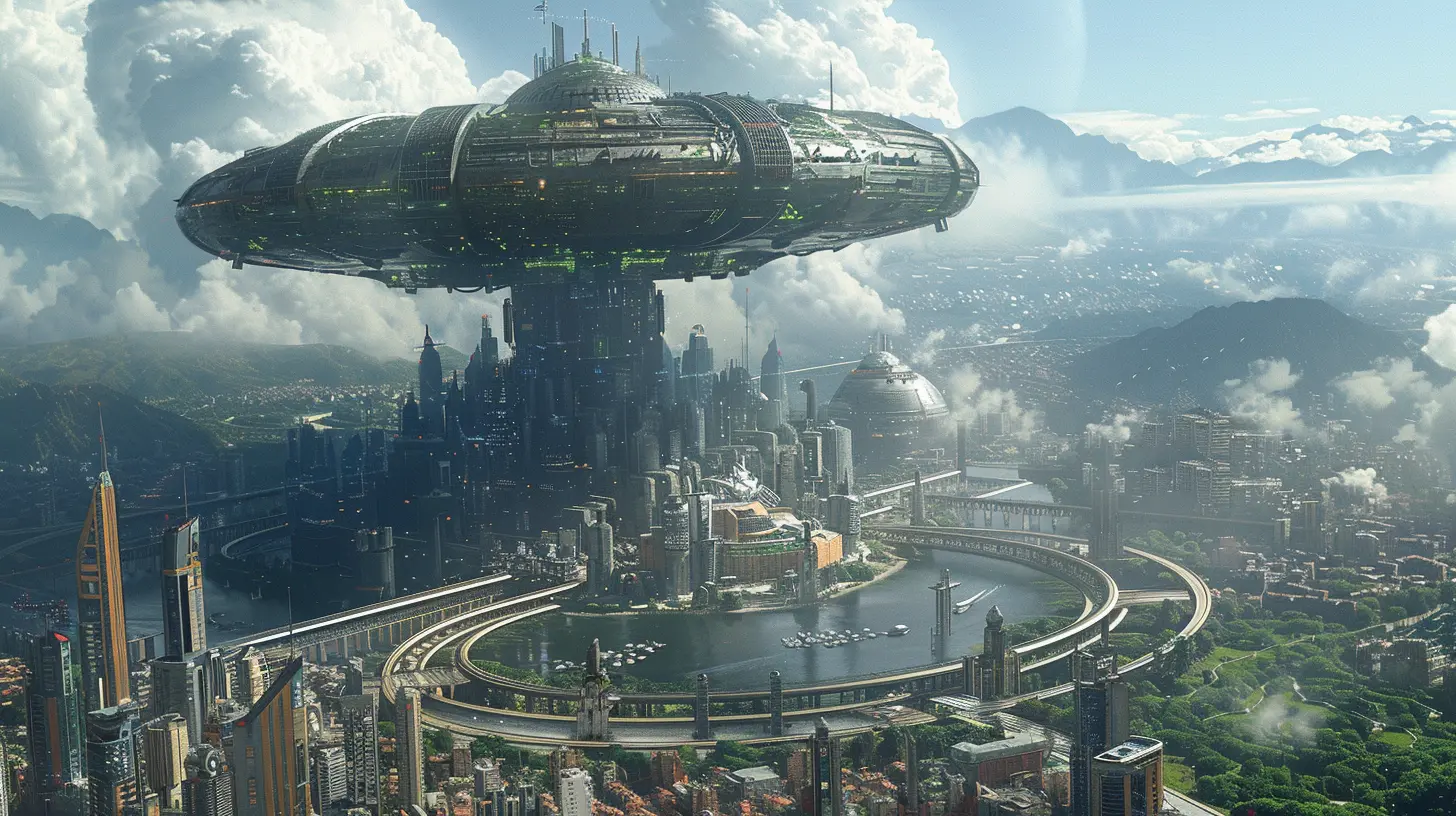
Why World-Building Matters in Sci-Fi Games
Before anything else, let’s talk about why world-building is so dang important—especially in science fiction. Unlike fantasy, which is often rooted in ancient myths or medieval tropes, sci-fi is all about stretching the limits of what’s possible. Think faster-than-light travel, AI civilizations, wormholes, post-apocalyptic Earths—you name it.In other words, sci-fi isn’t just setting the stage; it’s inventing the rules of the universe.
Without solid world-building, a sci-fi game risks feeling hollow or inconsistent. But with great world-building? Every space station, artifact, and interstellar culture feels like it belongs. You’re not just playing a game—you’re living in it.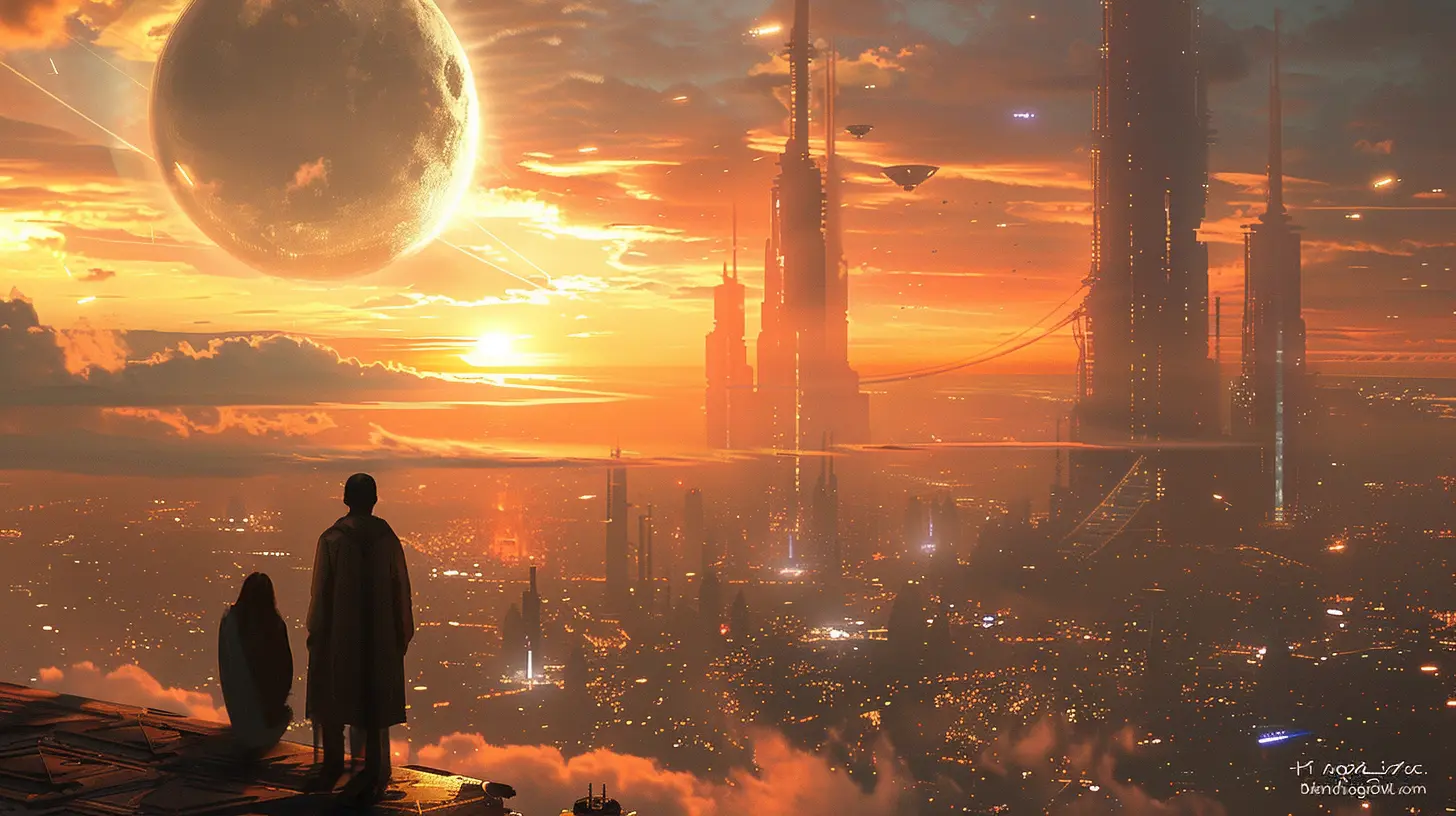
Building the Foundation: Setting and Tone
Every unforgettable sci-fi game world starts with one simple question: What kind of future is this?Is it shiny and utopian like Star Trek, gritty and cynical like Cyberpunk 2077, or dark and hopeless like Dead Space? The tone of the game decides everything from visual style to gameplay mechanics.
Game developers first sketch out the setting:
- Is this a single planet or an entire galaxy?
- Are there multiple species?
- What’s the technology level?
- Do humans still exist—or have they evolved?
The tone ties it all together. For example, in Mass Effect, you’re part of a clean, high-tech universe with political tension and epic space sagas. In The Outer Worlds, it’s more of a zany, corporate-dystopia vibe. Both are sci-fi, but man, do they feel different.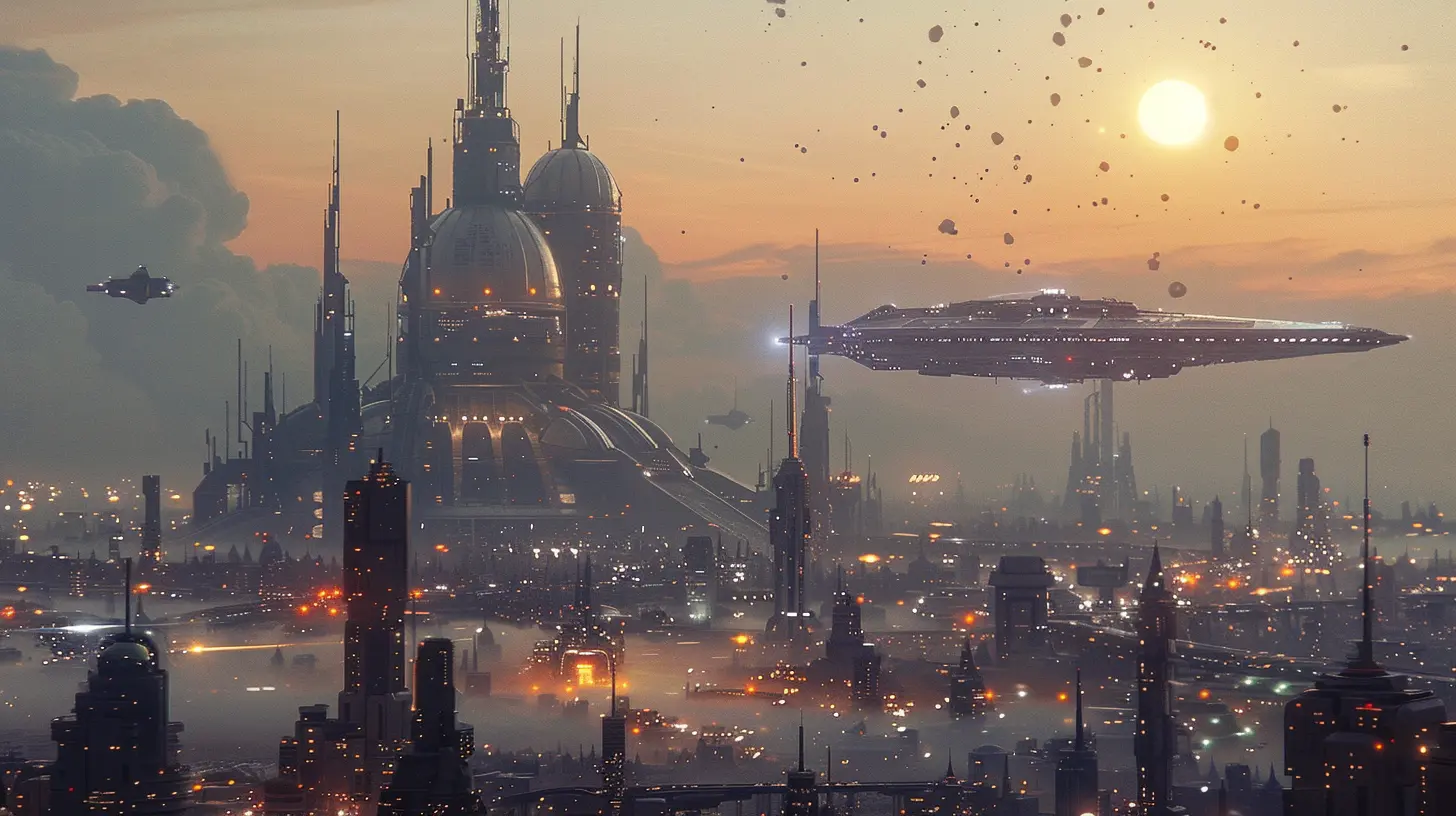
Geography, Galaxies, and Game Maps
Once the tone is locked in, it’s time to create the actual space the player moves through. This is where things get juicy.Sci-fi games often feature massive maps—planets, moons, space stations, asteroid belts, and who knows what else. But a big map isn’t enough. It has to be meaningful.
Here’s how developers make geography matter:
- Variation: No one wants to explore 20 planets that all look like Mars. Give each world a unique climate, terrain, and ecosystem.
- Functionality: A planet covered in electrical storms might block radar or affect your ship. A moon full of ice might slow movement. Terrain should change how you play.
- Lore Integration: That abandoned city isn’t just cool visuals—it was the home of a legendary civilization wiped out by war. Every rock has a story.
One of the best examples? No Man’s Sky. It launched rough, sure, but today it offers a procedural universe where each planet feels handcrafted. You can land on a lava-ridden world one second and stumble across a lush alien paradise the next. That’s geography done right.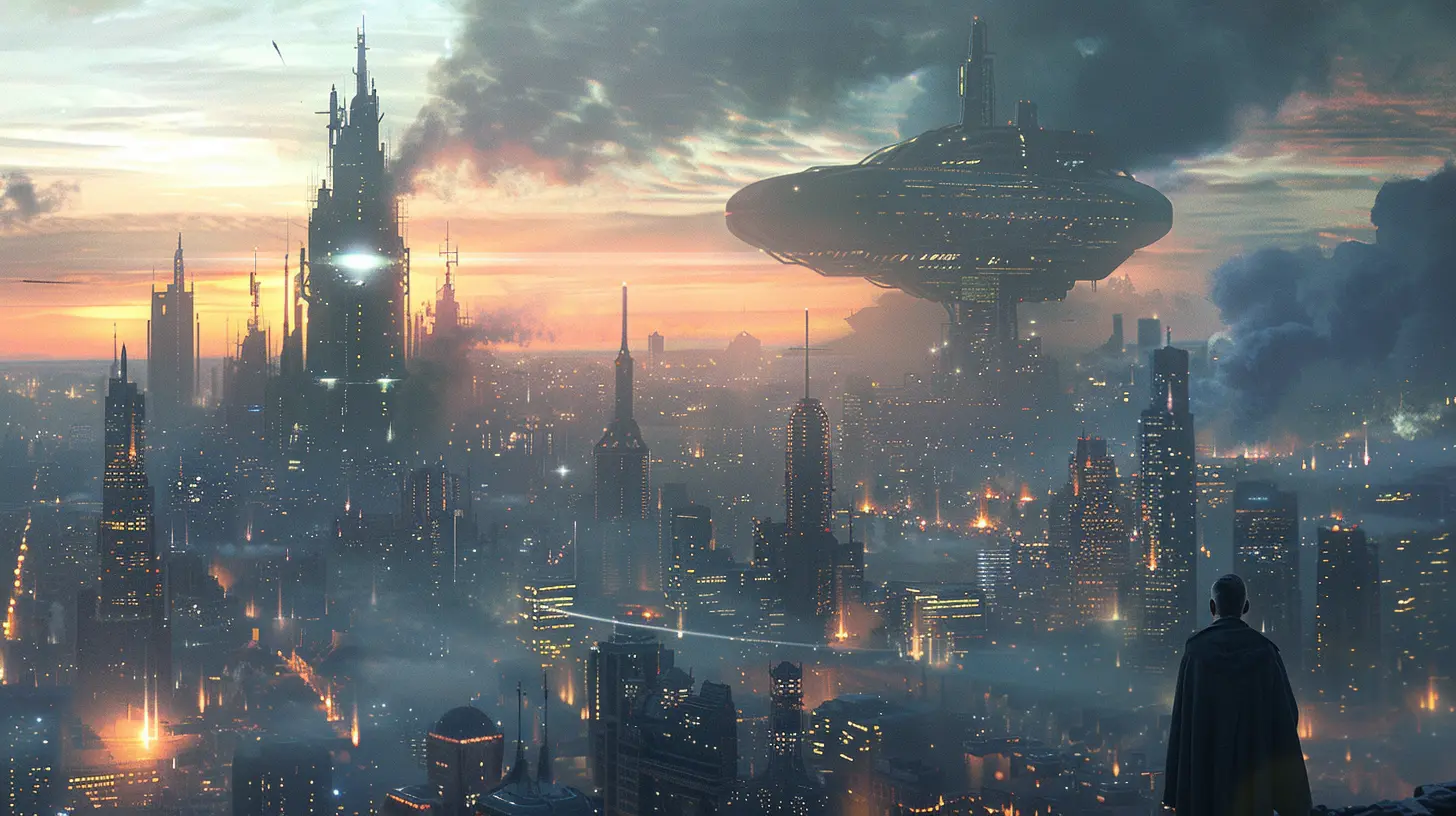
Culture, Lore, and the “Why” Behind the World
This part? Oh, this is where world-building goes from pretty good to absolutely unforgettable.Great sci-fi games don’t just show you cool places—they tell you why those places exist. They give you lore, history, traditions, politics, religions, and languages. They build cultures.
In Halo, the Covenant are more than enemies—they’re a coalition of species bound by religion (and a huge misunderstanding). In Star Wars Jedi: Survivor, the remains of the Jedi Order and the Empire shape every planet’s people and their beliefs.
Solid lore answers questions like:
- Who built this derelict spaceship?
- Why is that moon off-limits?
- What’s under the surface of this ice planet?
And trust me, even if you never directly read that stuff, the game feels richer because it exists. It’s like an iceberg—only a little shows up on the surface, but underneath? Massive detail.
Factions, Species, and NPCs That Feel Alive
What’s a world without people (or aliens, or robots) in it?Creating different civilizations and factions adds depth and moral complexity. Think of games where you have to choose sides—Mass Effect, The Outer Worlds, or Starfield (looking at you, UC vs. Freestar Collective).
Each faction usually has:
- A unique belief system
- Visual aesthetics (armor, tech, buildings)
- Mission styles and dialogue patterns
- Relationships with other groups
Well-written NPCs (non-playable characters) reflect the society they live in. A robot bartender in a rundown cyberpunk bar tells you just as much about the world as a thousand-word lore file. Even random guards yelling at you in cities? They’ve got a role to play in your immersion.
Technology, Science, and System Rules
Alright, we’re talking sci-fi—so let’s get into the techy stuff.A believable sci-fi universe needs rules for its technology. How does space travel work? What’s the energy source? Can you transfer consciousness? Are AI sentient?
Good world-building answers these questions:
- Mass Effect explains its faster-than-light travel through "mass relays."
- Dead Space uses “planet-cracking” for space mining—until things go horrifyingly wrong.
- Halo has Forerunner tech that’s so advanced, it’s practically magic.
Tech shouldn’t just be flashy—it should change how the world operates. If teleportation exists, why do people still use ships? If AI is common, what laws control them? Answering these sorts of “what ifs” is the core of sci-fi.
Storytelling Through Environment
Sometimes the world tells the story long before the NPCs do.Environmental storytelling is subtle, but powerful. A blood-smeared message on a wall. A crashed escape pod with one unopened parachute. A city skyline shattered by orbital strikes long ago.
Places have memories—and the best sci-fi games let you feel that past.
Take Bioshock, though more dystopian than spacey. You get the story of Rapture without reading a line of dialogue—just by walking through it. Similarly, Prey (2017) turns the Talos I space station into a storytelling device. Every corridor tells you something about the experiment gone wrong.
Sound Design and Music: Setting the Mood
You ever land on a planet and hear that low, eerie hum in the background? Yeah, that’s world-building too.Sound design is criminally underrated when it comes to immersion. That distant roar in a monster-infested jungle? Or the sterile beeping of a spaceship’s life support? It makes the place feel real.
Music also plays a huge role. A sweeping orchestral score signals grand adventure, while a synthetic, glitchy beat might hint at something mysterious or wrong. Think of how iconic the Mass Effect soundtrack is, or how DOOM uses aggressive metal to make Mars feel like a warzone.
Mechanics That Match the World
Here’s a big one—how the game plays should be shaped by the world itself.If you’re building a low-gravity moon, then movement should feel floaty. If the planet has deadly storms, your HUD might glitch out when navigating. In sci-fi, mechanics don’t just support the story—they are the story.
Games like Outer Wilds tie their entire gameplay loop to the physics of the universe. You’re not just exploring; you’re understanding how the solar system ticks. That’s next-level stuff.
Keeping It Cohesive: Consistency Is King
You can have killer lore, cool tech, and wild environments, but if your sci-fi world breaks its own rules, it all falls apart.Consistency matters. If one corner of your galaxy has AI-phobic humans and another has cities run by AI, there better be a reason why. Players will notice plot holes and clashing tones.
Game devs make massive “world bibles”—documents that lay out every part of the universe, from government systems to planetary gravity. It’s how they make sure everything adds up.
The Human Element: Making It Relatable
Even the most alien of sci-fi worlds need a touch of humanity.Why? Because games are about connection. Whether you’re a spacefaring bounty hunter or a cybernetically-enhanced rebel, players need emotional hooks.
That might mean:
- A romance subplot
- A family destroyed by war
- A colony struggling with loss
At the end of the day, all that shiny tech and alien diplomacy means nothing if you don’t feel something. That emotional punch is what makes stories unforgettable.
Final Thoughts
The art of world-building in sci-fi video games is a delicate balance of imagination, detail, and discipline. It’s about making the impossible feel real, and the unreal feel familiar. When done right, it transforms a simple game into an entire universe—one you don’t want to leave.So next time you boot up a sci-fi game, take a moment. Look around. Ask questions about the world. Because behind every laser blast and alien encounter is a mountain of creative effort waiting for you to notice.
And who knows? Maybe someday, you’ll build a universe of your own.
all images in this post were generated using AI tools
Category:
Sci Fi GamesAuthor:

Emery Larsen