The Deep Lore Behind Your Favorite Sci-Fi Games
28 June 2026
When we dive into sci-fi games, we’re not just there for the explosions and shiny laser guns (though those are pretty awesome). No, what really pulls us in—what keeps us thinking about a game long after the credits roll—is the lore. The deep, juicy, mind-boggling background stories that shape the universe, the factions, the tech, and most importantly, the characters.
So let’s peel back the curtain and geek out together. Here's a deep dive into the untold (but totally epic) lore behind some of your favorite sci-fi games. Ready? Strap in, space cowboy.
Mass Effect – The Reapers and the Cycle of Extinction
Let’s kick things off with the juggernaut of sci-fi storytelling: Mass Effect. On the surface, it's a game about Commander Shepard fighting against an ancient mechanical race called the Reapers. But the lore? Oh man, it's a rabbit hole.The Reapers Weren’t Villains—They Were Inevitable
The Reapers aren’t just deadly robots. They’re part of a cycle—a cosmic reset button. Every 50,000 years, they wipe the galaxy clean of advanced civilizations to prevent AI rebellion wars. They're like the intergalactic janitors of the Milky Way, but with a serious God complex.And remember the Citadel, the galactic hub? Yeah, that’s a Reaper creation used to lure species into one centralized trap. Creepy, right?
Protheans, Indoctrination, and That Ending
The Protheans were once top dogs, but even they got steamrolled by the Reapers. And don’t even get me started on indoctrination—the slow mental takeover by the Reapers that turns friends into puppets. It makes you question everyone's loyalty, kinda like wondering if your best friend is secretly a robot.
Halo – Ancient Forerunners and Their Galactic Mistakes
We all know Master Chief is a beast. But Halo isn’t just about shooting aliens. There’s this whole ancient space-opera going on behind the scenes that makes things way more intense.Forerunners and The Flood: A Classic Case of Oops
The Forerunners were advanced beings who tried to play god. Their biggest mistake? Creating the Halo rings to contain the Flood—a parasitic species that absorbs sentient life. Here's the kicker: to stop the Flood, they had to wipe out every intelligent lifeform in the galaxy. Talk about extreme solutions.The rings weren’t just weapons—they were the last resort. And the Librarian, one of the big Forerunners? She basically planted the seeds for humanity to come back stronger. Long-term planning on another level.
Humans Were Once Powerful—Then Got Humbled
Before the Forerunners were in charge, humans were a dominant force. But after a war and a little ego-check, the Forerunners demoted them. Imagine being the star quarterback and waking up the next day as the waterboy. That’s humanity in the Halo universe.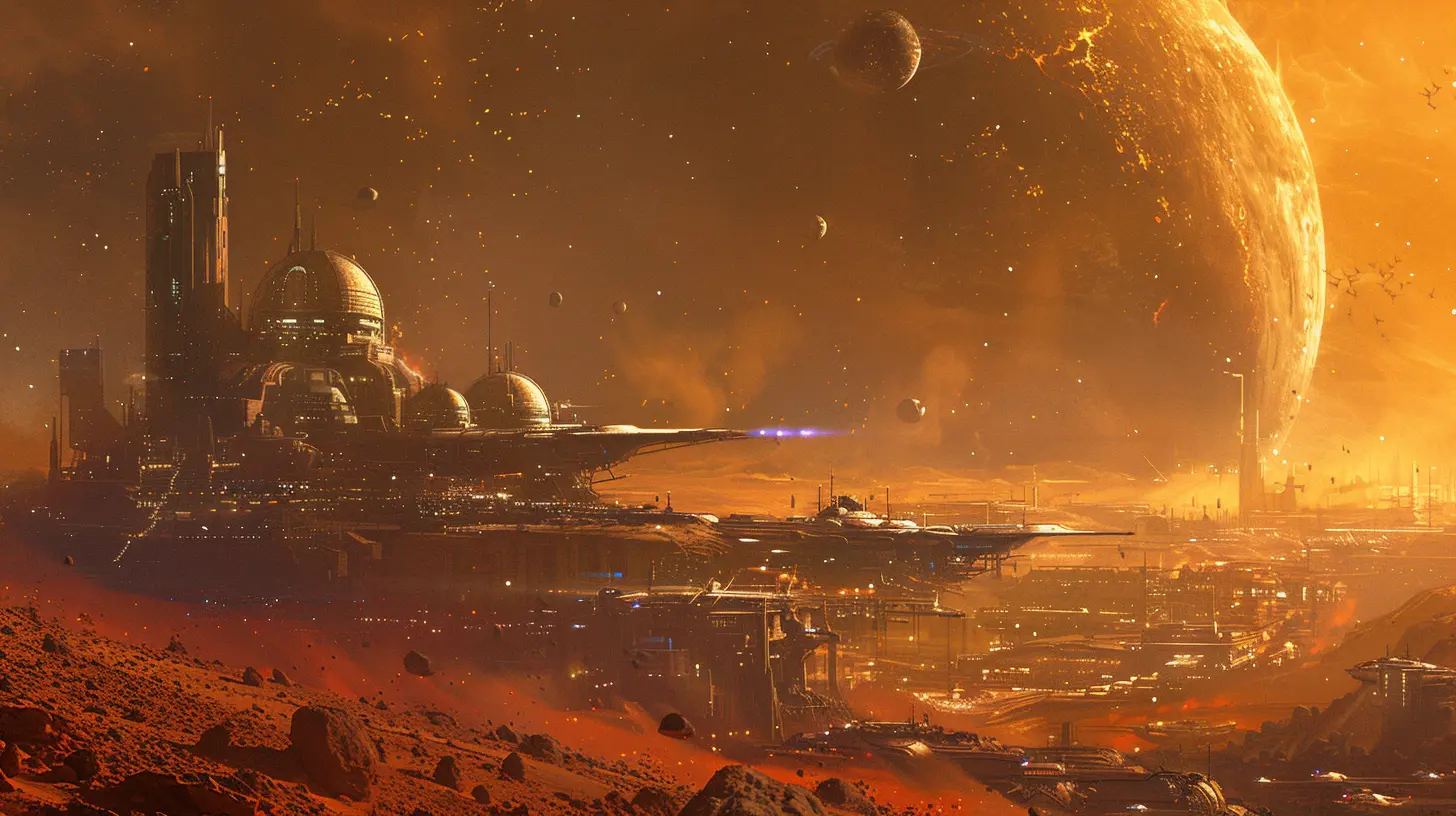
StarCraft – Zerg, Protoss, and a Cosmic Puppet Master
StarCraft is more than just building bases and rushing your enemies with Zerglings. The universe is a tangled web of ancient entities, genetic experiments, and betrayal.The Xel'Naga – The True Architects of Everything
These god-like beings created the Protoss and Zerg, hoping to shape perfect species. Instead, they made a mess. The Protoss were gifted intelligence but became arrogant. The Zerg had unity but turned into a destructive hive mind. Classic “oops, we played god” moment.Kerrigan’s Tragic Turn
Sarah Kerrigan's transformation from a skilled Ghost operative into the Queen of Blades hits hard. She’s not just a villain—she’s a victim of manipulation by both Zerg and the Xel'Naga. Her journey from control to redemption is one of the best arcs in gaming lore, period.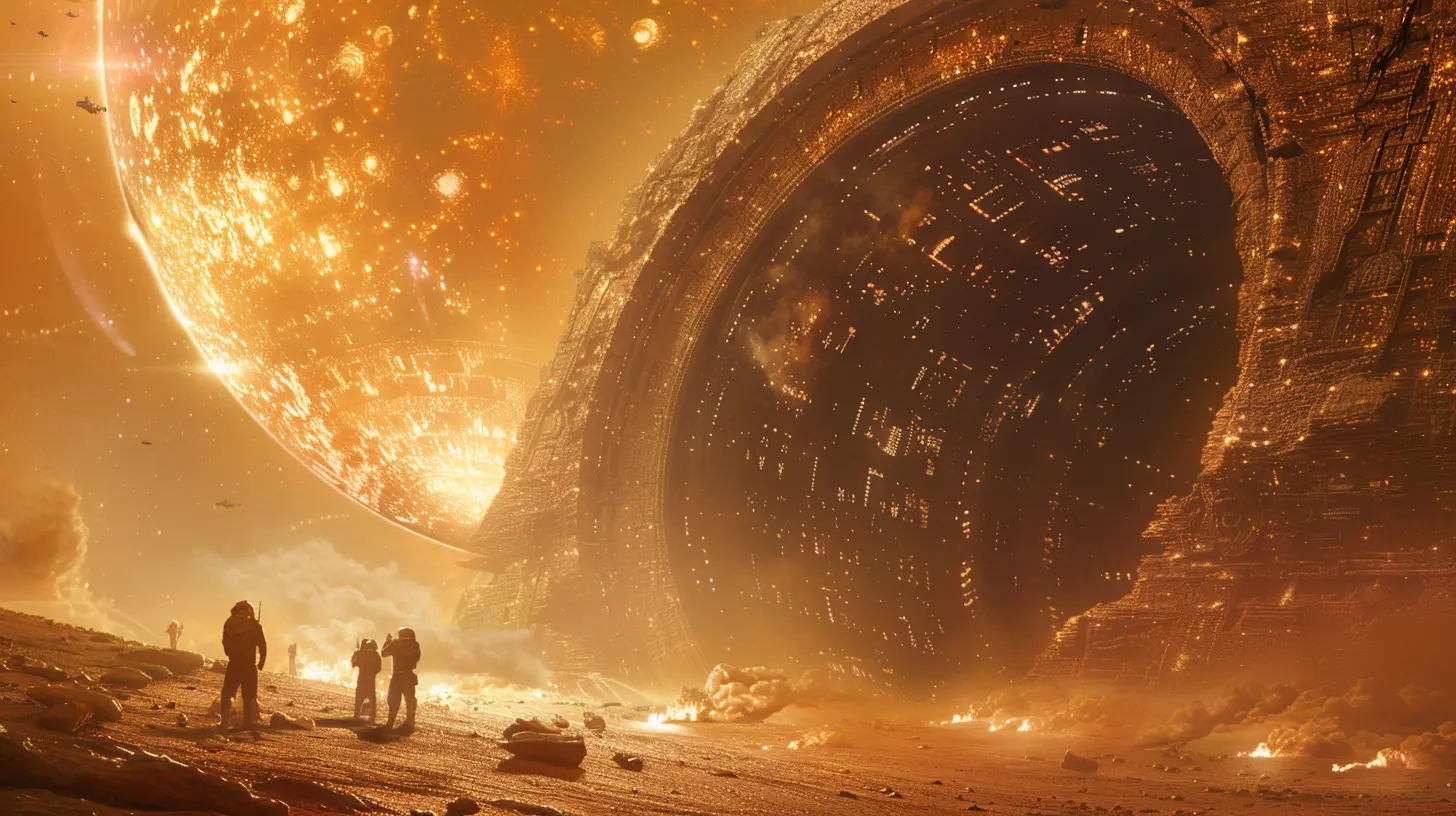
Destiny – The Traveler, The Darkness, and Endless War
If you’ve ever played Destiny, you’ve probably asked, “What the heck is going on?” Don’t worry, you’re not alone. Bungie layered this game with lore like an onion made of space-magic and mystery boxes.The Traveler: Benevolent or Problematic?
The Traveler gives life, but it also leaves planets in ruin. It uplifted humanity, yes, but also brought massive threats in its wake (hi, The Darkness). It’s like a well-meaning wizard who gives you fire magic, then forgets to warn you about fire demons.The Darkness: Not Just Evil
The Darkness isn’t just the bad guy—it believes in survival of the fittest. It’s the philosophical opposite of The Traveler. Where the Traveler promotes growth, the Darkness values strength through struggle. It’s more yin and yang than good vs. evil.Dead Space – Religion, Madness, and Alien Artifacts
Dead Space is pure horror, but underneath the gore and jump scares is some seriously twisted lore.The Markers – Alien USB Drives of Doom
These weird alien objects hold insane power. The Markers were created to harness energy, but they ended up reanimating corpses into Necromorphs. Smart move, scientists.Then there’s Unitology—a cult that believes the Markers are divine. Imagine a religion that worships a murder rock. Yeah, yikes.
The Convergence – A Horrific Goal
The ultimate goal of the Markers? Convergence. It’s basically humanity being turned into one big flesh blob. Not exactly a peaceful afterlife.Warframe – Ancient Warriors and Identity Crisis
Warframe hides its story behind fast-paced ninja action, but its lore is deep and ridiculously emotional once it hits you.The Tenno Aren’t Who You Think They Are
At first, you think you're some badass space ninja in a powerful suit (and you are). But plot twist: the Warframes are biotechnological constructs controlled by children with trauma. The twist hits like a sledgehammer wrapped in lore.The Orokin: Beauty, Arrogance, and Decay
The Orokin were the golden gods of the past—powerful, artistic, and incredibly corrupt. They created the Warframes, enslaved people, and ultimately caused their own downfall. It's a tale of hubris that would make even Greek gods blush.Control – The Oldest House and Sci-Fi Horror Mix
Okay, Control might lean more toward supernatural than sci-fi, but its connection to the Alan Wake universe and use of altered realities puts it right in this wheelhouse.The Oldest House – A Building That Breaks Reality
The Oldest House is an ever-shifting, mind-bending skyscraper that defies the laws of physics. Inside? Objects of Power—ordinary things with extraordinary chaos tied to alternate dimensions. It's like an IKEA built by Lovecraft.The Hiss – An Unseen Force of Madness
The Hiss isn't just a red fog—it's a contagious idea that infects minds. It turns language itself into a weapon, twisting people into terrifying versions of themselves. Ever heard someone talk so confidently it scared you? That’s the Hiss effect right there.Cyberpunk 2077 – Megacorps, AIs, and Digital Ghosts
Yeah, we all memed the bugs at launch, but under the glitches, Cyberpunk 2077 has a meaty lore core.Soulkiller – A Tech Nightmare
Imagine your mind being copied into a digital net, alive but not really you. That’s Soulkiller. It’s the ultimate identity theft—used by corporations to control, manipulate, and even resurrect people as digital ghosts. Creepy, right?Johnny Silverhand – More Than a Rock Star
Sure, Johnny is a rebellious rock god, but his hatred for Arasaka and his anti-corp mindset stem from deep trauma and loss. He’s not just chaos for chaos’ sake—he’s a ghost fighting for a future he never got to see.No Man’s Sky – Simulation Theory and Atlas’ Existential Crisis
You didn’t expect deep lore from the game that launched... roughly. But No Man’s Sky turned things around in a big way.Atlas – A Lonely God in a Simulation
Atlas isn’t a planet or a species—it’s a god-like AI running an endless simulation. Every system, species, and event? All part of an experiment. It’s like living in a giant cosmic video game… inside an actual game.Travelers – You and Millions of Others
You’re not the only one exploring the universe. Every Traveler is a fragment of Atlas' dream, trying to escape the monotony of simulated reality. That’s some fourth-wall-breaking soul soup.The Core Power of Sci-Fi Game Lore
So why does deep lore matter? It’s not just background fluff. It gives meaning to your actions. It shapes the world. It makes every bullet, every spaceship jump, and every dramatic cutscene feel earned.The best sci-fi games don’t spoon-feed you their stories—they whisper them in journals, alien ruins, and haunting final messages. And when you finally uncover that hidden truth? That’s gaming magic.
Final Thoughts
If you’re a lore nerd like me, you know the real fun starts when you pause the game to read a data log or spend an hour on Reddit trying to piece together timelines. These sci-fi games build worlds worth getting lost in—and the deeper you go, the more satisfying it gets.Next time you boot up your favorite sci-fi title, take a moment. Look past the lasers and aliens. There’s a whole universe of secrets waiting to be uncovered.
all images in this post were generated using AI tools
Category:
Sci Fi GamesAuthor:

Emery Larsen
Discussion
rate this article
2 comments
Nell McDougal
Love the insights shared!
August 5, 2026 at 3:00 AM
Ian Wilson
I love how deep lore adds layers to sci-fi games, transforming the experience. Exploring hidden stories and connections can change the way we see characters and worlds. It's fascinating how these narratives enhance gameplay and draw us into their universe. What do you think?
June 29, 2026 at 5:14 AM