The Downfall of Beloved Franchises
5 April 2026
Let’s be real—nothing hurts quite like watching your favorite gaming franchise spiral into irrelevance or mediocrity. It’s like watching an old friend lose their spark. You grew up with them, made memories, and now… they’re a shell of what they used to be. We’ve all been there. A legendary title turns into a cash grab, a studio gets too ambitious (or too lazy), and poof—game over.
In this article, we’re diving into the biggest pitfalls that led to the downfall of beloved franchises. From poor design choices to corporate greed, we’re unpacking why some of the most iconic game series lost their magic.
Nostalgia Isn’t Enough Anymore
Let’s face it: nostalgia sells. But leaning too heavily on “the good old days” without evolving usually backfires. Many franchises try to recreate the feeling of their earlier successes without actually offering anything new. Gamers aren’t just looking to relive the past—they want something fresh, exciting, and worth their time.Case in Point: Sonic the Hedgehog
Remember when Sonic was the face of cool in the '90s? Fast, edgy, and full of attitude. But after countless confusing storylines and awkward 3D gameplay (looking at you, Sonic 2006), the blue blur lost his shine. Sega kept banking on nostalgia rather than taking time to refine gameplay or storytelling. It wasn't until recent years—with titles like Sonic Mania—that the series finally showed signs of redemption.
Chasing Trends Instead of Identity
It’s tempting for franchises to jump on hype trains. Battle royales? Open world? Live service? Everyone’s doing it, but that doesn’t mean everyone should. When a franchise ditches what made it unique just to fit in, it ends up losing its identity.Look at Call of Duty
Call of Duty used to set the gold standard for first-person shooters. But over time, it started chasing whatever trend was hot—jetpacks, zombies, battle pass systems. Innovation turned into imitation. While some entries did well, others felt like cookie-cutter copies. It became hard to tell one installment from the next.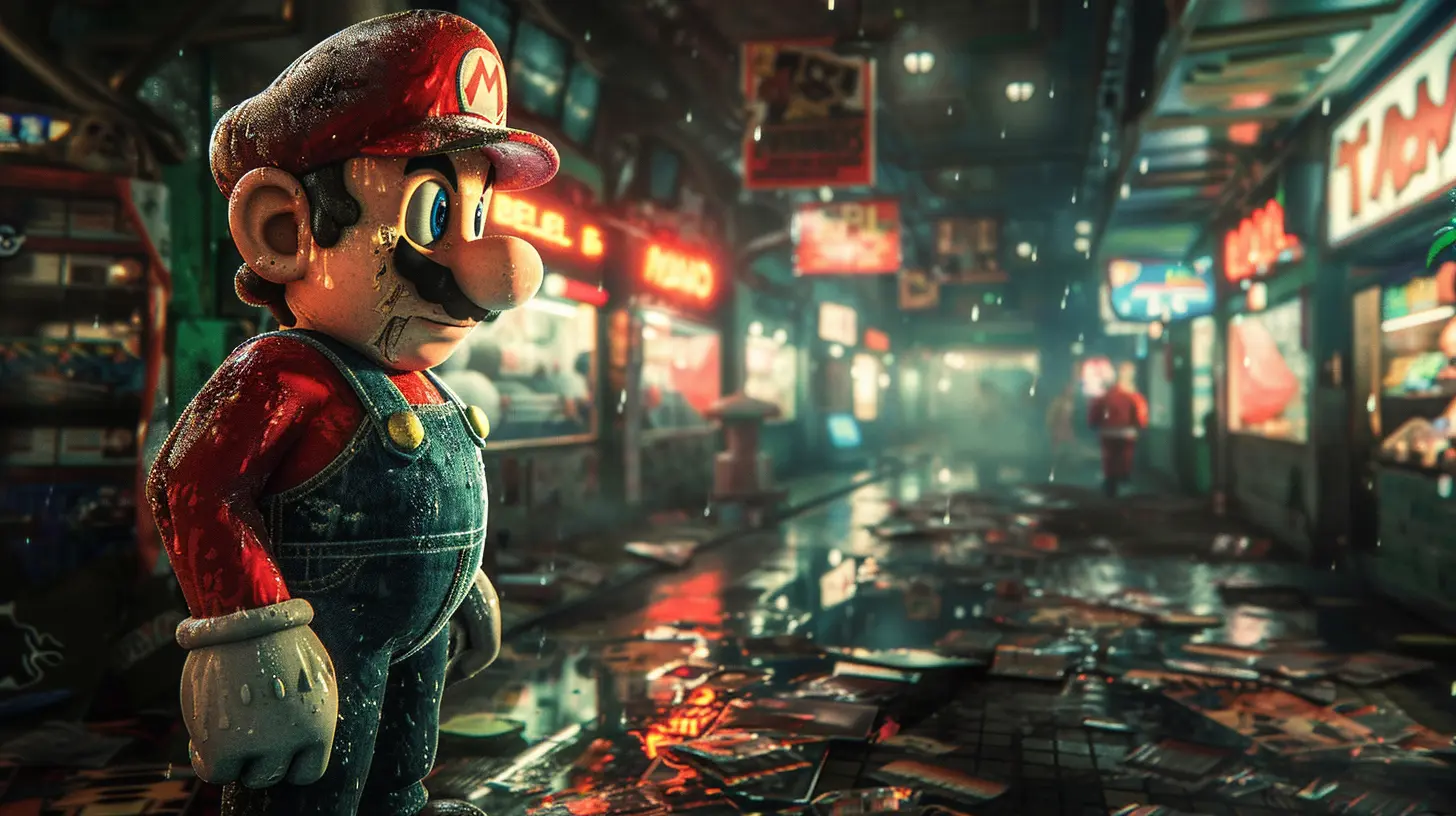
The Sequel Syndrome
Sequels are tricky. They’re supposed to build on what worked while fixing what didn’t. But too often, they just rehash the original with minor tweaks—or worse, they swing too hard in a new direction and alienate the fanbase.Mass Effect Andromeda: A Hard Fall
Mass Effect was once BioWare’s crown jewel. A rich universe, complex choices, and characters that felt real. Then came Andromeda. It lacked the soul of its predecessors, was riddled with bugs, and had animation glitches that turned into memes overnight. It felt rushed and uninspired—definitely not the space epic fans had waited years for.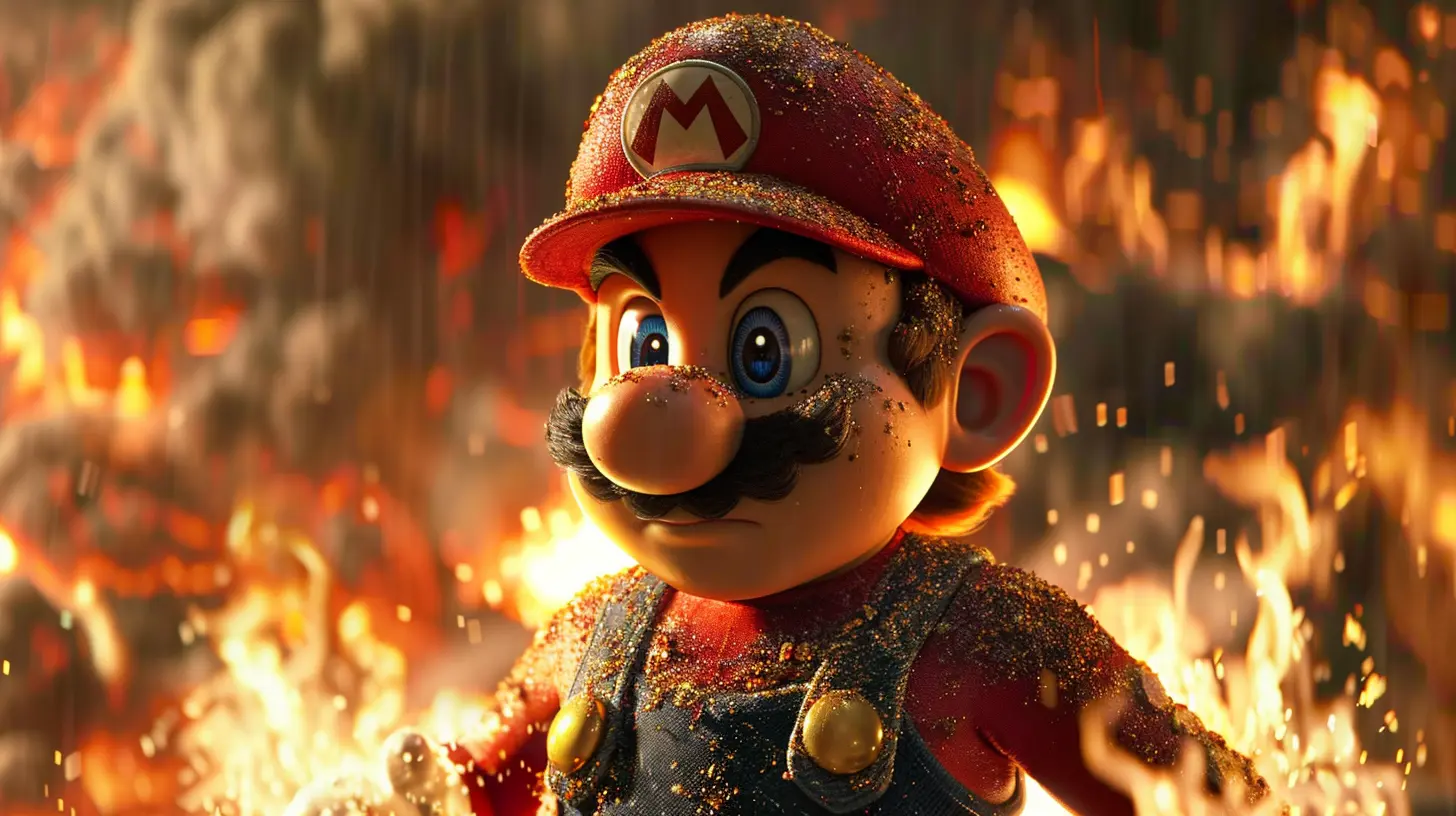
Over-Monetization & Greed
Here’s a formula for disaster: put profit over player experience. Gamers don’t mind supporting a game they love, but when microtransactions, loot boxes, and pay-to-win mechanics take center stage, you’ll see backlash—fast.Star Wars Battlefront II
The franchise had everything going for it: iconic universe, solid fanbase, gorgeous graphics. But when EA launched it with progression tied heavily to loot boxes, it lit the internet on fire. Who wants to grind for hours or pay up just to unlock Darth Vader? The backlash was so severe, they had to overhaul the system.Creative Fatigue & Playing It Safe
When developers are afraid to take real risks, the result is often a bland, forgettable game. Franchises that keep sticking to the same formula eventually wear out their welcome. Players can smell creative burnout a mile away.Assassin’s Creed: Too Much, Too Fast
The original Assassin’s Creed was a breakthrough. A blend of stealth, history, and badass parkour. But then came annual releases. The charm wore off as Ubisoft flooded the market with entries that felt rushed or repetitive. Only when they hit pause and reworked the gameplay loop with Origins did the series find new life.
Losing the Original Dev Magic
When the heart of a franchise walks out the door, it leaves a void—one that’s hard to fill. The original creators often bring a unique vision, passion, and attention to detail that can’t just be outsourced or replicated.Halo After Bungie
Once Halo’s baton was passed from Bungie to 343 Industries, the tone shifted. Sure, Halo 4 and 5 weren’t terrible, but they didn’t feel like Halo. The storytelling, multiplayer balance, and overall direction felt off to long-time fans. Without Bungie’s spark, the series struggled to feel... well, legendary.Overhyping and Under-delivering
Marketing hype is a double-edged sword. It can build immense excitement, but if the final product can’t meet expectations, fans feel betrayed. That trust? Once broken, it's hard to win back.Cyberpunk 2077 Crash Landing
CD Projekt Red had gamers foaming at the mouth for Cyberpunk 2077. The trailers? Mind-blowing. Expectations? Through the roof. But at launch, it was a buggy mess—especially on consoles. Despite its potential, the game’s reputation took a nose-dive. It’s slowly recovering, but that launch burned a lot of bridges.
Fans Aren’t Just Consumers—They’re Stakeholders
Game studios often underestimate the power and loyalty of their fanbases. When fans invest time, money, and emotion into a franchise, they aren’t just casual buyers. They care. And when changes feel disrespectful or tone-deaf, they'll speak out—loudly.Diablo Immortal Backlash
Remember when Blizzard announced Diablo Immortal at BlizzCon? “Do you guys not have phones?” became a meme, but also a line that symbolized how out-of-touch the developers were with their core audience. Fans expected a big PC release, not a mobile version loaded with in-game purchases.Trying To Appeal To Everyone (And Pleasing No One)
When a franchise tries to be everything for everyone, it often ends up pleasing no one. Developers water things down, tone down the difficulty, or skim over core mechanics—all in the name of mass appeal.Resident Evil 6: Identity Crisis
Resident Evil started as survival-horror but drifted hard into action territory in RE6. Explosions, car chases, and quick-time events replaced the slow-burning terror the series was known for. Long-time fans felt betrayed, and the series had to do major soul-searching before bouncing back with Resident Evil 7.
IP Abuse & Too Many Spin-Offs
More isn’t always better. A great franchise can be diluted by too many spin-offs, remasters, mobile versions, and crossovers. The core of what made the series special gets lost in all the noise.Final Fantasy: A Mixed Bag of Spin-Offs
Don’t get it twisted—Final Fantasy has some absolute masterpieces. But over the years, the sheer number of spin-offs, remakes, and remasters made the franchise feel bloated. Hardcore fans stuck around, but for newcomers, it was overwhelming and confusing.So… Can a Franchise Recover?
Absolutely. The beauty of games is that redemption is always possible. No Man’s Sky is the ultimate comeback story. Games like Sonic Mania and Resident Evil 2 Remake proved it’s never too late to win hearts again. But it takes humility, patience, and listening—really listening—to the community.Studios that are transparent, consistent, and genuinely care about their players can turn things around. It’s not easy, but when it happens, the pay-off is massive.
Final Thoughts
The downfall of beloved franchises doesn’t come out of nowhere. It’s death by a thousand cuts—greedy decisions, rushed development, lost identities, broken trust. But more often than not, the community is still rooting for them. We want to see them rise again. Because behind the disappointment is a mountain of love and nostalgia.If only the studios would remember what made their games great in the first place.
all images in this post were generated using AI tools
Category:
Game FailsAuthor:

Emery Larsen
Discussion
rate this article
2 comments
Orion McKee
The decline of beloved franchises often stems from disconnect between developers and fans. Nostalgia can blind us to weaknesses, yet it’s crucial for creators to innovate while respecting the core elements that made these games special.
April 13, 2026 at 3:40 PM
Emery Larsen
You make a great point. Balancing innovation with what made a franchise special is key. Nostalgia shouldn't overshadow the need for growth and adaptation.
Raina Moses
Ah, the sweet irony! Once revered franchises are now clinging to nostalgia like a life raft. Trends may fade, but terrible decisions? They’re forever. Here’s to hoping they remember what made us love them in the first place!
April 10, 2026 at 4:14 AM
Emery Larsen
You're right. Nostalgia can only carry them so far. Let's hope they find their way back to what made them great.