The Evolution of Seasonal Content in Popular Games
1 May 2026
Seasonal content in gaming has come a long way. What started as simple holiday-themed events has exploded into massive content drops, limited-time modes, and battle passes tied to real-world calendars. From snowy aesthetics in December to haunted in-game events during Halloween, developers are continuously leveling up how they serve fresh gameplay in sync with real-world seasons.
So, why do players keep showing up for every seasonal drop? And how did we get from basic cosmetic updates to full-blown narrative arcs tied to the seasons? Let’s break it down and explore the evolution of seasonal content in popular games.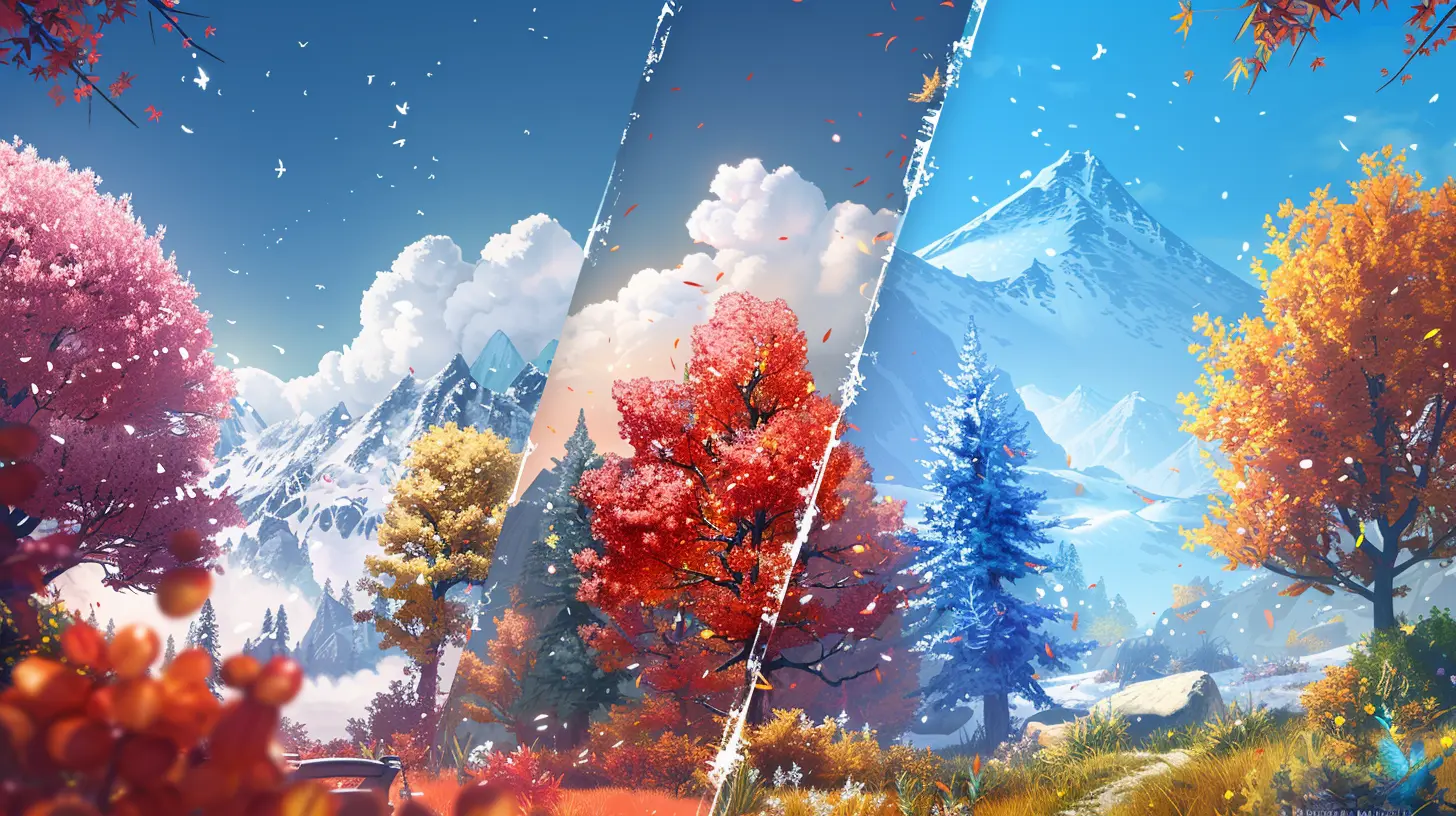
What is Seasonal Content in Gaming?
In its simplest form, seasonal content refers to game updates tied to specific times of the year—usually to reflect holidays, cultural events, or just a quarterly content cycle. Think of it like a TV show releasing a new season with new characters, stories, and arcs. But instead of passively watching, you're part of the action.Over time, these events evolved from surface-level changes (like snow on the map) to deeper experiences that affect gameplay, storylines, rewards, and community engagement.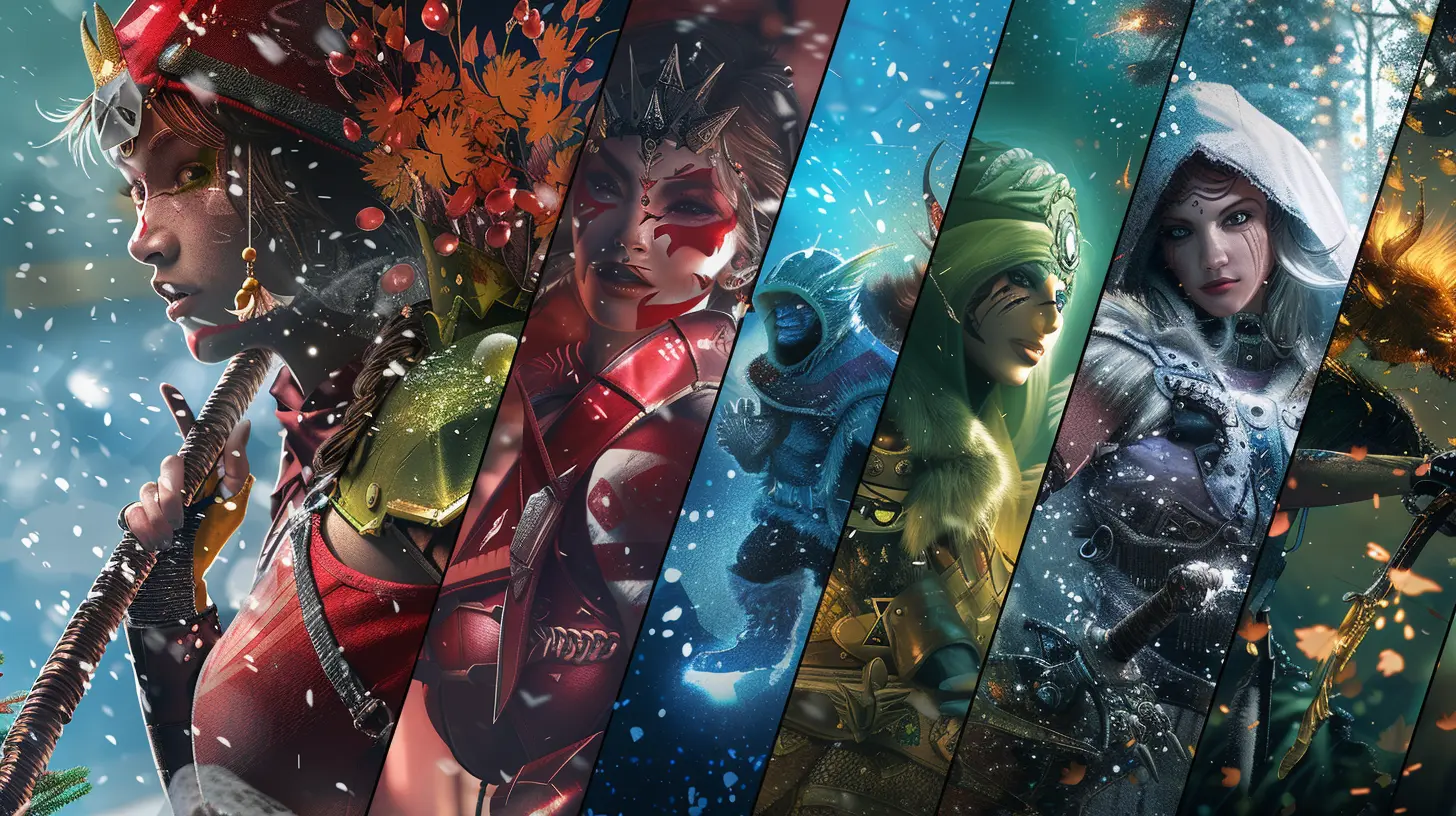
The Humble Beginnings: Holiday Easter Eggs
Way back in the early 2000s, many games began experimenting with limited-time events. These were usually subtle—like a Christmas tree popping up in a town square or pumpkins placed around a map in October.Classic Examples
- Runescape (2001): Seasonal events like Christmas and Halloween brought in cosmetic rewards that players could only get by participating in a short window of time. If you missed it, tough luck.- Animal Crossing: This series used the real-world calendar to trigger unique events like Bunny Day or Toy Day, making the game feel alive and tied to your real-life schedule.
These early iterations were fun but basic. They were like sprinkles on your favorite dessert—not a whole new flavor.
The MMO Revolution: Live Worlds, Live Events
As online gaming became more mainstream with MMOs (Massively Multiplayer Online games), seasonal content started to gain traction as a tool to keep people logging in.How MMOs Changed the Game
Games like World of Warcraft took seasonal events and injected them with life—offering new quests, in-game festivals, and even boss fights tailor-made for the event. Events like “Hallow’s End” or the “Midsummer Fire Festival” added lore-driven content, special cosmetics, and group activities.This approach did two things:
1. Kept existing players engaged.
2. Attracted lapsed players who didn’t want to miss limited-time rewards.
That’s when the devs realized—seasonal content wasn’t just a gimmick. It was a mechanic for retention.
The Rise of Battle Passes and Seasonal Models
Fast-forward to 2017, and everything changed with the release of Fortnite: Battle Royale. Epic Games introduced a new beast: the Battle Pass system, and it flipped the seasonal model on its head.Fortnite’s Game-Changing Blueprint
Instead of just offering temporary events, Fortnite tied content to seasons that lasted around 10 weeks. Each season came with:- A unique theme
- New map changes
- Skins and cosmetics
- Storylines that evolved in real-time
- A tiered Battle Pass for rewards
The model was so successful that other games quickly followed suit:
- Apex Legends
- Call of Duty: Warzone
- Valorant
- Destiny 2
The formula worked because it encouraged players to grind, explore, and spend money—all while creating content that felt fresh and timely.
How Seasonal Content Became Storytelling Tools
Gone are the days when seasonal events were just cosmetic. Now, they drive entire narratives.Live Storytelling at Its Peak
Games like Fortnite have mastered the art of live events—those insane, once-in-a-season spectacles like rocket launches, planetary collisions, or concerts by real-world artists. During these events, players aren’t just spectators; they’re participants in the game’s evolving universe.Think about it:
- A battle pass unlocks more than skins—it reveals story arcs.
- Seasons build tension and climax with live events.
- Players feel like part of an ongoing saga.
This model is storytelling on steroids, and it’s only getting more ambitious.
Mobile Games Join the Party
You might be thinking, “What about casual and mobile games?” Oh, they’re definitely in on the action.Candy Crush, Clash Royale, and Genshin Impact
Even puzzle games and strategy titles use seasonal events to keep players coming back. Limited-time rewards, time-gated challenges, and event-specific items drive engagement like clockwork.Look at Genshin Impact—a game known for its consistent updates themed around in-game lore and real-world festivals. Every few weeks, the game dishes out:
- Temporary regions
- New characters
- Limited quests tied to festivals like Lantern Rite or Moonchase
The blend of gacha mechanics and seasonal content is a recipe for high player retention.
The Business Behind Seasonal Content
Alright, let’s not pretend this is just for fun. Seasonal content has become a major monetization strategy.Why It Works
- FOMO (Fear of Missing Out): Knowing certain items or story content might never return creates urgency.- Recurring Revenue: Battle Passes and seasonal shops make players want to spend regularly, not just once.
- Marketing Fodder: Every new season is a reason to reach out to players and get some social media buzz.
It’s not exploitative if it adds value—and when done right, seasonal content makes the game feel fresh without being pay-to-win.
Seasonal Content Builds Communities
Let’s be real—some of the most iconic moments in gaming happened during events.Remember that insane black hole event in Fortnite? Or the Halloween zombie mode in Warzone? These shared experiences, even for a short while, fuel community hype and forge friendships. Seasonal events give people a reason to log in together and bond over what’s new (or weird).
Whether it's farming festival currency or taking on a one-week-only raid boss, these time-sensitive moments are like mini-holiday celebrations in your digital world.
The Challenges of Seasonal Content
It’s not all rainbows and loot drops.Content Fatigue is Real
Rolling out new content every few months is tough. Studios need to:- Plan years ahead
- Create new assets
- Test everything
- Avoid burnout (both for devs and players)
Eventually, players might feel like they’re on a treadmill. “Another season? Another battle pass?”
Plus, not all players have time to grind every event. If progression is too tied to time-limited tasks, people might feel left out or overwhelmed.
The Future of Seasonal Content
So where do we go from here?Looking ahead, we can expect seasonal content to:
- Become more personalized (AI-powered content recommendations?)
- Tie even more closely to real-world events
- Cross over between games (meta-events across franchises)
- Embrace UGC (User Generated Content) like player-made skins, maps, or challenges
Imagine a future where seasons affect not just cosmetics or gameplay but the rules of engagement themselves. Entire metas could shift every few months. It’s dynamic, exciting, and just a little unpredictable.
Final Thoughts
Seasonal content has evolved from quirky add-ons to a core pillar of modern game design. It's not just about making things festive—it's about telling stories, engaging players, and creating a living, breathing universe that feels different every time you log in.Gamers now expect it, crave it even. It’s a dance between nostalgia and novelty, and when done right, it keeps us coming back season after season.
So, next time you see snow in your favorite game or an “Act I” banner popping up, you’ll know—you’re not just logging in. You’re stepping into a season of something bigger.
all images in this post were generated using AI tools
Category:
Seasonal EventsAuthor:

Emery Larsen
Discussion
rate this article
2 comments
Shelby McDonald
Seasonal content enriches gameplay, fostering community and keeping experiences fresh and engaging.
May 19, 2026 at 3:19 AM
Emery Larsen
Absolutely! Seasonal content truly brings unique challenges and fosters connections among players, making each experience memorable.
Michelle Barnes
Seasonal content is like that friend who shows up uninvited with snacks. Sometimes it's amazing, other times it's just a weird flavor of chips... but you can't say no!
May 6, 2026 at 5:01 AM
Emery Larsen
That's a great analogy! Seasonal content can definitely surprise us, and it keeps the gaming experience fresh... even if some flavors miss the mark.