The Influence of Sci-Fi Films on Video Games
26 April 2026
When you dive into a video game with futuristic cities, alien civilizations, or interstellar warfare, have you ever stopped to think: “This feels like something out of a sci-fi movie”? Well, you’re not imagining things. Sci-fi films have played a massive role in shaping the video game industry. From story arcs to visual aesthetics and even gameplay mechanics, the silver screen has been inspiring our favorite digital worlds for decades.
So, let’s break it down. How did sci-fi films influence the games we can't stop playing? Why do certain tropes, environments, or weapons feel oddly familiar? And most importantly—how deep does this influence go?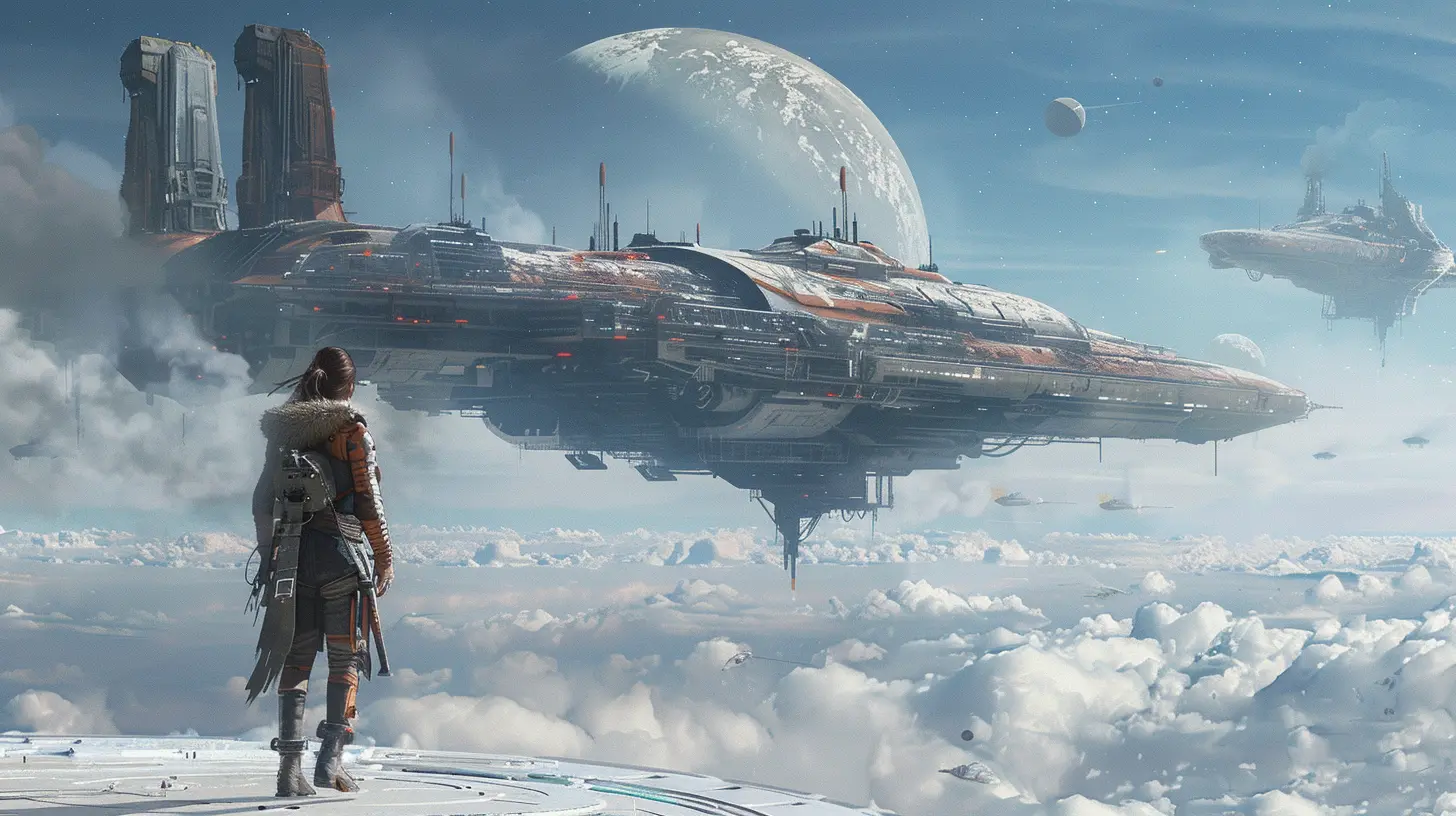
Sci-Fi and Gaming: A Match Written in the Stars
Science fiction, as a genre, has always dared to imagine "what if?" It experiments with technology, time travel, alien life, and dystopian futures. Now, think about your favorite games. Doesn’t that sound familiar?Gaming thrives on imagination just like sci-fi. Both mediums aim to transport us beyond reality. So, when these two collide, it’s like fireworks in the cosmos—creativity explodes.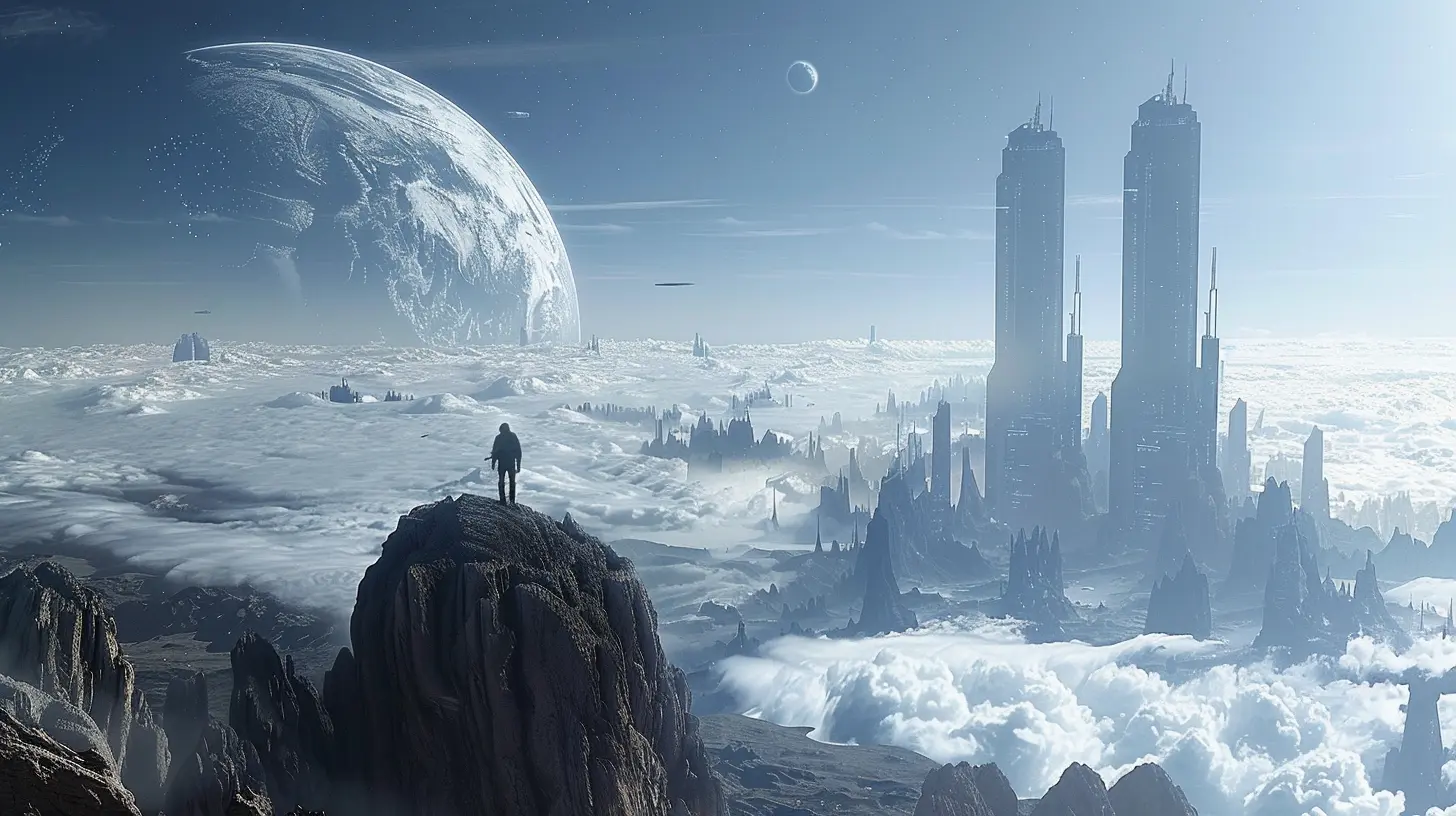
Origin Stories: Back When It All Began
Let’s rewind to the late 70s and early 80s. Sci-fi films like Star Wars (1977) and Alien (1979) were cultural milestones. They didn’t just entertain—they created entire universes. That same decade saw the rise of arcade and home console gaming. Coincidence? Not really.Games like Space Invaders (1978) and Asteroids (1979) weren’t just popular—they were direct nods to the sci-fi boom in Hollywood. Developers were clearly pulling inspiration from what was lighting up the big screen.
Sci-fi films didn’t just push narratives; they pushed imagination. And developers took notes.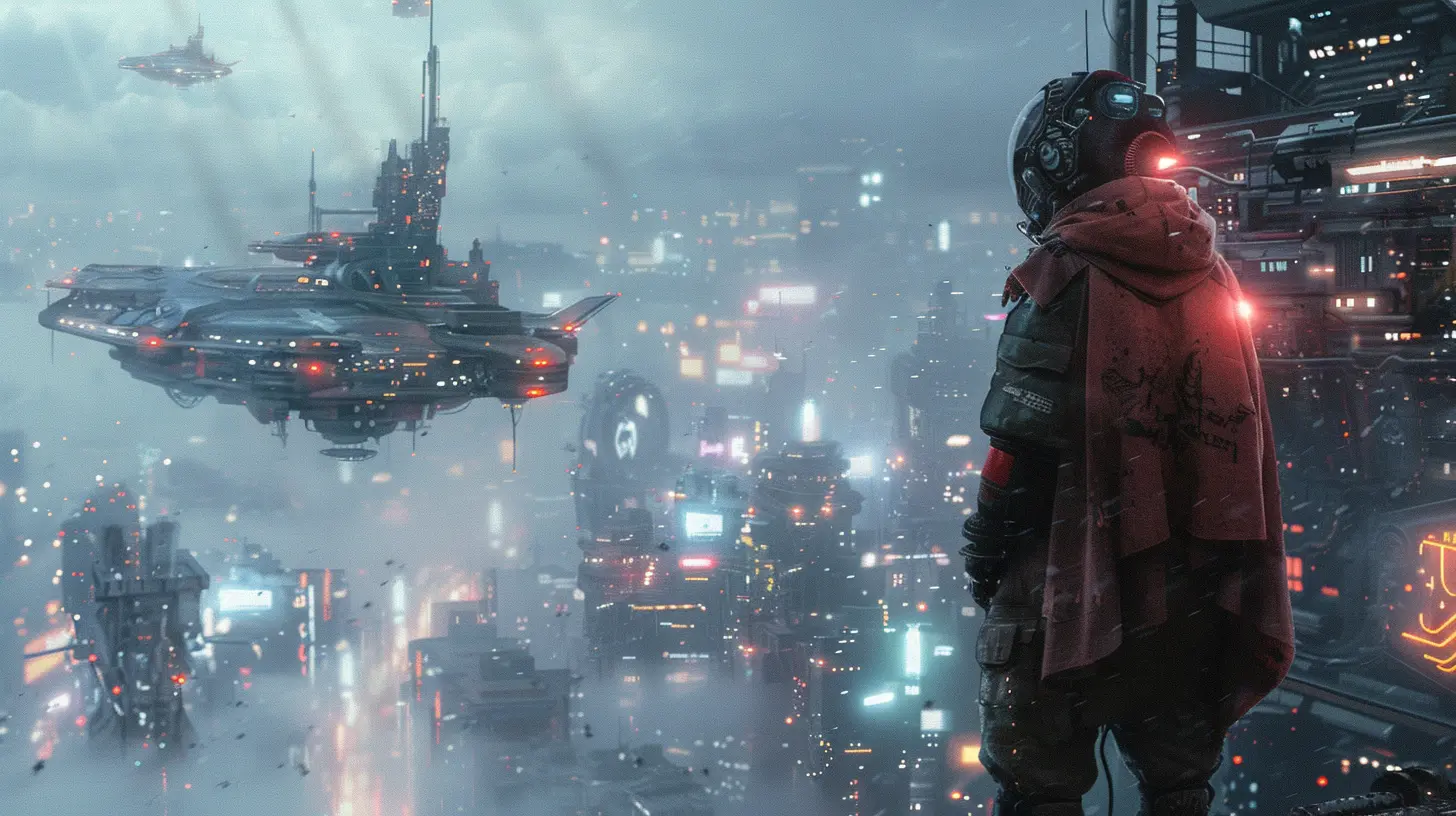
Aesthetic Overload: Visual Echoes from Film to Game
Walk into any futuristic-themed game today and the design feels… oddly cinematic, right? That’s not an accident.Sci-fi films have long defined what the “future” looks like—sleek (or dirty) tech, sprawling orbital cities, robotic companions, and often a dash of neon. Games like Mass Effect, Dead Space, and even Halo borrow heavily from these aesthetics.
Take Blade Runner (1982), for instance. It set the bar for cyberpunk vibes. Dark alleys, glowing billboards, perpetual rain—sound familiar? Now think of Cyberpunk 2077. It's like someone hit Save As on the Blade Runner universe and made it playable.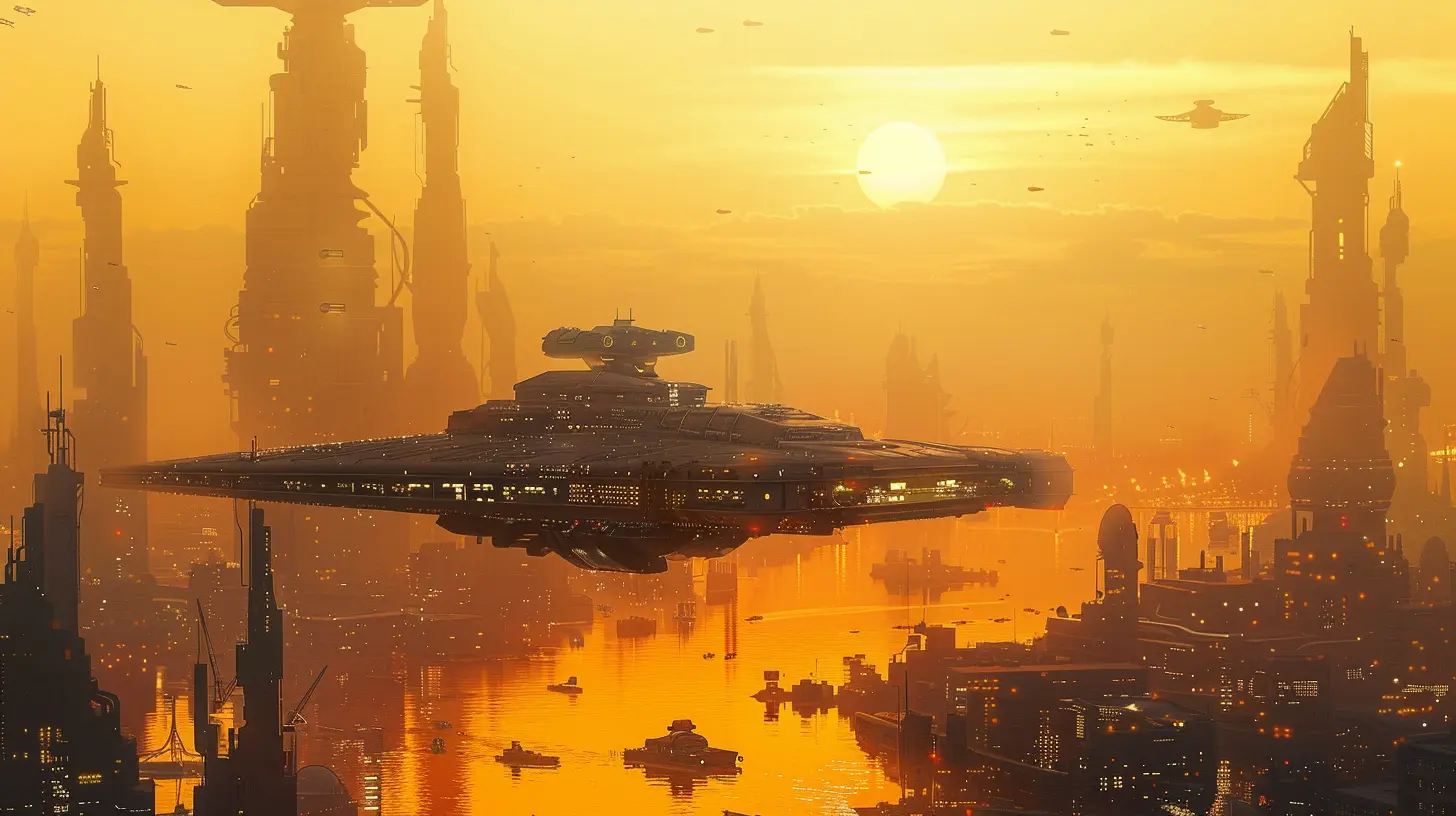
Storytelling: Bringing Film Narratives into Interactive Worlds
Sci-fi films have done something amazing with storytelling—they’ve made the future feel human.Think of The Matrix (1999), which blurred the line between reality and simulation. That concept found its way into video games like Deus Ex and Control, where the narrative questions reality itself. These films laid the storytelling groundwork, and games just took it one step further—by letting you live it.
Games adapted cinematic pacing, plot twists, and character arcs. In many ways, titles like The Last of Us: Part II or Detroit: Become Human play like interactive films. You’re not just watching—you’re making the choices.
Gameplay Mechanics Inspired by Film Concepts
It’s not just about looking cool or having a strong narrative. Sci-fi films have actually molded how games play.Let’s talk gadgets and tech. From lightsabers to cloaking devices, cool sci-fi inventions became tools in games. Think Crysis and its futuristic nanosuit—straight out of a sci-fi playbook.
Even time manipulation, a recurring theme in films like Interstellar or Looper, made its way into gameplay. Titles like Quantum Break and Braid use time as a core mechanic, allowing players to bend the rules of reality just like the heroes (or anti-heroes) from their favorite films.
Alien Influences: Extraterrestrial Design in Gaming
Aliens have always been a staple of sci-fi films. Whether they're friendly (E.T.) or terrifying (Alien), they fascinate us. Games ran with this idea, crafting alien races and mythologies that rival anything Hollywood’s come up with.Take the Metroid series. Its entire mood and setting scream Alien—right down to the isolated female protagonist and creepy parasitic villains. Or the Mass Effect franchise, which offers a political and cultural deep dive into various alien species. It’s like walking through a United Nations of the galaxy.
Fans want to explore the unknown, and sci-fi films gave developers a blueprint on how to do it right.
Sound and Music: Setting the Tone with Sci-Fi Scores
Remember the eerie silence of space in 2001: A Space Odyssey? Or the robotic hums and synths in Tron? Sound plays a massive role in creating that sci-fi atmosphere—and games took that idea to heart.Just listen to the ambient soundtrack of No Man’s Sky or the haunting silence in Dead Space. These soundscapes borrow heavily from film to evoke emotion, tension, and wonder. Audio isn’t just window dressing. It’s part of the immersive experience.
The Cinematic Experience: Games That Feel Like Movies
Some games are created with such cinematic flair, playing them feels like watching a big-budget movie.The Call of Duty: Infinite Warfare campaign feels ripped from a sci-fi war film. Star Wars Jedi: Fallen Order plays like a lost saga in the Star Wars universe. Why? Because games aren't just inspired by sci-fi—they collaborate with Hollywood now.
Motion capture, professional voice acting, and big-name directors have crossed into gaming. It’s a two-way street. Sci-fi actors like Mark Hamill and Lance Henriksen frequently appear in games, blurring the lines between screen and controller.
The Reverse Effect: Games Influencing Sci-Fi Films
The influence isn’t just one-way anymore. With the success of gaming franchises, we’re starting to see games inspire movies.The Resident Evil series (though more horror than pure sci-fi) paved the way for multiple films. Halo has a live-action series. And there’s even buzz around a Mass Effect TV adaptation.
Why? Because the saga-worthy storytelling and world-building in games are often richer than what films can provide in two hours. Hollywood is taking notice.
Why We Love the Sci-Fi/Game Equation
So, why does this relationship work so well? It's simple—both mediums let us escape. Whether you're watching a movie or playing a game, the best sci-fi takes you somewhere new, challenges your thoughts, and lets you imagine the impossible.When you're holding a controller, you’re not just observing a world—you’re part of it. That’s the magic intersection where sci-fi films and video games meet.
Are We Heading Into a Sci-Fi Renaissance in Gaming?
With tech advancing rapidly—think VR, AI, and procedural generation—we're just scratching the surface of what’s possible.Upcoming games like Starfield and Stellar Blade look ready to push the envelope even further. Meanwhile, classics are being revisited and reimagined, keeping the sci-fi flame alive and well.
The future? It's looking very sci-fi. And that’s a good thing.
Final Thoughts
The influence of sci-fi films on video games runs deep—and it isn’t slowing down. From early arcade days to today’s cinematic epics, the fingerprints of sci-fi cinema are all over our favorite games. Whether it’s the look, the feel, or the very way we play—those futuristic tales from the big screen carved a path for interactive storytelling like never before.And honestly? We're all better off for it. Because who doesn’t want to blast through galaxies, meet alien civilizations, or hack reality—all from the comfort of their couch?
all images in this post were generated using AI tools
Category:
Sci Fi GamesAuthor:

Emery Larsen
Discussion
rate this article
2 comments
Marigold McLaurin
Sci-fi films have always blurred the lines between reality and imagination. It's fascinating how these cinematic visions shape our gaming experiences, pushing boundaries and inviting players into worlds yet unexplored... What's next?
May 6, 2026 at 3:30 PM
Emery Larsen
Absolutely, the crossover between sci-fi films and video games is remarkable. Each new film sparks fresh ideas and experiences for players, pushing us into even more immersive worlds. The future holds endless possibilities, and I can't wait to see where it leads us next.
Tiffany McGillivray
Great article! It's fascinating to see how sci-fi films have shaped the storytelling, aesthetics, and gameplay mechanics in video games. The interplay between these mediums continuously enriches the gaming experience, inspiring creativity and innovation in both fields.
April 27, 2026 at 4:36 AM
Emery Larsen
Thanks for the feedback! I'm glad you found the connections between sci-fi films and video games interesting. It's amazing how these two worlds influence each other.