The Most Forgettable Protagonists in Gaming
11 December 2025
Let’s be real for a second—video games are packed with larger-than-life heroes. You’ve got the Master Chiefs, the Kratoss, the Aloys, and the Laras. Their names stick with us, their stories hit deep, and their personalities? Oh, they leave a mark. But for every unforgettable legend, there’s a long list of main characters who just… fade into the background. They come, they go, and sometimes we can’t even remember their names five minutes after the credits roll.
So, what makes some protagonists stand out while others vanish from memory faster than your last New Year’s resolution? Let’s dive headfirst into the pixelated pool of gaming’s most forgettable protagonists and figure out why they failed to leave a lasting impression.
What Makes a Protagonist Forgettable?
Before we start throwing shade, we need to understand why some characters just don’t stick.- Lack of personality: A blank slate can work sometimes (looking at you, Gordon Freeman), but too bland and you’ve lost us.
- Weak storytelling: It’s hard to care about a character without a compelling story. We need stakes, backstory, or at least a dog to protect.
- Over-reliance on tropes: When a character feels like a cliché pulled from a “Hero Starter Pack,” they lose their identity fast.
- Poor voice acting or bad writing: Dialogue matters. If the delivery or script is cringey or flat, we disconnect.
Sometimes it’s not even the protagonist’s fault—they’re just victims of bad design. But hey, someone’s gotta talk about them.
1. Aiden Pearce – Watch Dogs
Let’s start with a biggie.Aiden Pearce was supposed to be Ubisoft’s next big anti-hero. A tech-savvy vigilante hacker, dressed in a trench coat, brooding his way across Chicago—sounds cool, right? But in practice? He was duller than an unplugged modem.
Aiden's big emotional arc? Revenge. That’s it. He wants payback for his niece’s death, and while that might drive a compelling narrative, Aiden’s delivery was flatter than a week-old soda. His personality? Nonexistent. He grunted and growled his way through the entire game, barely cracking a smile. We get it, he’s “serious,” but did he have to be so boring?
The worst part? The game around him was pretty innovative. Hacking the city was fun. But Aiden? Forgettable.
2. Connor – Assassin’s Creed III
Now, I’m an Assassin’s Creed fan—I’ve stabbed my way across centuries of history—but even I have to admit: Connor is probably the series' weakest lead.Coming hot off the charismatic Ezio Auditore, Connor felt like a snooze button in human form. Sure, his story—a Native American caught in the middle of the American Revolution—is fascinating on paper. But in practice, Connor was stoic to a fault. His dialogue was stiff, and his interactions with other characters lacked emotional weight.
He wasn’t poorly written, per se, just… bland. And in a series known for stylish killers with swagger and charm, Connor just couldn’t keep up.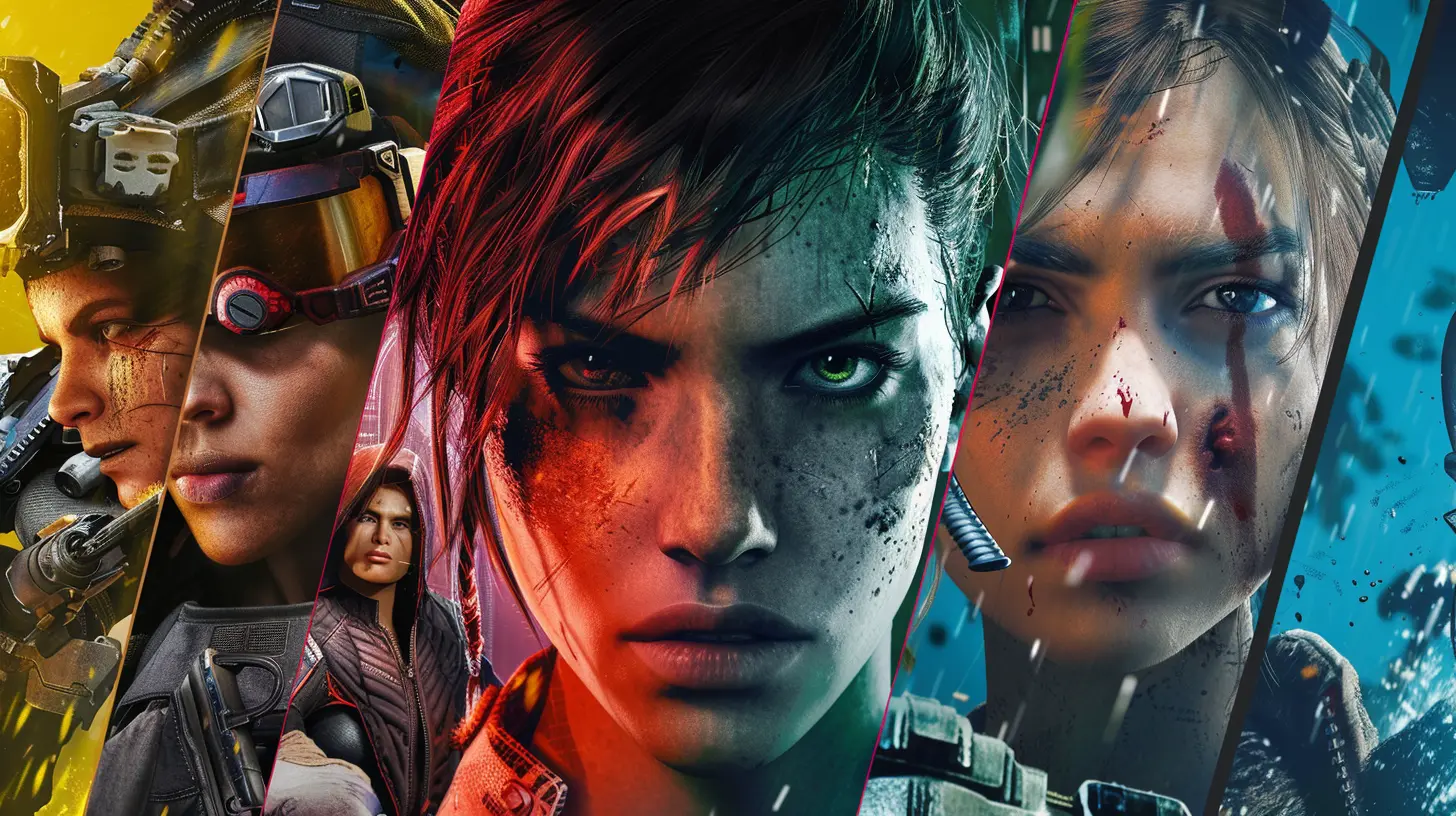
3. Jason Brody – Far Cry 3
Wait, didn’t everyone love Far Cry 3?Yes. The game? Absolutely iconic. Vaas Montenegro? One of gaming’s greatest villains. But Jason Brody, the guy you actually play as? Total background noise.
Jason starts as a spoiled party boy who becomes a jungle warrior overnight. Cool concept, but his transformation feels more like a plot device than an emotional journey. He’s supposed to be the heart of the story, but all the real energy belongs to the villains and side characters.
By the end, most players remember the insanity of Vaas and the chaos of Rook Island more than the actual hero of the story. And that kind of says it all.
4. Ryder Twins – Mass Effect: Andromeda
The Mass Effect trilogy gave us Commander Shepard—a legend in gaming. And then... Andromeda happened.The Ryder twins (you could choose either Scott or Sara) were meant to kick off a fresh start in a new galaxy. But they just didn’t land. It wasn’t the worst storytelling ever, but compared to Shepard’s gritty, galaxy-saving saga, the Ryders felt like interns trying to do a job meant for a seasoned pro.
The writing leaned too heavily into awkward humor, and the emotional weight never felt grounded. Some of it stemmed from the game’s rocky launch and technical issues, but even under perfect conditions, the Ryders were just... forgettable.
5. Nilin – Remember Me
Ironically named, huh?“Remember Me” had a fantastic concept—it let you remix people’s memories and manipulate their perception. The world was stylish, the mechanics were creative, and the soundtrack slapped. But Nilin, the protagonist? She barely made a memory.
She suffered from classic “amnesia protagonist” syndrome. Starting with no memory is tricky—it can be compelling if done right. But Nilin never felt like she developed a strong identity. We were told how important and powerful she was, but we never really felt it through the gameplay or writing.
The game itself is arguably more memorable than its main character, which pretty much tells you all you need to know.
6. Marcus Holloway – Watch Dogs 2
Now, I know this one might spark some debate.Marcus was a step up from Aiden Pearce in almost every way—more personality, better writing, and a way more colorful world to play in. But for some reason, a lot of players still struggle to remember him.
Why? Maybe because the tone of Watch Dogs 2 was chaotic—part serious tech commentary, part meme-fest. Marcus, while likable, got lost somewhere in that tonal tug-of-war.
He wasn’t bad, just lacking that "main character energy" that sticks with you. He felt more like a sidekick in his own story.
7. Jack – BioShock
Okay, now we’re getting into controversial territory. Hear me out.Bioshock is a masterpiece—the atmosphere, the twists, the themes? Incredible. But the protagonist, Jack? Completely forgettable. You know more about the villain (Andrew Ryan) and even the city (Rapture) than you do about the guy you’re actually playing as.
Jack is a silent protagonist, and while that can work, in Bioshock’s case, it made him feel more like a pair of hands than a character. The famous “Would you kindly?” twist is genius, but even that doesn’t give Jack much edge.
When people talk about Bioshock, they remember the world. They remember the story. But the main dude? Meh.
8. Cole MacGrath – inFamous
inFamous was a solid superhero game, but Cole MacGrath was a guy you'd forget as soon as you turned the console off.He was gruff, gravel-voiced, and always angry. Whether you played as good or evil Cole, he was still pretty humorless and one-note. His origin story was interesting—gaining powers after a massive explosion—but personality-wise, there just wasn’t much there.
The moral choices were cool, but Cole didn’t really evolve as a character. He felt like a plot vehicle, not a living person. Not enough charm, not enough depth.
Why Do We Even Care?
You might be asking, “Who cares if some characters are boring?” And fair question. But gaming is storytelling—it’s emotional. We spend hours with these characters. We fight with them, laugh with them, die with them. So when a protagonist feels like cardboard, it’s disappointing.A strong protagonist can elevate a game from good to legendary. Think about Geralt from The Witcher, Arthur Morgan from Red Dead Redemption 2, or Ellie from The Last of Us. They linger with you. They hurt when they hurt. They leave footprints on your heart.
Forgettable characters don’t leave footprints—they barely leave a scuff.
Are These Characters Really To Blame?
Honestly? Not always.Sometimes it’s the writing team’s fault. Sometimes it’s the voice acting. Sometimes it’s the pressure of unrealistic studio deadlines. And sometimes it's simply a case of the character being overshadowed by the game's world or villains.
In many cases, the protagonist is serviceable—they get the job done, they move the plot, but they don’t inspire. And that’s okay. But we’re here to talk about the ones who faded from our minds, not the ones who lit up the screen.
Final Thoughts: What Makes a Protagonist Memorable?
If forgettable protagonists teach us anything, it’s this: personality matters. Backstory matters. Charm matters. Gamers want someone to root for—or even someone to hate. Just don’t be vanilla.A great protagonist doesn’t need to be loud or edgy or even particularly likable. But they need to feel human. Authentic. Alive.
So game devs, if you’re listening—give us characters with fire in their belly. Give us leads that stick with us long after we’ve powered down the console. Because the greatest games aren’t just about action—they’re about connection.
all images in this post were generated using AI tools
Category:
Game FailsAuthor:

Emery Larsen
Discussion
rate this article
2 comments
Brooke McFee
Forgettable protagonists often reflect missed opportunities for deeper storytelling and player connection.
December 15, 2025 at 5:34 PM
Emery Larsen
Absolutely! When protagonists lack depth, it limits the emotional investment players can form, ultimately diminishing the overall storytelling experience.
Rina Daniels
Totally agree, they lack depth.
December 15, 2025 at 4:05 AM
Emery Larsen
Thank you! Depth truly makes characters memorable. Do you have any specific examples in mind?