The Psychology Behind Social Games and Why We Love Them
15 December 2025
Nowadays, if you're not playing a social game, odds are you know someone who is. Whether it's your friend obsessively building their farm, your cousin crushing candy like their life depends on it, or your coworker sneakily sending alliance invites, social games are everywhere. But have you ever stopped to think why we’re so drawn to them?
It’s not just about flashy graphics or catchy sound effects. There's something deeper going on—a mashup of human psychology, social bonding, and instant gratification that keeps us tapping, swiping, and playing. In this article, we’re diving into the real reasons behind our love affair with social games.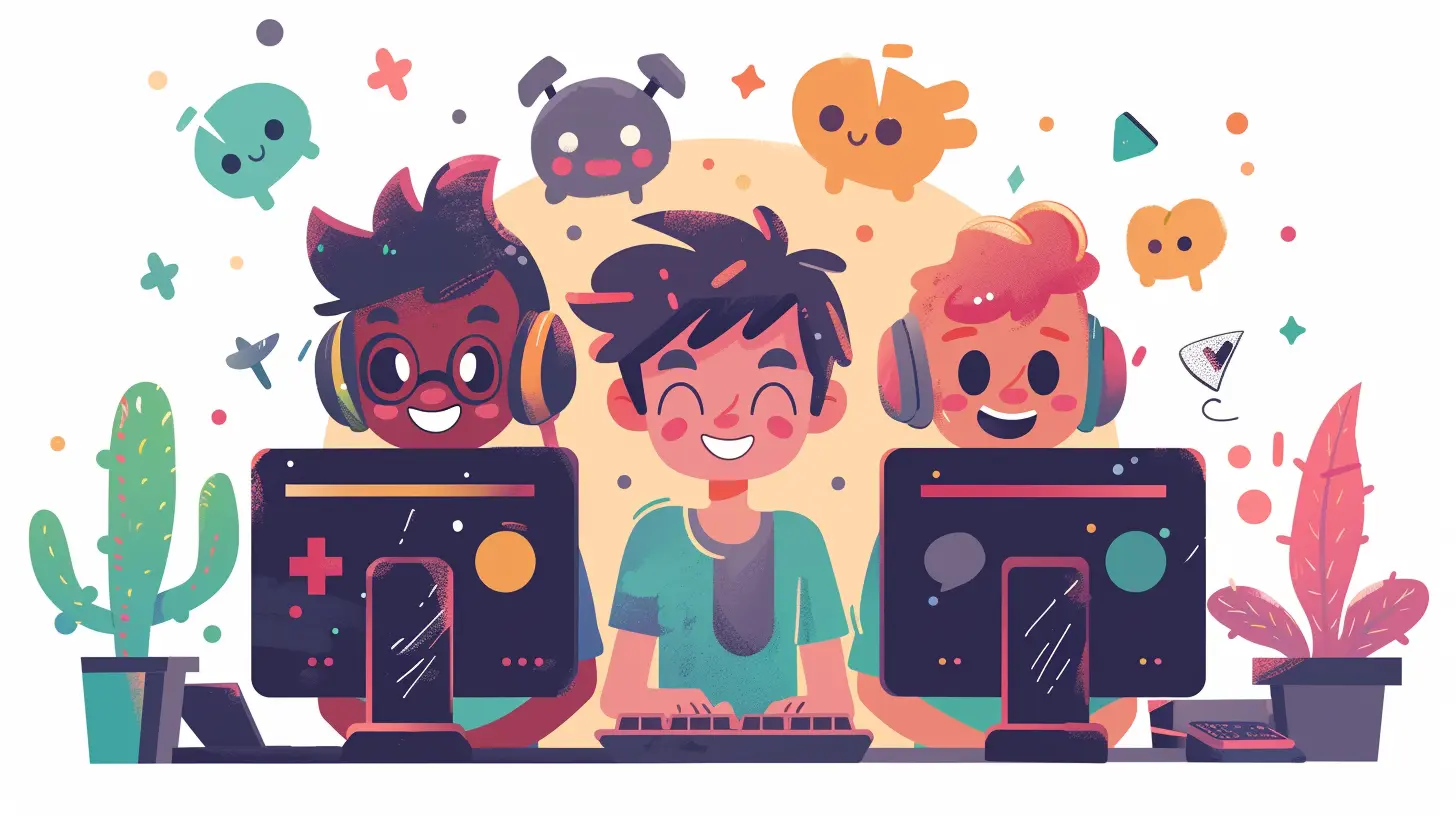
What Are Social Games Anyway?
Before we break down the psychology behind them, let’s quickly get on the same page. Social games are basically games that thrive on interaction—whether that’s teaming up with other players, sending gifts, competing on leaderboards, or just showing off your latest in-game achievements.Think:
- Mobile games like Clash of Clans or Words With Friends
- Facebook games like FarmVille (throwback, anyone?)
- Online multiplayer games like Among Us or Fortnite
They’re designed to be interactive, and that’s no accident.
Humans Are Wired to Connect
Let’s get a little science-y here (I promise it won't be boring).At our core, humans are social creatures. Thousands of years ago, survival heavily depended on being part of a group. Being isolated? That could literally mean death. So naturally, our brains are primed to crave connection.
When we interact with others—especially in enjoyable ways like playing games—our brain releases dopamine, the “feel-good” chemical. Social games tap into that primitive wiring and give it a modern-day twist.
Ever Wonder Why Multiplayer Feels More Fun?
That’s because shared experiences create bonds. Even a simple game of Pictionary or a tense round of PUBG pulls people together. Add voice chat, emojis, and shared victories (and fails), and boom—you've got a recipe for strong social experiences.
The Power of Competition (And Bragging Rights)
Let’s be honest: we all love a little healthy competition.Whether it’s climbing a leaderboard, earning a rare badge, or beating your friend’s high score, social games feed our competitive side. It’s not just about winning—it’s about being seen winning.
Social Validation: The Digital High-Five
You ever post a screenshot of your victory or cool skin and wait for the likes and comments? You're not alone.We crave validation. When someone likes, reacts, or comments on our game posts, it reinforces our need for approval. It’s the digital version of someone patting you on the back and saying, “Nice work!”
The Role of Instant Gratification
Modern social games are masters at one thing: giving you little wins over and over again.Leveling up. Collecting daily rewards. Unlocking new characters. Finishing a quest.
Each of these moments triggers a mini dopamine hit, which keeps you hooked. It’s like eating a potato chip—you can’t stop at just one.
Micro-Rewards = Major Obsession
Social games are packed with micro-rewards. Sometimes you're not even sure why you're being rewarded, but hey—free coins? Sure, I'll take 'em.This constant trickle of rewards keeps our brains on the edge of excitement, always waiting for the next ding, flash, or pop-up.
FOMO Is Real (And Game Developers Know It)
You’ve probably experienced this: you’re about to sleep, but you get a notification—“Your crops are ready to harvest,” or “You’ve been challenged to a match!”Suddenly you’re wide awake and reaching for your phone.
What Is FOMO?
FOMO stands for “Fear of Missing Out,” and it’s one of the most powerful psychological levers in marketing—and gaming.Social games use limited-time events, exclusive skins, and countdown timers to create urgency. You don’t want to fall behind your friends. You don't want to miss that rare in-game event. So you jump back in.
Like clockwork.
The Joy of Progress and Mastery
Humans love progress. Whether it’s getting a new belt in karate or just getting better at flipping pancakes—there’s joy in improvement.Social games play on this need. They give you visible progress bars, experience points, and skills to master.
Why Leveling Up Feels So Good
Something as simple as hitting level 10 in a game feels weirdly satisfying, right? That’s because it’s tangible proof of your effort. Even if it's virtual, your brain recognizes it as an achievement.And the more progress you see, the more committed you feel. This is called the “sunk cost fallacy”—the more time and effort you put into something, the harder it is to stop.
Cooperation: Stronger Together
Not all social games are about competition. Many focus on cooperation—working together to achieve a shared goal.Think about games like Fortnite where you team up with friends, or raid battles in Pokémon GO where players unite to take down massive bosses.
Why Teamwork Feels Awesome
Working together triggers feelings of trust and belonging. You’re part of something bigger than yourself. When you win as a team, it hits differently—it’s not just your victory, it’s everyone’s.Plus, cooperative gameplay fosters a sense of responsibility. If you’re not there for your team, they might fail. That kind of pressure can be incredibly motivating.
Customization and Identity
One of the coolest things about social games is how they let you express yourself.Whether it’s choosing your avatar’s look, decorating your base, or crafting the perfect squad, social games let you show off your unique style.
Why This Matters More Than You Think
In real life, expressing yourself can be complicated. In a game? You’ve got freedom.And when your friends see your cool new gear or your rank skyrocketing, it reinforces your identity within the game’s community.
You're not just a player—you’re that player.
Emotional Attachment and Nostalgia
Remember your first pet in a game? Or that one time your team pulled off an epic win?Social games often create emotional memories tied to people, places, and events in the game world. And over time, those memories build nostalgia.
Think of It Like a Digital Scrapbook
Every achievement, every in-game friend, every hilarious fail—it adds up to a personal connection with the game. That emotional bond is a powerful reason we keep coming back.And when a game eventually ends or shuts down? It's surprisingly emotional. Almost like saying goodbye to an old friend.
Social Games as Escapism
Let’s face it—we all need a break from reality sometimes. Social games provide a stress-free world where you can unwind, connect, and even reinvent yourself.Bad day at work? Open a game, and suddenly you're a knight fighting dragons or a space captain building alliances.
It’s Like a Mini-Vacation (In Your Pocket)
In just a few taps, you escape the real world and enter a fun, colorful, alternate dimension where you’re in control. That’s pretty powerful.The Bottom Line: It’s All About Connection
At the heart of it all, social games capture something deeply human—our need to connect, compete, grow, and belong.They’re carefully crafted using the latest in behavioral psychology, but their magic works because we’re hardwired to respond to it. From quick matches with friends to epic adventures with guildmates, social games aren’t just games—they’re shared experiences.
So the next time you sneak in a game during your lunch break or stay up way too late building your virtual empire, remember: you're not just playing. You're participating in a fascinating dance of psychology, community, and fun.
And hey, if you gain a few bragging rights along the way? Even better.
Final Thoughts
Social games aren’t just about time-killing or casual fun—they’re carefully designed ecosystems that tap deep into how we think, feel, and interact. Whether it’s the thrill of competition, the joy of shared victories, or the constant drive to progress, every feature is rooted in our own psychology.So yeah, there’s way more going on beneath the surface than just tapping on colorful icons.
Next time someone says, “Why are you still playing that game?” —you’ve got answers.
all images in this post were generated using AI tools
Category:
Social GamesAuthor:

Emery Larsen
Discussion
rate this article
2 comments
Tristan Harmon
Social games: the perfect excuse to ignore real-life social skills while mastering the art of pixelated friendship!
December 25, 2025 at 4:06 PM
Emery Larsen
Absolutely! Social games offer a unique blend of connection and escapism, allowing players to engage in friendships without the pressures of real-life interactions.
Barbara McRae
Ah, yes, the deep, existential thrill of clicking brightly colored buttons with strangers online. Truly, nothing says "I’ve found meaning in life" quite like chasing virtual carrots in a digital petting zoo. Bravo, humanity!
December 25, 2025 at 3:55 AM
Emery Larsen
Thank you for the tongue-in-cheek perspective! It highlights the irony and joy we find in connecting and engaging with others through seemingly simple activities.