The Psychology of Isolation in Space-Based Games
12 August 2026
Space. It's vast, silent, and endless. Sounds peaceful, doesn’t it? But in the context of space-based games, it often becomes a double-edged sword: awe-inspiring and, at the same time, deeply unsettling. Whether you're floating through the stars in a sleek spaceship or stranded alone on a desolate alien planet, one common thread ties it all together — isolation.
And let’s face it: isolation in space games hits differently. It’s not the same as hiding in a dark cupboard in a horror title or ducking behind cover in a chaotic battlefield. No, space-based isolation is slow, creeping, and psychological. It gets under your skin, messes with your head, and keeps you company in all the worst ways.
So, what’s really going on in our minds when we dive into these lonely environments? Let’s unpack the psychology of isolation in space-based games and see what makes them so haunting—yet weirdly addictive.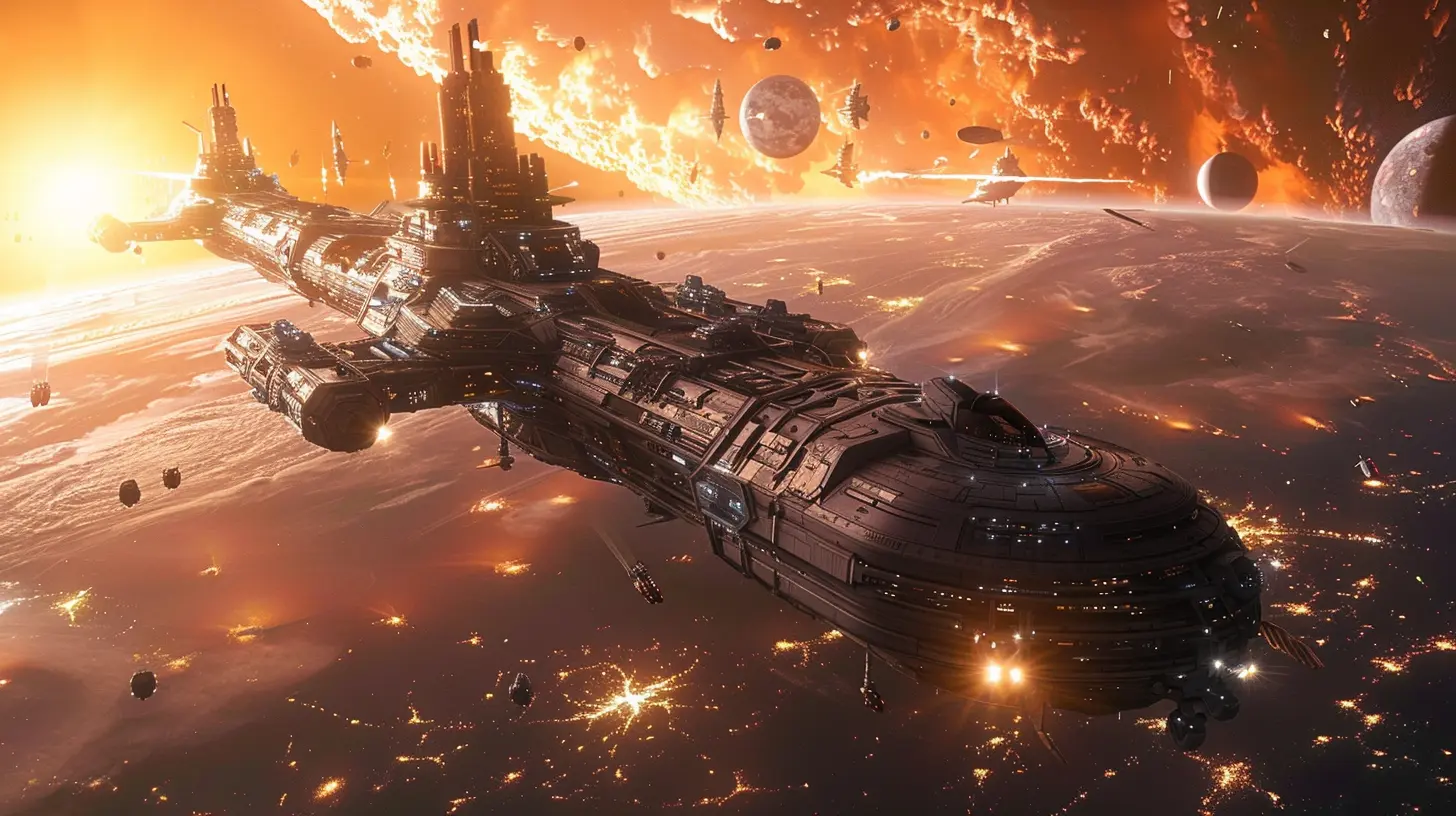
Why Isolation Works So Well in Space Games
Space Isn’t Just a Setting — It’s a Mood
Space is the ultimate blank canvas. There's literally nothing out there. No noise. No weather. No gravity. It strips down the environment to its bare bones, and with it, the player’s emotional defences. When a game uses this emptiness with intention, it becomes more than a backdrop. It becomes the villain.Think about games like Dead Space, Alien: Isolation, or even the quieter moments in No Man’s Sky. Space becomes an emotional amplifier. Whatever fear, tension, or sense of purpose you bring into the game gets multiplied by that sheer, inescapable silence.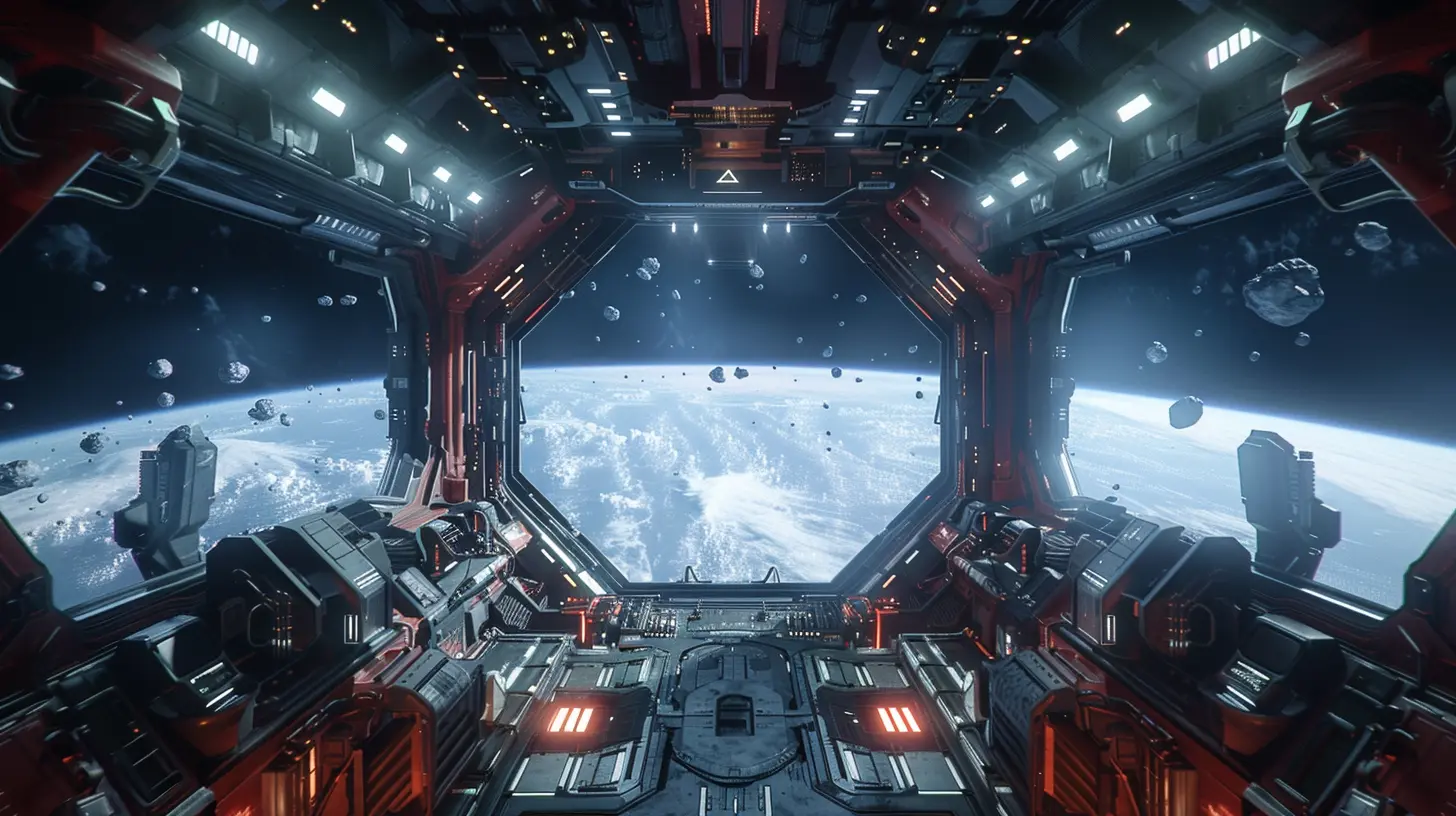
The Psychological Layers of Isolation
1. Loneliness as a Narrative Tool
One of the strongest emotional tools space-based games use is loneliness. And we’re not talking about just being physically alone. We’re talking about the emotional weight of knowing no one’s coming to save you. Ever.Take Soma or The Long Journey Home. In these games, loneliness slips into the dialogue, the sound design, even the UI. The lack of human contact becomes the story. And players don’t just see that — they feel it.
Games that effectively build this kind of emotional distance force you to rely only on yourself. That’s a powerful narrative device. It mirrors real-world feelings of abandonment or disconnection, making the experience feel more personal and immersive.
2. The Fear of the Unknown
Humans are curious creatures — but we’re also innately terrified of the unknown. That’s biology doing its job. In space games, the unknown is everywhere: alien planets, malfunctioning ships, dark nebulae, and signals with no origin.Not knowing what’s lurking around the corner fuels anxiety. And this fear of the unknown is intensified when you're alone, and help is galaxies away.
Games like Observation or Returnal thrive on this. Just when you think you understand your surroundings, the game pulls the rug from under you. It’s not just jump scares — it’s a slow, consistent build-up of psychological tension.
3. Disconnection from Reality
Ever played a space game for so long that you started questioning your surroundings in real life? That’s not just good game design — that’s your brain reacting to environmental disconnect.When you're in a space station surrounded by artificial lights, mechanical hums, and no human voices, your mind starts detaching from reality. It starts to feel like you really are floating alone in the void.
This is a psychological phenomenon known as sensory deprivation. And games capitalize on it. Developers intentionally lower ambient sounds, reduce color variation, and use looping mechanical noises to isolate you from the real world.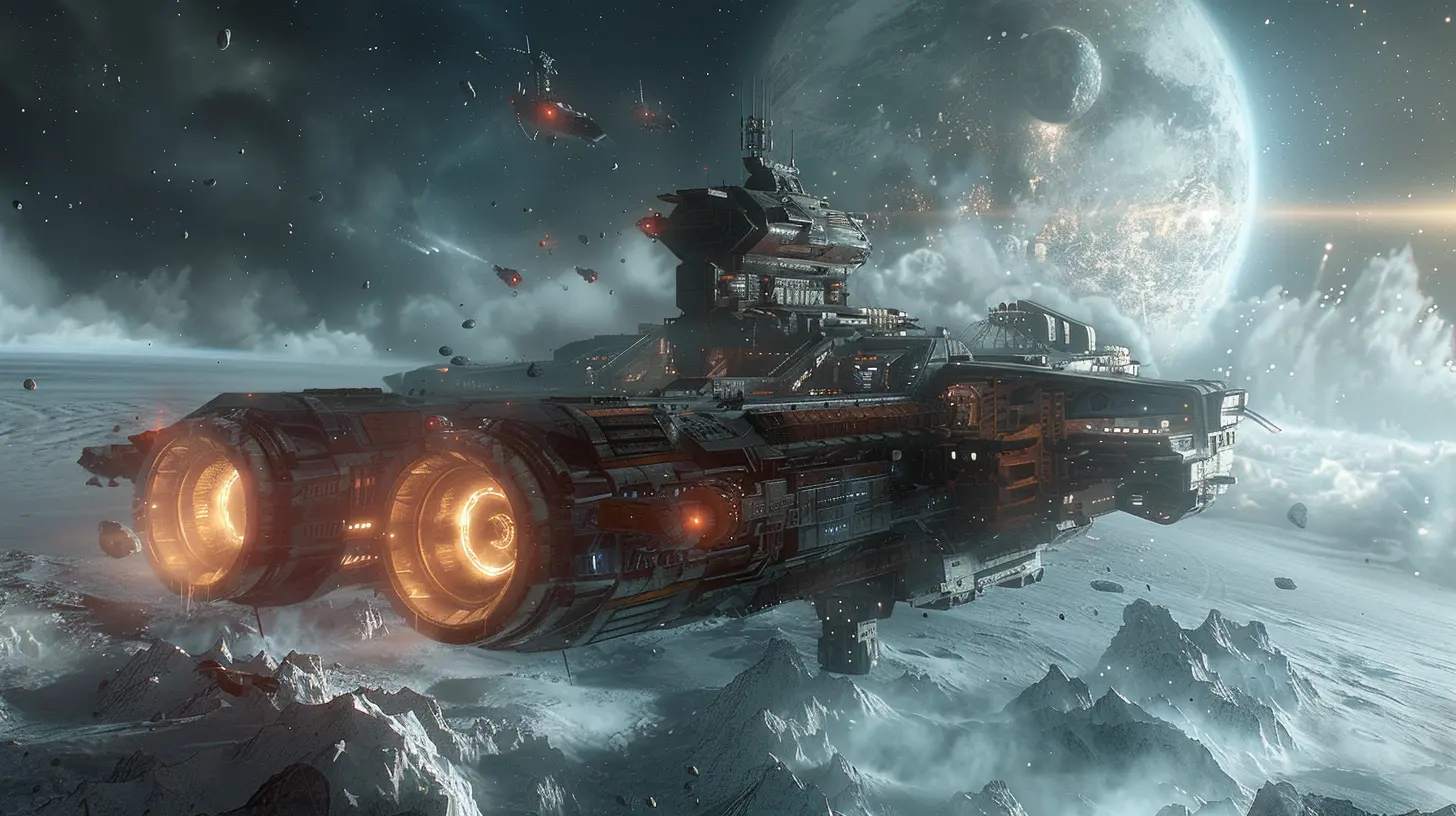
How Game Design Triggers Psychological Responses
Sound Design: The Echoes of Emptiness
In space, no one can hear you scream. But in your headphones, sound designers are working overtime to make you feel like you’re screaming on the inside. Smart sound design uses minimalism — muffled footsteps, distant clanging, or the eerie silence of space — to turn the atmosphere into a pressure cooker.Sometimes, just the absence of sound speaks volumes. Remember when HAL in 2001: A Space Odyssey calmly announced, “I’m sorry Dave, I’m afraid I can’t do that”? That’s the vibe many space games aim for — a sterile, artificial stillness that’s way more terrifying than loud music or sudden noises.
Environmental Storytelling and Level Design
The layout of a spaceship, the corridors of a deserted colony, or the navigation console of a failing craft — these elements tell stories without saying a word.You might come across a diary entry left behind, a half-eaten meal on a table, or a blood-streaked floor leading to a locked door. These aren’t just visuals; they’re emotional cues. They whisper, “Something went horribly wrong here,” and your brain fills in the blanks.
By giving just enough information, developers let the player’s imagination do the heavy lifting. And nothing is scarier than the horrors your own mind comes up with.
Minimalist HUDs and Interfaces
A cluttered interface would kill the vibe. So, space games often strip down the heads-up display (HUD) to keep you grounded in the world and uncomfortably aware of your surroundings.Games like Outer Wilds or Lone Echo use minimalist designs to keep your focus on the environment rather than the screen. This forces you to stay alert and, ironically, feel even more alone — like you’re actually there, surviving minute by minute.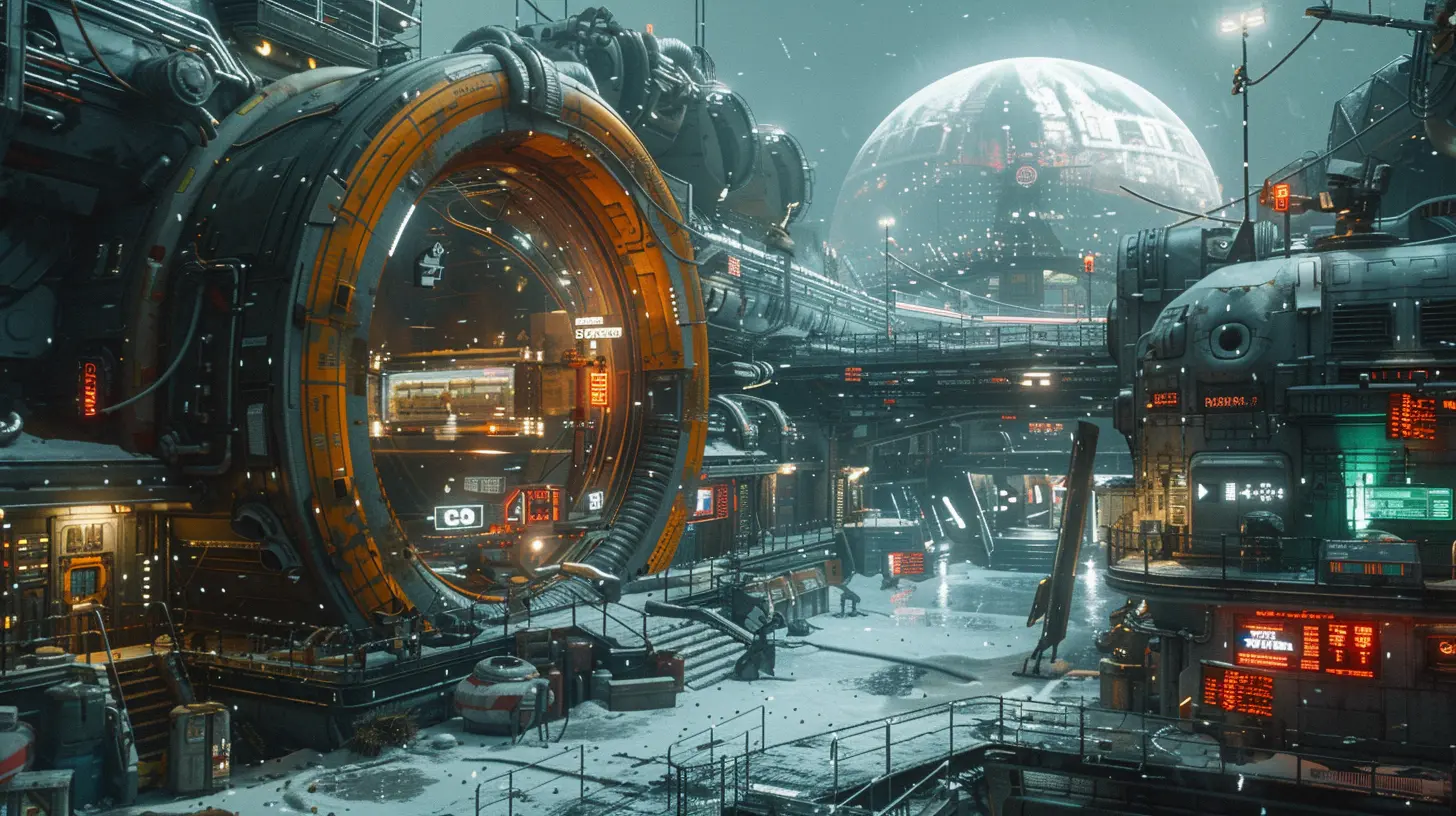
Player Reactions: Why We Keep Coming Back
Masochistic Enjoyment?
As weird as it sounds, many of us seek out games that make us feel bad, at least temporarily. Why? Because these games offer emotional payoff. You struggle, you feel tension, and when you survive, there's a huge sense of accomplishment.It’s the same reason horror fans love being scared — it’s a safe way to engage with emotions we don’t normally tap into. Space-based isolation games give us the perfect cocktail of fear, curiosity, and challenge.
The Need for Control in a Chaotic World
In the real world, isolation often means a lack of control. But in a game, even if you’re alone in space, you have some agency. You can make decisions, control your ship, explore planets, and solve problems.That feeling of control in the face of isolation gives players a mental edge. It’s therapeutic in a strange way. You might be lightyears from Earth, but you’re still calling the shots.
Escapism That Feels Real
Let’s face it. Not all escapism needs to be sunshine and rainbows. Sometimes, we want to sink into a game that feels raw and unsettling. Space-based isolation scratches that itch like nothing else.And because the setting is so far removed from our daily lives, it's easier to lose ourselves in it. You're not just escaping reality — you're rewriting it.
The Rise of Solitude in Multiplayer Space Games
Wait, multiplayer and isolation in the same sentence? Yup. You’d think playing with others would remove that feeling of loneliness, but modern space MMORPGs and co-op games like Elite Dangerous or Star Citizen show that isolation can still exist even when you’re not technically alone.Ever flown for hours through the black void and not seen a single soul? It’s eerie. You know others are out there, but you never actually see them. That kind of pseudo-isolation creates this haunting sense of being alone in a crowded universe.
Even in games like Among Us, the isolation is emotional and social. You’re surrounded by characters, yet you can’t trust anyone. That’s a whole different kind of psychological trigger — paranoia mixed with loneliness.
Final Thoughts: Embracing the Void
Space-based games don’t just hit you with fancy tech and cool spacesuits. They tap into something primal. Something deep. Something most of us don’t deal with day to day — complete, unfiltered isolation.And somehow, we love it.
Maybe it’s because these games let us explore what it truly means to be alone — not just physically, but emotionally. They make us ask questions like: Who are we without others? What do we do when no one’s watching? What happens when we’re the only voice echoing through a steel hallway lightyears from home?
Those are heavy thoughts. But in the controlled chaos of a well-designed space game, that psychological weight becomes an unforgettable part of the journey.
So yeah, the next time you find yourself floating alone in the vacuum of space, don’t just search for aliens.
Check in with your own mind first.
all images in this post were generated using AI tools
Category:
Sci Fi GamesAuthor:

Emery Larsen