Top Multiplayer Games That Encourage Positive Interaction
17 July 2026
Let’s be honest—online gaming hasn’t always had the best rep when it comes to player behavior. Trash talk in voice chats, rage quitting, and toxic communities have given multiplayer games a bit of a bad name. But here’s the good news: not all online games turn into digital battlefields of negativity. In fact, some are doing the exact opposite!
There’s an emerging wave of multiplayer games designed to foster cooperation, empathy, and genuine human connection. Yep, games that actually make you feel good about playing with others. Whether you’re solving puzzles with friends, building together, or helping each other survive, these games are all about positivity.
So, if you're tired of the toxicity and on the lookout for games that bring out the best in people, you're in the right place. Let’s dive into the top multiplayer games that encourage positive interaction.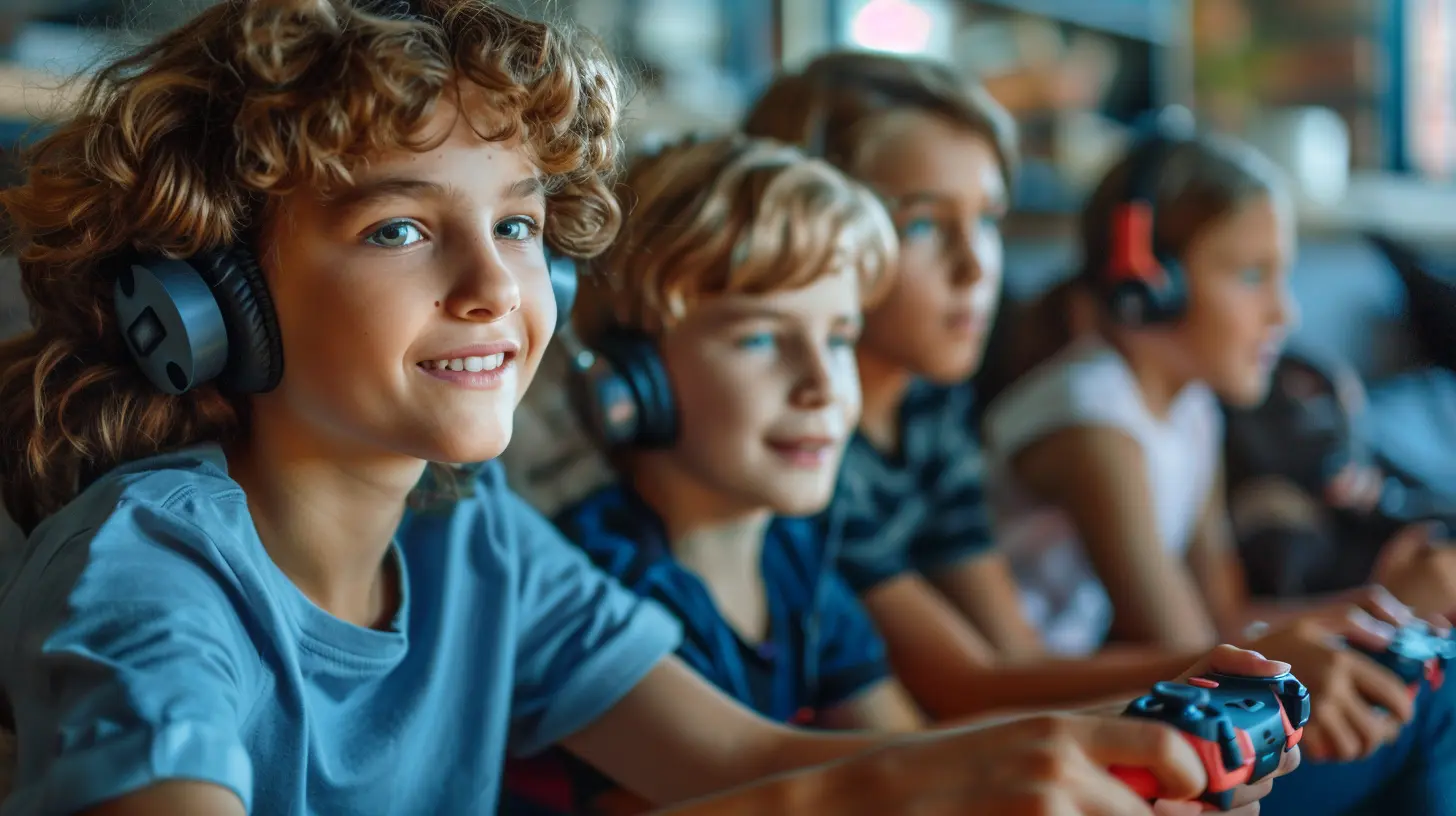
Why Positive Interaction in Games Matters
Before we jump into the list, let’s take a quick look at why fostering positive behavior in games is a big deal.Games are more than just entertainment—they’re social spaces. And just like cafés or parks, the vibe of those spaces depends on the people in them. When developers design games that reward teamwork, empathy, and communication, they’re essentially shaping digital environments that promote kindness and cooperation.
Not only does this make games more enjoyable, but positive interaction also:
- Builds stronger gaming communities.
- Reduces player burnout and frustration.
- Makes games more inclusive for all types of players.
- Encourages long-term retention.
Alright, now let’s get to the good stuff!
1. It Takes Two – Teamwork Makes the Dream Work
Genre: Co-op Adventure | Platforms: PC, PS4/5, Xbox One/Series X/SIf there’s one game that screams “cooperation,” it’s It Takes Two. This two-player masterpiece by Hazelight Studios is quite literally built around collaboration. You play as a couple going through a rough patch, magically turned into dolls, and forced to work together through a whimsical (and emotional) world.
Here's the twist—you can’t play it solo. Every puzzle, obstacle, and mini-game requires two players working in tandem, communicating constantly. The game cleverly mixes genres and gameplay styles, so you’ll never get bored, and you’ll definitely bond with your co-op partner.
Perfect for couples, besties, or even total strangers who want to connect.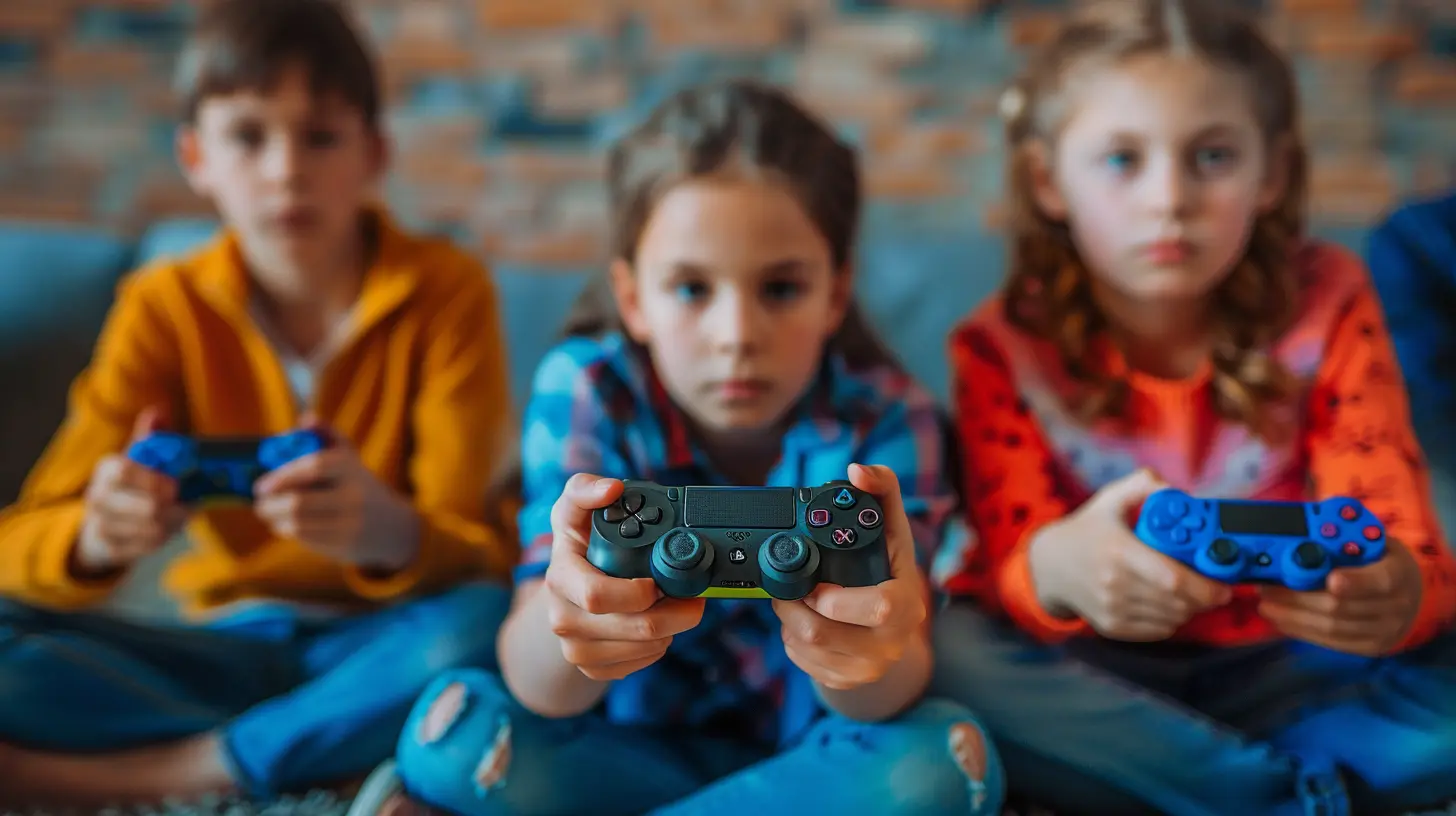
2. Animal Crossing: New Horizons – The Wholesome Island Life
Genre: Life Sim | Platform: Nintendo SwitchLooking for a stress-free, feel-good multiplayer experience? Animal Crossing: New Horizons might be your escape from the chaos of the real (and gaming) world.
Invite friends to your island, visit theirs, share resources, and exchange cute gifts. There’s no competition here—just peaceful living, gardening, fishing, and decorating. It’s basically the coziest virtual hangout spot you can imagine.
Because players can’t “grief” or harm each other, the interactions stay respectful and calming. Plus, the in-game messaging system encourages kind, slow-paced conversation. It’s like a digital cup of tea with friends.
3. Overcooked! All You Can Eat – Hectic, But Harmonious
Genre: Co-op Party/Cooking Sim | Platforms: PC, PS4/5, Xbox, SwitchNow hear me out—Overcooked might seem chaotic (ok, it is chaotic), but underneath the frenetically tossed onions and kitchen fires lies one of the most fun, cooperative experiences ever created.
You and your team must work together to chop, cook, serve, and clean in the most absurd kitchens imaginable. Communication? Absolutely necessary. If you aren’t talking and planning, you’re failing orders left and right.
The game is hilarious, and even though it can get intense, it more often ends in laughter than arguments. Plus, teamwork wins the day, and when you finally pass that tough level? Pure joy.
4. Minecraft (Multiplayer Servers with Shared Goals)
Genre: Sandbox/Survival | Platforms: Pretty much everythingMinecraft is like the LEGO set of video games—it’s what you make of it. And when you hop on servers that encourage cooperation, the experience becomes magical.
From building entire cities together to surviving harsh nights in Survival Mode, Minecraft has endless potential for positive teamwork. Some servers even have community rules, shared goals (like building theme parks or mega castles), and in-game events that get everyone involved in a fun, non-toxic way.
And let’s not forget: nothing bonds people like fending off a Creeper ambush together.
5. Sea of Thieves – Communication on the High Seas
Genre: Adventure/Pirate Sim | Platforms: PC, XboxArr matey! In Sea of Thieves, you and your team sail the ocean as a band of pirates, searching for treasure, battling sea monsters, and occasionally... crashing your ship into a rock.
What makes this game shine is how much it relies on good communication. Someone has to steer, someone mans the sails, another keeps an eye out for threats. It’s like being on a floating trust fall.
The game encourages you to work together, not just to survive—but to thrive. And the pirate role-playing adds light-hearted fun, turning every session into a memorable story.
6. Stardew Valley (Co-op Mode) – A Farming Fantasy
Genre: Farming Sim/RPG | Platforms: PC, Switch, PlayStation, XboxYou wouldn’t think a farming RPG would be a great multiplayer game, but Stardew Valley actually shines in this mode. You and your friends can share a farm, divide up duties, and interact with the villagers together.
There’s no pressure, no time limits, and no competition—just pure cooperation. Want to fish while your friend plants crops? Go for it. Want to jointly raise animals and upgrade buildings? Even better.
The co-op mode is as chill as it gets, and it’s ideal for relaxed, meaningful gaming sessions with friends or family.
7. Portal 2 (Co-op Mode) – Puzzle Solving Perfection
Genre: Puzzle Co-op | Platforms: PC, PlayStation, XboxIf solving mind-bending puzzles with a buddy sounds like your jam, Portal 2’s co-op mode is an absolute gem. You play as two robots navigating test chambers with Portal guns, and every level requires deep communication and clever problem-solving.
There’s no combat, no leaderboard—just two brains against some of the most creative puzzles in gaming.
Because you can’t complete most challenges alone, teamwork isn't optional—it’s the whole point. And when that lightbulb goes off and you nail a puzzle together? So satisfying.
8. Phasmaphobia – Spooky, But Supportive
Genre: Co-op Horror | Platforms: PC (VR optional)Alright, so ghost-hunting might not sound like the most positive experience, but Phasmaphobia actually requires a ton of collaboration, trust, and communication.
You and your team investigate haunted locations, using tools to identify spirits while keeping each other safe. The game might be scary, but the way players rely on each other builds strong bonds—even if you're screaming half the time.
It’s a unique blend of horror and camaraderie, and honestly, it works surprisingly well.
9. Final Fantasy XIV Online – An MMORPG, But Nice
Genre: MMORPG | Platforms: PC, PlayStationMMORPGs get a bad rap for toxic communities, but Final Fantasy XIV breaks the mold. Over the years, it’s earned a reputation for having one of the friendliest online communities around.
Whether you’re raiding dungeons, crafting items, or just hanging out in the Gold Saucer mini-game zone, players are generally helpful, respectful, and mature. There’s even a “Mentor” system for new players, encouraging veterans to lend a hand.
Square Enix has also actively moderated the game to promote good behavior. It’s a refreshing example of how an MMO can be both epic and empathetic.
10. Keep Talking and Nobody Explodes – Communication Is Key
Genre: Party Puzzle | Platforms: PC, VR, Mobile, ConsoleThis game is like the ultimate trust exercise. One player defuses a bomb on screen, while the other players (who can’t see the bomb) read the manual out loud to guide them.
It’s frantic, funny, and absolutely depends on clear communication. You’ll learn how your friends think, interpret clues, and handle pressure—all while trying not to, you know, explode.
It’s less about competition and more about syncing up your brainwaves with someone else. And it’s a total blast (pun intended).
What Makes These Games So Uplifting?
Let’s break it down. These games prioritize:✨ Cooperation Over Competition – Winning is less important than working together.
? Communication – Players need to talk, listen, and think together.
❤️ Empathy-Driven Design – Characters and stories encourage emotional connection.
? Shared Problem-Solving – Players accomplish more when they combine strengths.
? Creative Freedom – Shared building and exploration help people express themselves collaboratively.
In other words, these games are designed to bring people closer, not tear them apart.
Final Thoughts – Gaming With Heart
In a world where online interactions can often feel cold or hostile, it's heartwarming to see that some multiplayer games are taking the high road. They dare to be kind. They challenge us to cooperate instead of compete. And they prove that virtual worlds can be just as warm and welcoming as real ones.So next time you’re picking a game to play with a friend, sibling, or even a stranger online—consider choosing one that leaves you smiling, not scowling.
Because hey, isn't it more fun when everyone wins?
all images in this post were generated using AI tools
Category:
Games For KidsAuthor:

Emery Larsen
Discussion
rate this article
1 comments
Judith Roberts
While it's great that some multiplayer games foster positive interaction, we must examine the underlying mechanics that encourage this behavior. Are developers truly prioritizing community well-being, or is it just a marketing strategy? Genuine connections can only thrive in environments where players feel safe and valued, not just financially motivated.
July 17, 2026 at 4:55 AM