Top Sci-Fi Game Characters That Redefined the Genre
23 July 2026
Imagine being dropped into a universe where gravity is optional, time is malleable, and the line between human and machine is so blurred it makes your head spin. Welcome to the world of sci-fi games. But here's the thing—spectacular visuals and flashy laser guns aren’t what make these games unforgettable. Nope, it’s the characters. Those gritty, futuristic badasses who make you laugh, cry, and question everything you thought you knew about reality.
In this deep-dive, we’re looking at the top sci-fi game characters who didn’t just steal the show—they rewrote the damn script. These icons redefined the genre, shifted paradigms, and carved their names into gaming legend. So, grab your plasma rifle and buckle up. We're going on a ride across stars, timelines, and synthetic minds.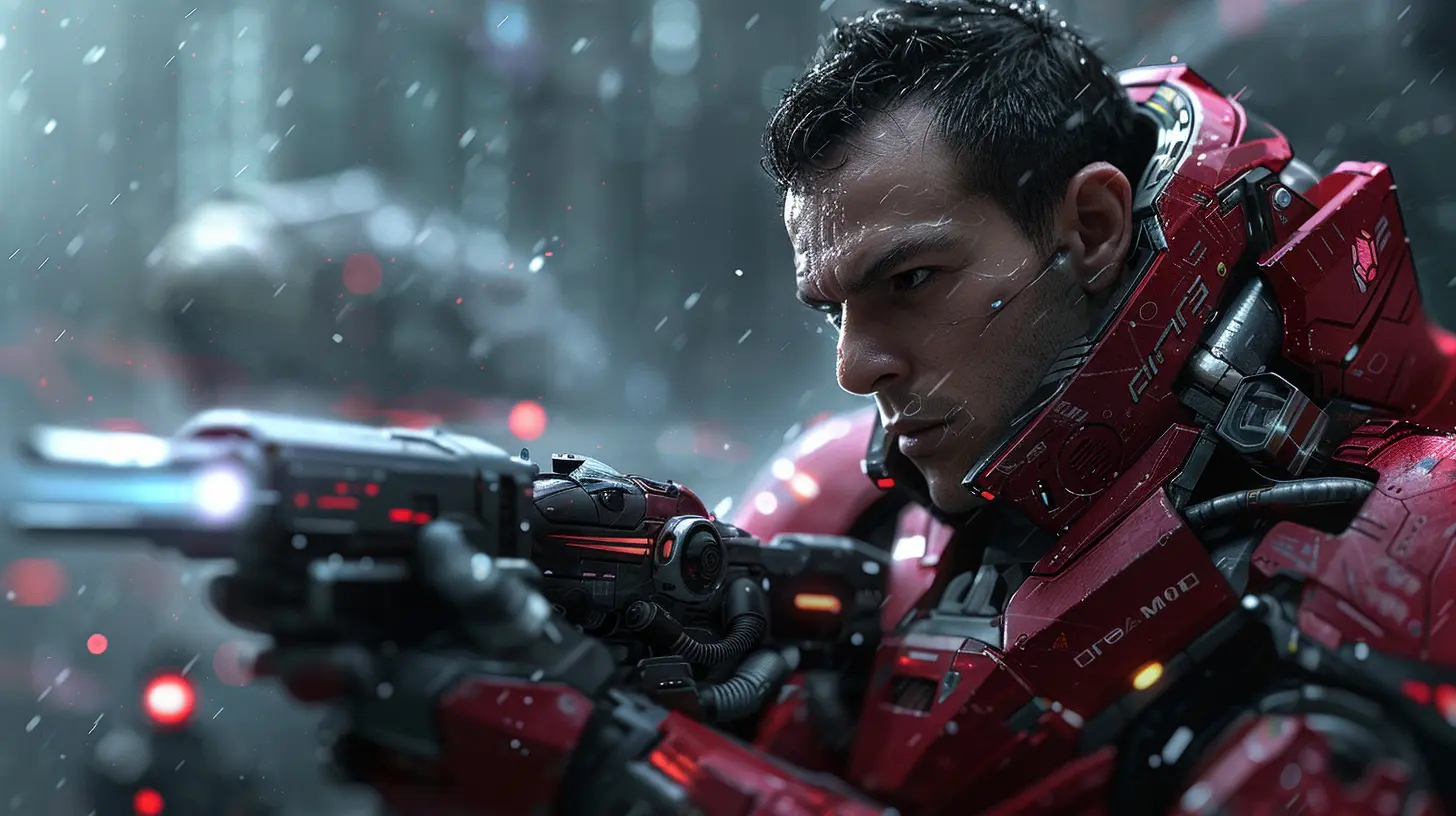
1. Commander Shepard (Mass Effect Series)
Let’s be real—sci-fi gaming before and after Commander Shepard feels like two different worlds. BioWare gave us something groundbreaking: a protagonist who could be anyone, yet remained equally impactful no matter the choices you made.Whether you went Paragon or Renegade, Shepard wasn’t just a character—you were Shepard. The weight of intergalactic diplomacy, spaceship shootouts, and moral dilemmas made you care in a way most games only dream about. And the Normandy crew? Don’t even get me started. ?
How Shepard Redefined the Genre:
- Introduced complex morality systems with emotional consequences.
- Proved that player choice could exist without breaking narrative immersion.
- Showed the power of character-driven, cinematic storytelling in sci-fi.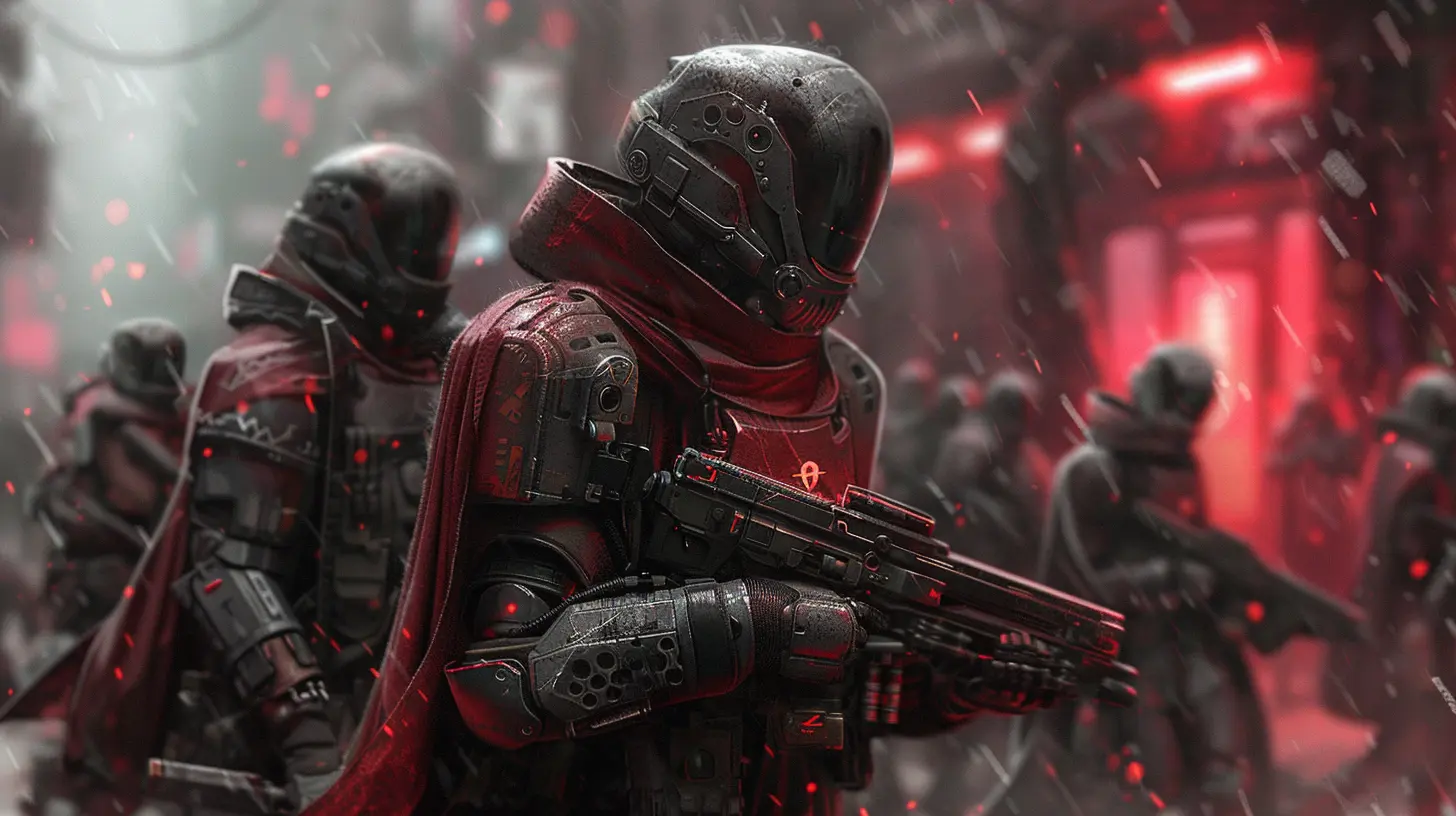
2. Cortana (Halo Series)
Not every game character needs a body to be unforgettable. Cortana, the AI sidekick to Master Chief, managed to be more human than most actual humans in gaming. She’s sharp, emotional, witty, and, at times, terrifyingly self-aware.Cortana wasn't just there for exposition—she evolved. Her descent into "rampancy" (essentially AI madness) added depth and heartbreak to a franchise mostly known for explosive alien warfare. Who knew an AI could break our hearts?
Why Cortana Changed the Game:
- Introduced AI characters with complex emotional arcs.
- Elevated the narrative of a military shooter into philosophical, existential territory.
- Gave us the first real "digital soul" in gaming.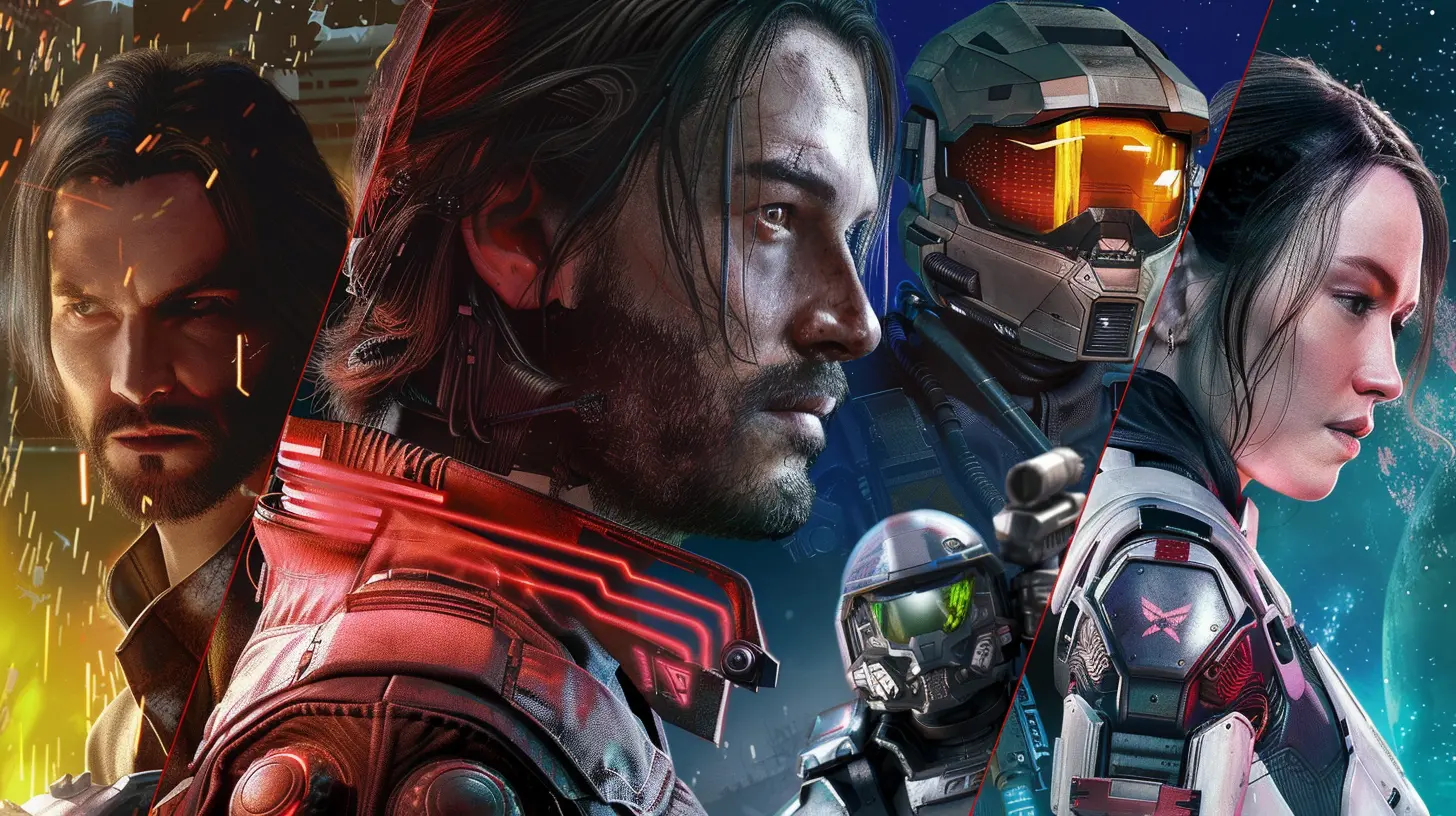
3. Samus Aran (Metroid Series)
Before Aloy, before Commander Shepard, there was Samus. And what a reveal she was! Back in the '80s, gamers everywhere were mind-blown when the helmet came off and—bam!—Samus was a woman. That move alone challenged gaming's macho status quo.But here's the kicker: Samus wasn’t just a gender reveal gimmick. She was also a symbol of isolation, resilience, and cold efficiency. Fighting off space pirates and Metroids alone? That’s next-level hardcore.
How Samus Pushed Boundaries:
- Subverted gender expectations in a male-dominated genre.
- Mastered the tone of eerie, solitary sci-fi ventures (a la Alien).
- Pioneered the "Metroidvania" exploration format now used by countless games.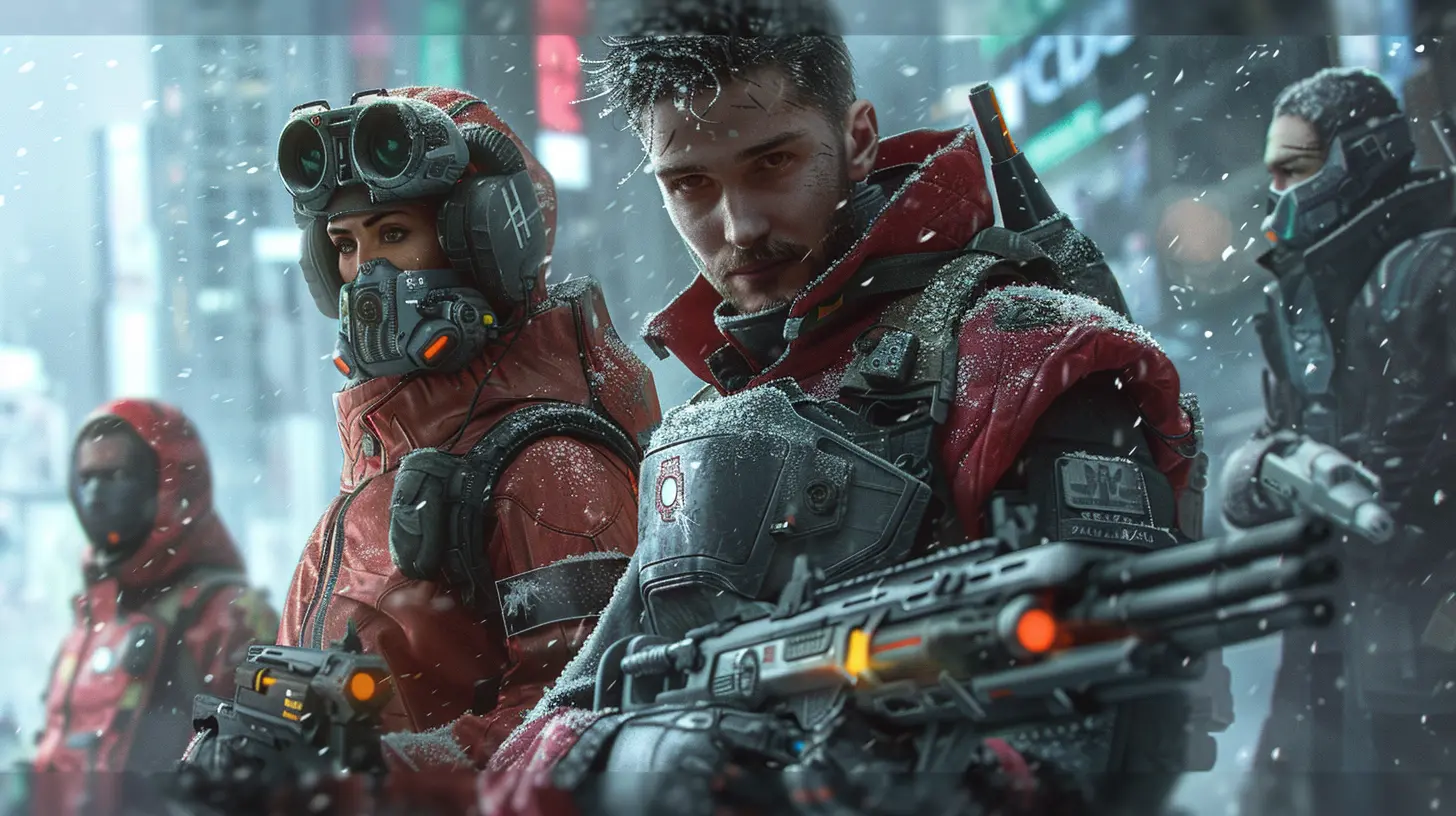
4. GLaDOS (Portal Series)
Ever been insulted by a robot while solving physics puzzles with a gun that makes portals? Then you’ve met GLaDOS, the deliciously psychotic AI antagonist from Portal.With her monotone sarcasm and twisted sense of humor, GLaDOS turned the sterile labs of Aperture Science into a psychological funhouse. One minute, she’s helping you out. The next, she’s casually mentioning how you’ll probably die. Charming, right?
What Makes GLaDOS Revolutionary:
- Demonstrated how voice acting alone can define a character.
- Blended dark comedy with sci-fi horror in a way that felt fresh.
- Highlighted the potential of minimalist storytelling in gaming.
5. HK-47 (Star Wars: Knights of the Old Republic)
Call him a walking murder machine with charisma levels off the charts. HK-47 isn’t your typical robot companion. This assassin droid refers to humans as "meatbags" and waxes poetic about creative ways to kill.But don’t let his bloodlust fool you; HK-47 offers biting commentary on morality, war, and the absurdity of organic life. He’s an absolute gem in a galaxy filled with morally gray Jedi and political backstabbing.
Why HK-47 Stands Out:
- Subverted the "friendly robot" trope.
- Added intellectual depth under layers of snark and violence.
- Became one of the most quoted characters in RPG history.
6. J.C. Denton (Deus Ex)
Cyberpunk would not be what it is in gaming without J.C. Denton, the trench-coat-wearing, cyber-augmented hero of Deus Ex. Picture Neo from The Matrix, but with more conspiracy theories and philosophical one-liners.Denton was cool in that detached, brooding, late-90s way, but what really made him iconic was how he embodied choice. Do you sneak through vents or go guns blazing? Trust the government or rebel against it? Every decision changed the world—and how Denton interacted with it.
What Made Denton Iconic:
- Gave players control in a real “choose-your-adventure” world.
- Merged gritty noir with cyberpunk sci-fi.
- Embodied the idea of player agency affecting narrative outcome.
7. Aloy (Horizon Series)
Post-apocalyptic doesn’t always mean nuclear wasteland or zombie hell. Enter Aloy, a fierce hunter in a future where nature reclaimed Earth and robotic dinosaurs roam the wild. Yes, robot dinosaurs. It’s as awesome as it sounds.Raised as an outcast in a primitive tribe, Aloy’s journey is one of self-discovery, science, and unraveling the mystery of a fallen high-tech civilization. She’s a perfect blend of intellect, wild survival skills, and heart.
Why Aloy Deserves Praise:
- Brought a layered female protagonist into mainstream sci-fi.
- Balanced tribalism and technology in a believable future world.
- Delivered a refreshing take on environmental storytelling.
8. Adam Jensen (Deus Ex: Human Revolution)
"I never asked for this." That single line encapsulates Adam Jensen’s struggle. A cybernetically enhanced security agent thrust into a world of biotech conspiracies and cybernetic ethics, Jensen is noir incarnate—with shades of gold.His story dives deep into transhumanism, corporate control, and identity. Plus, come on—he’s got sunglasses that literally pop out of his skull. How can anything top that?
How Jensen Reinvented the Genre:
- Took cyberpunk into morally ambiguous territory.
- Explored the psychological cost of human augmentation.
- Tackled real-world issues like surveillance, control, and body autonomy.
9. Ellie (The Last of Us Part II)
Okay, okay, maybe The Last of Us leans more toward post-apocalyptic drama than classic sci-fi, but Ellie’s emotional depth and complexity simply can’t be ignored. She’s a character who evolves, fractures, and makes you feel every broken piece along the way.In Part II especially, Ellie isn't a beacon of hope or virtue—she's a living, breathing embodiment of anger, trauma, and moral conflict. That’s brave storytelling. And let’s be real, how many games have made you feel this torn?
Why Ellie Breaks the Mold:
- Proves that sci-fi can be deeply human and emotional.
- Offers the rare experience of growing with a character.
- Challenges conventional notions of heroism and revenge.
10. Master Chief (Halo Series)
You didn’t think we’d skip Master Chief, right? The towering Spartan with a voice like gravel and a helmet he never takes off—yet somehow, he’s a legend.What’s wild is that Master Chief isn’t overly talkative or expressive, but that’s the point. He’s a blank slate, a mythic figure. He carries the weight of humanity on his armored shoulders, and every mission feels like the last hope. Bonus: his dynamic with Cortana adds unexpected emotional weight.
Why Master Chief Is Timeless:
- Embodies the "silent hero" trope with iconic presence.
- Serves as the face of one of gaming’s most successful sci-fi franchises.
- Balances military epicness with philosophical undertones about duty and identity.
Final Thoughts: More Than Just Pixels
Sci-fi games are more than just space battles and laser swords. The emotional gravity in these worlds comes from characters who make us ask, “What does it mean to be human... or not?” These iconic figures didn’t just play their part—they reshaped what sci-fi storytelling could be in gaming.From moral complexity to raw humanity, these characters became symbols, mirrors, and trailblazers. They dared to ask big questions and forced us to think—even as we launched rockets, hacked systems, and saved entire galaxies.
So the next time you boot up a sci-fi game, pay close attention. You’re not just playing a role. You're stepping into the electrified boots of legends.
all images in this post were generated using AI tools
Category:
Sci Fi GamesAuthor:

Emery Larsen