When Censorship Breaks Immersion
5 June 2026
In the world of video games, immersion isn’t just a luxury—it’s the whole point. We dive into these digital worlds to escape, to become someone else, to live out fantasies that the real world doesn’t offer. But what happens when that immersion is yanked away by something seemingly unrelated to gameplay? Let’s talk about censorship—and how it can rip us right out of the game like a badly timed pop-up ad.
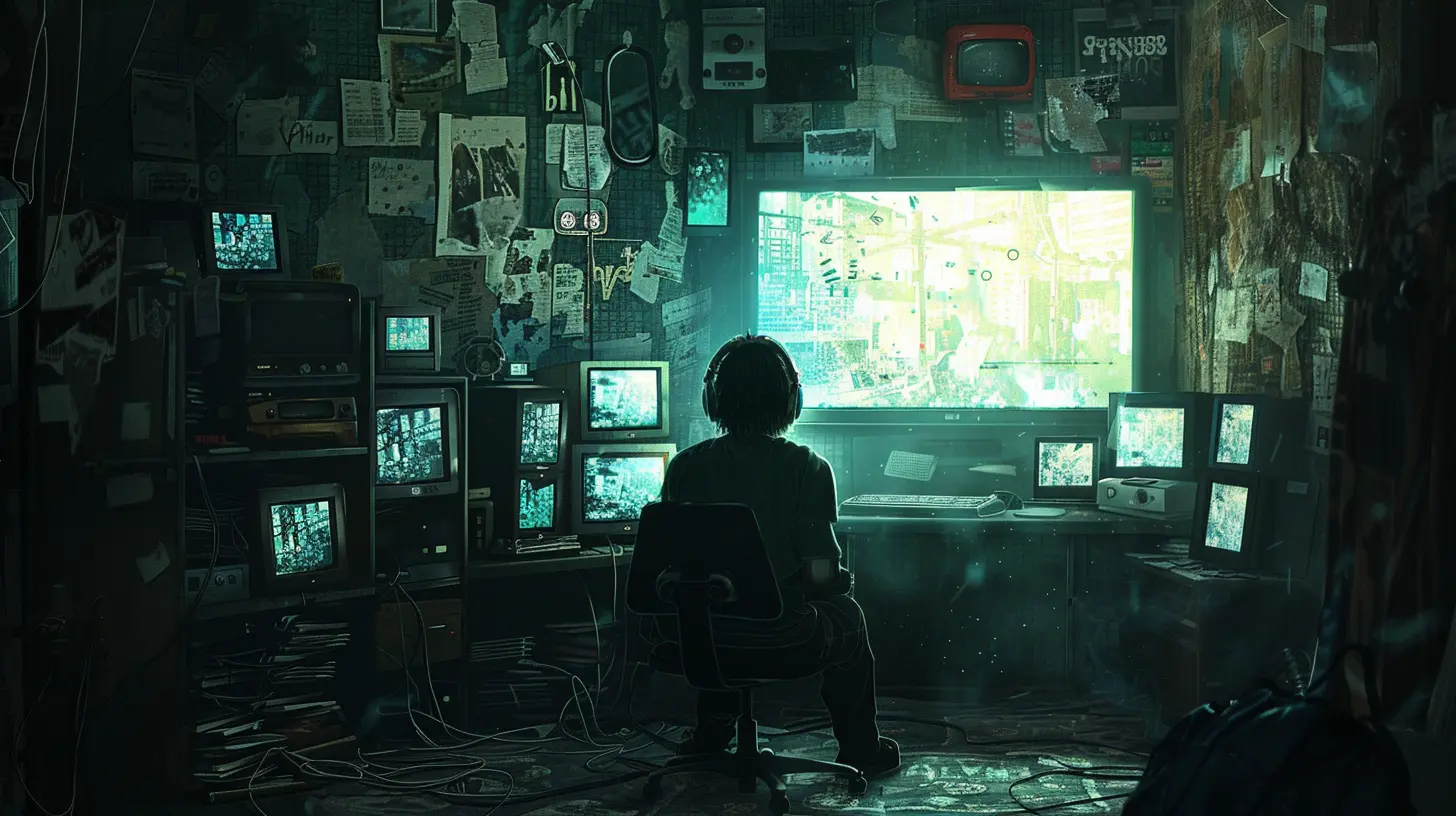
So, What Exactly is Censorship in Games?
Now, let’s clear something up real quick. Censorship in gaming isn’t new. Developers, publishers, and even governments have been snipping, tweaking, and sometimes completely rewriting content for decades. It can be anything—from changing dialogue and altering character designs to removing entire scenes or features.Why? Well, reasons vary. Sometimes it's to comply with local laws or age rating boards. Other times, it’s to avoid controversy, cater to certain audiences, or, let's be honest, to save face in today's social-media-driven world.
But here's the kicker: making these changes might protect a game’s reputation or ensure a broader market, but it can also shatter the very thing gamers care about most—immersion.
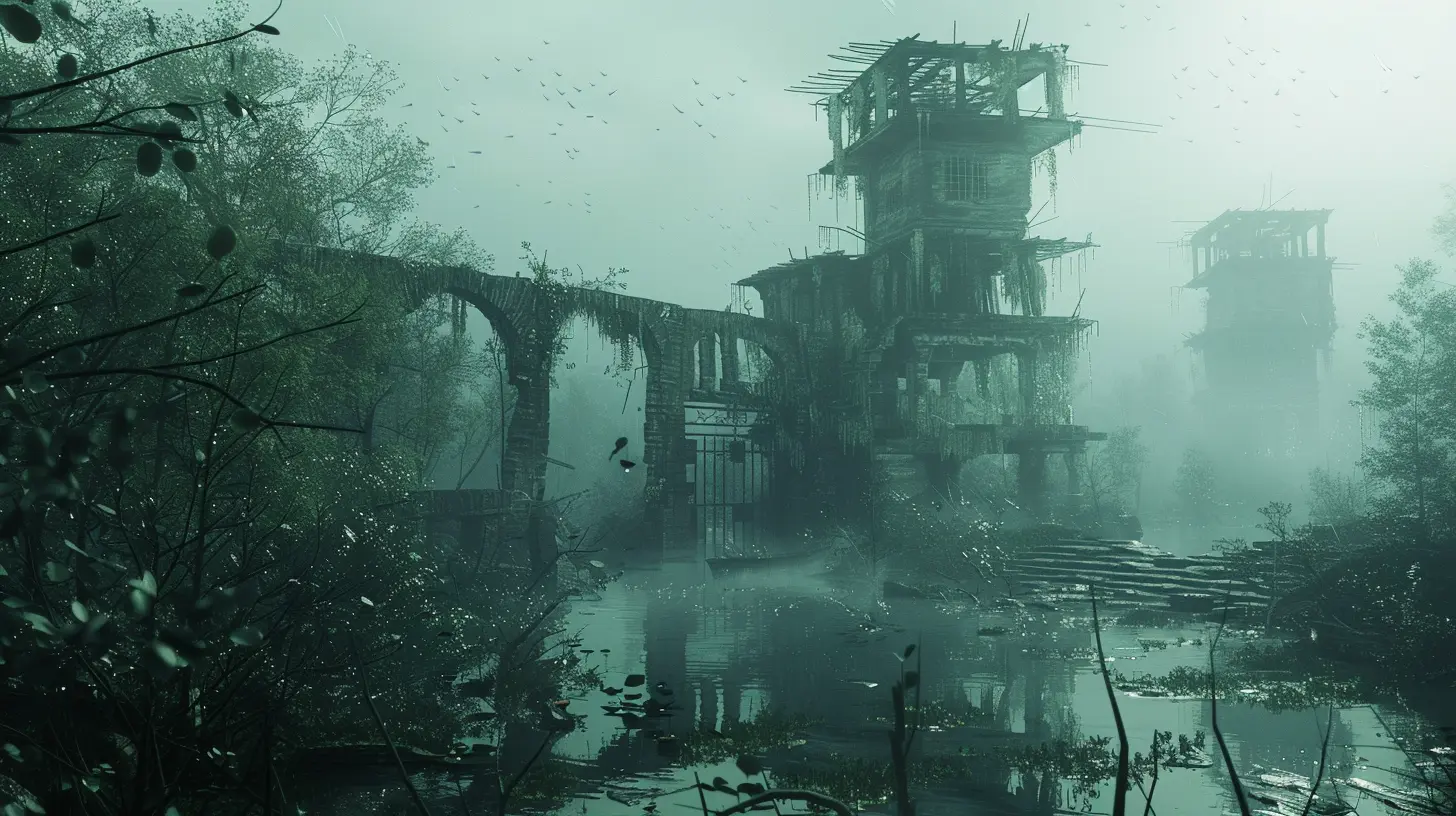
Why Immersion Matters in Games
Imagine reading a novel and suddenly the author blanks out key words or rewrites emotional scenes to be more "appropriate." Not quite the same vibe, right? Video games are the same way.A game’s world is meticulously crafted—from the environments to the characters, the music, the dialogue, and more. All of this combines to pull you in, to make you feel like part of the story. That’s immersion. It’s that moment when you’re not just playing a game—you’re living it.
When something forced and unnatural like censorship comes crashing into that experience, it can ruin everything. It’s like watching a movie and suddenly realizing it’s been dubbed over by someone’s mom—awkward, distracting, and completely tone-deaf.
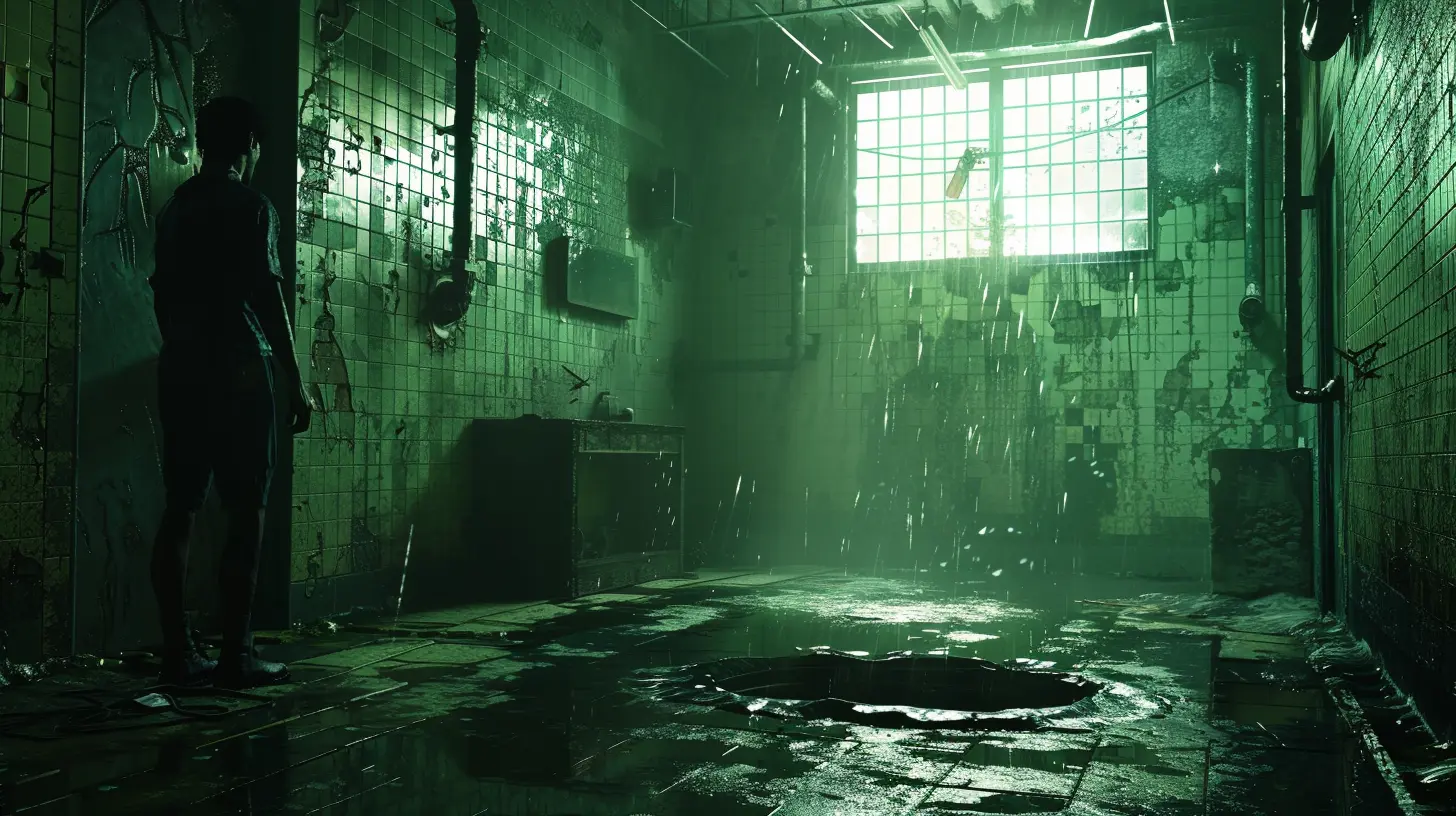
Real-World Examples Where Censorship Ruined the Vibe
Let’s take a look at some real cases where censorship didn’t just tweak a detail—it broke the experience.1. Resident Evil Series – Toned Down Violence
The older Resident Evil games were known for their gritty, gruesome horror. Blood splatter, decapitations, grotesque monsters—it was all part of the charm. But in censored versions, particularly in countries like Germany and Australia, things were noticeably missing.Zombies died oddly clean deaths. Scenes that should’ve been intense were suddenly awkward. The game still played the same, sure—but the atmosphere? Gone. It felt like watching a horror movie with all the gory bits edited out. You get the story, but none of the emotional intensity.
2. Fire Emblem Fates – Altered Social Mechanics
Fire Emblem Fates included some controversial support conversations, especially one featuring a character experiencing what seemed like gender dysphoria. In the Western version, this scene was heavily censored and rewritten.Whether the original was problematic or not, the change felt forced. For players invested in character development and story arcs, it was like the scene had a giant asterisk next to it—"this isn’t what the developer intended." And that breaks the spell.
3. Doki Doki Literature Club – Too Dark for Some Stores
This game thrives on its shocking narrative. Its cutesy exterior hides a disturbing psychological horror. But various stores refused to list it because of its themes, or required edited versions that dulled the game's edge.The problem? The horror relies on contrast. If you water down the "scary" parts, the game doesn’t work anymore. It’s like a roller coaster with no drops—what’s the point?
4. South Park: The Stick of Truth – Removed Scenes
You’d expect a South Park game to be offensive, right? That’s the brand, after all. But in several countries, specific scenes were outright removed for being too controversial.Instead of the actual content, players were treated to on-screen text explaining what they "would have seen." That’s not just immersion breaking—it’s immersion mocking.
Imagine gearing up for a boss fight and someone just throws up a PowerPoint slide instead. Yeah, no thanks.
The Slippery Slope of "Over-Sanitizing"
Censorship often starts with good intentions—protecting minors, respecting different cultures, or avoiding offense. But where’s the line?Games tackle serious themes: war, addiction, sexuality, identity, and politics. These aren’t just plot points—they’re what make characters and stories feel real. Sanitizing them too much does a disservice to gamers and artists alike.
Let’s flip the script. Imagine censoring “The Last of Us” because it’s too grim, or editing “Red Dead Redemption 2” to remove bloodshed. That would be absurd, right? Yet it happens far too often, especially in localized versions of games.
Censorship vs. Localization: Not the Same Thing
Here’s a common mix-up that causes debates online: censorship and localization are not twins—they’re distant cousins, at best.Localization is about making a game understandable and culturally relevant for a new audience. That means translating language, tweaking jokes, adjusting references, and maybe changing an outfit so it’s not offensive in a certain culture.
Censorship, on the other hand, is when content is removed or altered to meet someone’s moral or political standards, regardless of how it affects the art. One enriches the experience. The other dilutes it.
Gamers Aren’t Just Consumers — We’re Story Participants
Let’s get personal. Most gamers aren’t just mashing buttons until the credits roll. We connect with characters, we explore every corner of the map, we analyze cutscenes, and yes, some of us write fanfics or cry at endings.Games aren't just products. They're interactive storytelling experiences. So when a scene is cut or a character’s dialogue is changed to be more "palatable," it doesn’t just change the content. It changes how we feel about it. It changes how we relate to it.
Worse still, it can make us feel like we aren’t trusted to handle mature themes—as if we’re kids who need protecting instead of adult players who deserve the original vision.
The Ripple Effect on Game Developers
Creativity thrives on honesty. Developers pour their sweat and soul into games, especially indie teams with tight budgets and bold visions. When they’re forced to censor their content, it’s not just annoying—it’s heartbreaking.Imagine writing a book or painting a mural, then being told you can’t show it unless you change the meaning behind it. Wouldn’t that feel like losing your voice?
Some devs now self-censor from the get-go, fearing backlash or rejection from platforms. That puts art second and guidelines first. And honestly, that’s kind of tragic.
Is There Ever a Place for Censorship?
Okay, let’s be fair. Not all censorship is evil. There are times when it makes sense—like protecting children from super graphic violence, or avoiding hate speech and harassment. We're not saying all content should be free-for-all madness.But nuance is key. It's one thing to prevent harm—it’s another to scrub a game clean of anything that might upset someone, somewhere, somehow.
Maybe a better solution is giving players more control. Like content filters, warning labels, or customizable settings. That way, players can choose their own boundaries without losing the creator’s original vision.
What Can Gamers Do About It?
Here's the good news: Players have more power today than ever. We can speak out, write reviews, share opinions on social media, support indie developers who stay true to their vision, or even buy uncensored versions from specific platforms.If enough of us care, publishers will start listening. After all, we're not just customers—we’re communities. And our feedback shapes the future of gaming more than any boardroom ever could.
Closing Thoughts
Censorship doesn’t always come with a big red stamp. Sometimes, it’s sneaky—changing a word here, cutting a scene there. But the result is the same: a less authentic, less immersive game.As gamers, we crave stories that challenge us, characters that feel real, and worlds that leave a mark. When censorship steps in and sugar-coats those experiences, it doesn’t protect us—it limits us.
So next time you play a game and something feels… off, consider what might’ve been changed. Because sometimes, what you don’t see says more than what’s on screen.
all images in this post were generated using AI tools
Category:
Game FailsAuthor:
Emery Larsen
Discussion
rate this article
2 comments
Dorothy Wolfe
Censorship can disrupt the immersive experience crucial for gaming. When developers alter content to appease specific groups, it often leads to a disjointed narrative. Players may feel alienated, impacting their connection to the game world and its characters.
July 12, 2026 at 5:12 AM
Emery Larsen
You raise a valid point. Altering content can indeed fracture the narrative and distance players from the experience. Authenticity is key to maintaining immersion.
Felix McIntyre
Great insights on how censorship impacts gaming experiences. It's frustrating when creative visions are altered, as it detracts from the emotional connection we build with games. Immersion truly thrives in an authentic environment.
June 11, 2026 at 4:53 PM
Emery Larsen
Thanks for your thoughts! It's true, altering creative visions can really disrupt the immersion and connection players feel. Authenticity is key in gaming.