When Game Updates Make Things Worse
28 April 2026
Let’s be real here—there’s nothing quite as bittersweet as a game update. It promises new content, cool features, and polished gameplay. But then, boom! Suddenly your favorite build is nerfed, the game lags like it’s running on a potato, and half the community is up in arms. Sound familiar?
Welcome to the wild world of game updates that, somehow, manage to make things worse.
The Promise and the Pitfall of Updates
Game developers roll out updates with the best intentions. They want to balance the gameplay, fix bugs, keep things fresh, and sometimes mix things up for a whole new experience. And hey, we totally respect that! But here’s the kicker—sometimes those changes backfire. Hard.It’s like getting a pizza delivered and finding out they put pineapple on it—even though you specifically said “no pineapple.” Sure, the base is the same, but something’s just... off.
Why Updates Can Go Sideways
1. Overnerfing Fan Favorites
Ugh. The dreaded nerf.One day you're dominating the battlefield with your perfectly crafted loadout or build, and the next day, it's been turned into a glorified pea shooter. Why? Because some players on Reddit wouldn’t stop complaining that it was “too OP.”
Game devs, in an attempt to balance things, sometimes go too far and overcorrect. Instead of gently adjusting stats, they turn your main into a joke. And if you’ve invested hours into that character or weapon? Well, it hurts. Like taking an arrow to the knee.
2. Introducing Bugs Instead of Fixing Them
Patch notes: “Fixed minor bug in enemy AI behavior.”Reality: “Now the AI can shoot through walls and teleport behind you.”
Sometimes, a patch intended to squash existing bugs unleashes a whole new Pandora’s box of problems. We get that game development is complicated, but releasing buggy updates can feel like slapping a band-aid on a broken arm.
3. Performance Drops
We’ve seen it too many times—an update rolls out, and suddenly your game feels like it’s running underwater. FPS drops, stuttering, or overheating? Yup, something went wrong under the hood.This is especially painful for PC gamers who’ve carefully tweaked settings for that perfect balance between performance and graphics. And for console players? You’re stuck until the next patch.
4. Breaking the Meta
Every game has its meta—the optimal builds, weapons, or strategies that dominate the scene. Devs like to shake it up now and then. That’s fair. But when those changes completely flip the meta on its head, longtime players get disoriented.Imagine practicing a skill for months, grinding XP, and perfecting your reflexes—only for the entire system to change overnight. It's like training to be a chef and waking up to find cooking has been outlawed.
5. Changing Core Mechanics
This one stings the most.Sometimes, updates go beyond balance tweaks and introduce entirely new mechanics that feel foreign or clunky. Maybe it’s a new stamina bar system, or a complete overhaul of how weapons function. Whatever it is, it changes the essence of the game you originally fell in love with.
It’s like going back to your favorite coffee shop and realizing they now serve only tea. Sure, it’s still a café, but it’s not the same vibe.
Real-World Examples of Updates Gone Wrong
Let’s take a look at some infamous moments in gaming history where updates tanked player experience.Fortnite: The Turbo Build Debacle
Fortnite is known for its constant updates, but one change really sent shockwaves: the nerf to turbo building.Players who had mastered the art of lightning-fast builds were suddenly slowed down, making them easy targets. The backlash? Swift and brutal. Epic Games quickly reverted the change—proving just how impactful (and controversial) updates can be.
Diablo III: The Auction House Disaster
Ah yes, the era of buying legendary gear with real money. Blizzard thought adding the Auction House would be a cool feature. Instead, it wrecked the loot economy and made grinding feel pointless.Eventually, Blizzard admitted the mistake and scrapped the Auction House entirely. But by then, a chunk of the player base had already moved on.
Destiny 2: The XP Scaling Scandal
Bungie found itself in hot water when players discovered that Destiny 2 was secretly scaling down XP gains. Players weren’t leveling up as fast as they should’ve been, and they weren’t happy being kept in the dark.What followed was major backlash, a few apologies, and a revamp of the entire progression system. But the trust? Shaky at best.
Why Devs Push Risky Updates Anyway
So why do developers roll out these problematic patches?1. Pressure to Keep Things Fresh
In today’s competitive landscape, developers are under pressure to keep the game exciting. If they don’t roll out new features, battle passes, skins, or seasonal events, they risk losing players to the next shiny title.It’s a game of keeping people engaged—sometimes at the cost of stability.
2. Community Feedback (For Better or Worse)
Developers do listen to player feedback. But let’s be honest—not all feedback is created equal.A vocal minority might overrepresent their opinions, leading to changes that don’t actually reflect what the majority of players want. It’s like giving the steering wheel to the loudest backseat driver.
3. Testing in the Wild
No matter how many QA testers you have, the real test is always when a patch hits millions of players. Things you never saw during internal testing suddenly surface when the game's live.That doesn’t excuse broken patches, but it does explain why updates sometimes bring more chaos than clarity.
The Long-Term Impact of Bad Updates
A bad update doesn’t just frustrate players—it can genuinely hurt a game’s legacy.Players leave. Reviews tank. The community fractures. Worst-case scenario? The game dies.
But even milder consequences—like loss of trust or frustration—can poison a passionate fanbase. All it takes is one major misstep to trigger an avalanche of negative sentiment.
What Should Devs Do Instead?
All is not lost! Game developers can totally avoid these pitfalls (or at least soften the blow) by doing a few smart things.1. Communicate Clearly
Be honest. Be transparent. Let players know what’s changing, why it’s changing, and what the expected outcome is. If something backfires? Own it. We’ll respect you more for it.2. Use Public Test Servers (PTS)
More and more online games are letting players test updates before they go live. It’s a genius move. Not only does it catch bugs early, but it lets developers gauge community reaction in real time.3. Roll Back When Necessary
If an update is clearly a disaster—roll it back. Don’t be prideful. Fixing a mistake quickly shows that you value the player experience more than your ego.4. Have Dev Diaries & Feedback Loops
Hearing directly from developers helps humanize the process. A simple dev vlog, Q&A session, or feedback thread on Reddit can go a long way in building trust and making players feel heard.What Can Players Do?
Yep, we’ve got a role to play too.1. Give Constructive Feedback
Screaming into the void (or subreddit) helps no one. If something’s broken, explain what it is, why it’s a problem, and maybe even how it could be improved. Developers are more likely to respond to thoughtful critique.2. Be Patient (But Not Silent)
Game dev is hard. Fixes take time. Be patient—but don’t go radio silent. A healthy community gives ongoing feedback and supports devs through the chaos.3. Vote With Your Playtime
If updates consistently ruin your experience, it’s okay to take a break. When enough players leave, it sends a clear signal that something needs to change.
The Silver Lining
Here’s the good news—most game developers do care. A lot. And they’re constantly learning, adapting, and trying to strike the right balance between innovation and stability.Some of the worst game launches or updates have turned into redemption arcs. Just look at games like No Man’s Sky or Final Fantasy XIV. They bounced back stronger than ever after tough times.
So while bad updates suck (they really do), they aren’t always the end of the road.
Final Thoughts
When game updates make things worse, it feels personal. After all, we invest time, energy, and emotion into these virtual worlds. But the relationship between developers and players is a two-way street. With better communication, more transparency, and a bit of humility on both sides, updates can improve the game—not break it.Until then, keep those patch notes bookmarked, back up your save files, and cross your fingers every update day.
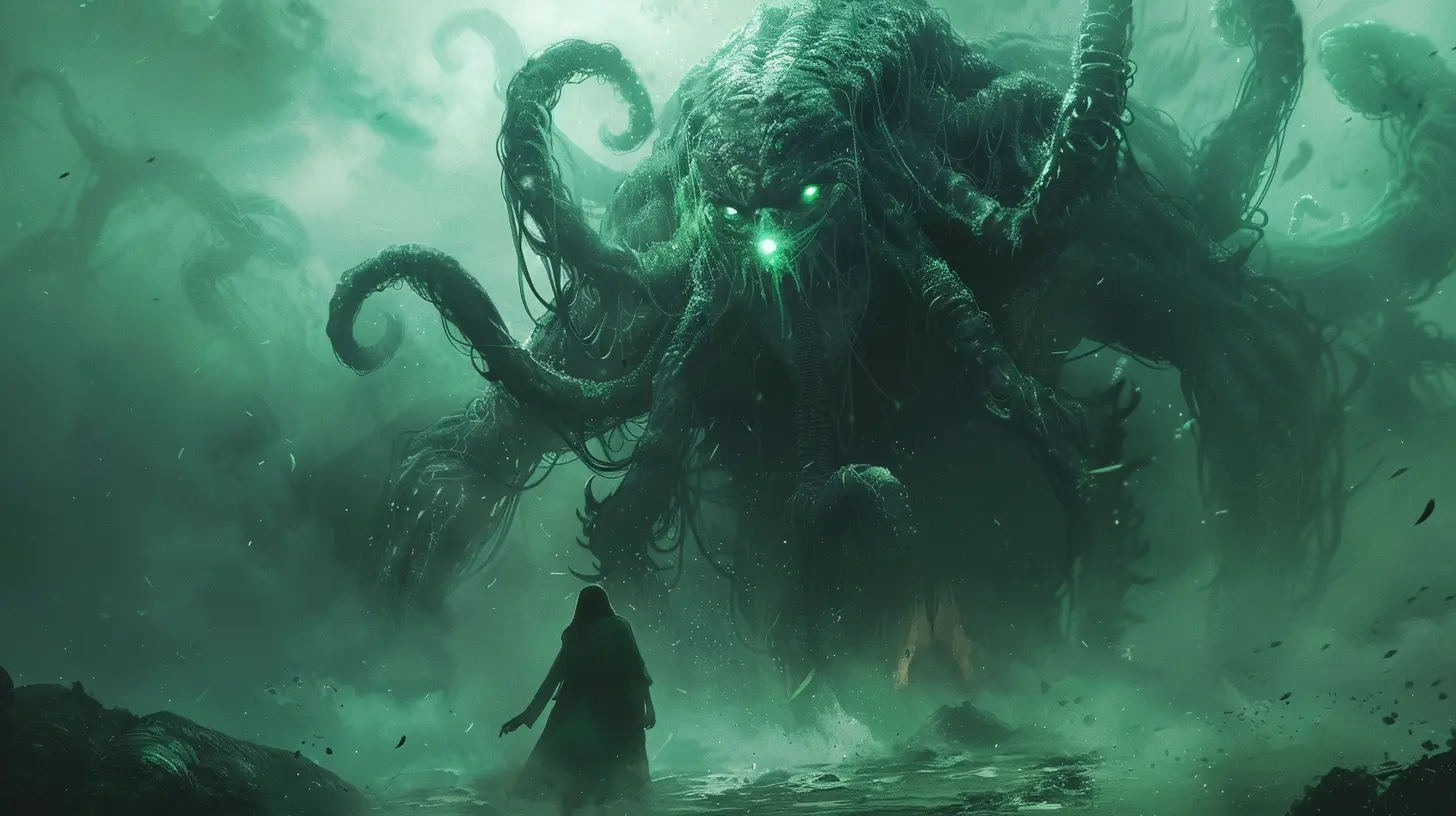
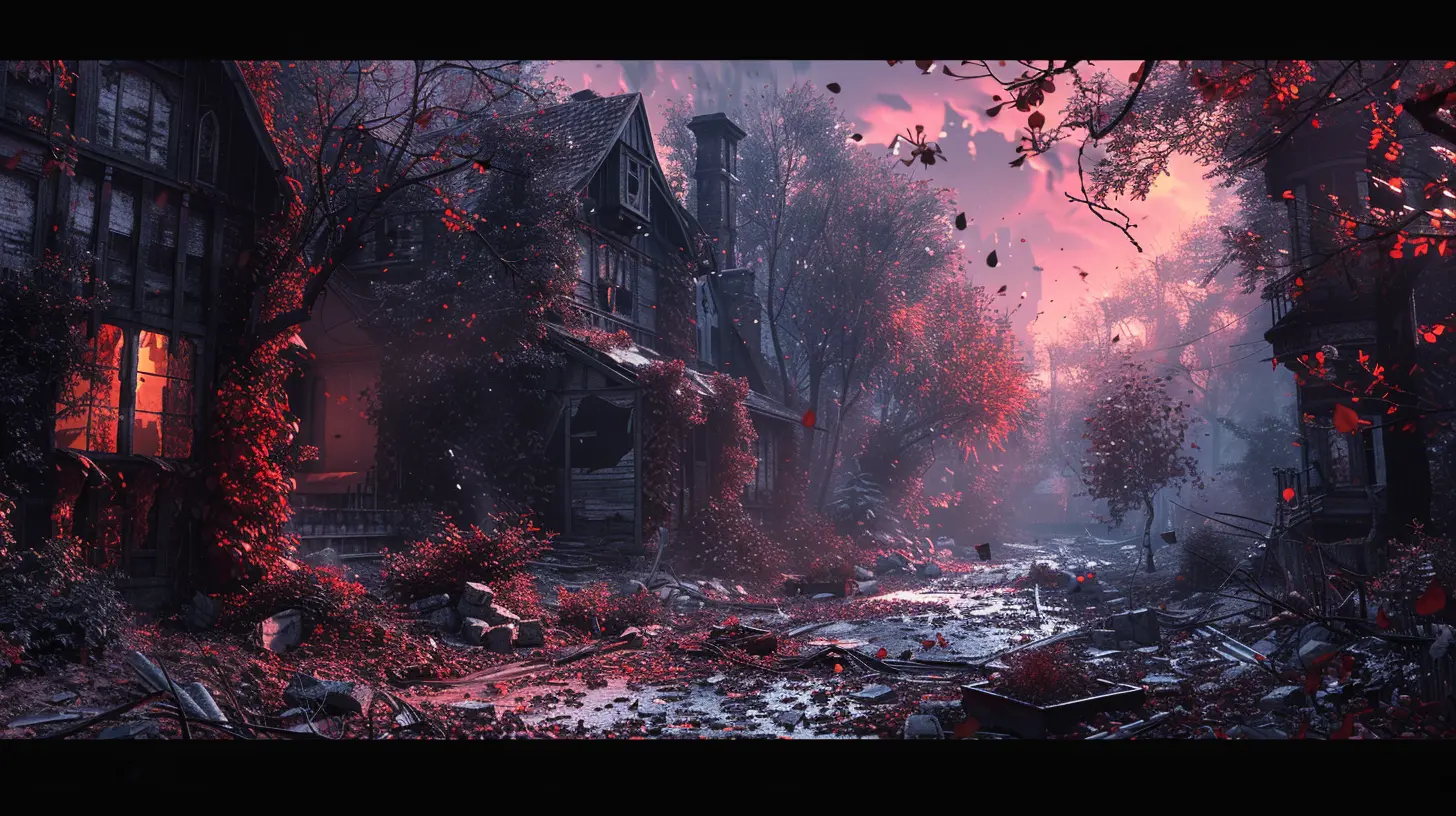
all images in this post were generated using AI tools
Category:
Game FailsAuthor:

Emery Larsen
Discussion
rate this article
2 comments
Amy Soto
Great read! It's frustrating when updates intended to enhance the game end up causing more problems. Developers need to strike a balance between fixing issues and maintaining what players love. Hopefully, they'll listen to feedback and make improvements that truly benefit the community. Looking forward to seeing how this unfolds!
May 16, 2026 at 2:56 AM
Emery Larsen
I appreciate your thoughts! It's definitely a tough balance to strike. Let's hope the developers take the feedback to heart for the benefit of everyone.
Aelith Cooper
Game updates should enhance the experience, not ruin it. Developers need to remember that every change impacts the player's journey. When a patch introduces more bugs than fixes, it feels like a betrayal. Players deserve better than half-baked updates that complicate what should be enjoyable. Fix it or don't bother.
May 10, 2026 at 4:48 AM
Emery Larsen
I completely agree. Updates should improve the game, not frustrate players. It's disappointing when changes create more issues than solutions. Developers need to prioritize a smooth experience.