When Marketing Hype Becomes the Enemy
14 March 2026
We've all seen it. That adrenaline-pumping trailer drops out of nowhere, the internet explodes with theories and expectations, and before you know it, a game becomes the next big thing—before it even launches. But what if I told you that this very excitement can turn into a double-edged sword?
Yep, we’re going there. Let’s talk about how marketing hype sometimes goes off the rails and becomes the very thing that kills a game's reputation, trust, and player base. Buckle up because it’s going to get real.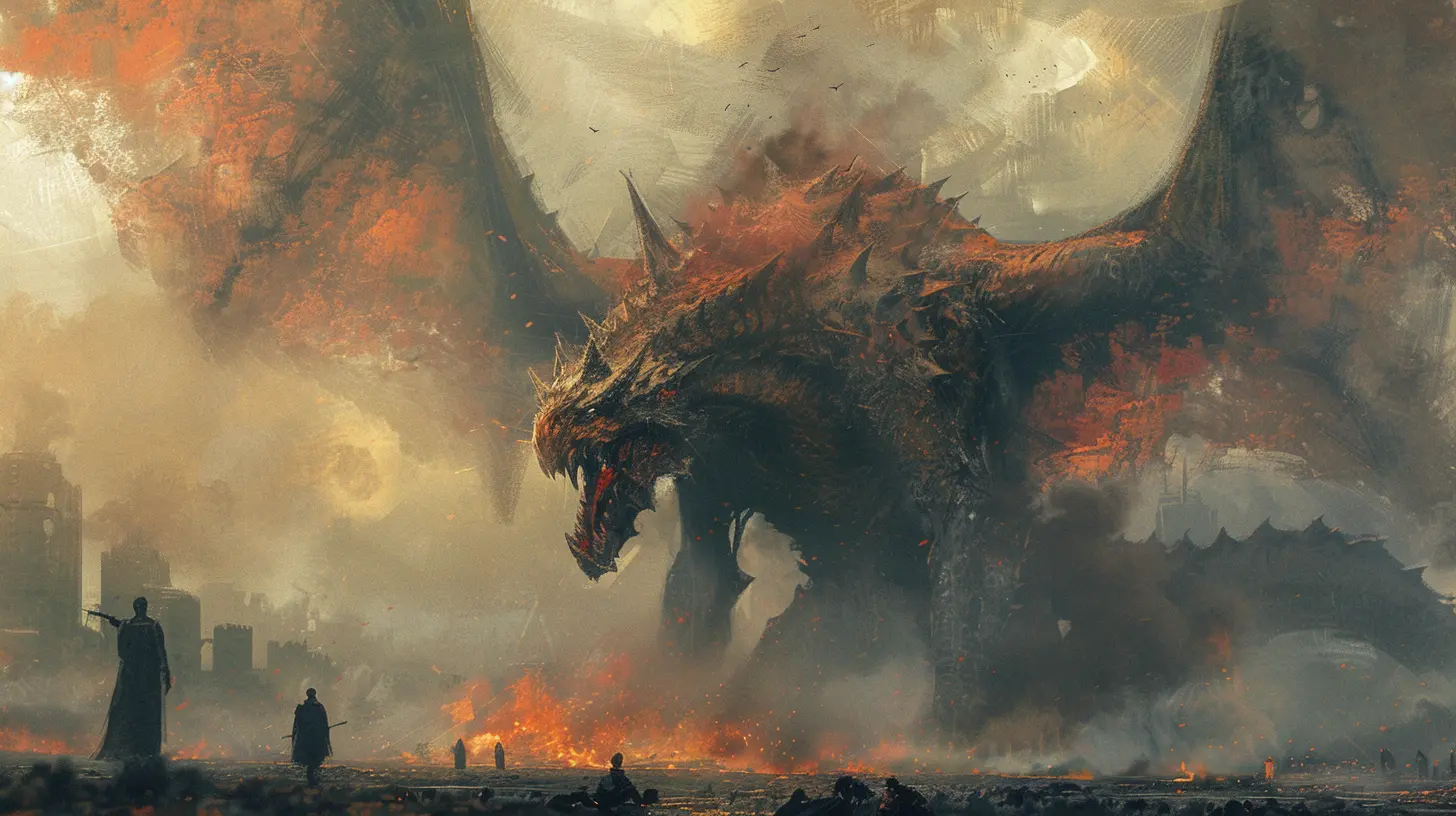
The Allure of the Hype Train
Hype is powerful. It's that feeling when a new game trailer hits and you're suddenly seven years old again, about to unwrap your first console.Developers and publishers use hype to create buzz, build anticipation, and most importantly—drive pre-orders. It’s not just about trailers either. We're talking influencer previews, social media teasers, exclusive first-looks, and high-profile showcases at events like E3 or Summer Game Fest.
This pre-launch momentum can be a game-changer (pun intended). When done right, it leads to massive day-one sales and a thriving community ready to dive in.
But, like all powerful tools, hype has a dark side when mishandled.
When Hype Outruns Reality
Let’s be honest—there's a line between marketing a game and overselling it. And that line? It gets crossed far too often. Many games are marketed like they’ll change the industry forever, only to land with a thud when players discover the reality doesn’t match the fantasy.Why does this happen?
1. Overpromising and Under-Delivering
This is the classic trap. A studio shows off ambitious features, sprawling worlds, and game-changing mechanics. Then launch day rolls around and… half of that stuff doesn’t exist, or it’s been scaled back so much it barely resembles the original concept.Let’s not pretend we haven’t seen this before.
Think of games like _Anthem_, _No Man’s Sky_ (at launch), and yes, even the notorious _Cyberpunk 2077_. These games had trailers that promised the moon and back. But when players got their hands on them, reality came crashing down.
Now, to be fair, some of these titles improved with post-launch updates. But the damage to trust? That’s a scar that doesn’t fade easily.
2. Cinematic Trailers vs. Real Gameplay
Oh boy, this is a big one. How many times have you seen a jaw-dropping trailer at a game show only to realize later it was all pre-rendered?Yeah, same.
When marketing leans heavily on cinematics that don’t reflect actual gameplay, it sets false expectations. Sure, it looks great in the moment, but players feel cheated afterward. It’s like buying a burger that looks like a juicy, five-star meal in the ad, but shows up looking like someone sat on it.
3. Influencer and Streamer Exclusivity
Ever noticed that early previews from streamers or influencers are overwhelmingly positive? That’s often because they’re given access to curated, controlled demos—sometimes with developer guidance, zero bugs, and a polished vertical slice of the game.This isn't inherently bad, but if the full game doesn’t measure up to those previews, players feel duped. And when the streamer hype fades and the full game hits the shelves, the backlash is swift and brutal.
The Fallout of Failed Hype
Here's the reality: When the hype bubble bursts, the consequences are brutal.1. Lost Trust
Trust is everything in gaming communities. When a dev or publisher breaks that trust, it’s not easily won back. Players remember. Gamers are passionate, vocal, and have very long memories.We’ve seen boycotts, tanked Metacritic scores, and entire Reddit threads dedicated to dragging misled launches.
2. Refund Tsunamis
A hyped game that fails to deliver often sees a flood of refund requests. Just look at what happened with _Cyberpunk 2077_. Sony even pulled the game from the PlayStation Store temporarily after its disastrous launch. That’s unheard of.When hype misleads, it doesn’t just impact reputation—it hits the bottom line hard.
3. Burnout and Disillusionment
Players who get burned by massive hype may start tuning out future announcements. That’s bad news for devs who are genuinely passionate and working hard. It creates a “liar’s tax,” where even honest trailers get met with suspicion.
Why Marketers Do It Anyway
You might be thinking, “Why do studios take this risk?” Short answer? The hype works—until it doesn't.Massive anticipation can drive millions in pre-orders and day-one sales. Even if the game stumbles later, those early numbers look great on investor reports. In a world where funding and survival often depend on short-term performance, it’s easy to see why publishers lean into hype-heavy strategies.
But it’s a short-sighted game. Reputation matters long-term.
Is There an Ethical Way to Build Hype?
Absolutely. And some studios are already doing it right.Let’s look at a few positive examples:
1. Transparent Development
Games like _Baldur’s Gate 3_ and _Hades_ used Early Access not just as a development tool but as a transparency model. Players knew what they were getting from a very early stage and helped shape the final product.When the full games launched, expectations were realistic—and satisfaction was high.
2. "Show, Don’t Tell"
Some devs skip the flashy cinematic trailers and instead focus on raw, uncut gameplay. Think of titles like _Elden Ring_ or _Tunic_. Their trailers showed what you’d actually be doing in the game, not just what they wanted you to "feel."3. Honest Timelines
Games that take delays seriously and communicate openly tend to fare better. Nintendo is a master of this. They’ll delay a game if it’s not ready—and fans usually respect that. Why? Because they’ve built decades of trust.What Gamers Can Do About It
We can’t talk about hype toxicity without looking in the mirror as players.Yes, devs and marketers have responsibilities—but gamers fuel this cycle too. We dissect trailers frame by frame, build elaborate theories, and sometimes inflate expectations beyond what the developers ever promised.
So, here’s the deal:
🎮 Stay skeptical.
🎮 Support games that respect your time and money.
🎮 Wait for reviews before buying.
🎮 Don’t feed the beast unless it’s earned your hype.
Final Thoughts: Let's Keep It Real
At the end of the day, there’s nothing wrong with getting excited about a new game. That thrill is part of what makes gaming awesome. But when marketing turns into manipulation, it doesn’t just ruin launches—it hurts the whole industry.The hype machine isn’t going away anytime soon, but maybe, just maybe, we can steer it in a better direction.
Let’s celebrate games for what they are, not what marketers want us to believe they could be.
all images in this post were generated using AI tools
Category:
Game FailsAuthor:

Emery Larsen
Discussion
rate this article
2 comments
Tobias Harmon
Truth over hype, always.
March 16, 2026 at 3:52 PM
Emery Larsen
Absolutely! Authenticity builds trust and lasting relationships.
Shelby Bass
Hype clouds judgment; true enjoyment lies in authentic, genuine gameplay experiences.
March 15, 2026 at 5:42 PM
Emery Larsen
Absolutely agree. Genuine experiences often get overshadowed by hype, leading to missed opportunities for real enjoyment.