Why Expansion Packs Are Different from Typical DLC
16 December 2025
The gaming world is no stranger to downloadable content (DLC) and expansion packs. These terms are often tossed around interchangeably, yet they represent two entirely different beasts. If you're a gamer—or even just mildly interested in gaming—you've probably wondered: what really separates expansion packs from your standard DLC? Why do some feel like a full-course meal while others are more like appetizers? Well, let me break it down for you.
In this article, we’re going to explore everything that makes expansion packs and typical DLC stand apart from each other. By the end, you’ll not only know the difference but also have a newfound appreciation for what these two forms of content bring to the table.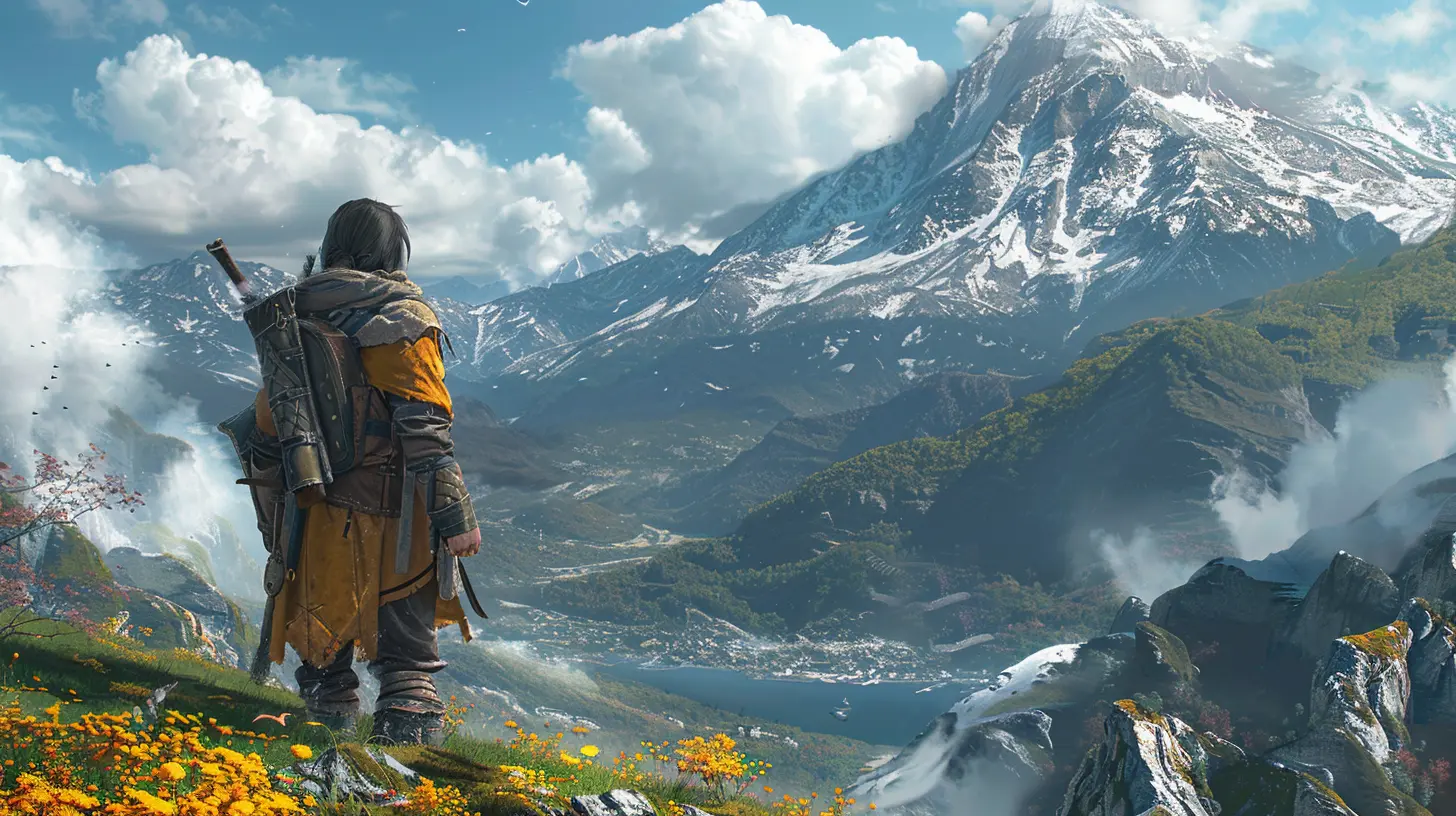
What Exactly Is DLC?
Let’s start with the basics. DLC, short for "downloadable content," is any additional content created for an existing game that can be downloaded by players. This can include anything from extra costumes and weapons to entirely new levels or mini-stories.Think of DLC like adding toppings to a pizza—you’re not changing the entire pizza, just enhancing it in a small way. Most DLC is often bite-sized: quick to develop, easy to integrate, and usually cheaper for both developers and players.
The Many Forms of DLC
To really understand how DLC works, it helps to know the different forms it can take:1. Cosmetic Items
Skins, outfits, or weapon designs. They're purely for aesthetics and usually have no impact on gameplay. Fortnite, for instance, built an empire on selling dances and costumes.
2. Micro-Level Additions
New weapons, abilities, or minor gameplay tweaks. These are usually added to enhance the player's experience without drastically altering the game’s story or mechanics.
3. Standalone Missions or Levels
Some DLC packs introduce extra missions or levels to the base game. However, they’re typically short and don’t carry the same weight or content as a full expansion.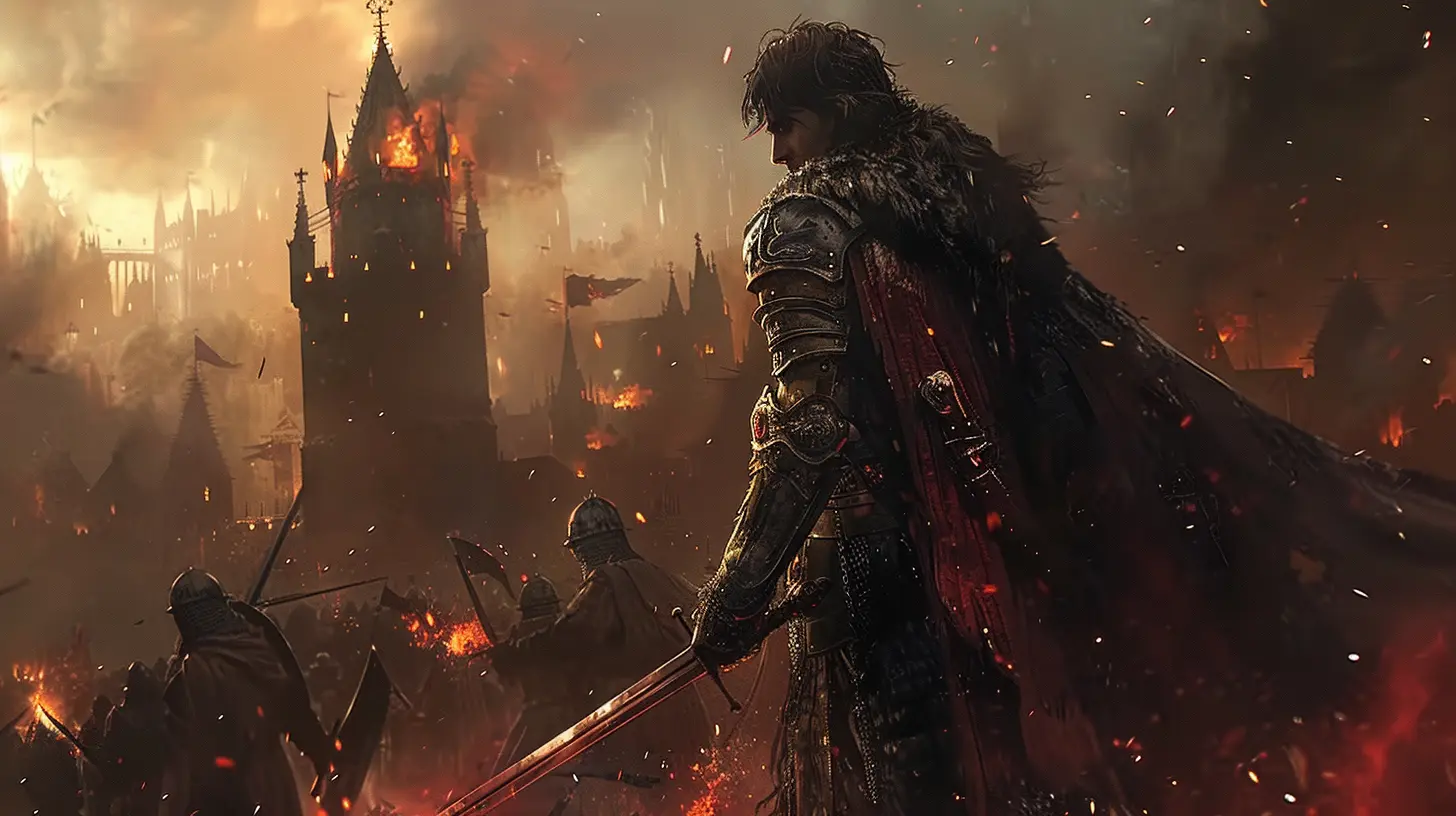
What Are Expansion Packs, Then?
Now here’s where things get spicy. Expansion packs are larger, more ambitious pieces of content designed to extend the life of a game. If DLC is like getting an extra topping on your pizza, an expansion pack is like getting an entirely new pizza with unique ingredients.Expansion packs often take the core essence of a game and amplify it, adding hours (or even dozens of hours) of gameplay, new storylines, maps, characters, and mechanics. These aren’t just side dishes—they’re like a whole second meal.
The Breadth of Expansion Packs
The beauty of expansion packs lies in their scale. They often feel like a new chapter in the journey, sometimes even overhauling the game itself. Here’s what makes expansion packs stand out:1. Significant Story Additions
Expansion packs are usually narrative-driven, offering storylines that are just as rich (if not richer) than the main game. Think of The Witcher 3: Blood and Wine, which added a sprawling new map, dozens of side quests, and a gripping story arc that felt as good as the base game.
2. New Gameplay Features
Expansion packs often introduce fresh mechanics, abilities, or systems. In World of Warcraft expansions, for example, we often see new classes, races, and even entire continents added to the game.
3. Massive Maps or Game Areas
Expansion packs don’t shy away from dropping players into new worlds. Take The Elder Scrolls IV: Shivering Isles—it didn’t just add new quests, but an entirely new map for players to explore.
4. Better Value for Money
Let’s be honest, some DLC tends to leave you feeling a bit shortchanged. You pay $5 or $10 for an hour of additional gameplay or a couple of new weapons. Expansion packs, though, are usually more expensive—but they often deliver an experience rivaling a standalone game.
Key Differences Between Expansion Packs and DLC
Now that we’ve laid the groundwork, let’s really dig into what makes expansion packs and typical DLC different. Here’s a side-by-side breakdown:| Aspect | DLC | Expansion Pack |
|---------------------------|----------------------------------------------|-------------------------------------------|
| Scope | Small, bite-sized content | Large-scale additions that can redefine the game |
| Cost | Usually cheaper ($2–$20) | More expensive ($20–$40) |
| Content Focus | Minor enhancements or side missions | New storylines, maps, and features |
| Impact on Gameplay | Marginal tweaks | Major changes and additions |
| Replayability | Limited; often one-and-done | High; offers hours of additional gameplay |
Why Expansion Packs Feel More Rewarding
Let’s be real—when you buy something, you want it to feel worth it. Expansion packs have a unique way of delivering that satisfaction. Why? Because they’re loaded with substance. They allow you to sink your teeth into new adventures and dive deeper into the worlds you already love.With typical DLC, it can sometimes feel like developers are giving you crumbs—a few extra items here, a side quest there. But expansion packs? They're like finding out there’s a secret second act to a play you thought was over. They add depth and longevity, breathing fresh life into a game.
How Developers Use DLC and Expansion Packs Differently
From a developer’s standpoint, DLC and expansion packs serve different purposes:1. DLC as a Quick Revenue Stream
DLC is faster to produce and serves as a way to keep the game relevant. It’s perfect for maintaining engagement without requiring major development time.
2. Expansion Packs for Building Hype
Expansion packs, on the other hand, are long-term investments. They require more time, money, and effort to produce but can massively boost a game’s popularity and sales. Remember when The Sims 4 released the Seasons expansion? That wasn’t just new content—it was an event.
Do Gamers Prefer Expansion Packs Over DLC?
This is a tricky question because it all boils down to preferences. For casual players, typical DLC might be enough—they don’t want to spend hours on end exploring a whole new map. But for more hardcore players, expansion packs are the holy grail.It also depends on the type of game. Single-player titles like Skyrim thrive on expansion packs that offer new stories and maps. Games-as-a-service titles like Call of Duty: Warzone, however, lean towards DLC with cosmetic items to keep the multiplayer community invested.
The Future of Gaming Content
Here’s the kicker—gaming content is evolving. The lines between DLC and expansion packs are starting to blur. Some developers are moving away from traditional expansion packs altogether, instead opting for live-service models. This means constant updates, smaller DLC drops, and seasonal passes.That said, the demand for high-quality story-driven expansions isn’t going anywhere. With games like Cyberpunk 2077’s Phantom Liberty on the horizon, it’s clear that expansion packs still hold a special place in the gaming industry.
Conclusion
At the end of the day, expansion packs and typical DLC both have their place in gaming. Whether you prefer a quick burst of content or a deep, immersive experience, there’s something for everyone. But let’s be honest—there’s just something magical about expansion packs. They’re like love letters to gamers, reminding us why we fell in love with a title in the first place.So, the next time you’re debating whether to buy a piece of DLC or an expansion, think about what you’re really craving: a snack or a feast?
all images in this post were generated using AI tools
Category:
Downloadable ContentAuthor:

Emery Larsen
Discussion
rate this article
2 comments
Ximena Phillips
Expansion packs significantly enhance gameplay by adding substantial content, new features, and extended narratives, unlike typical DLC, which often provides smaller, incremental updates or cosmetic items. They fundamentally alter the gaming experience.
December 19, 2025 at 5:25 PM
Emery Larsen
Thank you for your insight! Expansion packs do indeed transform gameplay by introducing rich content and new narratives, setting them apart from traditional DLC.
Atlas Ward
Expansion packs enrich gameplay with significant content additions, offering a deeper experience. Unlike typical DLC, they transform the game world, inviting exploration and renewed engagement.
December 19, 2025 at 5:24 AM
Emery Larsen
Thank you for your insightful comment! Absolutely, expansion packs indeed provide a more immersive experience, fundamentally enhancing the game's world and inviting players to explore more deeply.