Why Open Worlds Can Sometimes Be a Bad Idea
26 May 2026
Open-world games have become a hallmark of modern gaming. The sheer scope, the promise of boundless exploration, and the ability to chart your own path often feels like a dream come true for gamers. Titles like The Witcher 3, Skyrim, and Breath of the Wild have shown us just how immersive and expansive digital worlds can be.
But here’s the plot twist—not every open-world game knocks it out of the park. In fact, open worlds can sometimes do more harm than good. Sounds controversial? Maybe. But hear me out. While they offer freedom, they often come at a cost. Let’s dive into why open worlds can sometimes be a bad idea.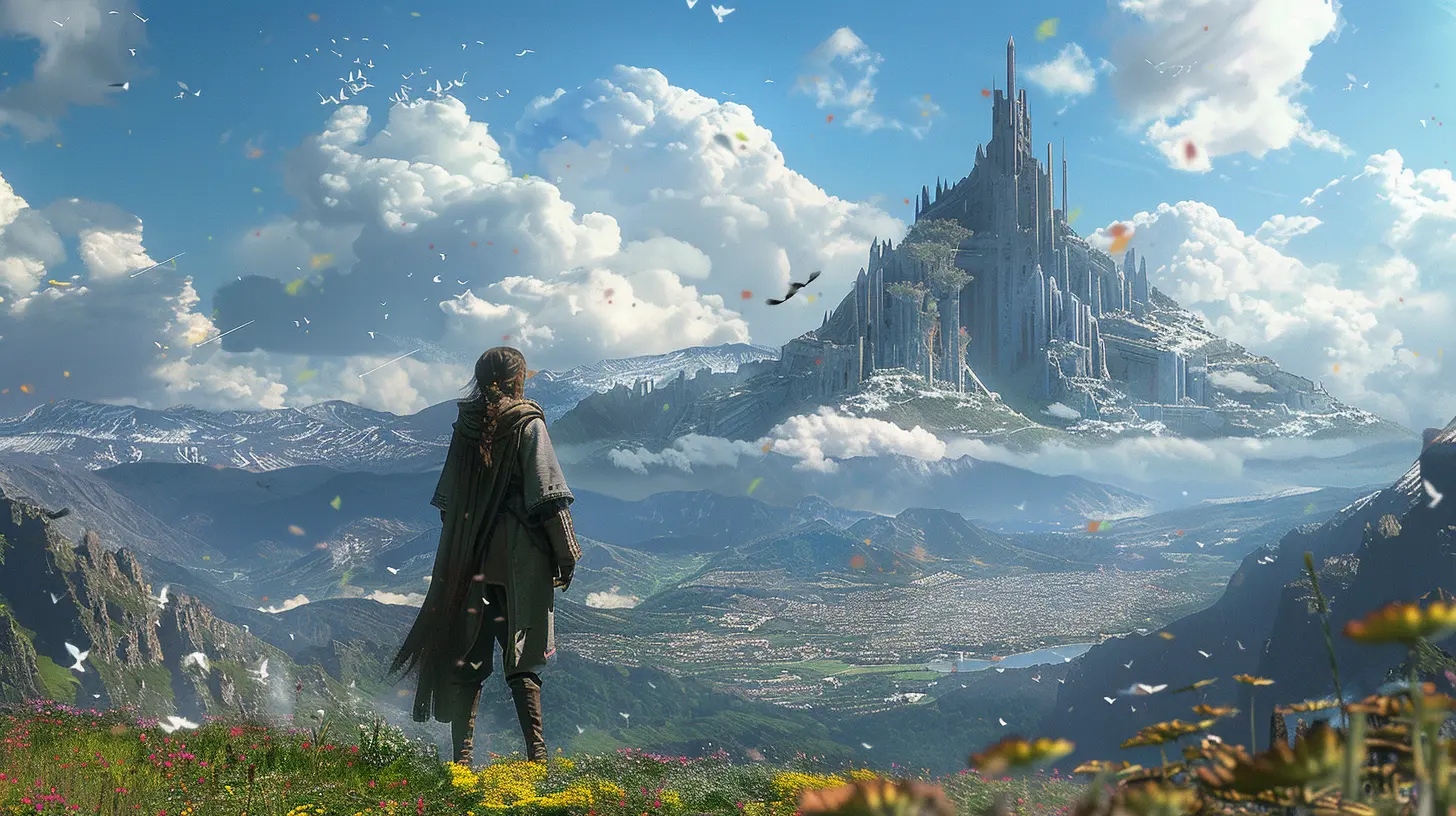
The Illusion of Freedom
At first glance, open-world games preach freedom. Go anywhere, do anything, follow your own path—what’s not to love? But scratch the surface a little, and you’ll often find that this freedom is more illusion than reality.Too Much Choice Can Be Overwhelming
Ever booted up a new open-world game and been bombarded with icons, side quests, collectibles, and random events? It’s like walking into a grocery store and being handed a list of 500 optional items. Where do you even begin?Gamers often face "choice paralysis"—too many options leading to inaction. Instead of feeling liberated, you're stuck analyzing map markers like you're planning a military operation.
Open, But Empty
Some open worlds feel vast but strangely lifeless. A sprawling map means nothing if it’s just empty forests, repetitive towns, or copy-paste dungeons. The size of the world should be filled with meaningful content, not just landmass for the sake of it.Remember roaming endlessly in a game only to realize you’re doing menial fetch quests in slightly different biomes? Yeah, that’s when the "freedom" starts to feel like busywork instead.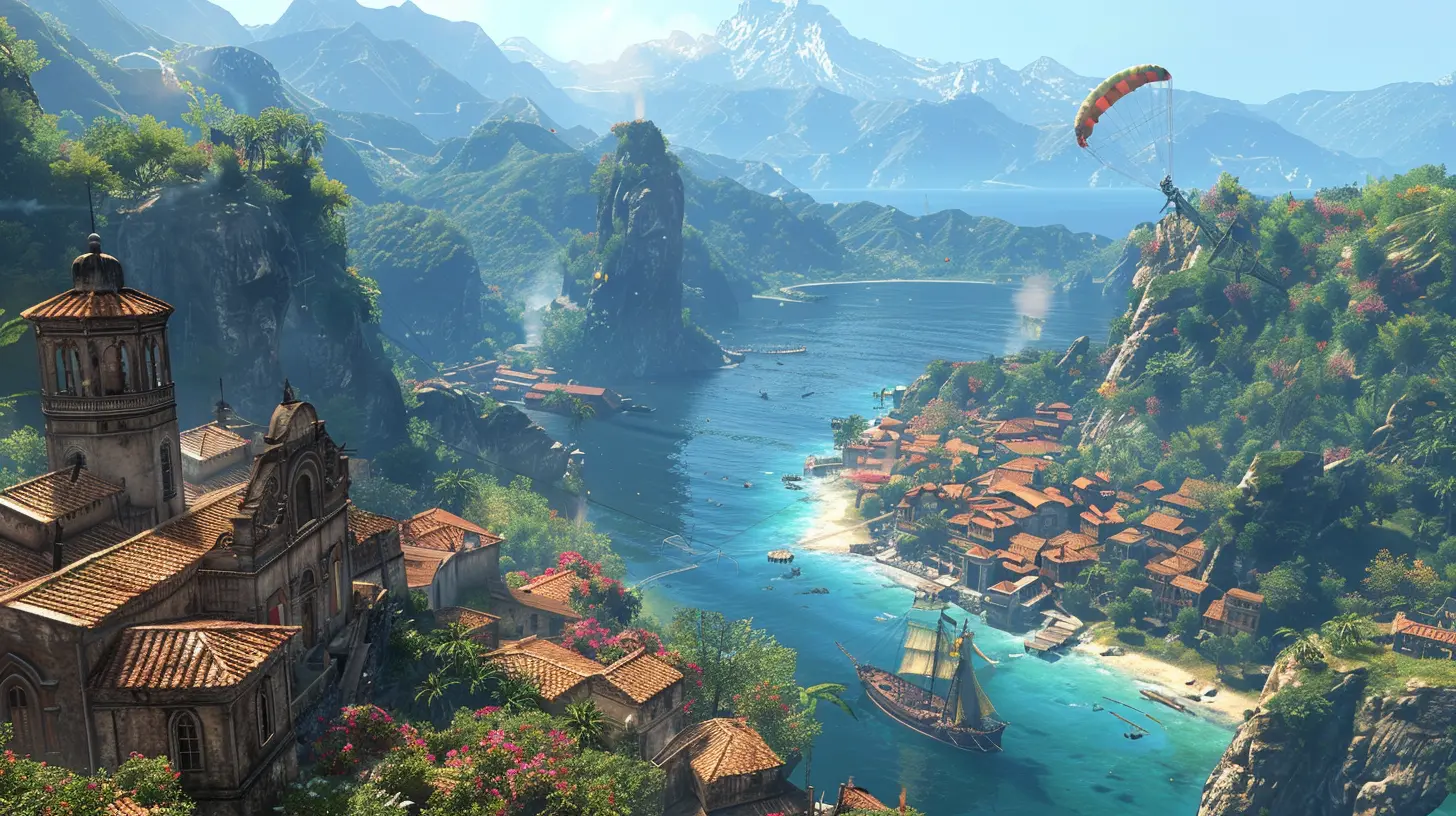
Pacing Problems: A Story’s Worst Enemy
A tightly crafted story needs pacing. It needs buildup, climax, and resolution. But when you throw that narrative into a huge open world, things often fall apart.Narrative Gets Derailed
Say you're on an urgent mission to save your dying friend. But wait, there’s a fishing mini-game nearby! And a treasure chest just over that ridge! Before you know it, three in-game weeks passed, you're now the master of cooking, but your friend? Probably still dying.Open worlds tend to dilute dramatic urgency. Instead of staying in the moment, you're constantly pulled in different directions. The narrative becomes fragmented, and the emotional investment gets tossed out the window.
Inconsistency in Storytelling
Linear games like The Last of Us or God of War keep you absorbed because the story is tight and controlled. Open worlds, on the other hand, let players wander off-track, creating gaps in emotional continuity.You come back to the main quest after 20 hours of side content, and suddenly, you’ve forgotten who the villain is or why you're even angry at them.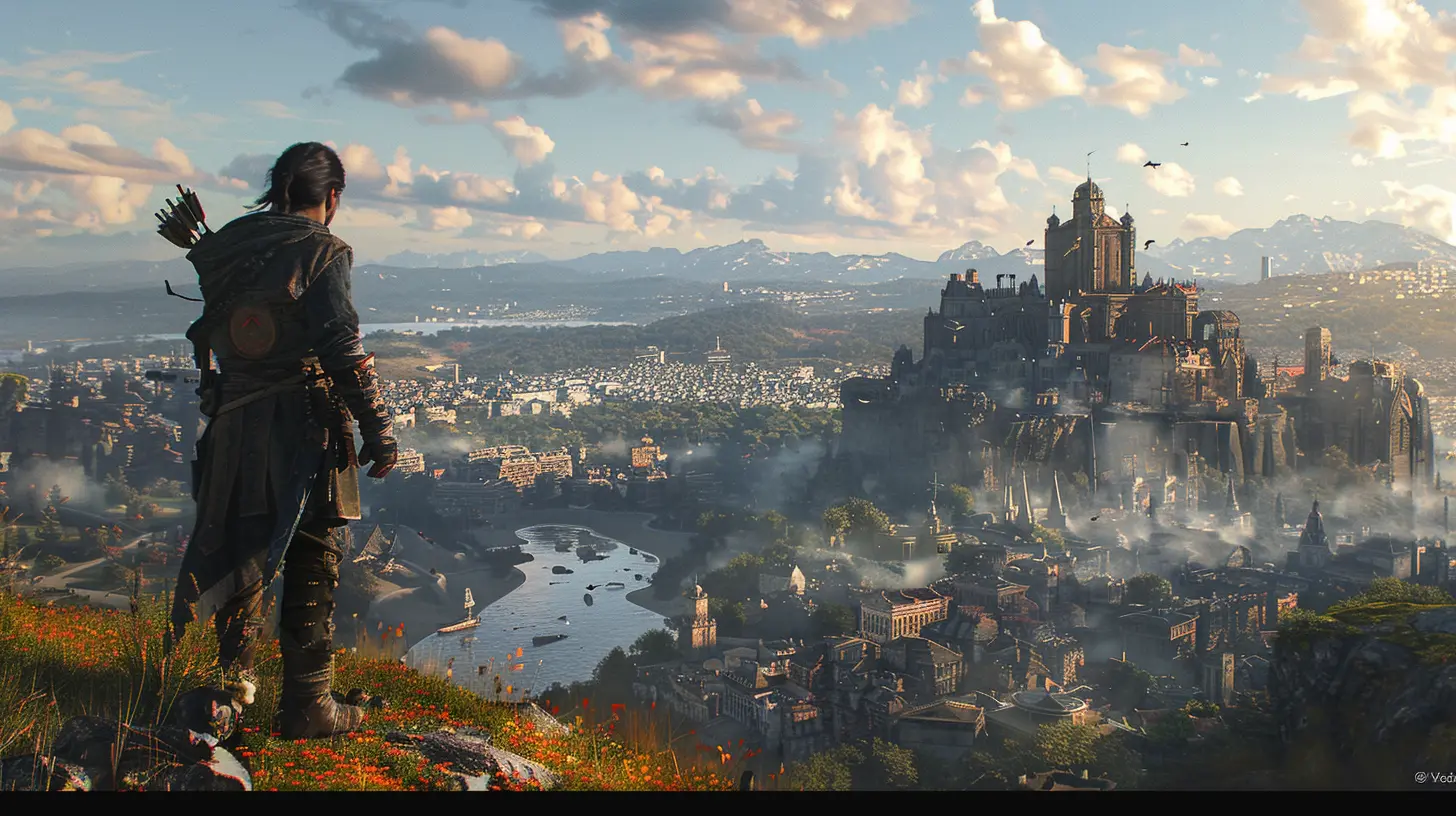
Not Every Game Needs an Open World
This one’s important: Open-world design isn’t a magic formula for success. Just because it worked for one franchise doesn’t mean it’s the right fit for all.Forced Open Worlds Feel Hollow
When developers stretch a game concept into an open-world format just because it’s "in trend," the results can be painful. It feels forced. The content becomes generic, the mechanics diluted, and what could have been a punchy 10-hour experience balloons into a 60-hour slog.Remember when Metal Gear Solid went open-world? Sure, it had great mechanics, but many fans missed the tight, cinematic design of earlier titles.
Linear Designs Often Offer More Impactful Experiences
Some of the most unforgettable games are linear. Think about Uncharted 4, Resident Evil 4, or Inside. These games knew their scope, and they nailed it. Not dragging out gameplay, not cramming in side quests just to hit a 40-hour playtime mark.Linear games often deliver richer, more engaging experiences because every moment is carefully crafted, every environment tells a story, and every encounter is designed—not randomly generated.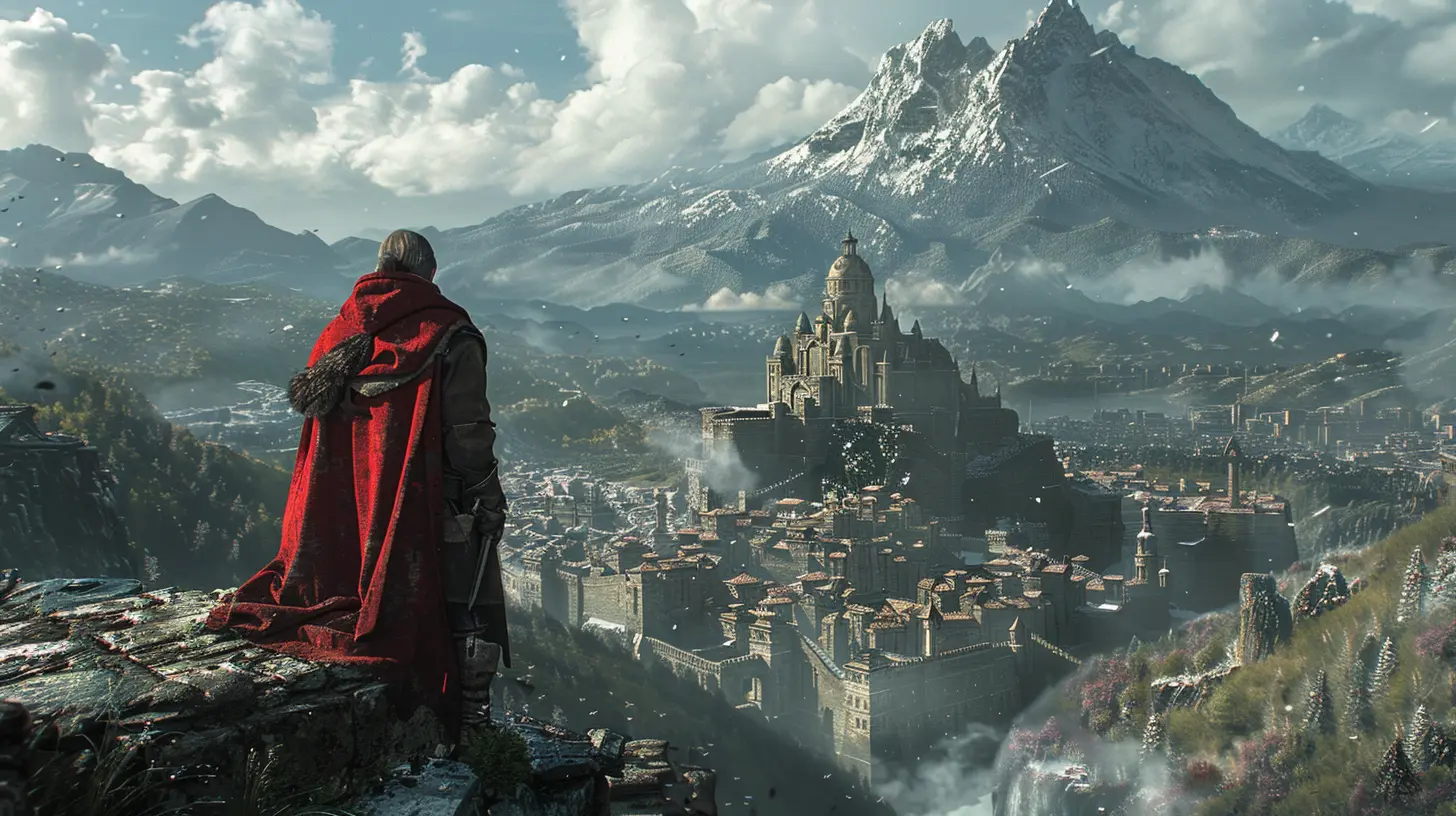
Filler Content Dilutes the Experience
Let’s be honest: not all quests are created equal. In open-world games, quantity often trumps quality.Side Quests Turn into Chores
“Help Farmer Joe find his lost chickens.” You’ve probably done this a hundred times in slightly different forms. Fetch quests, collect-a-thons, and generic enemy camps—these repetitive tasks are everywhere.It’s like ordering a gourmet burger and getting a heap of plain fries. You get full eventually, but was it satisfying?
Padding the Game Time
Dev time and money go into making these huge maps, so developers try to get players to spend as much time as possible in them. Unfortunately, this often means bloating the experience with unnecessary objectives and artificial progression.Sure, 100 hours sounds like a good deal. But how much of that is genuinely enjoyable gameplay?
Performance and Technical Limitations
Big worlds need big resources. Not every studio has the tools or budget to pull it off flawlessly.Bugs and Glitches Run Rampant
Complex systems, dynamic environments, AI behavior—open worlds are tough to optimize. That’s why so many launch with game-breaking bugs or baffling glitches.Remember Cyberpunk 2077? Enough said.
Hardware Limitations
If you’re not gaming on a high-end PC or next-gen console, open-world games can feel sluggish, with long load times, stuttering frames, and compromised visuals. It’s a reminder that bigger isn’t always better—especially if it compromises the player’s experience.Less Focus on Core Gameplay Mechanics
When a game tries to do everything, it often fails to do anything really well.Shallow Systems
You want a deep combat system? A rich leveling tree? Innovative puzzles? Sometimes open-world games spread themselves too thin, offering surface-level versions of everything instead of truly mastering one area. As they say, jack of all trades, master of none.Core Loop Disrupted
In well-designed games, your actions feed into a feedback loop that keeps you engaged. In open-world games, this loop gets broken up by long travel times, irrelevant side content, or just wandering aimlessly.It’s like watching a movie, pausing every 10 minutes to run errands.
Developer Burnout and Crunch Culture
Let’s not forget the people behind the games.Massive Scope = Massive Pressure
Building an open world isn't just about making big maps. It's about populating them, designing systems, writing lore, testing everything constantly. The workload can be astronomical.This often leads to crunch—developers working unsustainable hours, sacrificing their health to meet deadlines. All to achieve a vision that might not even improve gameplay.
The Trend Obsession: Everyone’s Doing It
The industry’s obsession with open worlds has led to a kind of genre fatigue.Saturation Breeds Boredom
When every major release starts turning into an open-world checklist simulator, the magic wears off. It stops feeling special and starts to feel formulaic.Crafting a game world used to be about telling a story. Now, it often feels like designing a sandbox just to keep players grinding.
When Open Worlds Work—and When They Don’t
Look, open worlds aren’t inherently bad. Some games pull it off brilliantly.Games like Red Dead Redemption 2, Elden Ring, and Ghost of Tsushima show what happens when the world itself tells a story, when exploration is rewarded meaningfully, and when the player’s freedom enhances rather than detracts from the experience.
But not every game needs to be an epic odyssey. Sometimes, the best adventures are the ones that know exactly where they begin, where they end, and why you’re taking the journey.
Final Thoughts
Open worlds can be awesome. They can be immersive, empowering, and downright breathtaking.But they’re not a universal solution. Sometimes they stretch a game too thin, dilute the story, disrupt pacing, or even burn out developers. It’s okay for a game to be linear. It’s okay to tell a tight, focused story without 80 side quests about lost goats.
So next time you’re roaming through yet another massive map wondering what you're supposed to do next, ask yourself: Would this game have been better tighter, shorter, and more focused?
Sometimes, less really is more.
all images in this post were generated using AI tools
Category:
Game FailsAuthor:

Emery Larsen
Discussion
rate this article
1 comments
Hawk Hernandez
This article raises interesting points about open worlds. It's fascinating how freedom can lead to both creativity and chaos in gaming.
May 28, 2026 at 2:43 PM
Emery Larsen
Thanks for your thoughts! It's true that the balance between freedom and structure can shape player experiences in unexpected ways.