Why Small Budgets Lead to Big Innovation in Indie Game Design
12 December 2025
Creating video games is no small feat. It takes passion, creativity, determination, and, let’s be honest, a fair chunk of cash. But what happens when that cash isn’t overflowing? When your budget is as tight as the last boss fight in "Dark Souls"? That’s where indie developers shine. Believe it or not, having a small budget can actually fuel creativity rather than stifle it. Indie game designers have been proving time and time again that innovation doesn’t come at the mercy of a fat wallet.
In this article, we’re going to dive into why small budgets often lead to big innovation in indie game design. From unique gameplay mechanics to unforgettable stories, indie games constantly challenge the industry norms. Buckle up, because this is about to get as interesting as a plot twist in a visual novel.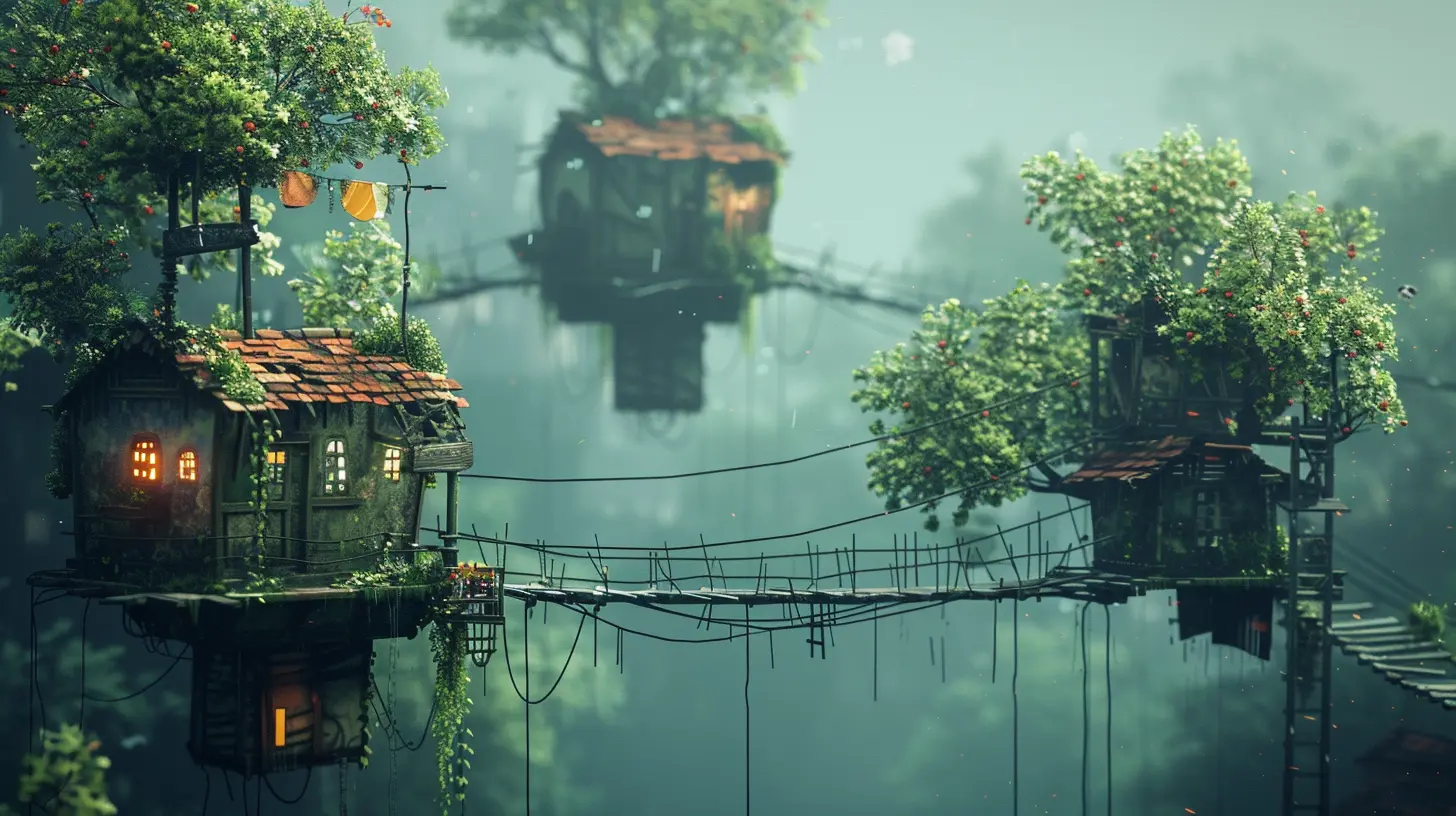
The Underdogs of Gaming: Indie Developers
Let’s kick things off by understanding indie developers. These are often small, scrappy teams (or even solo creators) working on tight budgets to bring their vision to life. Unlike massive AAA studios with bank-breaking budgets and armies of developers, indie teams don’t have the luxury of unlimited resources. But here’s the thing: they’re not tied down by corporate red tape, massive marketing agendas, or the pressure to appeal to every single gamer out there. That freedom allows them to focus on what really matters—pure, unfiltered creativity.Why Small Budgets Push Boundaries
Think of small budgets like a puzzle. The pieces are limited, so developers have to get clever about how they fit together. They have to think outside the box—heck, sometimes they have to make their own box. This limitation often forces them to prioritize what’s most important in a game, whether it’s gameplay mechanics, storytelling, or art style.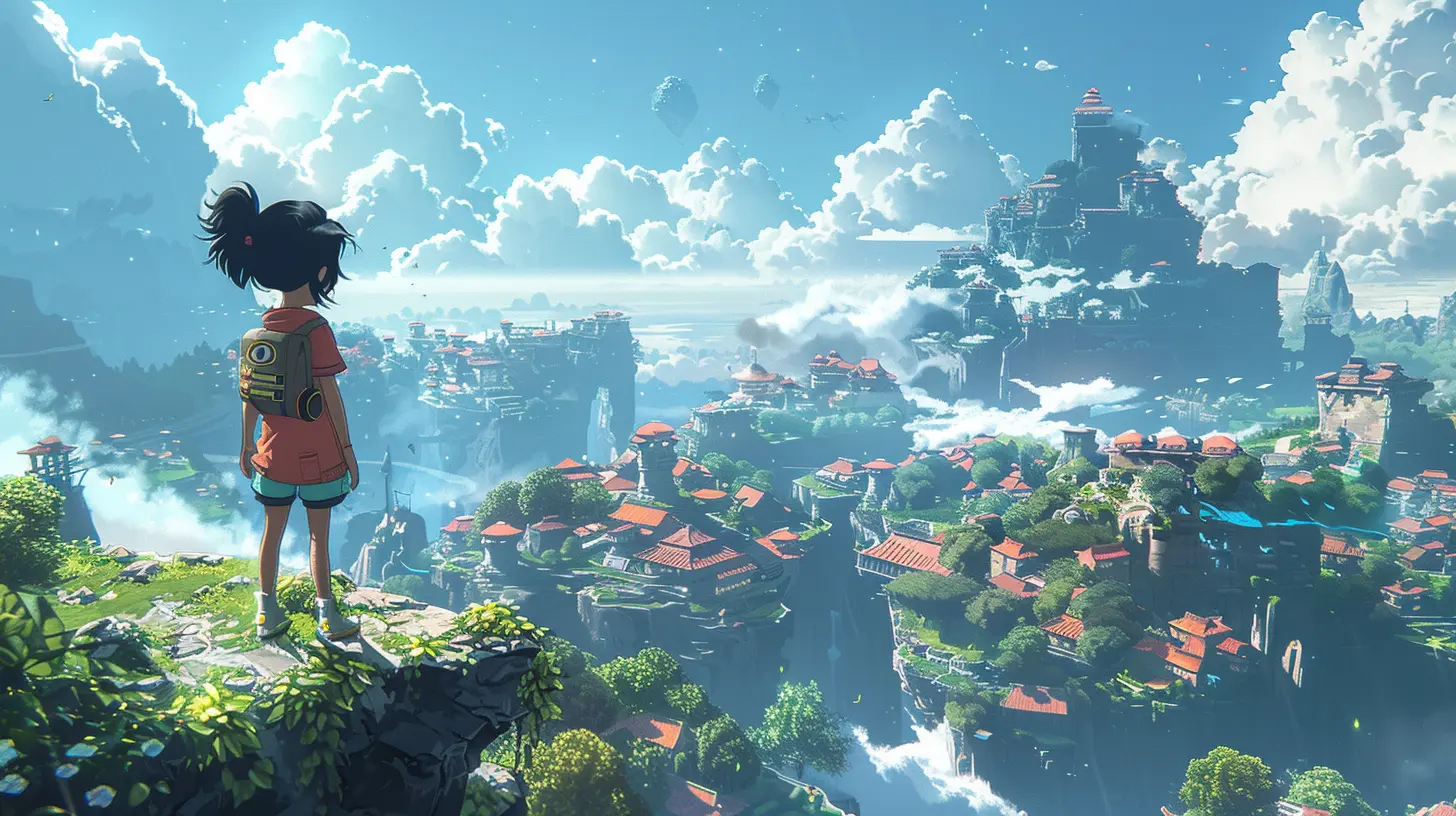
The Power of Constraints
You’ve probably heard the saying, “Necessity is the mother of invention.” This couldn’t be more true for indie game developers. When resources are scarce, constraints become the ultimate fuel for innovation.Prioritizing What Matters
Instead of spreading their efforts thin across a dozen flashy features, indie developers focus on the essentials. What makes the game fun? What sets it apart? These questions become the foundation of the project. For example, in a big studio, a producer might say, “Let’s add a giant open world, voice acting, and multiplayer!” But an indie developer might think, “We can’t afford all that, so let’s create a deeply engaging single-player experience instead.”Take "Stardew Valley", for instance. Created by one person, Eric Barone, the game didn’t have AAA-level graphics or groundbreaking technology. But it nailed the gameplay loop and created an emotional connection with players. That’s what matters in the end.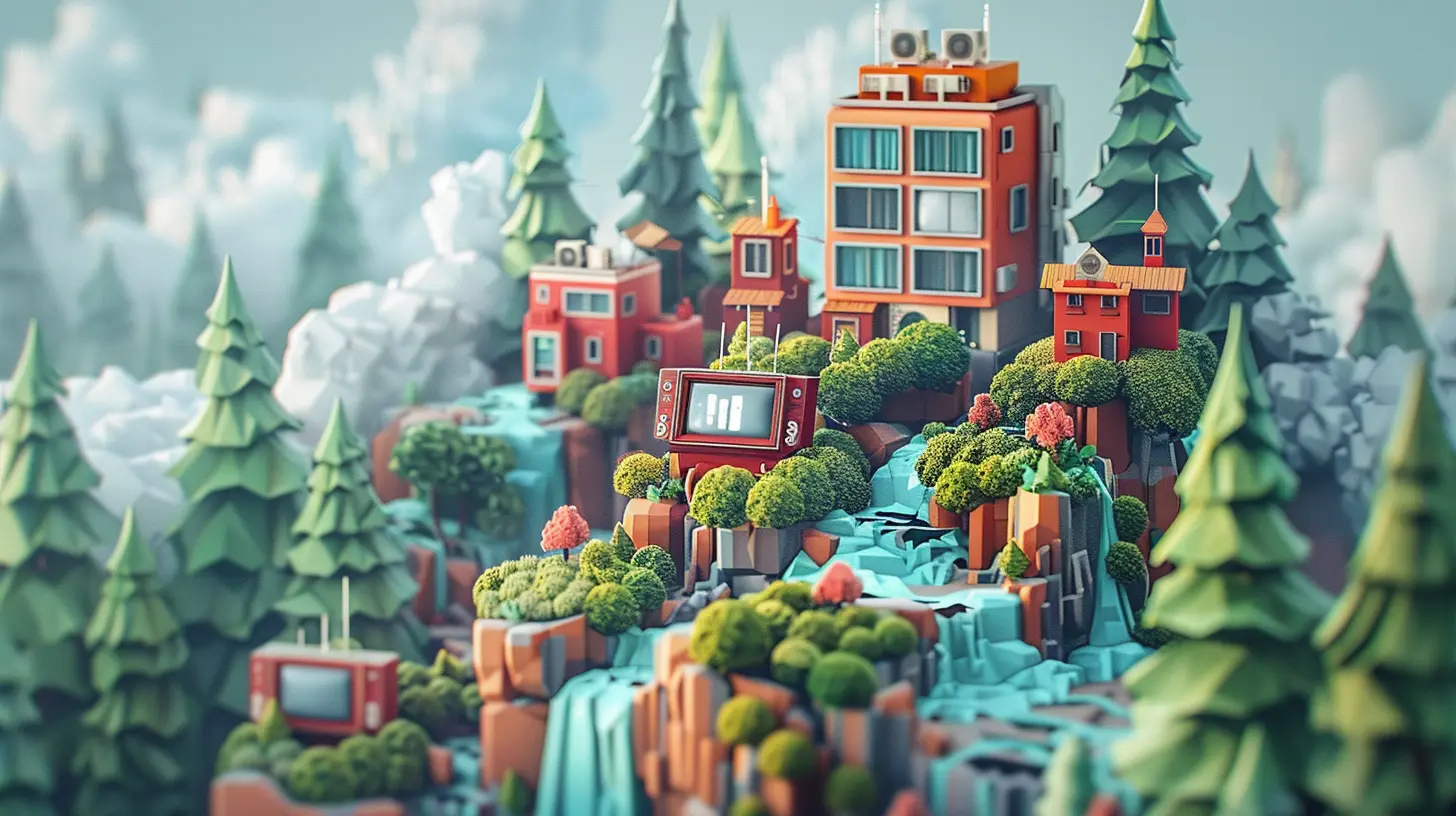
Creativity Over Graphical Fidelity
When you don’t have the budget for photorealistic graphics or Hollywood-tier cinematics, you learn to lean on creativity in other areas. It’s like making a gourmet meal with just a handful of ingredients—it’s all in the execution. Indie developers often embrace unique art styles or mechanics to stand out.Look at "Undertale", which uses simple pixel art but tells one of the most memorable stories in gaming history. The combat system is unconventional, blending bullet-hell mechanics with decision-making that impacts the story. Would this game have been better with a AAA budget? Probably not. Its charm lies in its simplicity.
Or how about "Celeste"? It’s a straightforward platformer with pixel art, but its heartfelt story about mental health and its tight gameplay mechanics made it a hit. You don’t need a 4K resolution to make players feel something.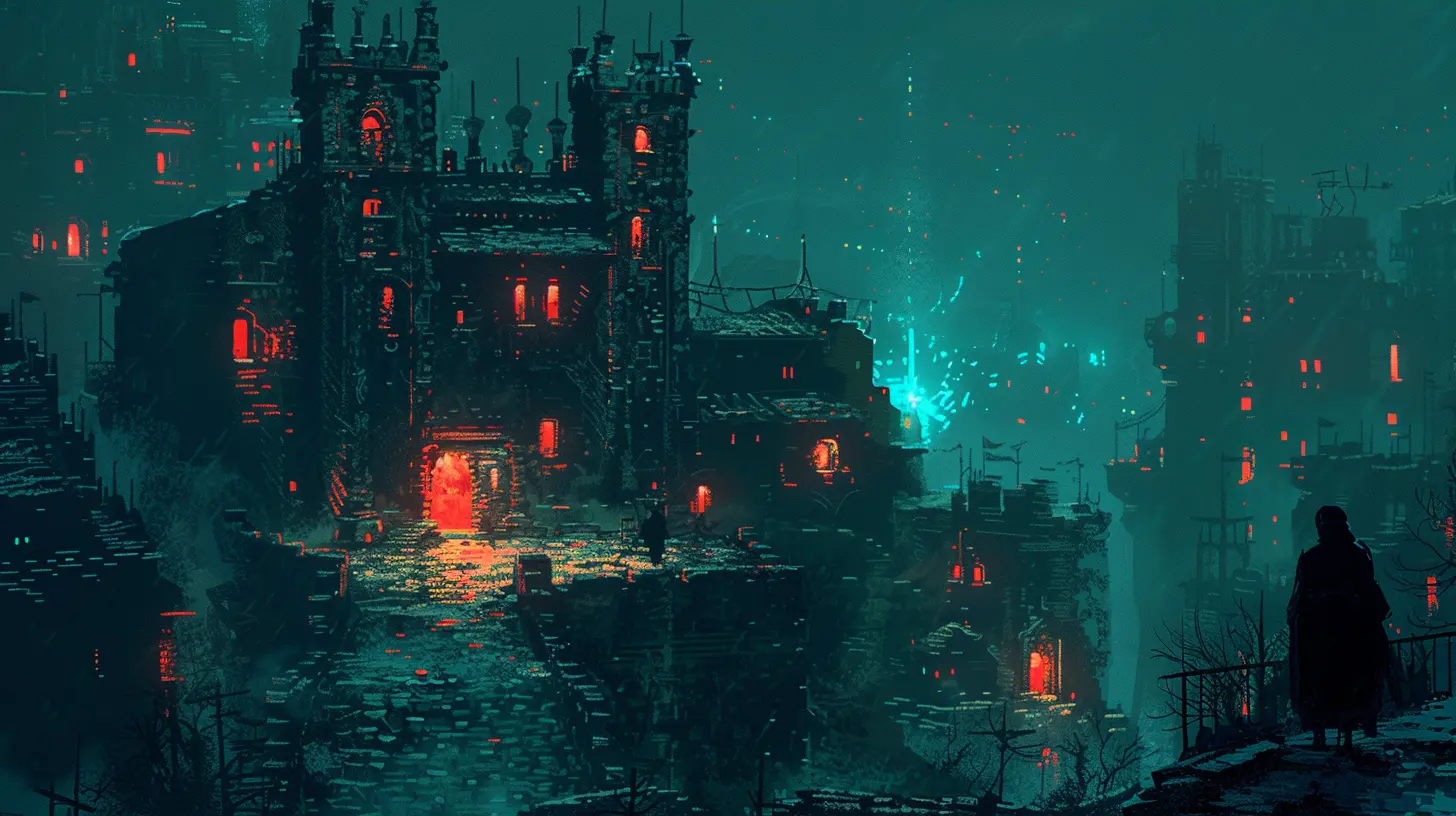
Risk-Taking: The Indie Advantage
When you’re not pouring millions of dollars into a game, you can afford to take risks. Big studios often play it safe because, let’s face it, they have shareholders breathing down their necks. But indie developers? They’ve got nothing to lose and everything to gain.The Rise of Experimental Gameplay
This is why we see so many genre-bending and boundary-pushing ideas in indie games. From "Baba Is You", a game that completely redefines puzzle-solving, to "Papers, Please", which turns mundane border control work into a gripping moral dilemma, indie games thrive on experimentation.Small budgets also mean indie developers can focus on niche audiences. They don’t need to sell millions of copies to make a profit, so they can create games that resonate deeply with a specific group of players. For example, dating sims, farming sims, and narrative-heavy games like "Life Is Strange" might not hit AAA sales numbers, but they carve out dedicated fanbases.
Collaboration vs. Red Tape
Big studios thrive on hierarchy, but indie developers work differently. A small team—or even a solo dev—can make decisions quickly without wading through layers of bureaucracy. This agility often results in more cohesive and polished experiences. Everyone on the team is on the same page, working towards a shared vision.Ever heard of "Hollow Knight"? Created by Team Cherry, a tiny three-person team at the time, the game became a masterpiece in the Metroidvania genre. Why? Because the team had complete creative control and streamlined collaboration.
The Indie Community: A Source of Strength
One of the coolest things about indie developers is their sense of community. They share resources, offer advice, and lift each other up. Game engines like Unity and Unreal Engine have brought professional-grade tools to indie creators, leveling the playing field.Crowdfunding platforms like Kickstarter and Patreon have also empowered indie developers to connect directly with their audience. Fans don’t just support these games—they believe in them.
Want another example? "Shovel Knight" by Yacht Club Games went from a crowdfunded dream to an indie smash hit. The team worked closely with their supporters, turning feedback into features and fostering a sense of ownership among players.
The Future of Indie Innovation
With technology becoming more accessible, indie games are only going to get more creative. Developers can now experiment with VR, AI, and procedural generation without needing the budget of a blockbuster movie. The tools may evolve, but that scrappy indie spirit isn’t going anywhere.Gaming platforms like Steam, itch.io, and even consoles like the Nintendo Switch have also made it easier than ever for indie games to reach an audience. Forget the days of having to pitch to a publisher—now, all you need is a great game and a bit of marketing savvy.
Final Thoughts: Small Budgets, Big Impact
At the end of the day, it’s not about how much money you have—it’s about how much heart you put into the game. Indie developers have mastered the art of doing more with less, proving that you don’t need millions of dollars to create something truly special. Small budgets force creativity, encourage risk-taking, and prioritize passion over profit.So the next time you’re browsing for a new game, don’t overlook the indie titles. Behind every pixelated hero or quirky mechanic is a dev (or team) who poured their soul into making something unforgettable. And that’s worth more than any AAA marketing campaign.
all images in this post were generated using AI tools
Category:
Indie GamesAuthor:

Emery Larsen
Discussion
rate this article
2 comments
Oriana Lane
Absolutely loved this article! 🎮✨ It’s amazing how small budgets can spark creativity and drive innovation in indie game design. The passion and uniqueness of these games shine through, proving that great ideas often come from constraints. Can’t wait to see what the future holds for indie developers! Keep up the great work!
December 14, 2025 at 4:33 PM
Emery Larsen
Thank you so much! I'm glad you enjoyed the article. It's truly inspiring to see how creativity thrives under constraints in the indie game scene! 🎮✨
Alisha Hurst
This article brilliantly highlights how limited resources push indie developers to think creatively. Constraints often spark unique ideas and innovative gameplay that larger studios, with all their budgets, may overlook. Innovation thrives in necessity!
December 13, 2025 at 3:42 AM
Emery Larsen
Thank you for your insightful comment! Indeed, limitations often inspire the most innovative solutions in game design.