Why Some Games Should Have Stayed in Early Access
25 June 2026
Ah, Early Access. The magical land where ideas are born, bugs run wild, and hope springs eternal. It’s like a bustling farmer’s market of video games—full of weird prototypes, half-finished dreams, and the occasional hidden gem. But then… some of those games decide they’re ready to “release.” Yeah, right. They slap on a version 1.0 label, double the price, and suddenly pretend they’ve got their act together. Spoiler alert: they don’t.
And that’s why we're here today, folks. To lovingly drag those brave (or delusional) titles that really should've kept marinating in the Early Access crockpot. Because let's face it—some games just aren't ready for the big leagues, no matter how many patches you throw at them.
What Even Is Early Access, Anyway?
For the three people still living under a Wi-Fi-less rock, Early Access is a development model where players can buy and play a game while it’s still being tinkered with. You’re basically paying to be a beta tester with no NDA. It’s like adopting a puppy that still chews furniture and pees wherever it likes—except the puppy costs $30 and runs at 12 FPS.The idea is noble: developers get funding and feedback, and players get an early peek. But there’s a catch. A big one. Developers can throw that little “Early Access” disclaimer on anything and suddenly it’s socially acceptable for the game to crash every 10 minutes and have combat that feels like slapping jellyfish with pool noodles.
The Fantasy of Version 1.0
Now, in a perfect world, Early Access games would gracefully evolve into polished masterpieces. But this isn’t a Disney movie, and not every frog turns into a prince. Some developers hit "Release" like it’s a snooze button, hoping we don’t notice the game still has the depth of a kiddie pool and the UI of a Windows 95 screensaver.The Hard Truth: 1.0 Doesn’t Mean “Finished”
Just because a game hits 1.0 doesn’t mean it’s ready. It just means the devs are tired—or broke. And let’s be honest, we've all seen that one friend who "finished" remodeling their kitchen by just painting over their problems. That’s what some games do. Paint over a mountain of bugs with a title screen and call it a day.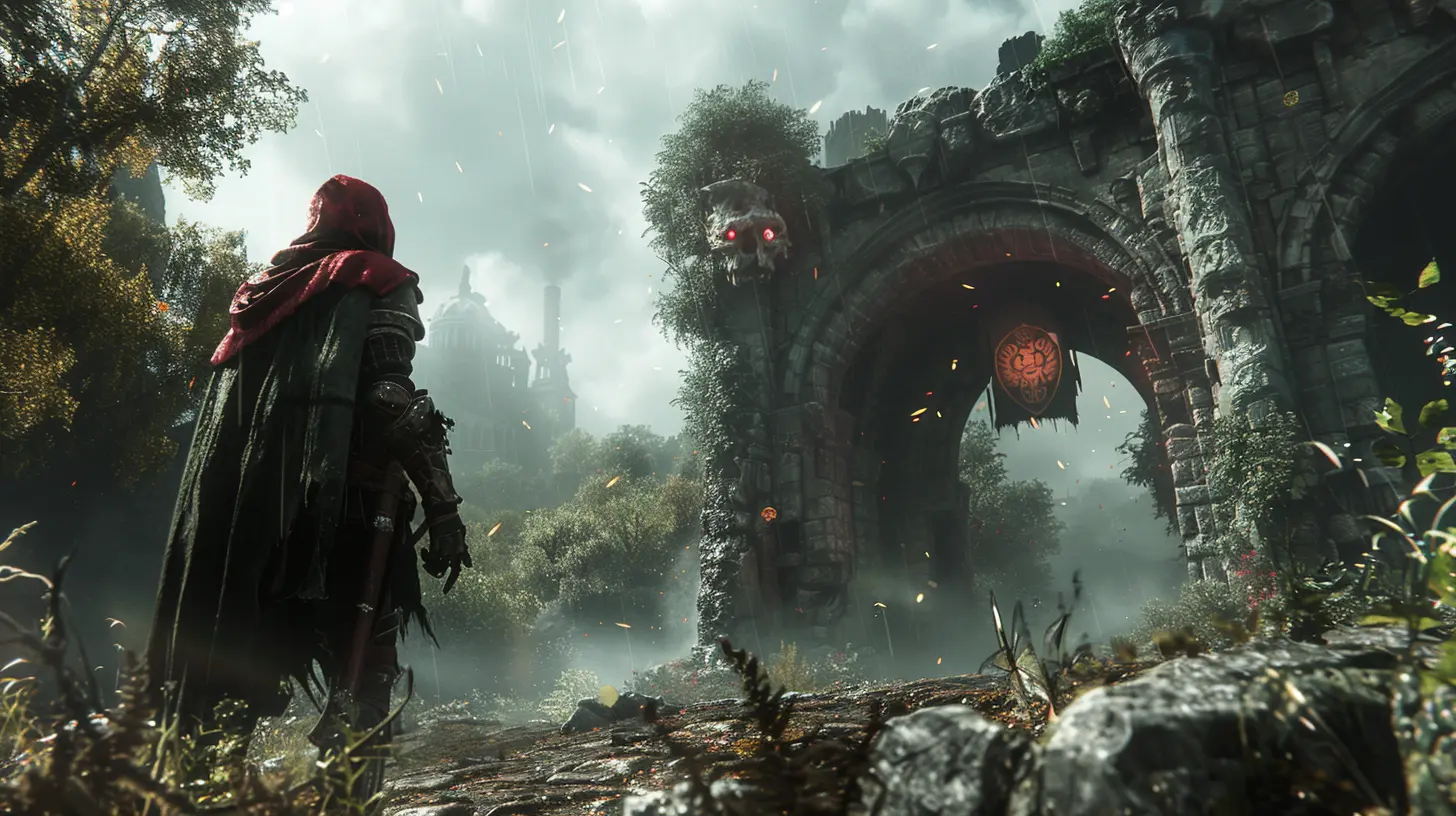
Case Studies of Games That Should’ve Stayed in Early Access
Let’s talk specifics. Grab your salt shakers, ‘cause this is gonna get real.1. The Day Before – Or as I Call It, "The Day Regret Arrived"
This one was billed as the next big open-world zombie MMO. Yeah, we were hyped. The trailers looked amazing—probably because they might have been trailers for a completely different game. When launch day finally rolled around, players were greeted with janky animations, missing features, and about as much atmosphere as a haunted Dollar Store.People literally asked for refunds after 15 minutes. You know it’s bad when Steam starts sweating.
Would a longer Early Access period have helped? Maybe. Or maybe it would've just prolonged the agony. Either way, it definitely wasn’t ready to be “released.” It was more like a sketch of a game, held together with duct tape and misplaced ambition.
2. Warriors of the Backlog – Featuring Level 1 Bugs at Level 50 Prices
This game promised revolutionary combat and deep RPG mechanics. What we got? Recycled mechanics, hilariously broken AI, and a story so bland it could put coffee to sleep.Its Early Access version looked promising—players were hopeful. But then, instead of addressing issues, the devs decided to “release” it. Nothing changed. Except now you're locked into a full-price game that still feels like someone’s college project. Yay?
3. Space Mechanic Sim Xtreme Deluxe Ultimate – Yes, That’s a Real Title (Kind Of)
Who doesn’t want to simulate fixing space toilets in zero gravity? I mean, come on, there’s a niche for everything. But after two years in Early Access, this title decided to hit 1.0 and… surprise! Most of the promised features were still “coming soon,” and the gameplay loop had more repetition than a pop song chorus.Why not just stay in Early Access where expectations are lower than the server uptime? Because marketing. And dreams. And probably rent.
Developers Are Human Too (But Still…)
Now, let’s not be entirely heartless. Game devs are actual humans—not bots spawned by Unreal Engine. Creating a game is hard. It’s messy. It’s full of challenges and coffee-fueled breakdowns. But when you slap “version 1.0” on a game, you are telling the world: “This is what we envisioned.”And sometimes what they envisioned was a half-finished game, missing core functionality, and riddled with bugs that could start their own colony.
The love and passion might be there, but that doesn’t mean we should pay $60 to beta test their dreams.
The Problem with Rushing the Release
Here’s a radical idea: take your time. We, the gamers, may be impatient gremlins, but we also appreciate polish. There are games out there that benefited massively from long Early Access periods—like Hades, Baldur’s Gate 3, and Dead Cells.Those devs used player feedback, fine-tuned every mechanic, and respected the process. Meanwhile, some other titles rushed to meet imaginary deadlines, and ended up being cautionary tales rather than success stories.
Burnout, Budgets, and Bad Decisions
It’s not always about greed. Sometimes the devs are just out of steam (pun intended). They need to release so they can start earning serious bucks or move on to their next project. The problem? We, the loyal Early Access players, end up with a glorified tech demo.
How to Tell a Game Isn’t Ready Yet
Let’s say you’re browsing a game’s Early Access page. How do you know it’s not gonna stick the landing? Here’s your handy checklist:- Promises features “soon” that are pretty much core gameplay
- Updates become less frequent than your doctor’s checkups
- Dev blogs are vaguer than a horoscope
- Crash reports are longer than your grocery list
- Reviews use words like “potential” more than “fun”
If this sounds familiar, maybe wait. Don’t be the guinea pig wearing a wallet.
What Can Be Done?
Okay, okay—we’ve moaned enough. Let’s talk solutions. (Yes, there’s hope. A tiny, flickering hope.)Developers: Embrace Transparency Like Your Life Depends on It
If your game isn't ready, just say it. Let us know. We’re not monsters (well, except that guy in the forums). Players are generally cool with delays if it means a better final product. Just keep the communication flowing. Talk to your community like real people. No PR corporate speak, please—we can smell that from miles away.Gamers: Stop Rewarding Mediocrity
Yep, this one’s on us too. If we keep throwing money at broken releases, guess what? They’ll keep doing it. Voting with your wallet is still the most powerful tool you’ve got (besides memes).Platforms: A Little Quality Control Wouldn’t Hurt, Guys
Steam, Epic, whichever launcher-du-jour you prefer—maybe add a few more hoops to jump through before a game graduates from Early Access? Like, I don’t know, basic functionality?
The Bright Side (Yes, There Is One)
Let’s not end this on a doom-and-gloom note. Because for every tragedy that limped out of Early Access like a wounded duck, there are games that absolutely nailed it. When it works, it works beautifully.The Early Access model has given us games that probably wouldn't exist otherwise. It’s helped small studios find their audience. It’s built entire communities. So it's not the system that’s broken. It’s the misuse of it that leaves a bad taste.
Final Thoughts: Maybe Don’t Hit That 1.0 Just Yet
The moral of the story? Patience is a virtue—and in game development, it’s the golden ticket. Releasing a game before it’s truly ready is like serving raw chicken and expecting compliments on the seasoning. Just… don’t.To all the developers out there: take your time. Your game deserves the best chance to shine—and trust me, we’ll still be here when it does. And to my fellow gamers: don’t be afraid to speak up, refund a hot mess when needed, and support the ones who are doing it right.
Because after all—some games really, truly, absolutely should have stayed in Early Access a little bit longer.
all images in this post were generated using AI tools
Category:
Game FailsAuthor:

Emery Larsen
Discussion
rate this article
2 comments
Jillian McGovern
Some games thrive in Early Access, allowing developers to refine concepts based on player feedback. However, launching too soon often leads to unfinished experiences, unaddressed bugs, and unmet player expectations. Developers must balance ambition with quality to avoid disappointing their audience.
August 4, 2026 at 2:36 AM
Nolan Strickland
Some games simply aren't ready for full release. They lose their charm and potential when rushed, leaving players disappointed instead of excited for the final product.
June 26, 2026 at 2:48 PM
Emery Larsen
I completely agree. Rushing a game often sacrifices its unique elements and quality, leaving players feeling let down. Early access can be a better path for refining what truly makes a game special.