Why Some Games Shouldn’t Try to Be Movies
11 May 2026
Let’s be real for a second — we’ve all played a game that felt more like we were just watching a really long movie. And not always in a good way. You pick up the controller expecting to dive into a world where your choices matter, your actions count, and your skills are tested. But instead, you’re stuck watching 30-minute cutscenes, making minimal choices, and pressing a button every five minutes just to feel "involved."
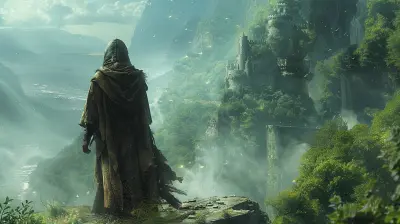
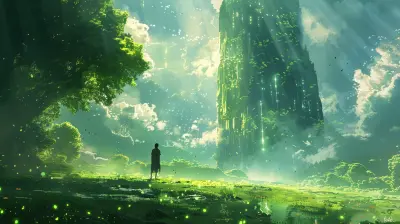
Games trying to be movies isn’t new, and it’s not always a bad thing. But when a game leans too hard into cinematic storytelling and forgets it's a game first, that’s where things fall apart. So, let’s break down why some games just shouldn’t try to be movies — and why that’s totally okay.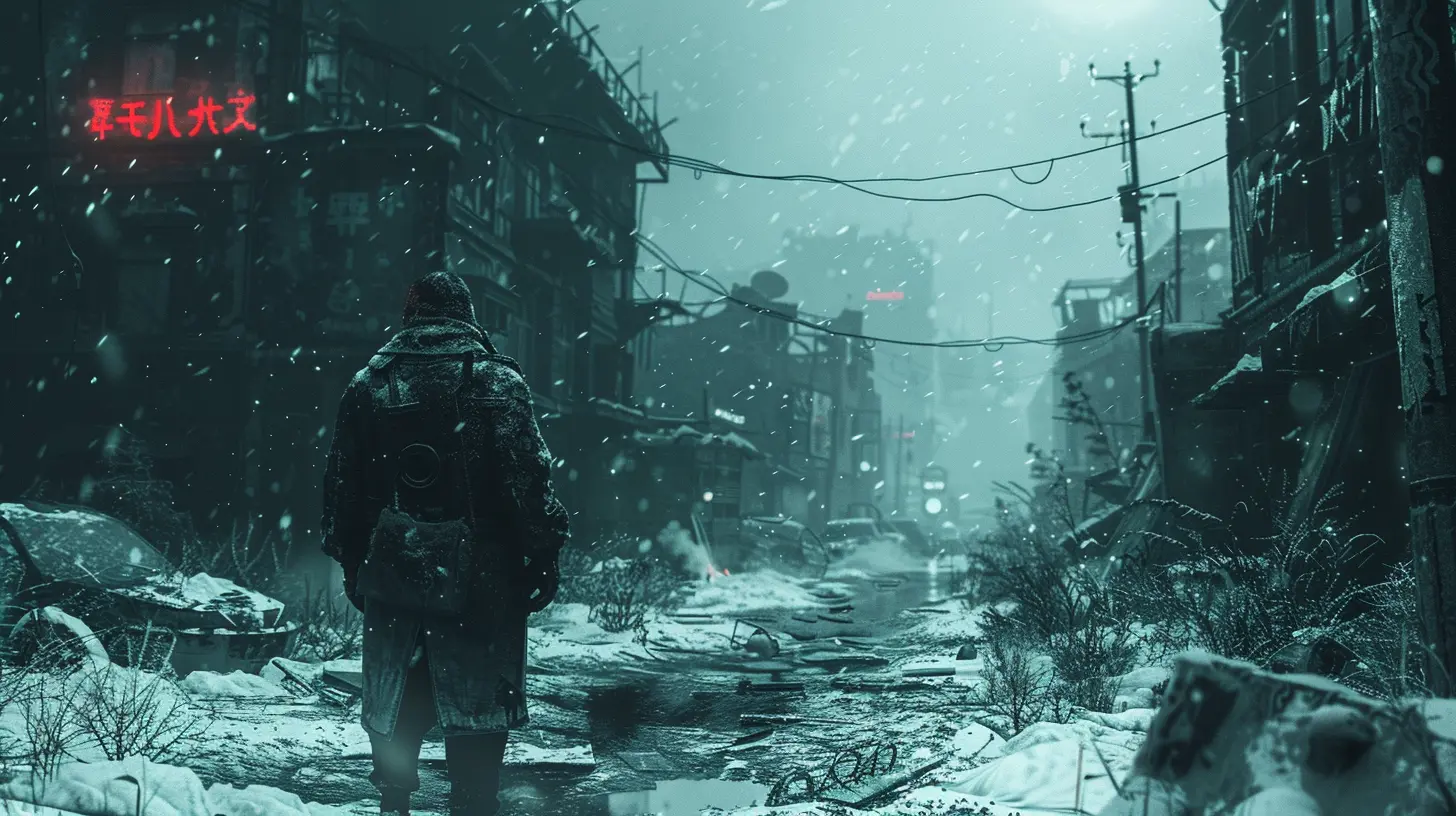
Games Are Meant to Be Played, Not Just Watched
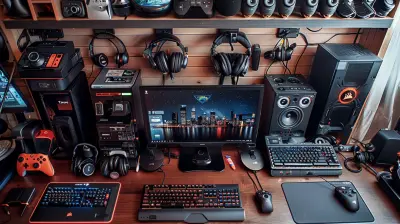
Video games are an interactive medium. That’s their magic. Unlike movies or TV shows, they give you control. YOU are the hero, the villain, or the wildcard. You make the choices, pull the trigger, solve the puzzle, or dive head-first into danger.When a game starts prioritizing cinematic storytelling over gameplay, it kind of defeats the point. Let’s be honest — if we wanted to sit on the couch and just watch something for two hours, Netflix is right there.
Interactivity Is the Core
Think about classic games like Super Mario, The Legend of Zelda, or Minecraft. None of these need big-budget cutscenes or Hollywood actors to be memorable. They stick with us because of how they feel to play. The challenge, the creativity, the immersion — that’s what makes games unforgettable.Once we remove or limit interactivity, we’re not playing anymore. We’re just along for the ride.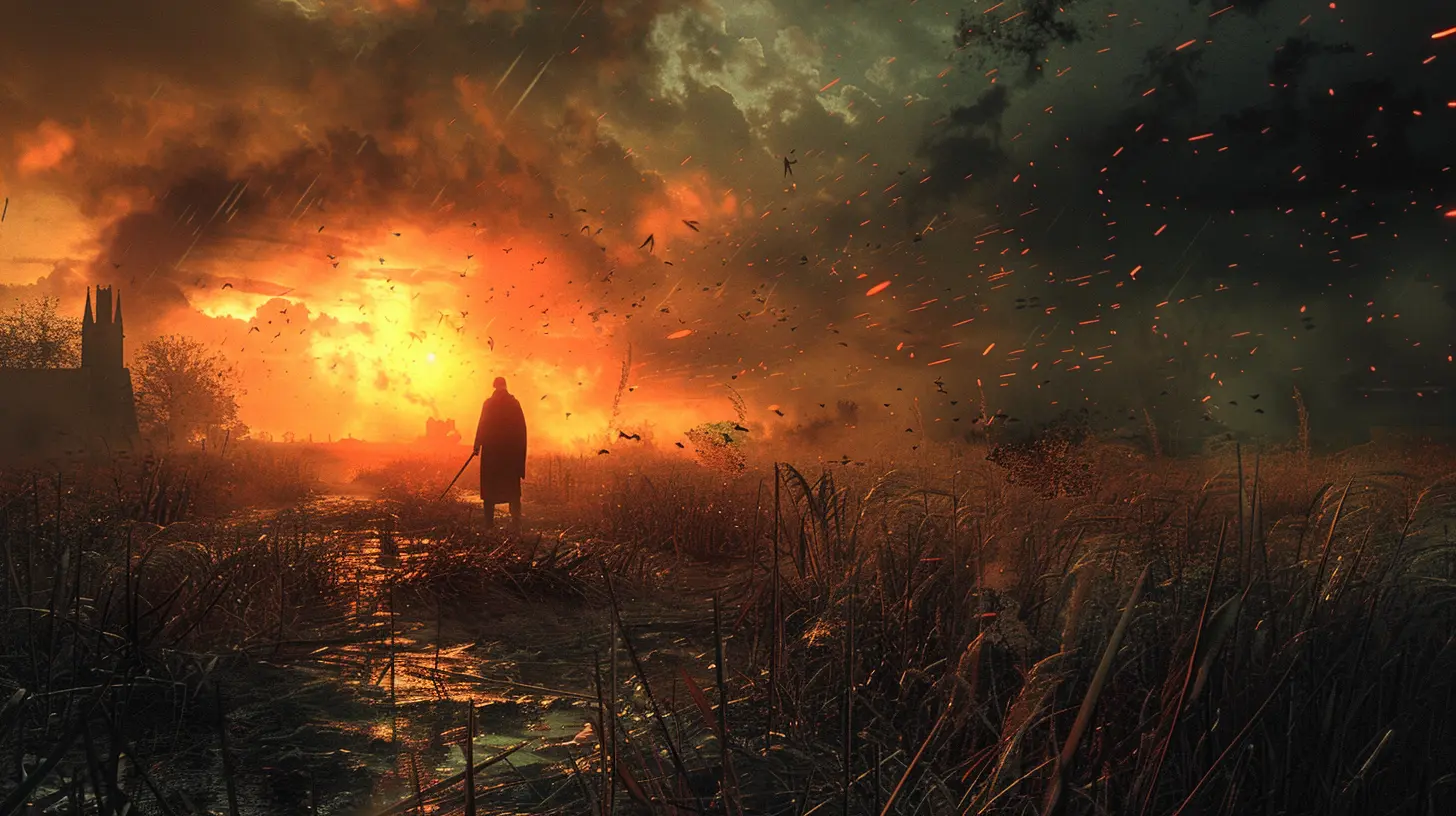
Cinematic Doesn’t Always Mean Better
It’s easy to be impressed by jaw-dropping graphics, motion capture performances, and sweeping soundtracks. Developers often pursue cinematic storytelling as a way to elevate their games, and to some extent, it works. Titles like The Last of Us and Red Dead Redemption 2 have shown what’s possible when storytelling and gameplay are both firing on all cylinders.But here’s the catch — not every game needs to aim for Oscar bait.
The “Playable Movie” Trap
Some developers try so hard to imitate films that they forget to make their game fun. You end up walking from Point A to Point B while someone monologues in your ear. Then a dialogue option pops up, disguised as a “choice” that barely affects anything. Or worse, endless quick-time events that feel more like a reflex test than actual gameplay.It turns into a glorified walking simulator with occasional interruptions for... you know... something resembling a game.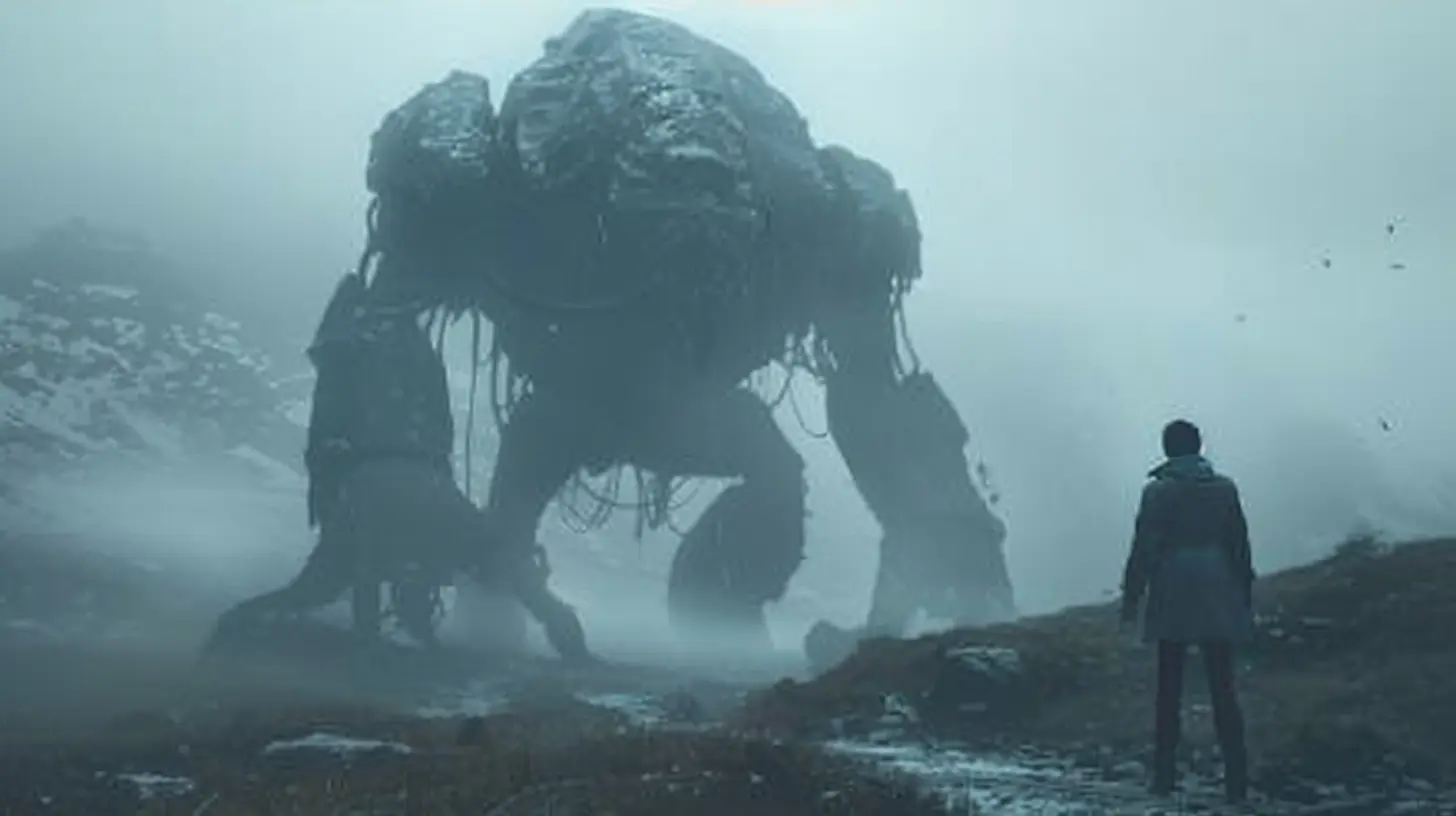
Story Should Enhance Gameplay, Not Replace It
Don’t get me wrong — stories in games can be amazing. Some of the most emotional moments in gaming history weren’t because of fancy graphics or epic music. They were because of how the story made us feel while we were playing.But when the gameplay takes a backseat to the narrative, it starts to feel like the developers didn’t trust players to enjoy the mechanics on their own.
Balance Is Key
The best games find a balance. Take Bioshock, for example. Incredible narrative? Absolutely. But it’s all wrapped around tight gameplay, interesting mechanics, and purposeful world-building. You’re not just watching a story unfold — you’re living it.When story is prioritized so much that it becomes a crutch, the game ends up feeling more passive. And passive gaming isn’t what most people signed up for.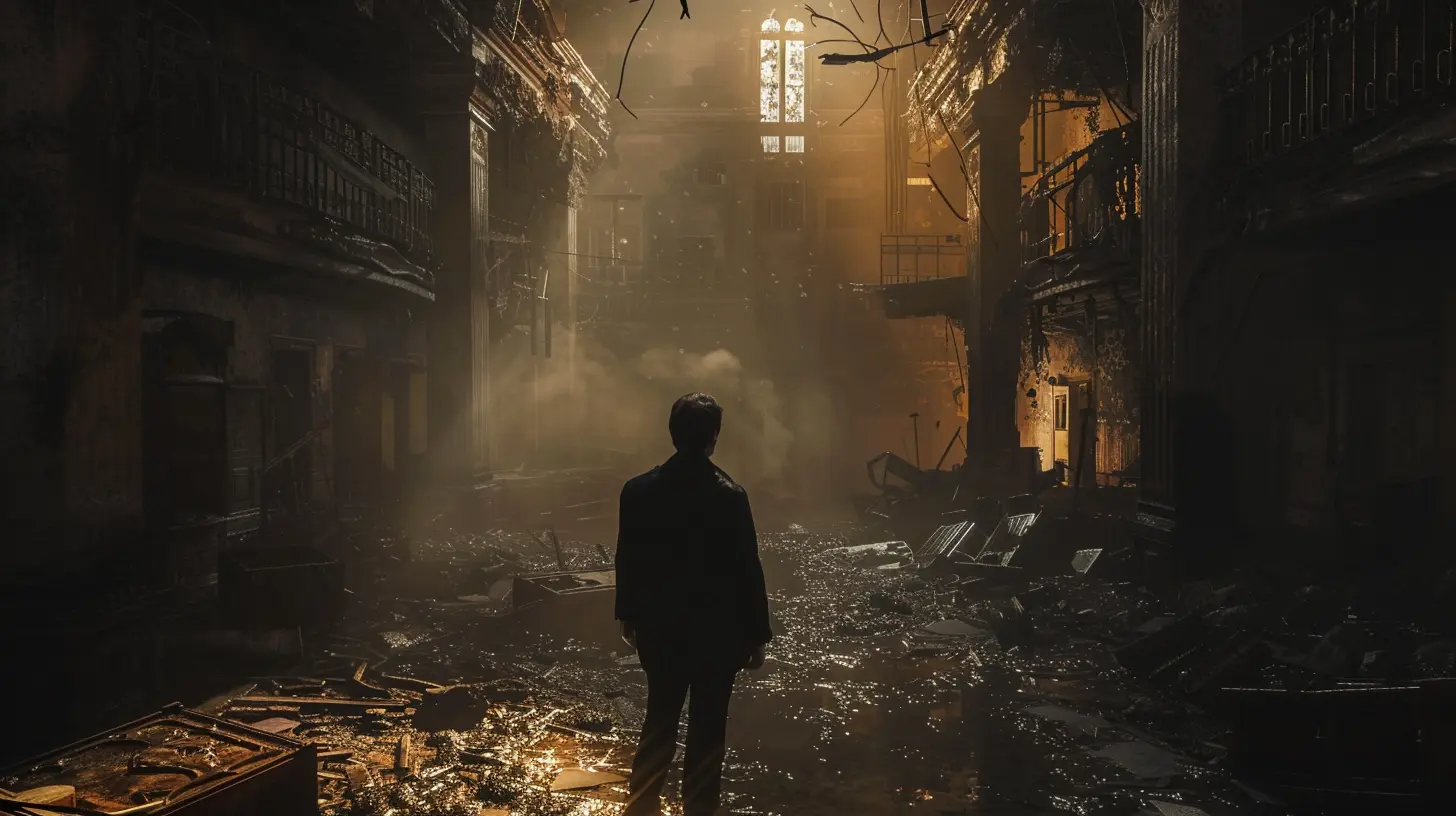
Not Every Genre Needs a Narrative Arc
Let’s be honest — do we really need a deep, emotional backstory in a racing game? Or a platformer? Or a fighting game? Sometimes gameplay just needs to be fun. It doesn’t always need a plot twist or a moral dilemma to keep players engaged.Forced Stories Feel... Well, Forced
Trying to shoehorn a movie-like story into a genre that doesn’t need it often feels awkward. It's like adding a dramatic subplot about family drama into a cooking show. Doesn’t really fit, right?Some games excel because they embrace simplicity. Rocket League is soccer with rocket-powered cars. That’s it. And it’s awesome. No need for a 20-minute prologue about how car-soccer saved the post-apocalyptic future.
Games and Movies Have Different Strengths
Movies are amazing because they can tell captivating stories in just a couple of hours. You sit down, get swept away by the visuals, characters, and plot, then roll credits.But games? Games are at their best when they use time differently — slowly building immersion, teasing out mechanics, and letting players shape the experience.
The Medium Has Its Own Language
Trying to make a game feel like a movie ignores what games do best: interaction, experimentation, and emergent storytelling. That’s the stuff movies can’t do.When games imitate movies too closely, it’s like a rock band switching to classical piano. Yeah, it’s music, but it’s not what you signed up for.
Player Agency Matters
When you take away player agency — their ability to choose, to fail, to try again — you're removing the essence of gaming. Some cinematic experiences in games take that agency away by locking everything behind scripted events.Suddenly, you're not exploring anymore. You’re walking a straight line with invisible walls, waiting for the next cutscene to start.
Meaningful Choices Over Scripted Paths
Remember Mass Effect? Choices mattered. What you said, did, and even who you saved had consequences. Compare that to some “cinematic” games where you’re just choosing between two dialogue options that lead to the same result, and you’ll understand the difference.Games should trust players to create their own journey — not just follow one.
Pacing Goes Out the Window
One of the worst side effects of games trying to be movies? Terrible pacing. In movies, pacing is tight by necessity — there's limited time to tell the story. But in games, pacing is a dance that must consider player exploration, failure, retries, and optional content.So when a game throws in back-to-back 10-minute cutscenes with no gameplay in between, the rhythm breaks. You go from intense action to passive watching, and it just doesn’t flow.
Let the Player Set the Tempo
The best games give you the reins. They tell a story, sure, but they don’t control how fast you go, what you explore, or how you approach challenges. That freedom is part of what makes games magical.There's Room for Both — But Know Your Lane
Don’t get me wrong — cinematic games absolutely have a place in the industry. Some gamers love narrative-heavy experiences, and that’s cool. But not every game needs to follow that template.Knowing Your Strengths
Indie titles like Celeste, Hollow Knight, or Hades prove that strong mechanics and simple stories can create incredible gaming experiences. They don’t try to be movies, and they don’t need to.If every game tried to be The Last of Us, we’d lose the diversity that makes gaming so rich and exciting.
Final Thoughts: Embrace What Makes Games Unique
At the end of the day, games are not just interactive movies. They’re something entirely unique — a blend of art, design, tech, and storytelling that puts you in the driver’s seat. And when they try too hard to be something they’re not, they lose a bit of their soul.Some games trying to be movies is fine. But when every game chases that shiny cinematic style at the expense of gameplay, originality, and player agency? That’s when we need to hit the pause button and remember why we started playing in the first place.
So next time you're playing a game and feel like you've watched more than you’ve played — ask yourself: is this a game, or just a movie with buttons?
all images in this post were generated using AI tools
Category:
Game FailsAuthor:

Emery Larsen
Discussion
rate this article
2 comments
Colin Blevins
Games thrive on interactivity, while movies rely on passive storytelling. They differ fundamentally.
June 11, 2026 at 5:07 AM
Emery Larsen
That's a great point. Games and movies engage us differently, and blending the two can dilute their unique strengths.
Gabrielle McCoy
Games have unique storytelling strengths that can be lost in cinematic aspirations. Emphasizing interactivity is key to their success.
May 12, 2026 at 4:31 AM
Emery Larsen
I completely agree. Games thrive on player choice and engagement, which can easily get lost in a movie format. It's all about making the experience interactive.