Why Some Sequels Should Never Have Happened
2 May 2026
Let’s be honest — sequels are a gamble. Sometimes they’re everything fans hoped for and more, building on an already amazing story. Other times? Well, they crash and burn so hard they make you question if the original was even that good to begin with.
We've all seen it: A beloved game gets a sequel, and suddenly it's like watching your favorite band try to recreate the magic with a totally different sound. Not in a good way. In this article, we’re diving into why some sequels should never have happened. Buckle up — we’re calling out those disappointing follow-ups that left us scratching our heads and wishing we could unsee what we just played.
The Curse of High Expectations
Let’s face it, the more loved the original game is, the higher the expectations are for its sequel. And that’s where things can go sideways. It’s like being the younger sibling of a straight-A student — everyone expects you to be just as brilliant, maybe even better. But what if you’re just... average?Game developers sometimes feel that pressure and try to cram too much into a sequel. More features, bigger worlds, complicated mechanics — and somewhere along the way, they forget what made the original so special.
Example: Duke Nukem Forever
The original Duke Nukem 3D was a cult classic — full of attitude, edgy humor, and over-the-top action. Fast forward to Duke Nukem Forever, which took over a decade to develop. Expectations were sky-high, but the final product? Janky mechanics, outdated graphics, and cringe-worthy humor that didn’t age well. It felt like a relic from the past, dropped into the wrong era.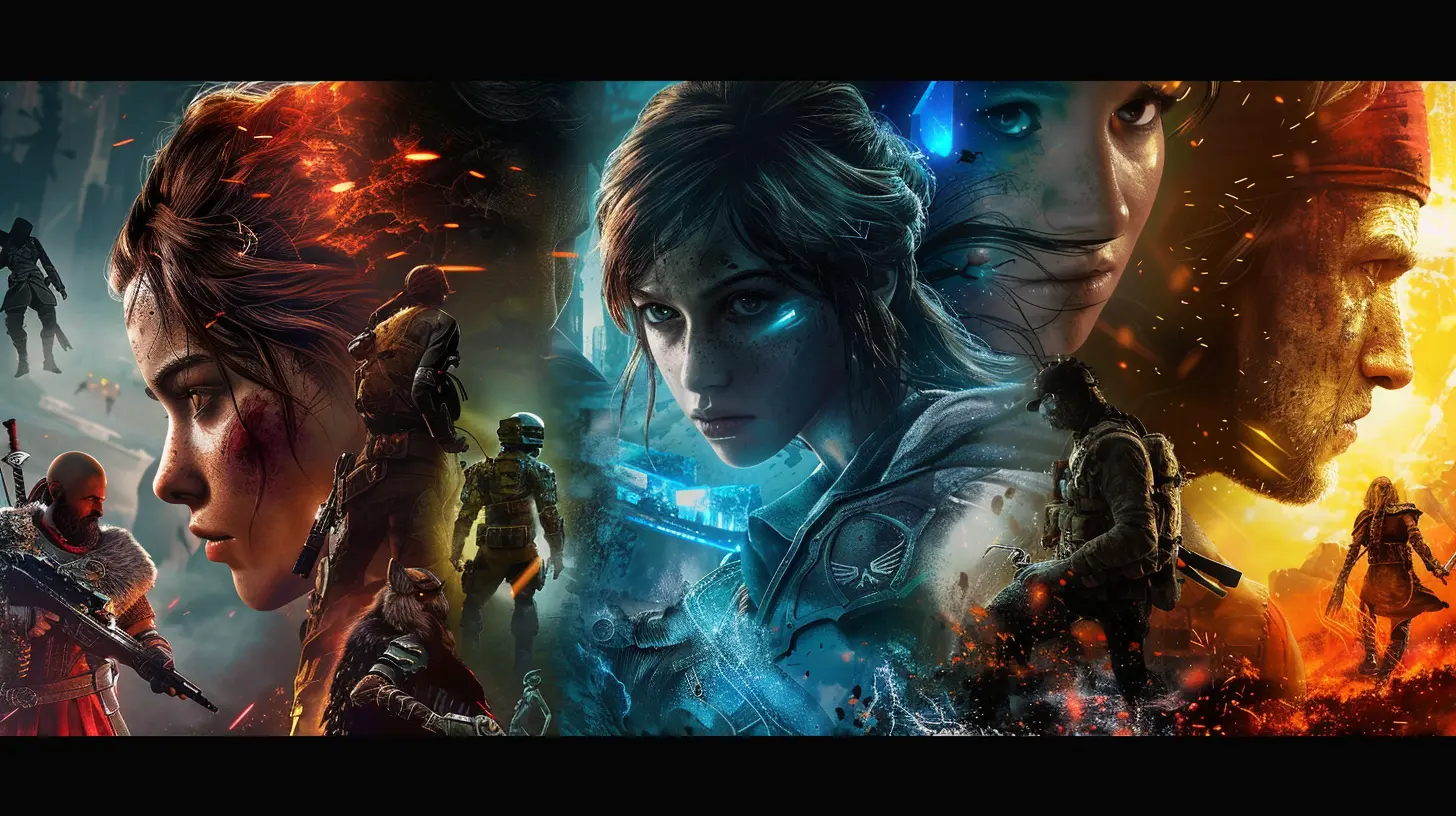
When the Sequel Forgets Its Roots
Sequels should evolve, sure — but not at the cost of losing their identity. Some follow-ups stray so far from the original concept, fans are left wondering: “What game is this even supposed to be?”Whether it's changes to the storyline, gameplay mechanics, or even the tone, drastic transformations can alienate the very fanbase that made the game popular.
Example: Banjo-Kazooie: Nuts & Bolts
The original Banjo-Kazooie games were iconic platformers with charm, humor, and creative level design. Then came Nuts & Bolts, which swapped exploration and platforming for vehicle building. Wait, what? It was like going into your favorite burger joint and being handed a salad. Sure, salads are fine — but it’s not why you showed up.
Sequels That Cash-In Instead of Care
Let’s be real: sequels rake in money. That’s why they exist. But when it’s only about the cash, the quality often suffers. You can feel it — rushed development, recycled assets, rehashed plots, and microtransactions galore.You know the type: same old game, new number slapped on the box.
Example: Fallout 76 (Though technically a spin-off)
Fallout fans were craving the next big single-player, story-rich RPG. Instead, they got Fallout 76 — an always-online multiplayer experience with no human NPCs at launch and a laundry list of bugs. It felt like Bethesda saw a market trend and jumped on it without thinking if it fit the soul of the series.
When the Story Was Already Complete
Sometimes a story ends perfectly. Everything wraps up, the characters get closure, and players walk away satisfied. So what’s the harm in a sequel? Well… everything.A forced continuation can mess with established lore, ruin character arcs, and unravel an emotional journey that was already complete.
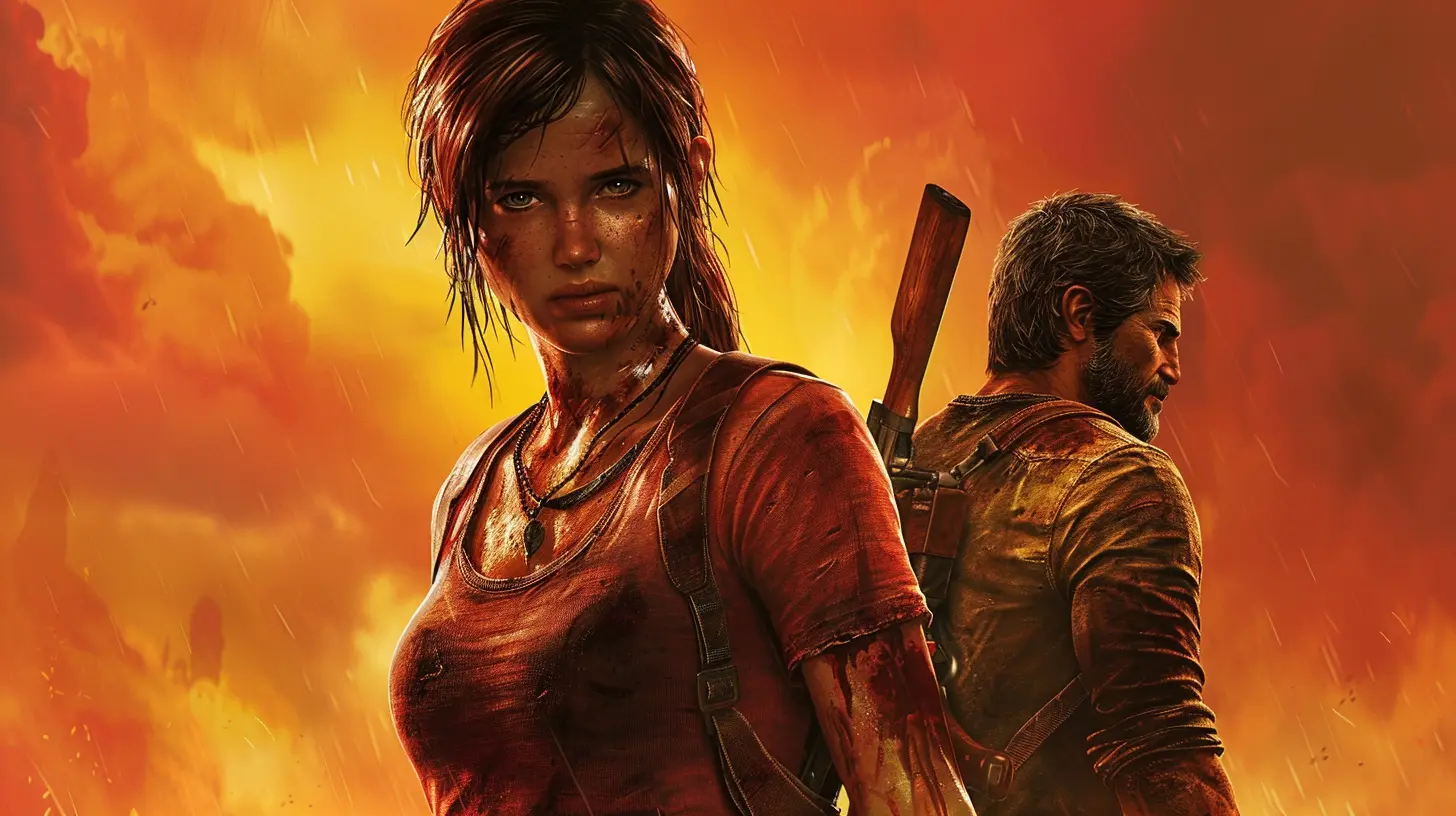
Example: The Last of Us Part II
OK, this one’s controversial. Some loved it, some didn’t. But it’s fair to say that The Last of Us had a nearly perfect ending. It was ambiguous, emotional, and meaningful. Part II tried to push the narrative further, but in doing so, it divided fans. While technically impressive, the emotional toll and storytelling choices left a huge chunk of the audience feeling betrayed.Innovation Isn’t Always Improvement
Game studios often feel like they have to innovate with sequels — which makes sense. No one wants to play the same game twice, right? But sometimes, in their quest to switch things up, developers throw the baby out with the bathwater.New features, changes in art style, experimental gameplay — these can all work, but they’re also risky. And when they flop, they flop hard.
Example: Devil May Cry (DMC) Reboot
The reboot tried to reimagine Dante as this rebellious, dark-haired hipster, ditching the iconic white-haired demon slayer we all knew and loved. The gameplay was fine, even fun — but it wasn’t Devil May Cry. Longtime fans felt alienated, and the game struggled with identity. It was like putting pineapple on pizza — some people liked it, but most just wanted the original slice.
Nostalgia Can Be a Double-Edged Sword
Nostalgia is powerful. It’s the reason remakes and sequels even exist in the first place. But relying too much on “the good old days” can be dangerous. You can’t bottle lightning twice — and trying usually ends in disappointment.Fans may want to relive a feeling or experience, but gaming has moved on. Mechanics evolve. Expectations shift. And what once worked in the '90s might fall flat today.
Example: GoldenEye: Rogue Agent
GoldenEye 007 on the N64 is legendary. So when a new title with “GoldenEye” in the name cropped up, people were hyped. Instead, they got Rogue Agent, which had nothing to do with Bond, barely played like the original, and felt like a completely different — and very forgettable — shooter.The Franchise Syndrome
Success breeds sequels. And sequels breed franchises. And franchises, well… they can overstay their welcome. Some games just keep going and going until the spark is long gone.There’s something sad about watching a legendary title turn into a yearly release with zero soul. It’s like watching your favorite actor do cheesy ads — sure, they’re making money, but the passion’s gone.
Example: Assassin’s Creed (Early Sequels)
To be fair, Assassin’s Creed has had a redemption arc in recent years. But back in the early 2010s, Ubisoft was cranking them out like fast food — formulaic missions, predictable storylines, and bloated side quests. The original concept of time-jumping assassins got buried under filler content and convoluted lore.
When Sequels Steal the Spotlight
In some cases, sequels aren’t even bad — they’re just unnecessary. They take away attention from new ideas and fresh IPs. Studios pour all their money into known names, leaving innovative concepts behind. That’s a damn shame.Gaming thrives on creativity, but when every studio plays it safe with sequels, the whole industry suffers.
Example: Mirror’s Edge Catalyst
The original Mirror’s Edge was a breath of fresh air — unique gameplay, stylish visuals, and a strong parkour mechanic. The sequel, Catalyst, looked modern but lost its edge (pun totally intended). It focused too much on being like every other open-world game rather than embracing what made it standout in the first place.Sometimes the World Just Doesn’t Need More
Some games are perfect as they are. Call it lightning in a bottle, call it magic — but not every experience needs a follow-up.Example: Red Dead Redemption 2 (Yes, hear me out)
Again, a great game, no doubt. But some fans argue that Red Dead Redemption didn’t need a prequel. By explaining John's backstory and Dutch’s downfall in such detail, RDR2 may have robbed parts of the original's mystery and emotional punch. Also, the pacing? Let’s just say it tried to be a slow-burn, but some players felt it dragged its boots a little too much.
The Bottom Line: Not All Stories Need a Sequel
Look, we’re not saying all sequels are bad. Some are masterpieces in their own right (Mass Effect 2, anyone?). But when a sequel loses what made the original great, or worse — exists just to cash in — it ends up doing more harm than good.Sometimes it’s better to leave a good thing alone. Let it stand on its own, proud and untouched. Because just like in movies and music, too many sequels can turn an all-time classic into a cautionary tale.
So next time you're knee-deep in a disappointing follow-up, remember: You’re not alone. We’ve all been there, stuck in a sequel that never should’ve happened, wondering what could’ve been.
Let’s hope more studios start asking the important question — “Do we need this sequel?” — before diving headfirst into the next installment.
all images in this post were generated using AI tools
Category:
Game FailsAuthor:

Emery Larsen
Discussion
rate this article
2 comments
Josie Evans
Some sequels miss the mark!
May 23, 2026 at 2:36 PM
Anika Sheppard
Sequels can tarnish a beloved franchise. Not every story needs to be extended. Sometimes it's better to leave a classic as it is and preserve its original magic.
May 4, 2026 at 3:44 PM
Emery Larsen
I completely agree. Some stories are best left untouched, allowing their original charm to shine without dilution.