Analyzing the Ethics of Cloning in Sci-Fi Video Games
24 May 2026
Cloning. Just the word alone can spark heated debates, twisted sci-fi plots, and more moral questions than a Philosophy 101 class. But when you throw cloning into the imaginative world of sci-fi video games? Well, that's when things get really juicy. From morally gray corporations to rebels using clones as cannon fodder, games love to play around with this concept.
But here’s the big question: Are these portrayals just for the drama, or do they make us stop and think about right and wrong? Sci-fi video games have a unique way of holding a mirror to society—and when it comes to cloning, that reflection is both fascinating and ethically murky.
Let’s dive deep into how games handle cloning, the ethical dilemmas they present, and what it really means when pixels start questioning the nature of identity.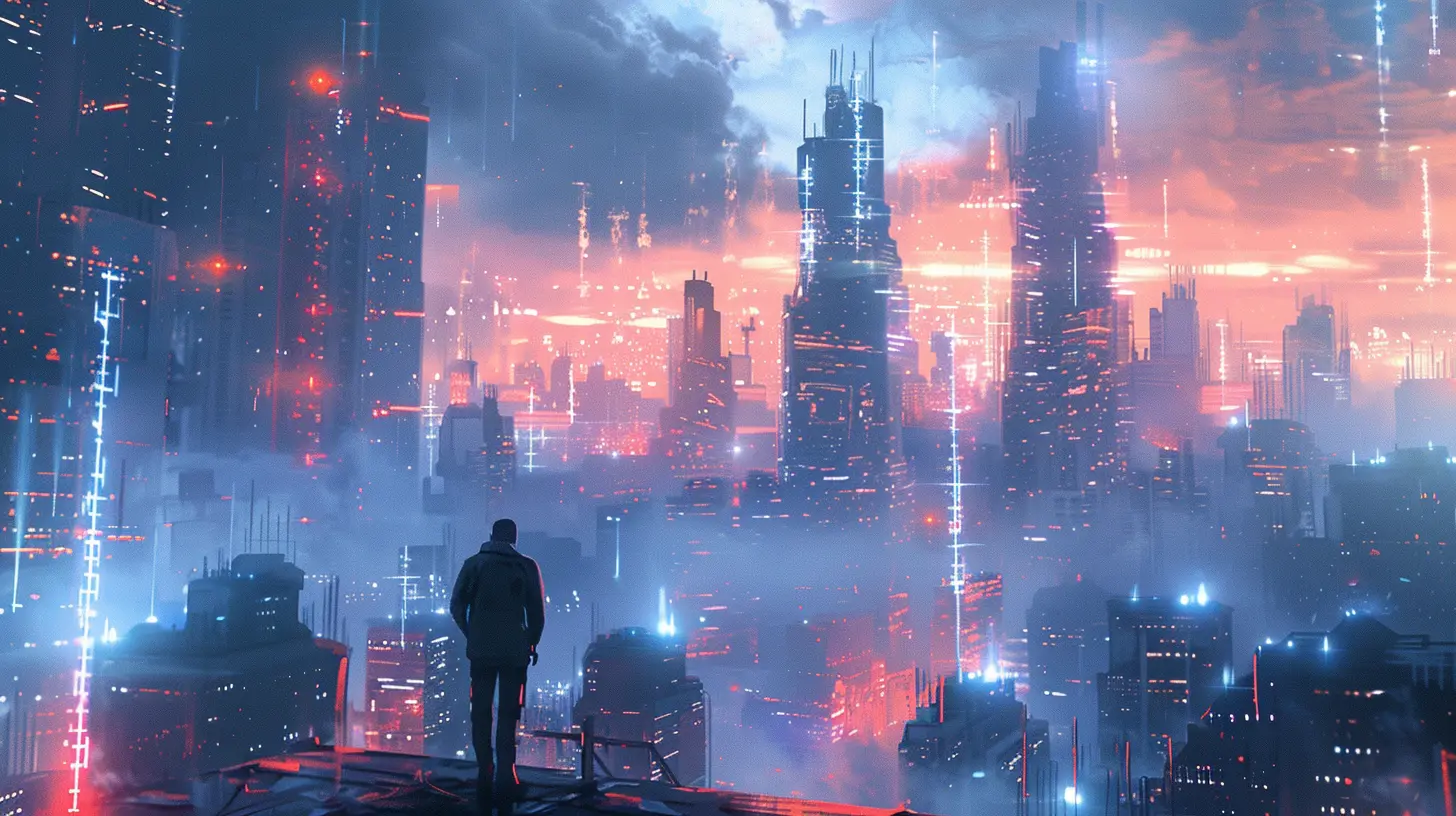
What Is Cloning in the World of Sci-Fi Games?
Before we go running down rabbit holes, let’s clear the air: what exactly is cloning in these digital worlds?In most sci-fi games, cloning refers to the artificial creation of a human or being—usually with the DNA of another. Often, these clones aren’t just copies; they’re experiments, soldiers, slaves, backups… even "disposable" humans. Creepy, huh?
But unlike real-world science, video games aren't tied down by real laws or limitations. Developers can dream big, and that means we get clones with memories, emotions, and even the ability to make moral choices. That opens up a whole new ethical can of worms.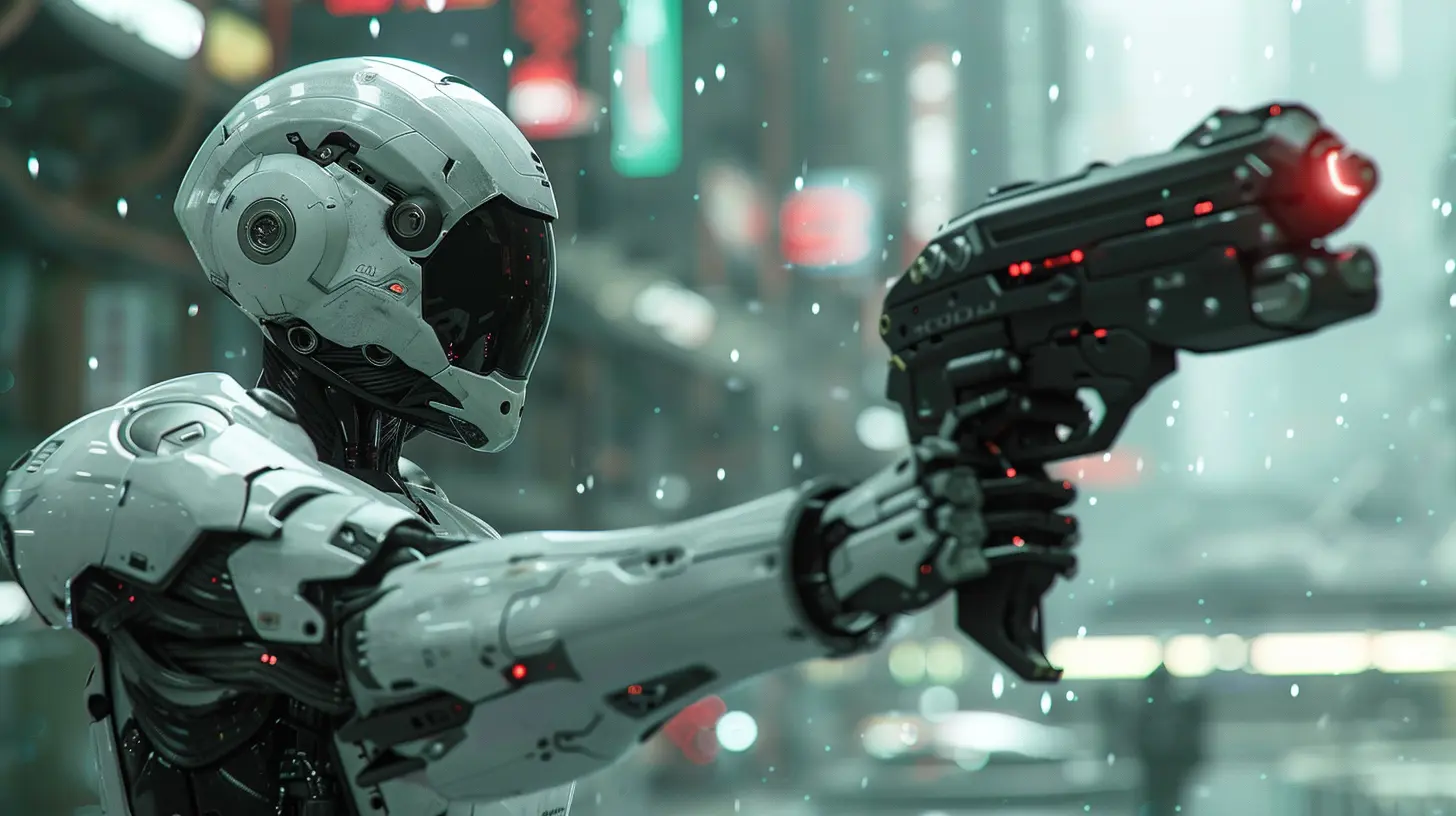
The Role of Clones: Heroes, Villains, or Victims?
One of the big ethical questions is all about purpose. What are clones created for in these games? Spoiler alert: it's rarely for something peaceful.1. Clones as Soldiers
Think of games like Star Wars: Battlefront II—where clone troopers are bred for war. They’re obedient, efficient, factory-made warriors. But do they have rights? Do they feel pain or fear? The games often gloss over this.Here’s the kicker: once you start wondering whether these digital characters should have a say in their own fate, you're basically knee-deep in an ethical swamp.
2. Clones as Tools or Slaves
In titles like Metal Gear Solid, clones like Solid Snake are literally bred for specific purposes. Snake isn’t just a badass assassin—he's the result of a project aimed at creating the perfect soldier. And the terrifying part? He barely had a choice in the matter.When someone’s existence is defined by someone else's agenda, free will becomes a huge sticking point.
3. Clones as Emotional Anchors
Some games really push your buttons, like Detroit: Become Human. While not "clones" in the traditional sense, the androids here face similar existential questions: “Who am I, really? Do feelings make me real?” These narratives hit hard and make you question the blurry line between artificial life and humanity.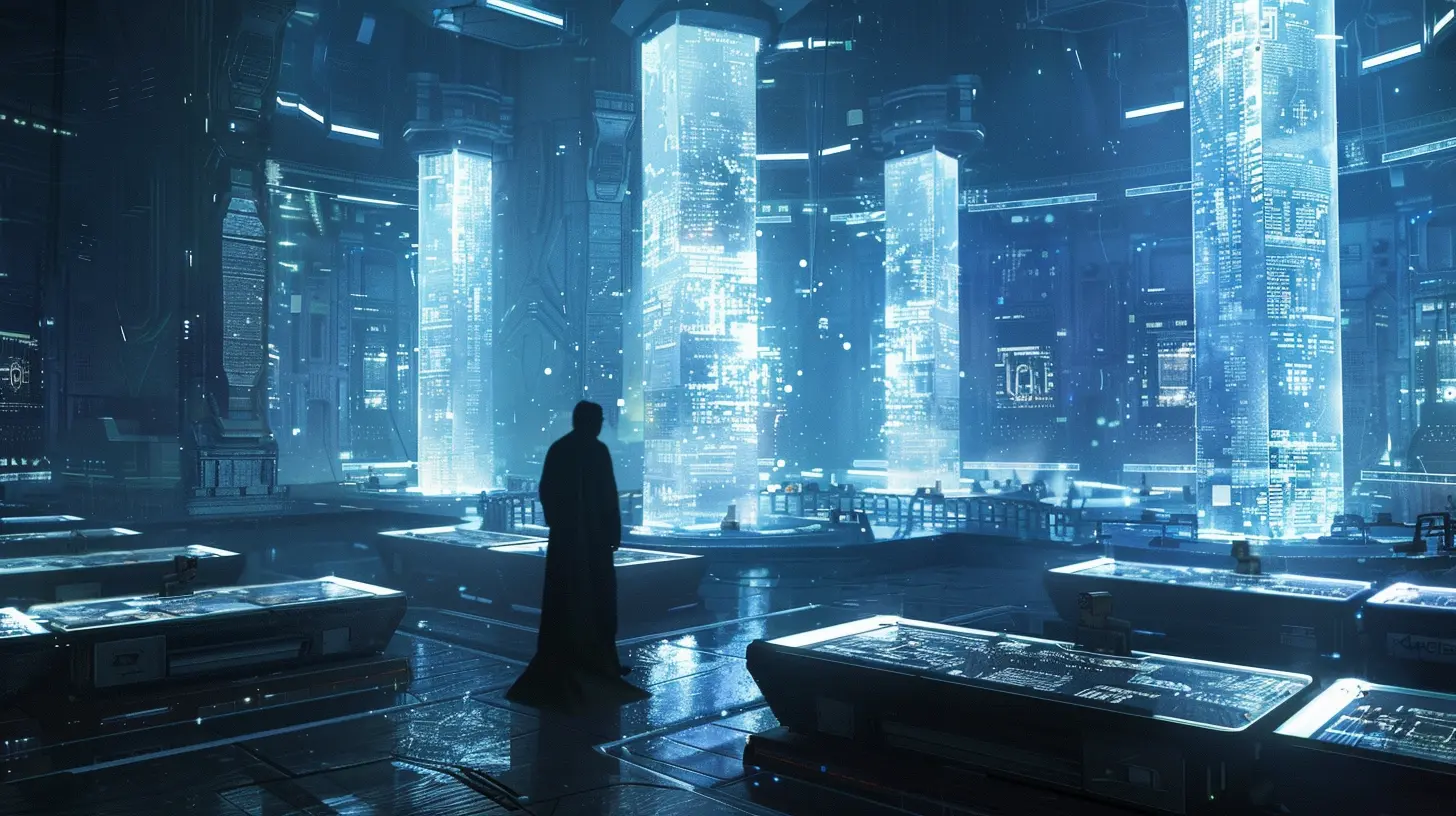
Memory and Identity: Are Clones Just Copies?
Here's where things get truly philosophical. If a clone has your body, your memories, and your personality... are they really you?In The Swapper, for example, you move your consciousness into different clone bodies to solve puzzles. It’s a fun mechanic—but it also forces you to think about identity. If your soul can jump bodies like changing clothes, what even defines who you are?
Similarly, in BioShock, you encounter characters who’ve been "recreated" or modified. The result? A disoriented sense of reality that challenges your assumptions about memory and selfhood.
So here’s a head-spinner: if a clone remembers your childhood dog, your heartbreaks, and your favorite pizza topping—does that make them you? Or just a really well-made imitation?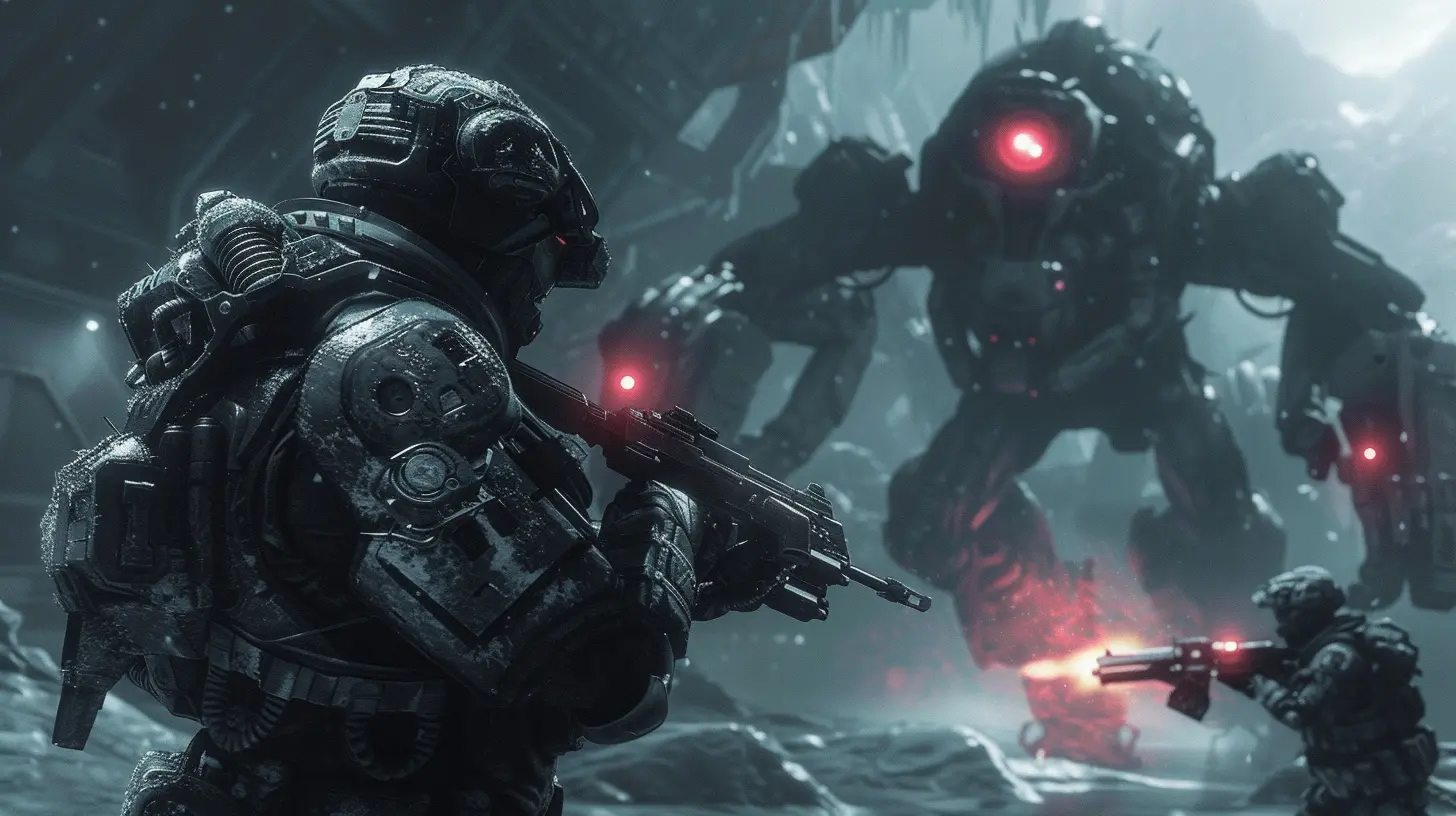
Cloning and Consent: A Missing Conversation
Let’s get down to ethics 101—consent. Most clones in video games are created without ever agreeing to it. And that’s… well, messed up.In Assassin’s Creed, for instance, DNA cloning and memory extraction play a central role. But did the ancestors ever say, “Sure, go ahead and relive my life”? Nope.
This lack of consent raises major red flags. If we respect human rights, shouldn’t artificially created beings have some say in how they live—or even if they want to exist at all?
Not giving them a choice is a lot like pushing someone onto a rollercoaster and locking the safety bar. They’re stuck for the ride, whether they like it or not.
The Morality of Creating Life for Purpose
Ask yourself this: is it ethical to create life just to use it?In Mass Effect, cloning and genetic engineering pop up all over the place. One notable example is the controversial Krogan genophage storyline—where reproduction is controlled for the "greater good." Ouch, talk about ethical landmines.
Even in cutesy games like Spore, where you evolve a species from scratch, there’s an uncomfortable undertone: you’re playing god. Fun, sure—but a little unsettling if you really think about it.
Games might not always dwell on this stuff, but that doesn’t mean the questions aren’t there, lurking beneath the surface.
The Disposable Clone Trope
A common (and honestly a little lazy) trope in sci-fi games is the “disposable clone.” Basically, when one dies, you just whip up another like it’s no big deal.The most obvious example? Respawn mechanics in games like Halo or Call of Duty: Black Ops III, where soldiers are duplicated over and over. It’s convenient, sure—but when death has no weight, life loses meaning.
This trope strips away individuality and implies that cloned life is less valuable. That’s a dangerous narrative if we’re talking ethics.
Cloning and the "God Complex"
Let’s not ignore the elephant in the room: playing god. Video game developers absolutely love giving characters god-like control over life and death.In SOMA, the lines between cloning, consciousness transfer, and simulated reality blur into a haunting tale of what it means to exist. The player becomes part of a system that clones and copies people without asking. It begs a serious question: just because we can, does that mean we should?
The “God Complex” trope often shows up via tech-savvy villains who think they’re fixing humanity. But it’s not just bad guys—sometimes, it’s us, the players. That’s a heavy responsibility, even in a virtual world.
Should Clones Have Rights?
Alright, let’s get real. If we accept that clones can think, feel, and make decisions, shouldn’t they have rights?In many games, clones are treated like property. They're bought, sold, or even deleted like files. But if they’re sentient—if they can cry, laugh, and scream—do we have a moral obligation to treat them like actual people?
It’s not a clear-cut answer. That’s what makes it so compelling.
Games like NieR: Automata go deep into this idea, showing androids grappling with existential dread and the search for meaning. They make you question everything—not just about them, but maybe even about yourself.
Why Do Gamers Love Cloning Themes?
Let’s be honest: cloning just makes for cool stories. You get drama, action, and a sleight-of-hand narrative that can keep audiences hooked.But underneath all the eye candy, these games tap into our deepest fears and hopes. Our fear of being replaced. Our hope that maybe, through science, we can live forever. Our confusion about what makes us “us.”
When done right, cloning in games isn’t just a plot device—it’s a prism that reveals uncomfortable truths about humanity itself.
The Gray Area: No Easy Answers
There’s a reason ethical dilemmas are so popular in video games—they’re complex. They force us to pause and reflect.Cloning isn’t inherently good or bad. It’s what we do with it that matters. And sci-fi video games, for all their crazy plots and alien species, are often better at exploring these murky waters than serious academic papers.
They let us walk a mile in a clone’s shoes, make impossible decisions, and live with the consequences. And that? That’s powerful.
Final Thoughts: Are We the Baddies?
So, after all this discussion—you gotta ask yourself: when you play god in these games, are you the hero… or just another morally warped scientist with a joystick?Cloning in video games isn't just about creating cool enemies or backup lives. It's a way to ask big, unsettling questions without needing to write an essay. And the best part? You get to choose your stance. You decide what’s right or wrong.
After all, video games are our playground—but sometimes, they double as a mirror. The next time you meet a digital clone, maybe stop and think: what do they see when they look at you?
all images in this post were generated using AI tools
Category:
Sci Fi GamesAuthor:

Emery Larsen
Discussion
rate this article
2 comments
Lydia Bellamy
Cloning in sci-fi games raises vital ethical questions about identity and autonomy. These narratives force players to confront the implications of creation, ownership, and what it truly means to be 'human' in a digital landscape that mirrors real-world dilemmas.
June 28, 2026 at 2:47 PM
Zorion Willis
Clones: ethical dilemmas and epic battles!
May 28, 2026 at 3:06 AM
Emery Larsen
Thanks for your comment! Clones definitely raise fascinating ethical questions and create intense conflict in sci fi. Glad you found that angle interesting!