When Storytelling Takes a Backseat to Monetization
19 February 2026
Let’s face it—video games aren’t just about fun and fantasy anymore. They've become massive money-making machines. And while there’s nothing wrong with developers earning a solid payday (they totally deserve it), there's a growing sentiment among gamers that something’s getting lost in the process—good old-fashioned storytelling.
You know, the kind that sticks with you? The stories that linger in your mind long after the credits roll? Yeah, those are becoming harder to find. Why? Because monetization is driving the bus now, and storytelling is being shoved into the trunk.
Let’s dive into why storytelling is being left in the dust, and what that means for the future of gaming.
The Golden Era of Storytelling in Games
Remember the first time you played Final Fantasy VII or The Last of Us? Those weren’t just games—those were emotional rollercoasters. Back then, developers poured heart and soul into crafting epic narratives. Story was king.Games were an escape. They pulled you into rich worlds with deep characters, complex plotlines, and meaningful choices. Every twist made you feel something. Heck, we cried when Aerith died. (No shame.)
But something has changed…
The Rise of the Dollar Sign: Monetization Takes Over
In recent years, we've seen a massive shift. The industry started focusing less on storytelling and more on how to generate continuous revenue. The result? A flood of games built around live services, battle passes, loot boxes, and microtransactions.The formula is simple.
Keep players engaged just enough to keep spending—new skins, new passes, new whatever. And while that’s great for business, the impact on storytelling? Brutal.
It’s like replacing a gourmet meal with a buffet of fast food. Sure, there’s variety, but it’s rarely satisfying.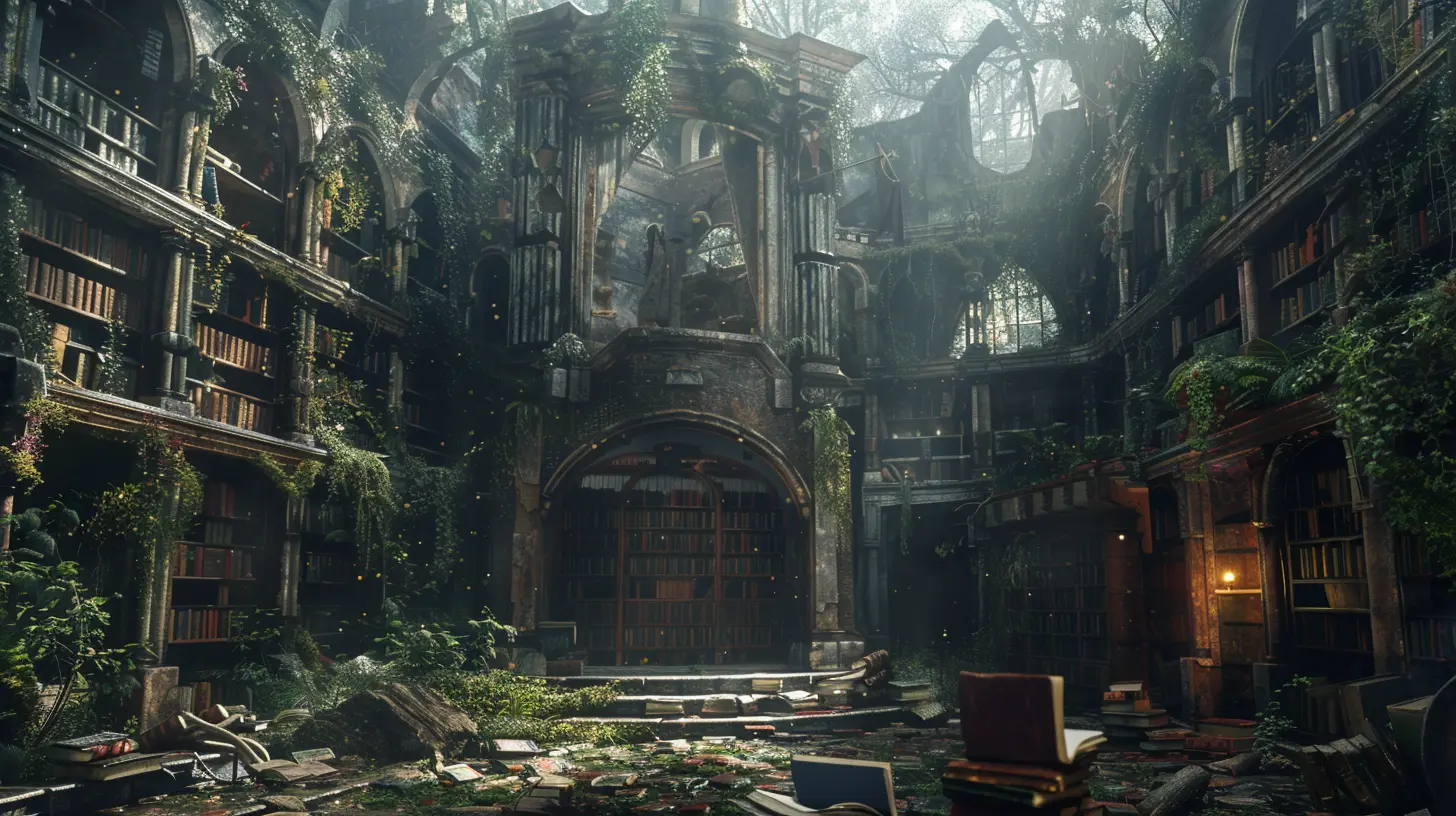
Gameplay > Narrative (Now More Than Ever)
Let’s call it like it is: Gameplay sells better than story. Fast-paced action, battle royales, and multiplayer chaos bring in the big bucks. Of course they do—those titles are super fun and highly replayable.But here’s the kicker—when you build games around monetization-driven gameplay loops, story often becomes an afterthought.
Take FIFA or Call of Duty for example. Amazing mechanics, sure. But storytelling? Eh. It’s there, but not the focal point. The emphasis is on competition, cosmetics, and keeping players grinding—not telling tales that’ll tug at your heartstrings.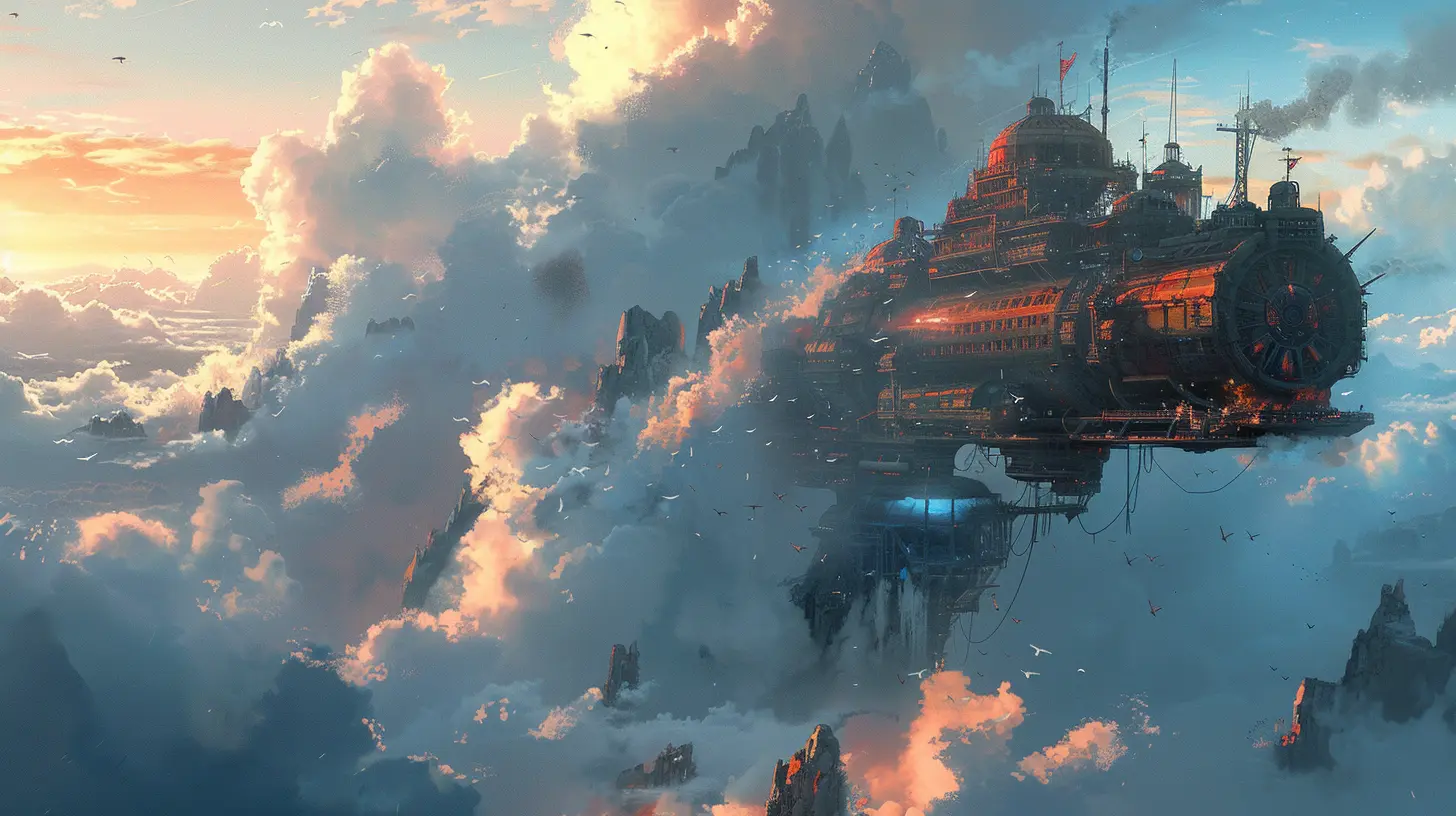
When Storytelling Feels Like DLC
One of the more frustrating trends nowadays is games locking narrative content behind paywalls. Want the full story? Gotta fork out for that expansion. Or better yet, the “Ultimate” edition.Even worse? Some games launch with half-baked plots, promising a “rich narrative experience” later—probably as paid downloadable content (DLC).
This nickel-and-dime approach transforms storytelling from an experience into a product. It’s no longer about creative vision—it’s about sales strategy.
Live Services: The Ultimate Distraction
Let’s talk about live service games for a second. On the surface, they sound awesome. Constant updates, seasonal events, fresh content. But here’s the dirty little secret—they often kill story development.Why invest time creating a deep, branching narrative when you can just add a new weapon skin, sell it in a limited-time pack, and call it a day?
Games like Destiny 2 and Anthem promised huge, evolving worlds, but ended up offering threadbare plots wrapped in fetching graphics and grindy gameplay. Sure, there were attempts at story, but they often felt hollow—like the emotional depth was sacrificed for more efficient monetization loops.
Mobile Gaming: The Monetization Playground
Let’s not forget mobile gaming—a realm where storytelling has all but vanished behind a wall of ads, pay-to-win mechanics, and daily login rewards.Ever tried to follow a gripping plot between timed events and “energy” cooldowns? Yeah, me neither.
In mobile titles, the user journey is laser-focused on getting players to spend frequently and consistently. Story? That’s just something that occasionally pops up between upgrading your base or unlocking Level 37 of Candy Paradise or whatever.
The Indie Rebellion: Storytelling Isn’t Dead Yet
Okay, so it’s not all doom and gloom. There’s hope—and it’s coming from indie developers.Indie games are where storytelling continues to shine. Titles like Hades, Celeste, Disco Elysium, and Oxenfree remind us that games can still be emotionally resonant, challenging, and driven by narrative.
These games often succeed because they’re not shackled to corporate expectations or monetization mandates. They're built with passion, not profit margins in mind.
And guess what? Players love them. They talk about them. They recommend them. That’s the power of great storytelling—it creates loyal fans, not just paying customers.
What We’re Losing When Story Doesn’t Matter
When storytelling takes a backseat, we lose something fundamental—meaning.Games stop being art and start being products. We lose that emotional connection. That feeling of being part of something bigger. That unforgettable moment when a game makes you laugh, cry, or sit in stunned silence.
We lose the soul of gaming.
Think about your favorite games. Chances are, you remember the story—not how many loot boxes you opened.
Can Both Coexist? (Spoiler: They Can)
Now, don’t get me wrong—I’m not saying monetization is inherently evil. Developers need to make money. Games are expensive to create. Monetization, when done ethically, can support a vibrant development cycle and fund future projects.The real issue is balance—or rather, the lack of it. We need games that offer engaging experiences without constantly throwing purchase prompts in our faces. Storytelling shouldn’t be sacrificed for subscriptions and skins.
Want a shining example? Look at The Witcher 3. It had paid expansions, sure—but they were massive, story-rich, and worth every penny. Players didn’t mind paying for quality content. Why? Because the story was king.
The Role We Play as Gamers
Believe it or not, we’re not powerless in this equation. The choices we make, the way we spend our money, and the feedback we give—all of it shapes the future of gaming.Support studios that care about storytelling. Take a break from grind-heavy games built around cash shops. Buy the game that moves you emotionally, not just the one trending on Twitch.
By showing the industry that we still value narrative, we can shift the needle back toward games that make us feel something.
Final Thoughts
In the race for profits, storytelling has been kicked to the curb more times than we’d like to admit. But it doesn’t have to stay that way.If developers, publishers, and players work together, we can create a world where epic narratives coexist with smart monetization. A world where we don’t have to choose between heart and hustle.
Because gaming isn’t just about killing time. It’s about living stories—ones worth remembering.
all images in this post were generated using AI tools
Category:
Game FailsAuthor:

Emery Larsen
Discussion
rate this article
2 comments
Selah Gomez
While monetization is essential for the industry's growth, sacrificing storytelling undermines the very essence of gaming. Players seek immersive experiences, not merely transactions. Prioritizing narrative depth over profit will ultimately lead to a more engaged and loyal player base.
February 20, 2026 at 5:31 PM
Emery Larsen
I completely agree. Striking a balance between monetization and storytelling is crucial for fostering genuine player engagement and loyalty. A strong narrative enriches the gaming experience and drives long-term success.
Adeline Jennings
While it's true that monetization strategies can sometimes overshadow storytelling in games, it's essential to recognize that many developers strive for a balance. Engaging narratives can coexist with financial models, enriching the player experience. Ultimately, the best games find ways to harmonize both aspects effectively.
February 20, 2026 at 5:38 AM
Emery Larsen
I appreciate your perspective! Striking a balance between monetization and storytelling is crucial for creating engaging player experiences. It's encouraging to see developers aiming for that harmony.