Exploring Cultural Diversity Through Games from Around the World
22 June 2026
Ever sat around a game board and felt a sense of connection — even with people who speak a different language or live across the globe? Games do that. They break down walls, replace words with actions, and build bridges through fun. In many ways, games may be the most underrated global language we have.
In this digital era where we’re all just a click away from anyone worldwide, games are more than just ways to pass time. They’re cultural footprints — windows into how people think, what they value, and how they come together. So in this article, we’re going to dive into how games help shine a light on cultural diversity. Buckle up, it’s going to be a colorful ride!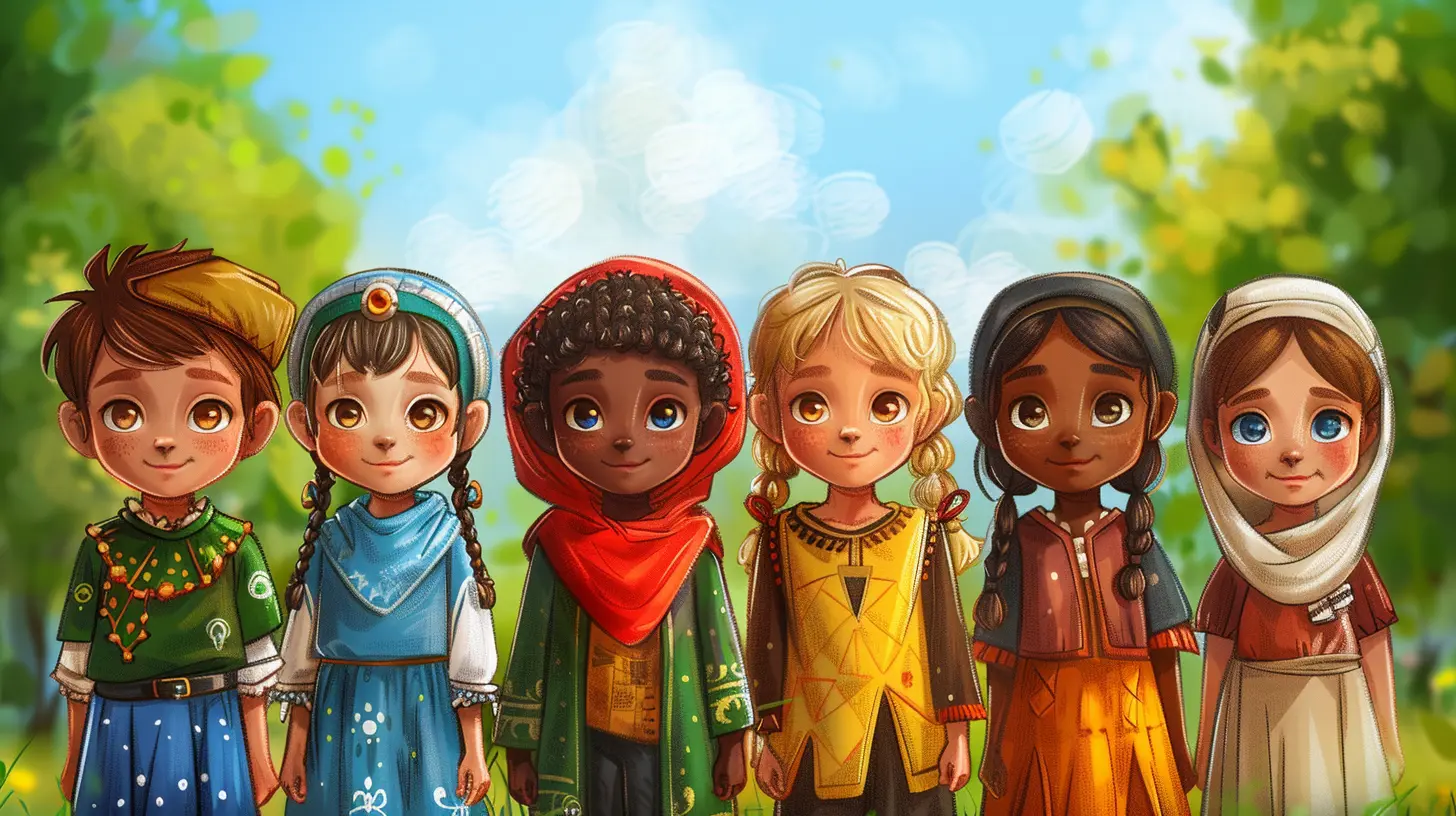
Why Games Reflect Culture
Let’s start with a simple truth: games aren’t just made up. They evolve from traditions, beliefs, and the everyday lives of people. Think of them as cultural mirrors — playful yet profound.For instance, while a strategy-heavy game like Chess (which has deep roots in India) focuses on patience and forethought, other games like Lotería from Mexico thrive on randomness and vibrant social energy. Every game reveals something about the community it comes from.
Games: The Universal Language
Even if you don’t speak a word of Japanese, you can still sit down and play a round of Go. Never been to Ghana? You can still enjoy Oware with its rhythmic gameplay and centuries-old history. That’s the magic of games — they transcend borders.They take deep cultural elements, wrap them in fun, and make them easy to share with anyone, anywhere. And honestly, what better way to understand someone than to play with them?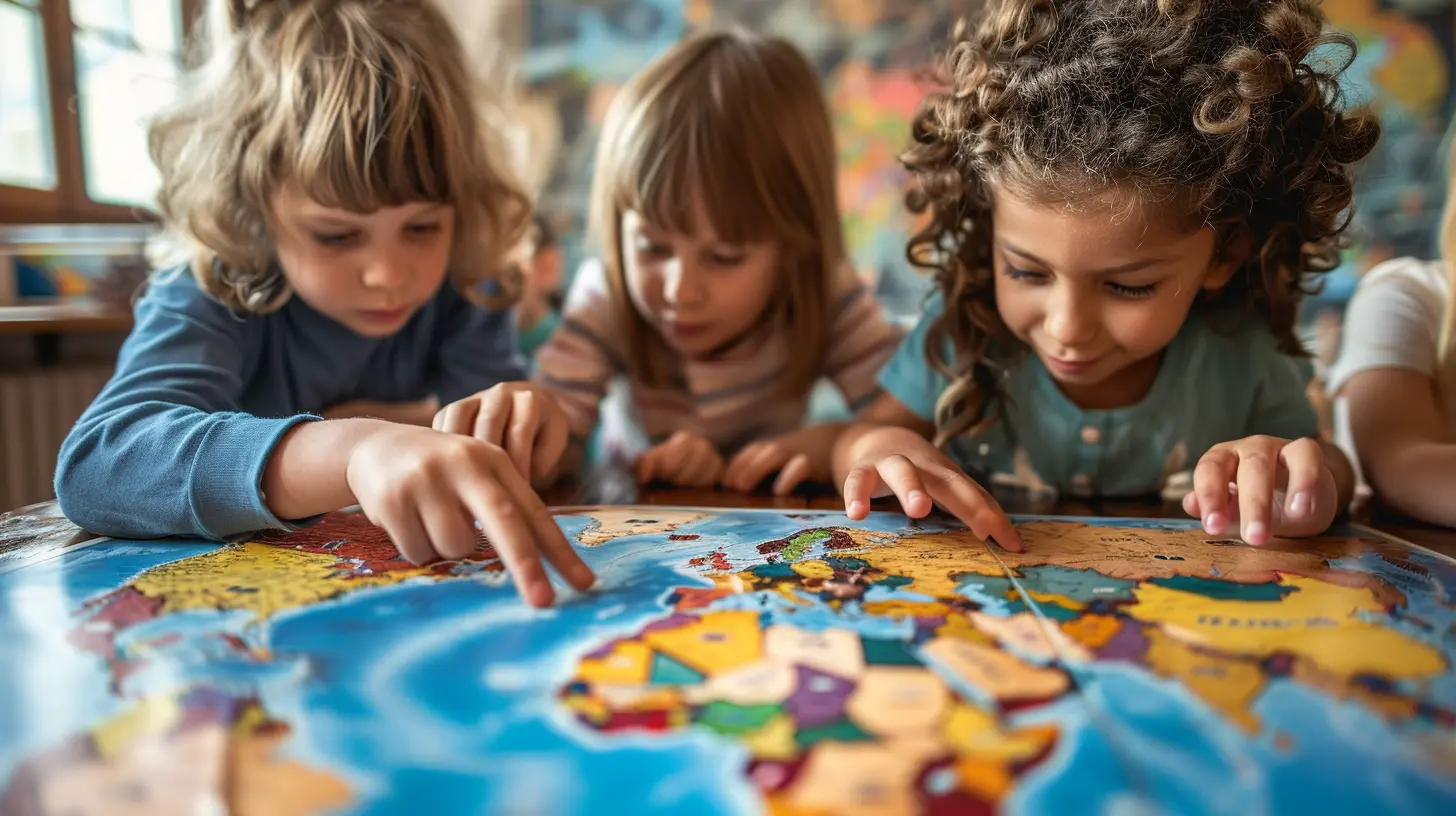
Traditional Games with Global Roots
Let’s talk about some classic games from around the world that have packed more than just entertainment — they’ve carried history, values, and social customs across generations.1. Mancala (Africa)
Originating in Africa, Mancala isn’t just one game — it’s a whole family of games with tons of variations across the continent and the Middle East. Played with seeds, stones, or beads, it teaches strategy and forward-thinking. But it’s not just brain power — playing Mancala is also a social experience, often accompanied by storytelling and laughter under the stars.It’s fascinating how such a simple game board — usually just a carved wooden plank — can represent so much cultural depth.
2. Pachisi (India)
If you’ve ever played Ludo or Parcheesi, you’ve played a modern cousin of Pachisi — a game that originated in ancient India. Played on a cross-shaped board, Pachisi was historically a royal game. It reflected Indian society’s structure and even had spiritual undertones connecting to the cycle of life and karma.Games like Pachisi weren’t just for fun. They were used to teach values, simulate life’s unpredictability, and bring communities together during festivals.
3. Senet (Ancient Egypt)
Senet is one of the oldest known board games in human history, dating back to 3100 BCE. Egyptians believed it symbolized the soul’s journey through the afterlife. That’s serious business for a board game, right?Imagine playing something that not only entertained but was also spiritually significant. That’s how games once shaped people’s beliefs about life and death.
4. Tlachtli (Mesoamerica)
Okay, now for something truly unique — a ballgame played by the ancient Maya and Aztec civilizations. Tlachtli wasn’t your average Sunday afternoon fun. It was intense, fast-paced, and often had religious meanings. Sometimes, it even involved human sacrifice. Talk about high stakes.But more than that, it revealed how deeply sports and games were embedded in ceremonial life, politics, and even warfare.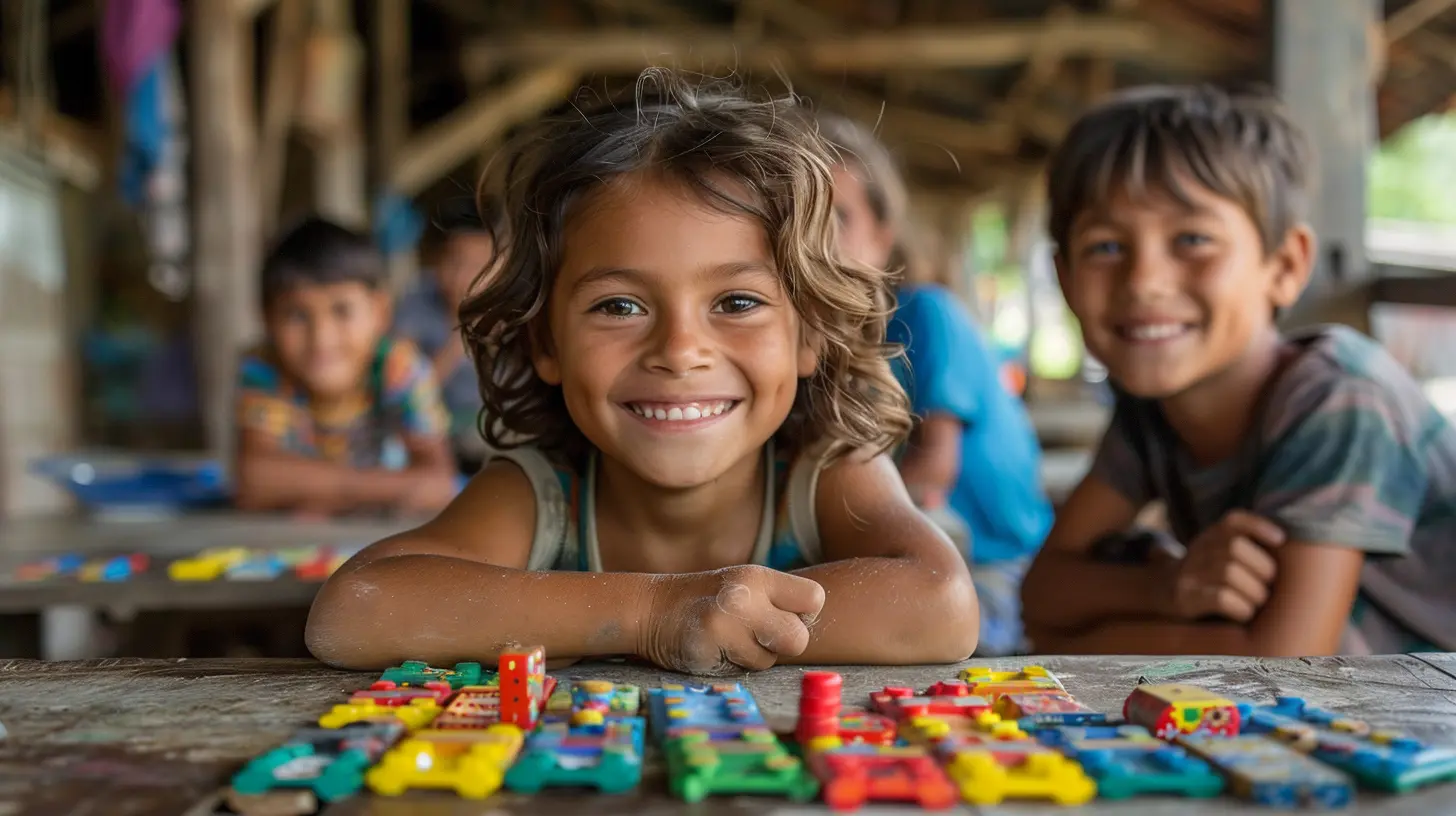
Modern Global Games That Promote Cultural Awareness
It’s not just traditional games that offer cultural insight. Many modern tabletop and video games are now intentionally designed to teach, celebrate, or raise awareness of diverse cultures.1. Never Alone (Kisima Inŋitchuŋa)
This indie video game is based on the folklore of the Iñupiat people of Alaska. Developed with help from Alaska Native elders and storytellers, it’s way more than just a platformer. It lets you dive deep into the Iñupiaq culture — their myths, environment, and worldview — all while guiding a young girl and her fox companion through icy landscapes.It’s a brilliant example of how modern tech can help preserve and spread indigenous knowledge.
2. Okami (Japan)
If you’ve never played Okami, add it to your bucket list. Inspired by Japanese mythology and Shinto beliefs, this game is a visual treat and a masterclass in storytelling. You play as Amaterasu, a sun goddess in wolf form, bringing color and life back to a cursed world.Through its art style and narrative, Okami educates players on Japanese legends without feeling even remotely like a history lesson.
3. Black and White Gaming Narratives
Games like Assassin’s Creed often dip into different historical and cultural backdrops — from the streets of Renaissance Italy to Ancient Egypt and feudal Japan. While they take creative liberties, they spark curiosity about unique cultural eras and peoples.Even games like Civilization VI, which lets players control global empires, reflect diverse leadership styles, architectural tastes, and cultural challenges.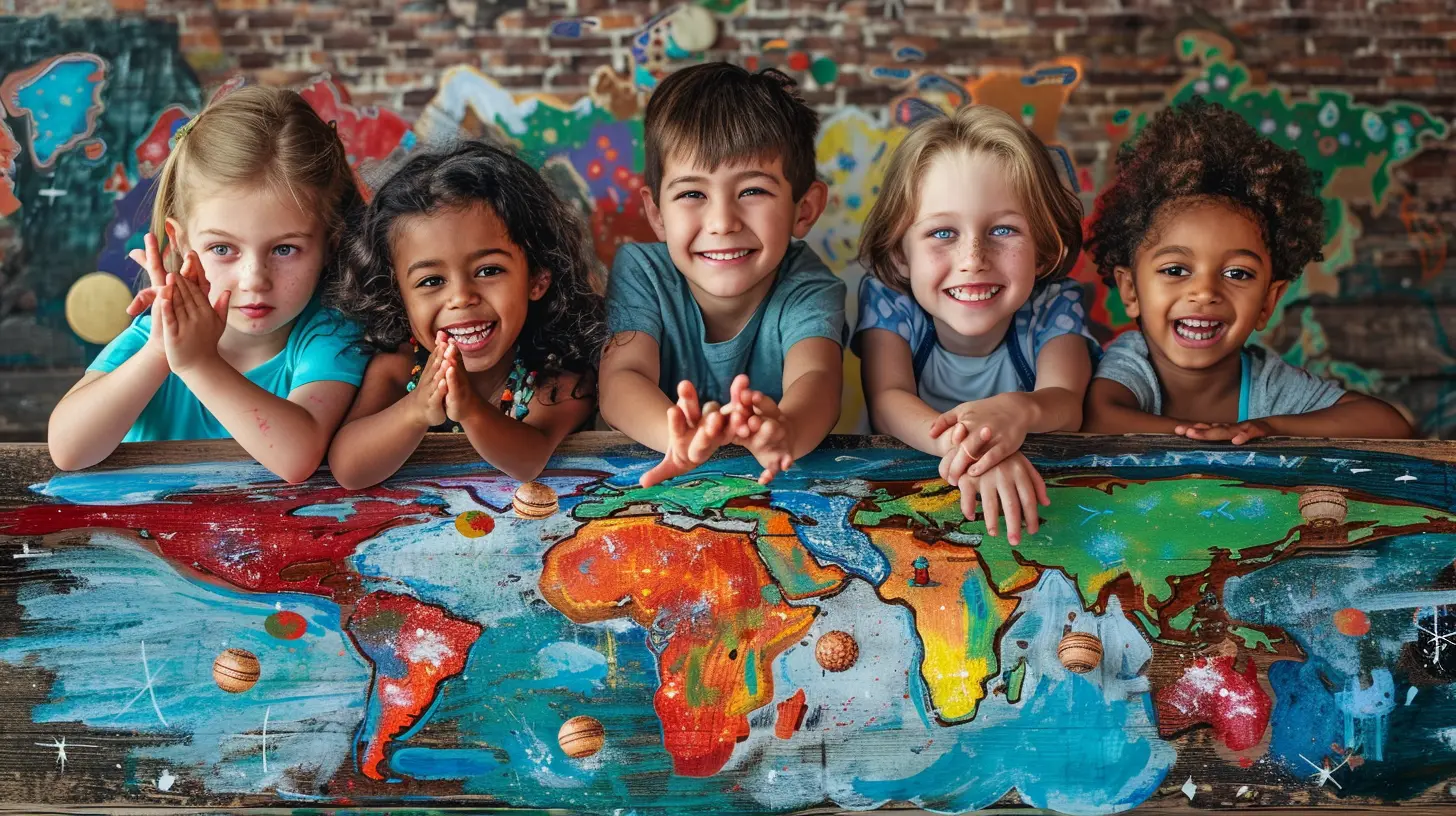
How Digital Games Encourage Intercultural Dialogue
Online multiplayer games are like international potlucks — everyone brings their own flavor to the table.Games like Minecraft, Fortnite, and even Animal Crossing have enormous global communities. Players from Brazil might be collaborating with gamers in Japan, all while chatting in English or using emojis and emotes to communicate. That’s cross-cultural communication happening in real-time.
What’s great is that these connections often go beyond the game. Players make friends, learn about festivals like Diwali or Ramadan from teammates, and sometimes even swap recipes or music. That’s not just gaming — that’s globe-trotting from your couch.
Educational Impact: Using Games in Cultural Studies
You know what’s better than reading a textbook chapter on ancient civilizations? Playing a game that lets you live in one.Educators are increasingly turning to games to teach students about world cultures. Interactive simulations, role-playing games, and historical reconstructions offer immersive learning where students not only absorb facts but also empathize with different perspectives.
Examples You Should Know:
- Mission US — A series of educational games that put players in the shoes of people throughout U.S. history, including immigrants and indigenous voices.- World History Atlas Games — Interactive geography and culture-based games used in classrooms to build global understanding.
- GeoGuessr — A fun online game that drops you somewhere in the world (via Google Street View) and you have to guess where you are.
Game Developers Promoting Cultural Representation
The gaming industry has a massive influence on what stories get told. Luckily, there's been a shift toward inclusivity and authenticity.More indie developers are emerging from underrepresented regions and telling their own stories. African-made games like Aurion: Legacy of the Kori-Odan bring West African mythology to the forefront. Games from Southeast Asia, like Coffee Talk by Indonesian developer Toge Productions, blend local vibes into global storytelling.
It’s a much-needed pivot — from cultural appropriation to cultural appreciation.
Games That Break Stereotypes
Representation matters. And games help challenge (and often shatter) stereotypes by showing us that everyone, everywhere, has complex, rich stories worth telling.Instead of defaulting to clichés, modern games are portraying characters of different ethnicities, genders, and backgrounds in roles that are heroic, powerful, or just deeply human.
Remember when the only “diverse” characters were background NPCs or sidekicks? Not anymore. Now they’re front and center.
Playing As Cultural Exchange
Ever joined a tabletop RPG group that spans countries? Traded Pokémon with someone from Korea? Competed in a FIFA tournament with players from five continents?These interactions go far beyond wins and losses. They’re about connection — through laughter, shared goals, and even good-natured competition. It’s cultural exchange wrapped in fun.
And let's be real — making a new friend through gaming feels just as satisfying as unlocking a rare achievement, doesn’t it?
Challenges and Responsibilities
Not all cultural representation in games is perfect. Sometimes, it's poorly researched or falls into harmful tropes. Other times, it’s a shallow "skin" without substance.As players, we need to be curious and critical. And as developers, the responsibility lies in doing the homework — hiring cultural consultants, including authentic voices, and making sure representation isn’t just visually accurate but also emotionally respectful.
Gaming can be a tool for unity or division. It's all in how it's used.
Final Thoughts: Play to Understand
Culture can be complicated, layered, and sometimes a bit daunting to “understand” in a traditional way. But games? Games make it fun. They pull you into a new world and say, “Here, try this.” Before you know it, you’re not just playing — you’re learning, connecting, and stepping into someone else’s perspective.So next time you pick up a controller or open a game box, ask yourself: Where did this come from? Who made this? What story is it telling?
You might be surprised at just how much a game can teach you about someone else — and maybe even yourself.
all images in this post were generated using AI tools
Category:
Games For KidsAuthor:

Emery Larsen
Discussion
rate this article
2 comments
Gunner Hensley
Games really open a window to different cultures. It's amazing how much we can learn while having fun!
July 31, 2026 at 4:14 PM
Emery Larsen
I couldn't agree more! Games give us a unique lens to experience and appreciate diverse cultures while enjoying ourselves.
Sadie McIlroy
This article beautifully highlights how games can bridge cultural gaps and foster understanding. Each game is a window into unique traditions and stories, reminding us of our shared humanity. It's inspiring to see the power of play bringing people together while celebrating our diverse backgrounds. Thank you for this insightful piece.
June 24, 2026 at 2:40 PM
Emery Larsen
Thank you for your kind words! I'm glad you enjoyed the article and feel the same way about the power of games in fostering connection and understanding.