How Sensory Games Help Kids with Different Learning Needs
11 August 2026
Let’s face it—learning is not one-size-fits-all. Kids are like snowflakes (but cuter and louder), each with their own quirks, superpowers, and sometimes, unique learning needs. Now, toss the traditional "sit-still-and-listen" teaching style out the window, because it doesn’t work for everyone—especially not for the kids who need a little extra something. And that, my friend, is where sensory games swoop in like caped heroes with glitter and slime.
So, what exactly are sensory games, and why are they the secret sauce for making learning fun and effective for ALL kids? Grab your favorite snack, kick back, and let's dive deep into this fascinating (and squishy) world.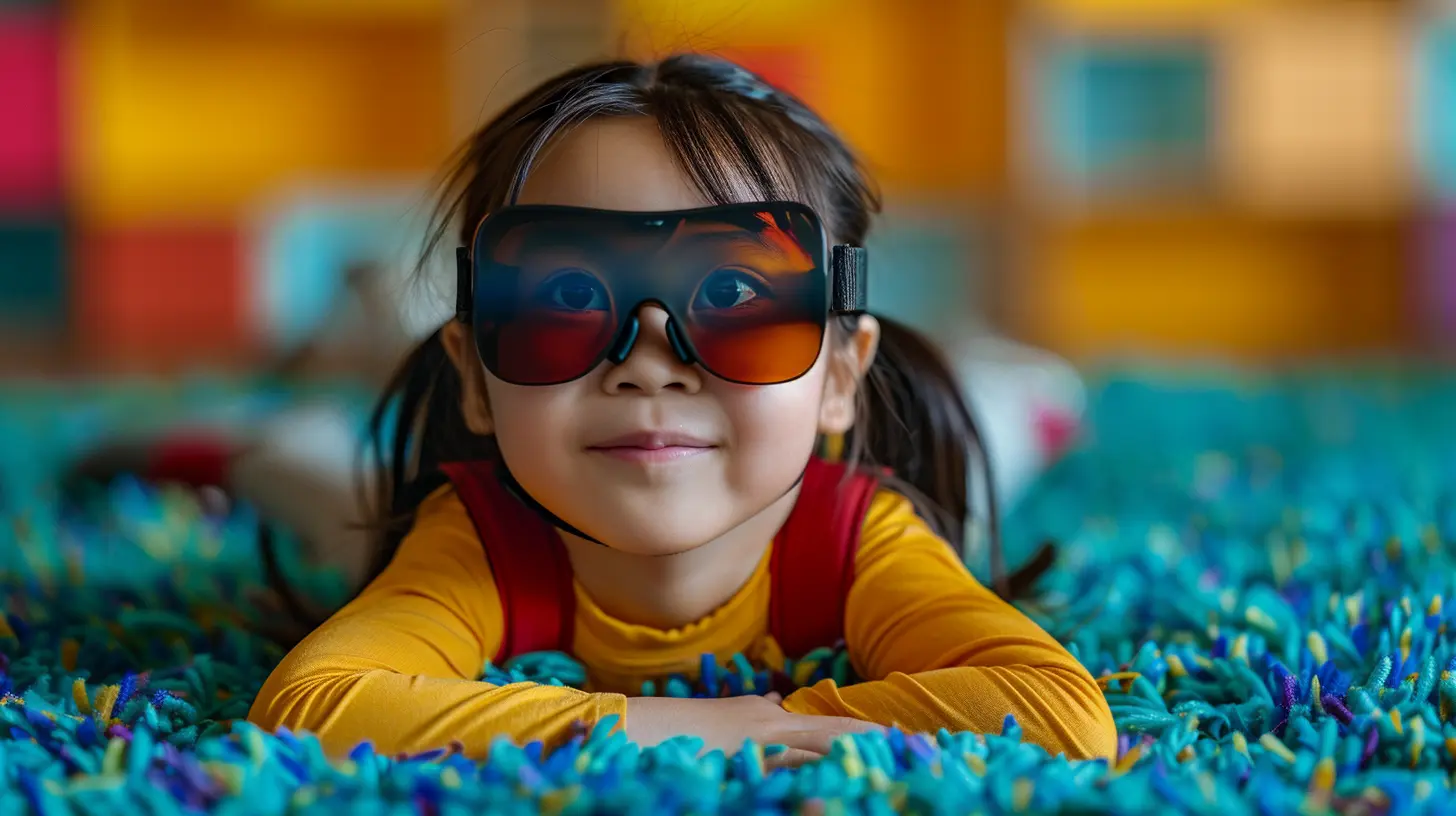
What Are Sensory Games Anyway?
If the term “sensory games” makes you think of sand, slime, and maybe a suspicious trail of glitter down the hall—you're spot on.Sensory games are play-based activities that engage one or more of the five senses: touch, taste, smell, sight, and sound. They also sometimes tap into two lesser-known senses—proprioception (body awareness) and vestibular (balance and movement).
Think of them as activities that make kids FEEL their way through learning. Instead of just listening to instructions, they may be squishing, bouncing, pouring, spinning, or even dancing while absorbing information. Sounds fun? That’s because it is.
Why Sensory Games Rock for Kids with Learning Needs
Some kids learn by seeing, others by hearing, but some need to move, feel, and experience something hands-on to really get it. Guess what? Sensory games cater to all of those learning styles and more. Especially for kids with learning differences like:- ADHD
- Autism Spectrum Disorder
- Sensory Processing Disorder
- Dyslexia
- Developmental delays
- Speech/language impairments
Sensory games provide that “in-between-the-lines” way of learning that traditional methods often miss.
Let’s break down how these magic-filled games actually help.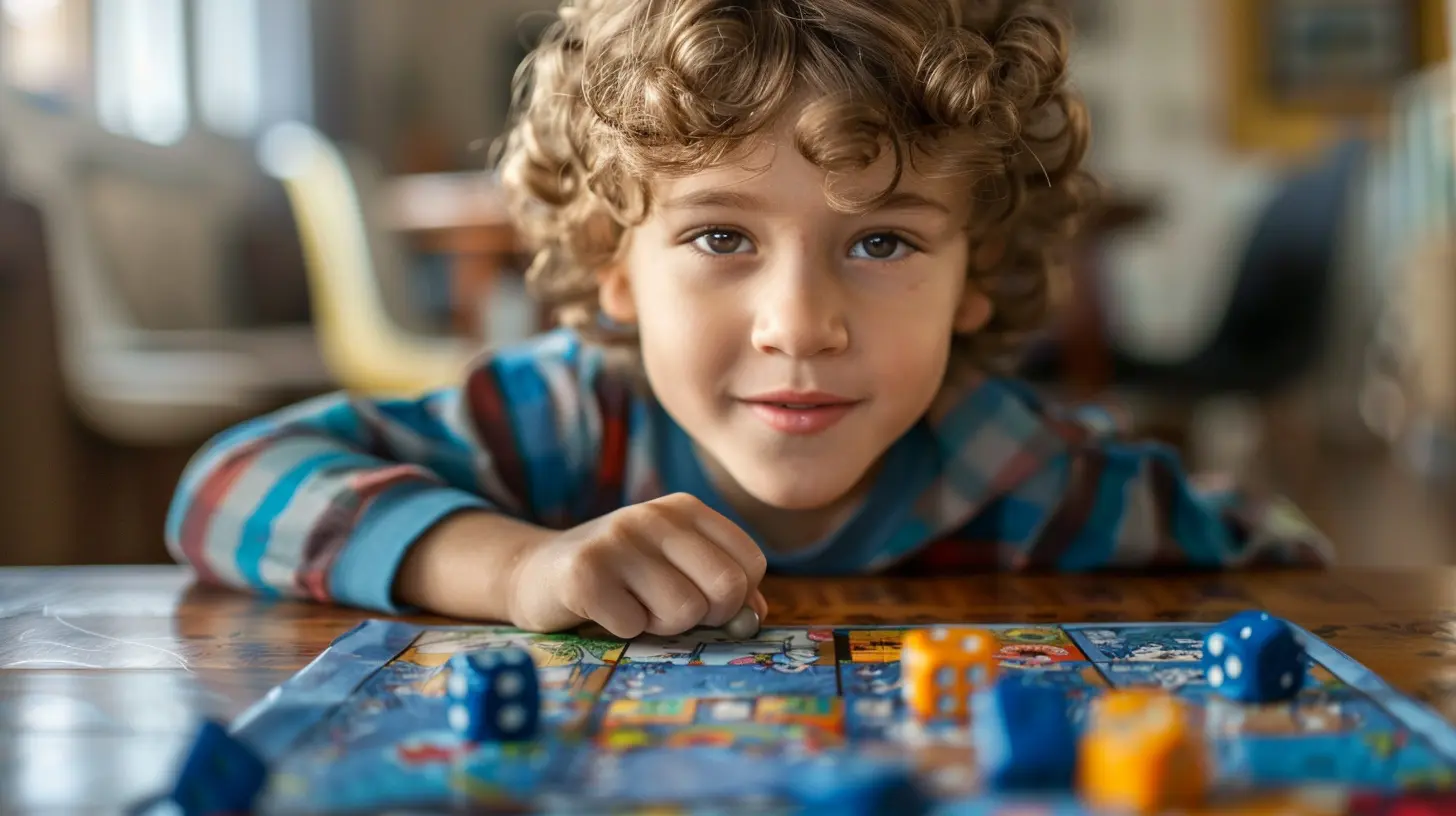
1. Sensory Games Help with Focus and Attention (Yes, Really!)
Ever try asking a four-year-old to sit still for 10 minutes? It's like herding cats. Now imagine asking a kid with ADHD to do the same? Mission Impossible.Sensory games channel that need to move and explore into something productive. Instead of fighting their energy, these games say, "Hey, let’s use that energy creatively!" Activities like:
- Bouncing on a therapy ball while counting
- Tracing letters in sand or shaving cream
- Building shapes with playdough
These engage the body and sharpen the mind, boosting focus without feeling like work. They turn distractions into action.
2. They Improve Fine and Gross Motor Skills
Picking up tiny beads, squeezing putty, or jumping across color-coded mats might just look like fun and games to you, but to a child, it’s occupational therapy in disguise.For kiddos who struggle with coordination, balance, or using their hands effectively (fine motor skills), sensory games offer endless opportunities to strengthen those muscles.
Here are a few sneaky-skill-boosting activities:
- Threading beads for hand-eye coordination
- Pouring water between containers to improve grip and control
- Walking on textured paths to build balance
It’s like a gym workout for pint-sized hands and feet—without the sweatbands.
3. They Reduce Anxiety and Meltdowns
Let’s get real—some kids get overwhelmed by certain sounds, textures, or bright lights. It’s not just discomfort; it’s like their brains hit the panic button. Sensory games can help build tolerance and provide calming input.Ever seen a child cuddle a weighted blanket or play quietly with kinetic sand? That’s sensory regulation in action.
Here are a few calming game options:
- Playing with scented dough
- Listening to rain sounds while sorting colored buttons
- Squeezing water beads as a fidget activity
These games create a safe place for kids to decompress and reboot, like hitting "control-alt-delete" on overstimulation.
4. Boosts Language and Communication Skills
Now, I’m not saying a ball pit can teach a toddler the Gettysburg Address—but it might help them say their first full sentence.For kids with speech or language delays, sensory play opens the door to communication. It gives them something to talk about, ask for, or describe. It also builds vocabulary naturally—like naming textures, colors, or actions.
Ever notice how a child can suddenly say “squishy” with pride when playing with slime?
Sensory games often involve turn-taking, asking questions, giving instructions, and storytelling. It’s like a secret language lesson wrapped in giggles.
5. Encourages Social Interaction
You wouldn’t think a game involving rice bins and toy dinosaurs could help with social skills—but you’d be wrong.Many kids with learning needs struggle with peer interaction. Sensory games offer low-pressure situations where kids can engage side-by-side or take baby steps toward shared play.
Imagine this: Two kids squishing their hands through jelly, giggling about how “icky” it feels. Boom—common ground. That leads to eye contact, conversations, and maybe even friendship.
It’s social ice-breaking without the awkward small talk.
6. Stimulates Creativity and Imagination
Sensory play doesn’t always follow rules—and that’s the beauty of it. Unlike typical games with winners and losers, sensory games let kids make the rules.One minute, the sand table is a desert. The next, it's a dinosaur graveyard. Or maybe it’s cupcake batter being made for an imaginary tea party.
When kids drive the story, they’re building creativity, problem-solving, and confidence. Those are skills that help not only in the classroom but in life.
7. Makes Learning Fun (Because Why Shouldn’t It Be?)
Let’s not pretend kids race to do worksheets. But give them a tray of rainbow rice and a few hidden objects? Suddenly they're spelling their names and practicing math without even realizing it.You can sneak learning into:
- Counting colored pom poms
- Matching letters with textured cards
- Sequencing steps in a sensory scavenger hunt
The result? They’re learning while laughing. Do we need to say more?
Sensory Game Ideas You Can Try at Home or in a Classroom
Alright, enough theory. Let’s get a little messy—here are some go-to sensory games perfect for home, school, therapy sessions, or anywhere kids roam.1. Sensory Bins
Theme it, fill it, forget it. Add dry pasta, rice, beans, or even cornmeal. Toss in letters, numbers, or toy animals for kids to “excavate.”2. Slime Time
Homemade slime can be stretchy, squishy, or even glittery. Add scents or colors for extra sensory flair.3. Obstacle Courses
Build indoor or outdoor paths using pillows, tunnels, and balance boards. Add tasks like counting or color-matching along the way.4. Water Play
Buckets, cups, toy boats—simple but powerful. Great for tactile input and science concepts like volume and flow.5. Texture Walks
Lay out different materials like bubble wrap, sandpaper, fabric, or grass. Let feet do the exploring.6. DIY Musical Shakers
Fill empty bottles with rice or beans. Shake to different rhythms or create a dance party.Tips for Tailoring Sensory Games for Special Needs
Every kid is different, and so are their preferences and tolerance levels. Here’s how to keep it chill and effective:- Start slow: Introduce new textures or sounds gradually.
- Follow their lead: If they’re loving the water table today, roll with it.
- Offer choices: Give options instead of forcing activities.
- Keep it safe: Avoid allergens (like gluten in play dough) if needed.
- Mix it up: Rotate materials to keep engagement high.
The goal isn't perfection—it’s progress.
A Word to Parents, Teachers & Therapists
If you’re navigating the world of learning needs, hats off to you. It’s not always easy, but sensory games can be your best sidekick. They’re fun, flexible, and incredibly powerful without needing tons of supplies or flashy tech.Whether you’re in a classroom, a therapy room, or the middle of your living room, sensory games bring learning to life in a way that’s meaningful for every kid—especially the ones who need it most.
So go ahead—embrace the mess, the noise, and yes, even the glitter. You might just be giving a child their favorite way to learn.
Final Thoughts
Learning doesn’t have to come from books alone. It can rise from a bin of beans, swirl in a cloud of bubbles, or sing through a homemade maraca. Sensory games aren’t just pastimes—they’re paintbrushes for the minds of children with different learning needs.So next time you see a kid wrist-deep in kinetic sand or giggling in a puddle, take a moment. They’re not just playing. They’re learning—with all their senses firing.
And if it gets a little wild? That’s okay. Learning should be messy sometimes.
all images in this post were generated using AI tools
Category:
Games For KidsAuthor:

Emery Larsen