How Studio Layoffs Lead to Broken Games
21 May 2026
Let’s talk about something that’s become all too common in the gaming industry: studio layoffs. You’ve probably seen the headlines—"200 Developers Let Go," "Mass Layoffs at Major Studio," or "AAA Devs Axed Months Before Launch." It's not just sad for the folks losing their jobs—this wave of firings often leads to a bigger problem that directly affects us, the players: broken games.
You know the type. Games that launch with more bugs than features, storylines that feel half-baked, or multiplayer modes that barely work. It's not just bad luck or a rough patch. There's a direct line between layoffs and the messy, unfinished games that hit the shelves. And it's about time we connect the dots.
So, buckle up. We’re diving deep into how slashing dev teams wrecks the games we love—and why it keeps happening.
The Layoff Epidemic in Gaming
Before we break down how this affects the games themselves, let’s look at the layoff trend. It’s not just indie studios or small publishers—huge names like EA, Ubisoft, Sony, and even Microsoft have all cut hundreds of jobs, in some cases after record profits.It’s like sports teams firing their players the season they win the championship.
And while the official statements sound polished—“realigning resources,” “strategic shifts,” and “enhancing efficiency”—what’s really happening is cold, hard cost-cutting. These aren’t just numbers on a spreadsheet. They're real developers: artists, testers, writers, and programmers—each one crucial to delivering a polished final product.
What Happens When Talent Walks Out the Door?
Imagine baking a cake and halfway through, being told you can’t use eggs or an oven anymore. That’s what it feels like making a game when half your team gets let go.Here’s what usually happens after layoffs:
1. Development Timelines Collapse
Games have massive production schedules, often planned years in advance. When key staff are suddenly gone, others have to juggle their own work and pick up new, unfamiliar tasks. That stretches timelines—and people—thin.2. Knowledge Loss is Irreversible
In any complex project, a lot of essential info lives in people’s heads. When they’re let go, all that context goes with them. Suddenly, no one remembers why a certain code structure exists or how that one AI behavior actually works.3. Morale Tanks, Productivity Drops
Let’s be real: it’s hard to be creative when you’re worrying about your job. The remaining team often feels overworked, undervalued, and anxious. That’s a recipe for burnout, not brilliance.4. Features Get Cut or Rushed
With fewer hands on deck, studios often cut corners. They drop entire game modes, skimp on testing, or push out features that just aren’t ready. You’ve seen it—you boot up a new game and wonder, "Was this even play-tested?"
Real-World Examples: Broken Games Born from Layoffs
Let’s look at a few big-name games that launched in a broken state—and how layoffs behind the scenes played a part.? Cyberpunk 2077 – CD Projekt Red
This one's infamous. Despite years of hype, the game's launch was a mess. Glitches, crashes, missing NPCs—you name it. While overpromising and corporate pressure played a role, part of the chaos came from poor staffing decisions and overworked developers. Internal layoffs and reshuffling left huge gaps in teams critical to QA and bug fixing.? Battlefield 2042 – EA DICE
The game dropped with broken hitboxes, laggy servers, and missing features. Behind the curtains, EA had quietly laid off a chunk of its QA and support staff. When you fire people responsible for testing, guess what happens? Stuff slips through the cracks.? Redfall – Arkane Austin (Bethesda)
Marketed as a co-op vampire shooter, Redfall was torn apart at launch for lackluster gameplay and awful AI. Turns out, devs had been bleeding talent for months before release. Layoffs and high turnover led to a skeleton crew finishing a game they barely recognized anymore.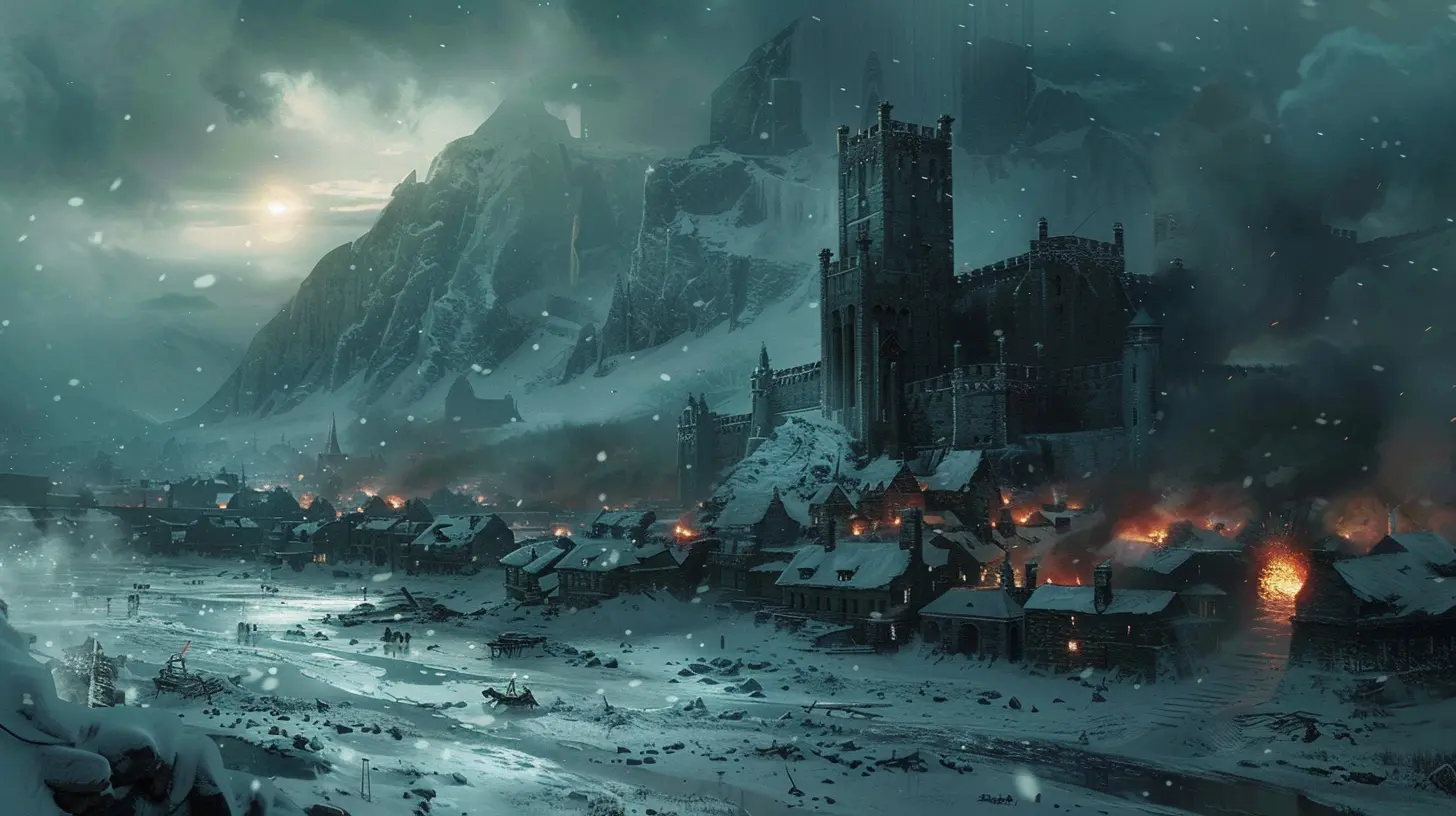
Why Do Publishers Keep Doing This?
You’d think after so many disasters, publishers would learn, right? But nah.Here’s why it keeps happening:
? Profit Over People
The gaming industry might wear jeans and joke around on Twitter, but behind the scenes, it’s all business. Big companies chase quarterly profit margins, not critical acclaim. If cutting staff boosts investor confidence—even temporarily—it happens.? Mismanaged Expectations
Studios announce huge projects with unrealistic deadlines. When things start slipping, instead of extending time and budget, the solution? Shrink the team. It's like trying to fix a leaky boat by tossing out the crew.? Outsourcing & Contracting Culture
Many studios rely on contract workers and outsourcing to cut costs. These folks are the first to go when budgets tighten, which leads to unstable teams and poor communication—two things that kill quality fast.The Human Cost Behind the Pixelated Mess
Let’s not forget—this isn’t just about bad games. It’s about people. People who poured their souls into a project, only to be let go before the launch party.Layoffs don’t just hurt the game—they hurt the culture. Talented devs leave the industry entirely, fed up with its instability. Newcomers get discouraged. And eventually, we all suffer because the truly passionate voices are drowned by corporate efficiency.
What Can Be Done to Break the Cycle?
While we can't snap our fingers and fix the industry, there are ways studios—and we as players—can push for change.✅ Give Devs More Time
Rushing games has never worked. Studios (and shareholders) need to accept that a delayed game is better than a broken one. Giving teams breathing room leads to tighter, cleaner results.✅ Respect the QA Process
Testing isn’t optional—it’s essential. Studios should invest in strong QA teams, not gut them when budgets shrink. No one wants to be a beta-tester after paying $70.✅ Stable, Transparent Management
Clear communication, fair expectations, and genuine support for devs create more satisfied teams—and better games. It's not rocket science. Happy people make good products.✅ Hold Publishers Accountable
As players, we vote with our wallets. Support games with ethical development practices. Avoid pre-orders for games that look shaky. Demand better—because we deserve it.Conclusion: Broken Games Start with Broken Workplaces
Here’s the raw truth: you don’t get finished, polished, fun-to-play games when the people making them are overworked, underpaid, and terrified of being axed.Layoffs might make short-term financial sense for publishers, but they almost always lead to long-term damage—to the game, the team, and the trust of players.
We need studios to start valuing the people behind the pixels as much as they value profits. Because every time a talented dev walks out the door, we get one step closer to another broken game—and nobody wants that.
all images in this post were generated using AI tools
Category:
Game FailsAuthor:

Emery Larsen
Discussion
rate this article
2 comments
Francesca Jacobs
It's tough to see talented teams struggle while we wait for quality.
June 23, 2026 at 4:33 AM
Emery Larsen
I completely understand your frustration. It's disheartening to see potential wasted while studios face tough decisions. Quality should always come first.
Ethan McCray
Cutting staff cuts quality; gamers deserve better.
May 27, 2026 at 3:51 AM
Emery Larsen
You're right. Quality often suffers when teams shrink. It's a tough situation for both developers and gamers.