How to Use Games to Teach Empathy and Emotional Intelligence
7 July 2026
Let’s face it—we all love games. Whether it’s a good ol’ board game with friends, an online battle royale, or an emotional narrative-driven adventure on your console, games are everywhere. But what if I told you games could do more than just entertain? What if they could actually teach us something... pretty profound... like empathy and emotional intelligence?
Sounds crazy? Stick with me. It turns out that those pixels and storylines are more powerful than they look.

What Are Empathy and Emotional Intelligence Anyway?
Before we dive headfirst into the world of play, let’s break it down. Empathy is all about putting yourself in someone else's shoes. It's understanding and sharing someone’s feelings—like when a friend loses their dog and you feel that lump in your throat even though it wasn’t your pup.Emotional intelligence (EI), on the other hand, is a combo pack of skills. It's being aware of your own emotions, managing them, recognizing emotions in others, and dealing with relationships wisely and kindly. It's like having a built-in emotional GPS.
Now, think about what makes a game immersive. Characters, plot, choices, consequences... That’s prime real estate for emotional growth, friends.

Why Games Work Like Magic for Emotional Learning
Imagine you're playing a choice-driven RPG. You decide whether to save a village or take a reward and walk away. The NPCs react. There are consequences. You feel... something. Guilt? Pride? That’s empathy flexing.Games simulate real-world complexity, but in safe, low-stakes environments. You can feel, fail, reflect, and feel again—all without real-life heartbreak.
Games Are Safe Emotional Sandboxes
In games, especially narrative-driven ones, players often walk in someone else’s shoes—quite literally. You live their pain, joy, fear, and dilemma. That’s like emotional training wheels in action.They Offer Perspective-Shifting Experiences
Ever played a game where you switched between characters with wildly different backgrounds or beliefs? Games like Life is Strange, Undertale, and Detroit: Become Human do this brilliantly. They get you thinking, “Whoa... I never saw it like that before.”That mental shift? That’s empathy blooming.
Games Make Emotions Tangible
Unlike textbooks or lectures—which, let's admit, can be snooze-fests—games make emotional learning engaging. You feel the consequences of your actions, and that makes the learning stick. Emotional intelligence isn’t just about knowing stuff—it’s about feeling it, too.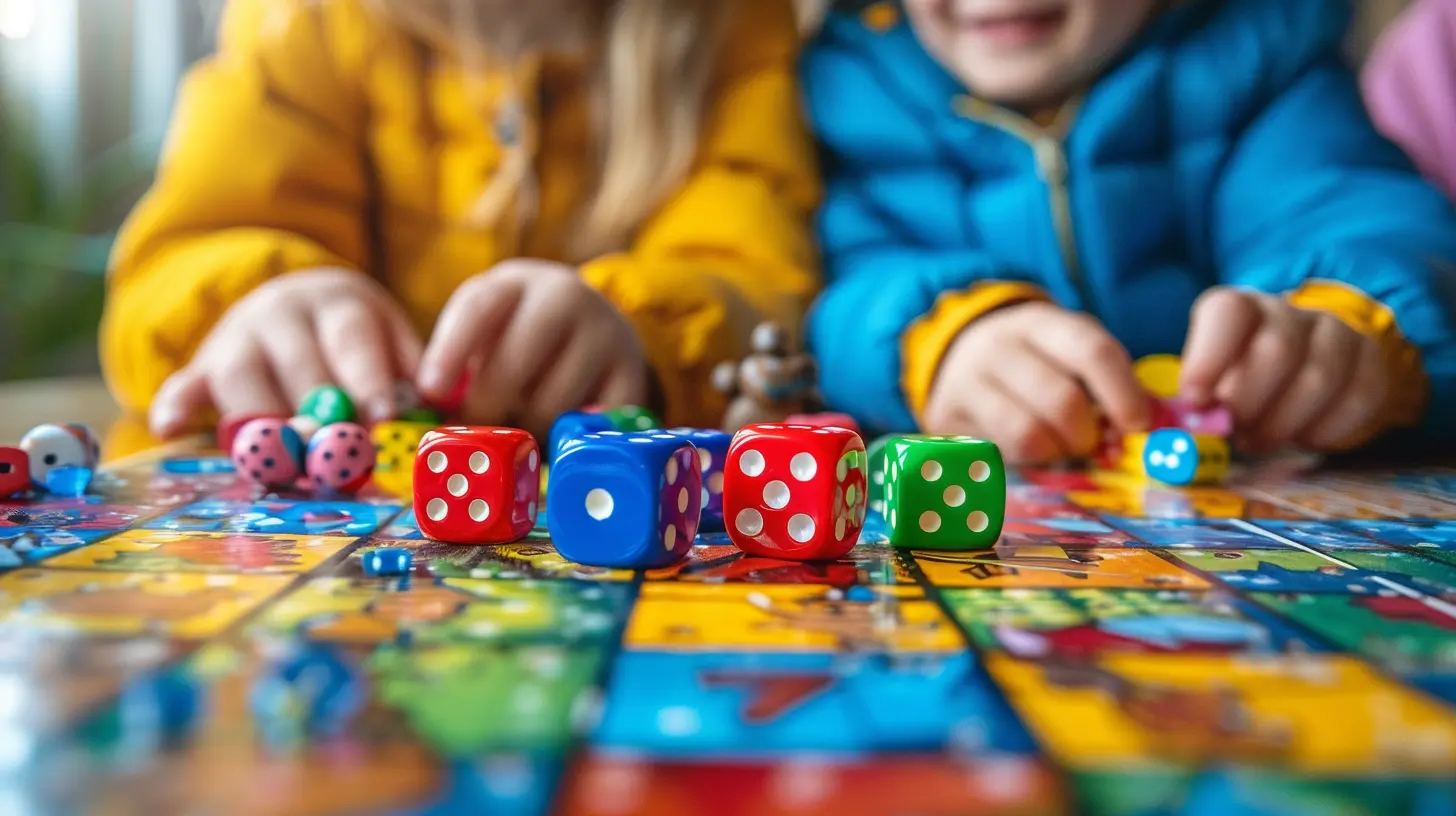
Best Game Genres for Teaching Empathy and Emotional Intelligence
Not all games are cut from the same cloth. Some are built for thrills and kills, others make you cry while sipping your hot cocoa. If you're looking to teach empathy and EI, here’s where to focus:1. Narrative-Driven Games
These are the heavy hitters. With rich stories and emotionally resonant characters, they’re tailor-made to tug at your heartstrings.Top Picks:
- Life is Strange
- To the Moon
- The Walking Dead (Telltale Series)
- Brothers: A Tale of Two Sons
These games make players face morally gray choices and develop emotional bonds with characters. Perfect for teaching compassion, regret, and responsibility.
2. Role-Playing Games (RPGs)
RPGs are the “choose your own adventure” of the digital world. Players create identities, make decisions, and navigate emotional and social landscapes.Top Picks:
- Undertale
- Dragon Age
- Mass Effect
- Persona 5
These games often prompt you to consider how your actions affect others, making them ideal empathy-building platforms.
3. Simulation Games
Yes, even The Sims can teach empathy—no kidding. Managing relationships, reviewing consequences of behavior, and navigating social dynamics are baked into these games.Top Picks:
- The Sims
- Kind Words (lo fi chill beats to write to)
- Animal Crossing
- Journey
These games teach patience, kindness, and how to handle social cues and interactions gracefully.
4. Cooperative Multiplayer Games
Working as a team teaches more than strategy. It helps players practice listening, collaboration, and managing emotions when things don't go their way.Top Picks:
- Overcooked!
- It Takes Two
- Keep Talking and Nobody Explodes
- Minecraft (Team Builds and Roleplay Servers)
These games demand collaboration, clear communication, and often a bit of emotional regulation (rage-quitting is a learning opportunity, right? ?).

How Parents and Teachers Can Use Games to Teach Emotional Skills
Let’s be real—this isn’t just about throwing a controller at a kid and hoping for the best. Games can definitely be powerful teaching tools, but they need a little steering. Here’s how parents, teachers, or even big siblings can help guide the journey.1. Play Together
Playing side-by-side is underrated. It opens up opportunities to discuss emotions and choices in real-time.Ask stuff like:
- “Why do you think that character felt that way?”
- “What would you have done differently?”
- “How did that choice make you feel?”
Boom—you’re now having a deep emotional conversation while gaming. Bonus points if there’s popcorn involved.
2. Use Guided Reflection
After playing, chat about the experience. What resonated? What emotions came up? What did the character learn? What did they learn?It doesn’t have to be a therapy session. Keep it simple and casual. Sometimes just a “That was intense, huh?” can open the door.
3. Choose Games With Intent
All games aren’t created equal. If you’re aiming to build empathy and emotional skills, handpick games that offer meaningful stories, character development, or cooperative challenges.Look for games that:
- Encourage ethical decision-making
- Have character-driven stories
- Offer consequences for player choices
- Include diverse perspectives
4. Introduce Emotional Vocabulary
Games provide a perfect springboard to talk about emotions. Teach words like “frustrated,” “proud,” “nervous,” or “embarrassed” in context.A kid frustrated because a mission failed? That’s your cue: “Sounds like you're feeling discouraged. Want to try a new strategy?”
Real-Life Benefits of Emotional Gaming
You might be wondering—okay, this all sounds fun, but is there any real impact?Absolutely. Here’s what research (and common sense) says:
? Improved Social Skills – Kids and adults who play games that require cooperation or have emotional depth often show greater empathy in real-life settings.
? Better Conflict Resolution – Managing in-game drama helps with real-world problem-solving. Who knew boss fights prepared you for office politics?
? Stronger Emotional Regulation – Games repeat scenarios, giving players the chance to handle frustration, disappointment, or joy in controlled environments.
? Higher Open-Mindedness – Diverse narratives open players’ eyes to different walks of life, beliefs, and cultures.
Some Games Even Go the Extra Mile
Let’s tip our hats to a few standout games that were basically created to nurture empathy:That Dragon, Cancer
A heartbreakingly beautiful game about a family’s struggle with their young son’s terminal illness. It’s raw, emotional, and unforgettable.A Fold Apart
A puzzle game exploring the challenge of long-distance relationships. Every puzzle solved is an emotional milestone.Papers, Please
You’re a border agent deciding which immigrants get through. It touches on morality, survival, and the human cost of policy.These aren’t just games; they’re experiences.
But Wait… Aren’t Violent Games Bad for Empathy?
Ah, the elephant in the room.Here’s the deal: not all violent games are empathy-killers. Context matters. Games with violence but deep emotional storytelling (The Last of Us, for example) can still foster empathy through character connection.
However, if a game focuses solely on destruction without emotional context, it may not be the best pick for teaching empathy. Use common sense—and balance intense games with emotionally enriching ones.
Integrating Games in the Classroom
Teachers, don’t sleep on this! Incorporating games into lesson plans can breathe life into social-emotional learning.Here’s how to do it:
?️ Use story-based games for literature discussions
?️ Include reflection journals post-game sessions
?️ Create empathy challenges (How would different characters feel in this scenario?)
?️ Set up cooperative game time to build teamwork
You can even let students build their own games to express emotions and explore social issues. Talk about emotional level-ups!
Wrapping It Up
Empathy doesn’t have to be taught from a textbook. Emotional intelligence doesn’t need flashcards. They can be learned through joy, mistakes, and connection—and games serve that up on a silver platter.Whether you're a parent, teacher, older sibling, or just a curious gamer, you have the power to use games for good. The next time someone says gaming is a waste of time, tell them you’re working on your heart muscles.
Game on, empathy warrior.
all images in this post were generated using AI tools
Category:
Games For KidsAuthor:

Emery Larsen
Discussion
rate this article
2 comments
Hunter McWilliams
Games can bridge emotional gaps and foster deep understanding.
August 18, 2026 at 3:35 PM
Mandy Allen
This article highlights a crucial aspect of gaming that often goes unnoticed. Games can be powerful tools for developing empathy and emotional intelligence, allowing players to experience different perspectives. It's refreshing to see a focus on this potential, reminding us that gaming can be more than just entertainment.
July 8, 2026 at 3:24 AM
Emery Larsen
Thank you for your insightful comment! I'm glad you found the potential of games to foster empathy and emotional intelligence noteworthy. It's an important aspect that deserves more attention.